
ABS Plastic


ABS Plastic
Acrylonitrile butadiene styrene material selection, processing optimization, and recycled content integration - engineered for Australian manufacturers requiring certified performance data, not generic datasheets.
Grade-specific performance validation
Match ABS compound to mechanical loads, temperature exposure, chemical environment, and compliance requirements before tooling commitmentProcessing expertise across injection moulding, extrusion, and fabrication
Optimize melt temperature (210-270°C), mold conditions, and drying protocols to eliminate surface defects and dimensional instabilityModified ABS compounds for demanding applications
Glass-reinforced, flame-retardant, UV-stabilized, and ABS/PC blends engineered for automotive, electronics, and industrial environmentsRecycled ABS integration with performance testing
Evaluate reprocessed material suitability based on mechanical properties, source quality, and application risk profileComplete capability: material selection to production
Engineering assessment, CNC prototyping, precision tooling, injection moulding, and compliance documentation under one Australian manufacturer
Share your application requirements, operating conditions, or compliance standards. We'll recommend appropriate ABS grades and validate processing feasibility for your project.


Combining full ISO certification with DISP accreditation, B&C Plastics provides high-quality, secure, and traceable plastic injection moulded components engineered for reliability and performance.
Balancing Impact Resistance, Machinability, And Cost For Critical Applications
ABS plastic is a strong, impact-resistant engineering thermoplastic used across automotive, electronics, construction, medical and consumer industries because it balances durability, machinability, and cost efficiency
At B&C Plastics, we work with procurement managers, engineering teams and sustainability leads who need more than a data sheet. They need real answers about performance, processing, compliance and circular outcomes in Australian manufacturing.
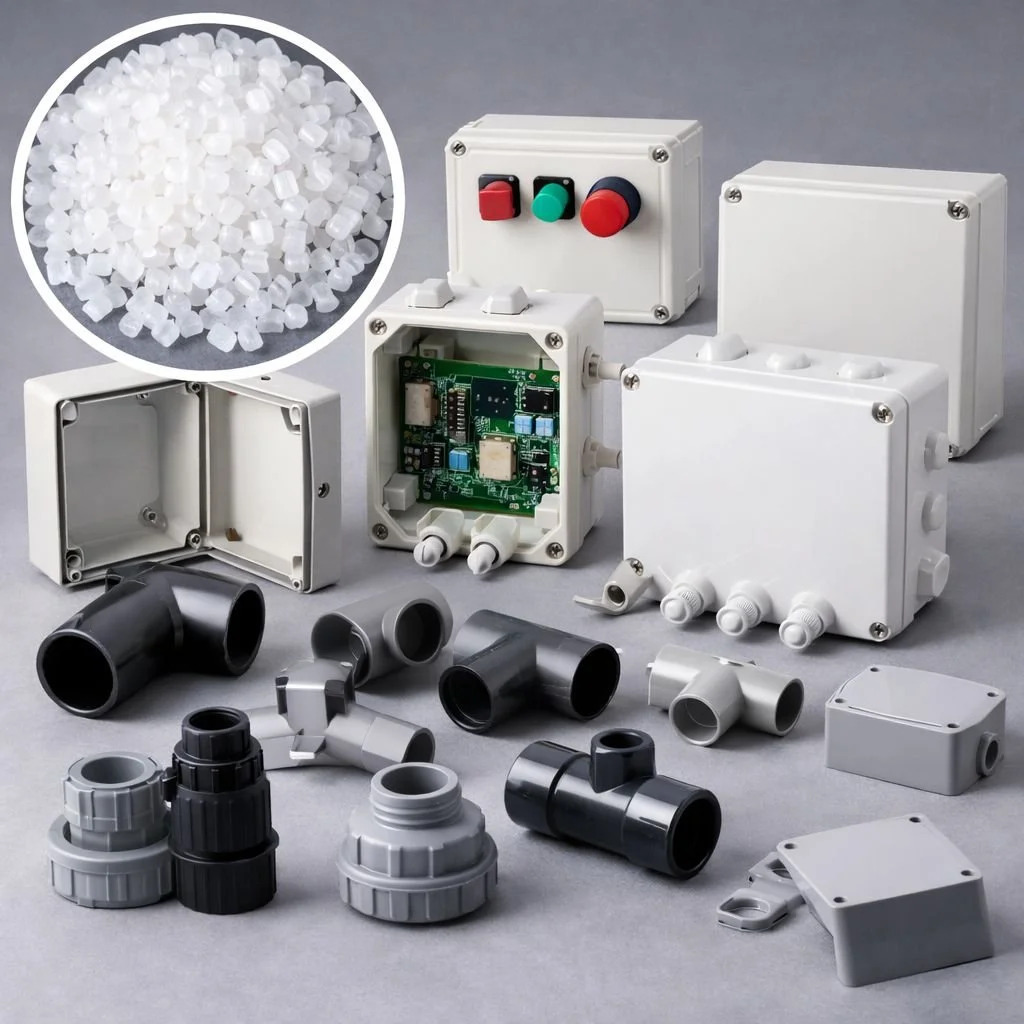
What Is Acrylonitrile Butadiene Styrene (ABS)?
Acrylonitrile butadiene styrene, commonly called ABS, is an amorphous thermoplastic polymer made from three monomers: acrylonitrile, butadiene, and styrene. Each component contributes a specific performance characteristic:
Acrylonitrile provides chemical resistance and heat stability
Butadiene adds toughness and impact resistance
Styrene contributes rigidity, surface finish, and ease of processing
The result is a versatile plastic material widely used in injection moulding, extrusion, machining and 3D printing.
ABS sits between commodity plastics such as PVC and higher performance engineering polymers such as polycarbonate, nylon, acetal (POM), and polyamide blends. It is often selected when you need good mechanical strength without the cost of high-end composite compounds.
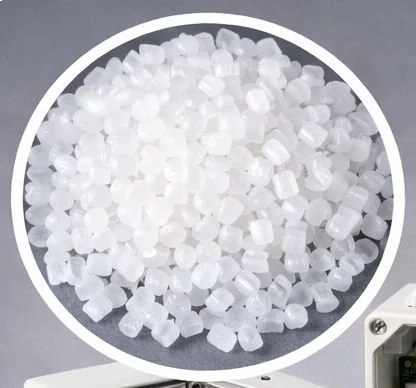
How ABS Plastic Is Produced
ABS is produced through polymerisation, typically by emulsion or continuous mass processes. During production:
Styrene and acrylonitrile are polymerised in the presence of polybutadiene rubber.
The rubber phase is dispersed throughout the rigid polymer matrix.
The resulting compound forms an amorphous structure with no sharp melting point.
Because ABS is amorphous, it softens gradually with heat rather than melting abruptly. Its typical glass transition temperature is around 105°C. This behaviour influences injection molding parameters, extrusion temperatures, and forming processes.

Why ABS Is Popular in Manufacturing
ABS remains popular because it offers:
Good impact resistance, even at low temperatures
Solid mechanical strength and rigidity
Excellent surface finish for coatings or printing
Ease of machining, CNC cutting and fabrication
Cost effectiveness compared with polycarbonate or nylon
For many industries, it is the “just right” material. Not over-engineered. Not under-performing.
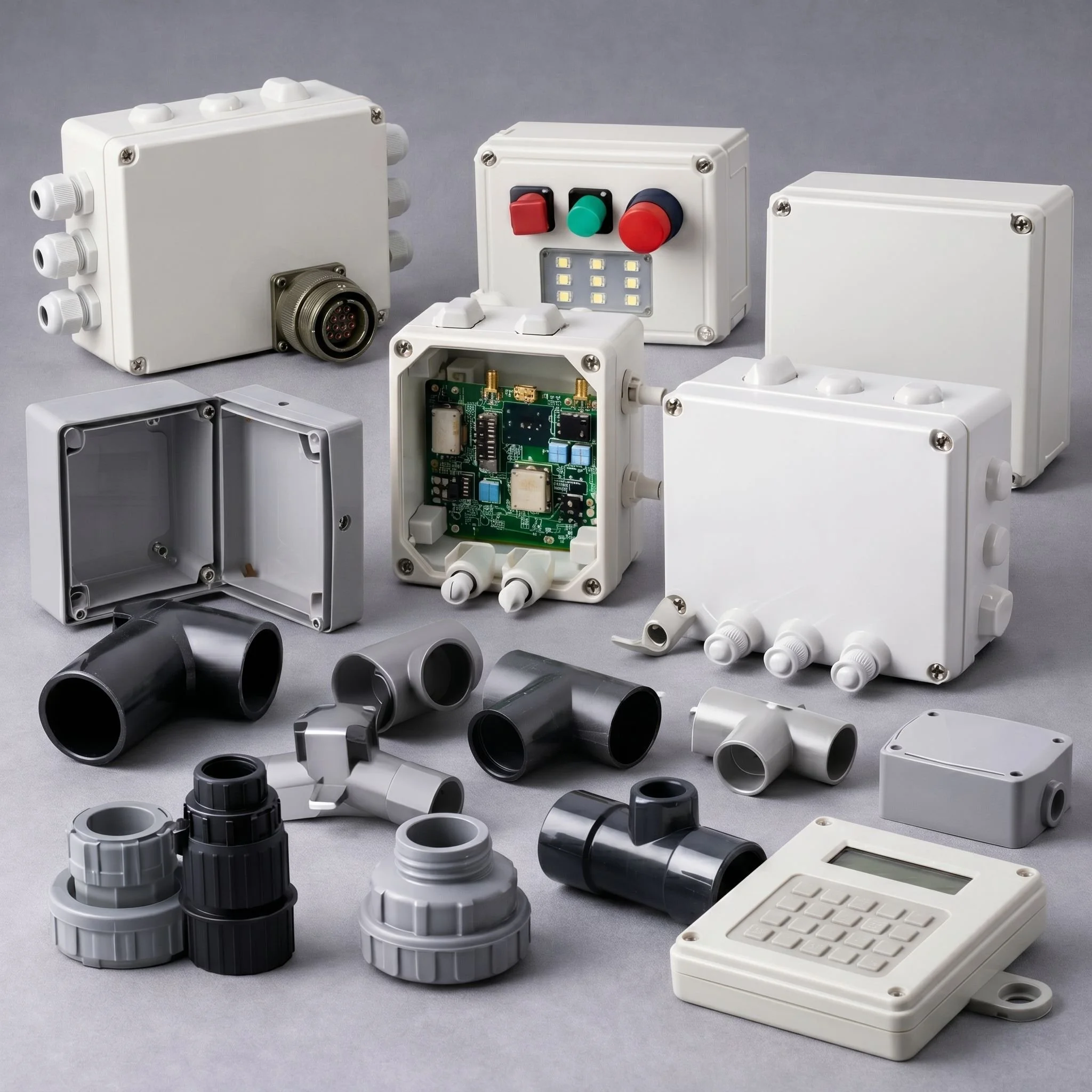
Key Properties of ABS Plastic
ABS performance is defined by a combination of mechanical, chemical, thermal and electrical properties.
Mechanical Properties of ABS
ABS provides a strong balance of stiffness and toughness. Typical values from industry references such as SpecialChem and MatWeb include:
| Property | Typical Range |
|---|---|
| Tensile strength | 40-48 MPa |
| Flexural modulus | 1.8-2.4 GPa |
| Notched Izod impact | ~200 J/m |
| Heat deflection temperature | 80-100°C |
These properties make ABS suitable for structural parts, housings, liners, fittings, and fabricated components where dimensional stability and impact resistance are required.
Impact performance is directly influenced by butadiene content. Higher rubber content improves toughness but can reduce rigidity and heat resistance.
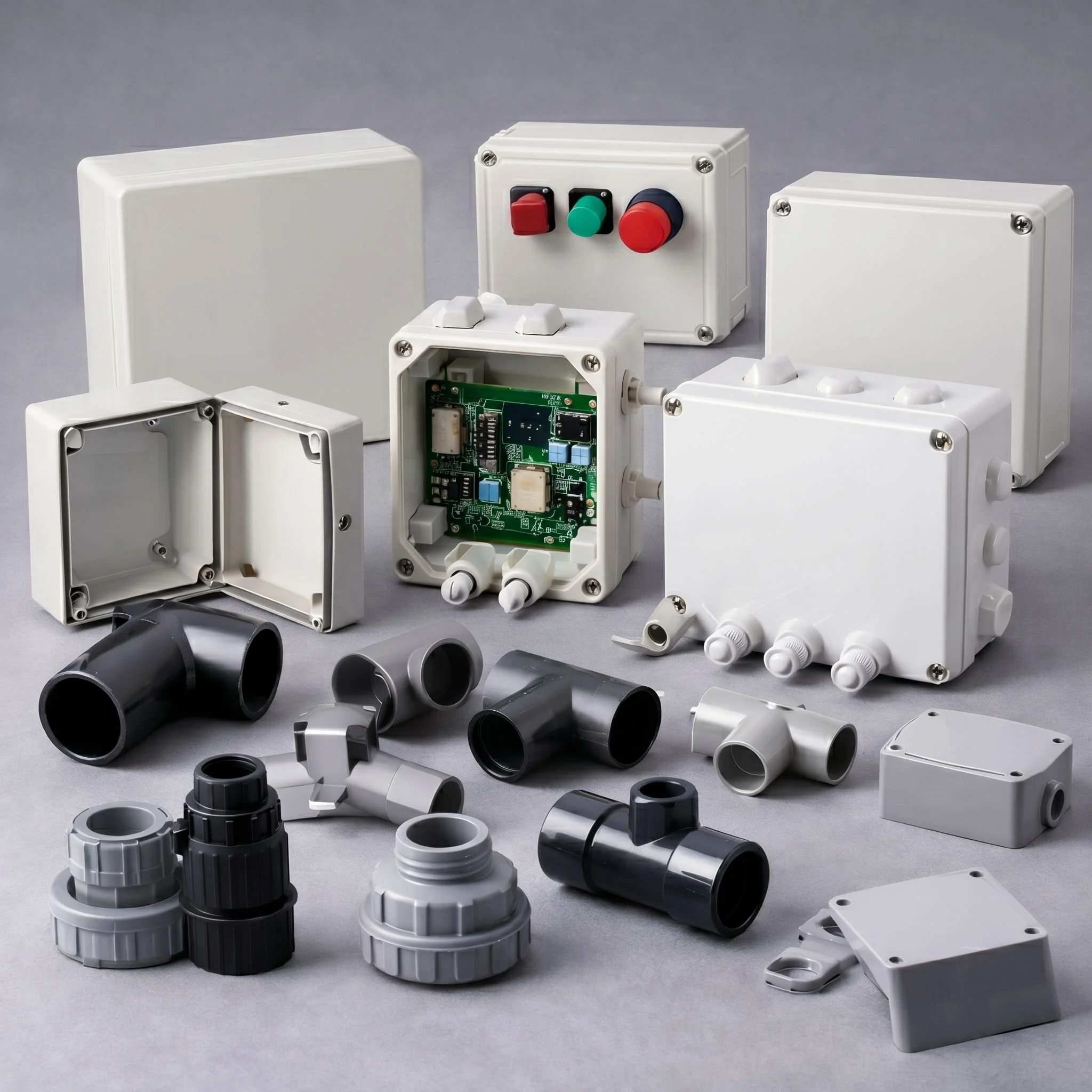
Chemical and Thermal Performance
ABS offers:
Good resistance to dilute acids and alkalis
Moderate resistance to oils
Poor resistance to aromatic hydrocarbons, ketones and esters
Service temperature range typically from −20°C to +80°C
It can be damaged by prolonged UV exposure unless UV stabilisers are added. In harsh outdoor conditions, material selection should consider additives or alternative polymers such as UV-stabilised polycarbonate.
Electrical Insulation Properties
ABS provides stable electrical insulation performance across a wide frequency range. It is commonly used in electrical enclosures, electronics housings and consumer device components.
Its volume resistivity is typically in the range of 10¹⁴-10¹⁶ ohm·cm, making it suitable for non-conductive applications.
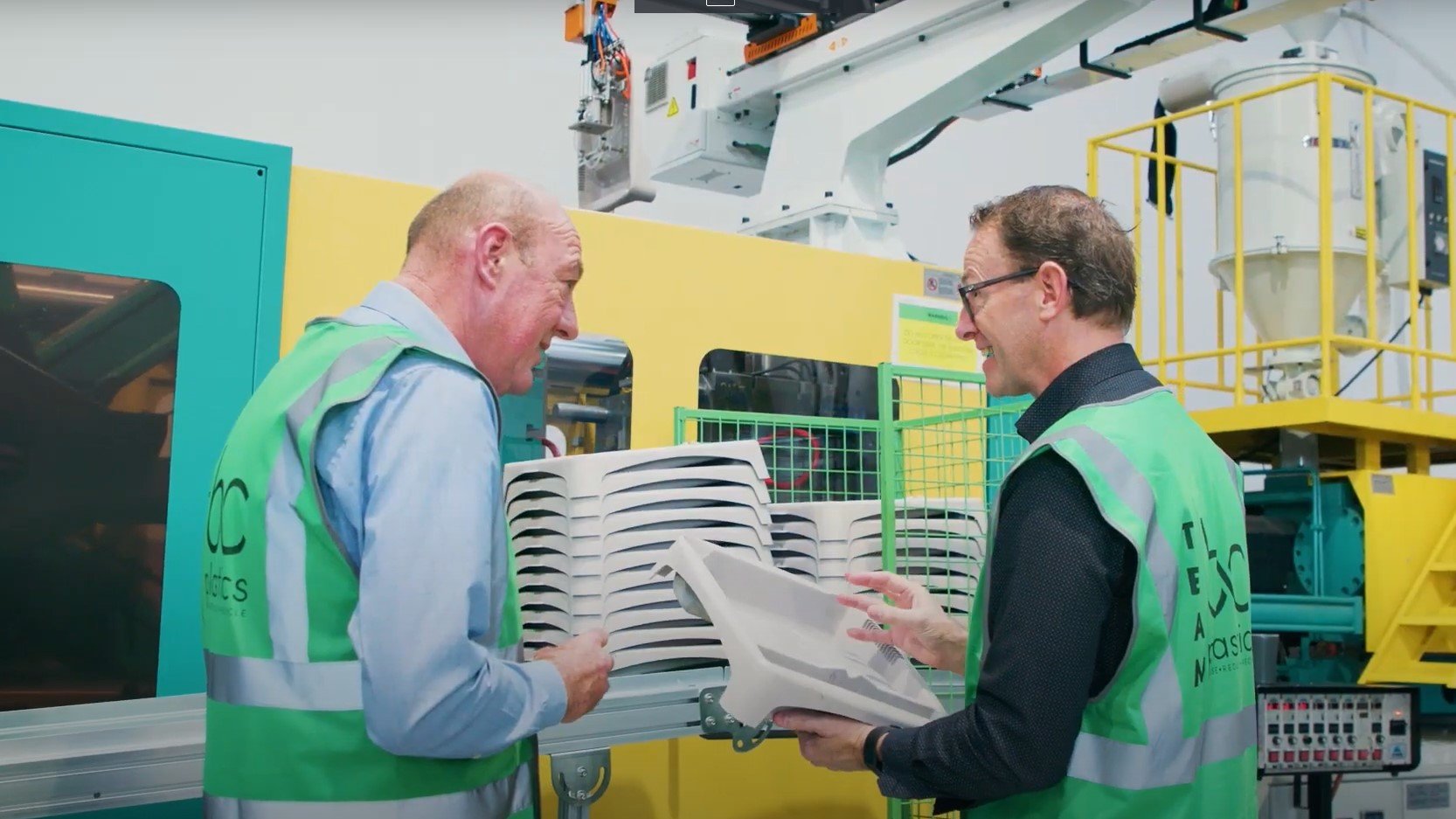
Meet the Team
-
Types and Variations of ABS Materials
Not all ABS grades are the same. Selecting the right compound matters.
-
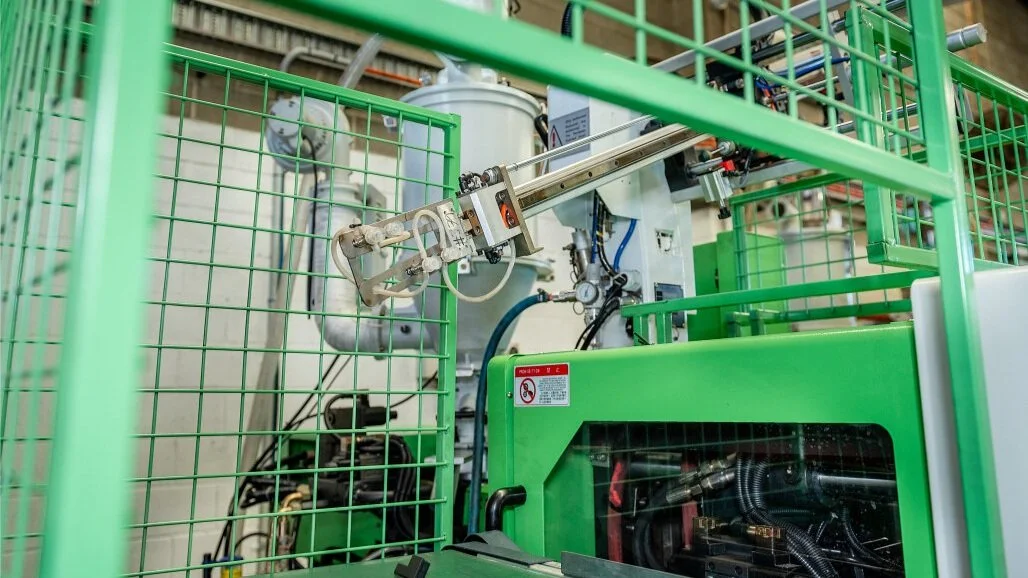
Standard ABS Grades
Standard grades are used for:
● Injection moulding of general parts
● Extrusion of sheet and profiles
● Fabrication of housings and consumer products
These grades balance cost, mechanical strength, and ease of processing.
-
Transparent ABS (MABS)
Most ABS is opaque due to differing refractive indices between phases. Transparent ABS, often called MABS, includes methyl methacrylate to improve clarity.
Compared with acrylic (PMMA), transparent ABS offers:
● Higher impact resistance
● Lower brittleness
● Good surface appearance
However, it does not match the optical clarity of pure acrylic sheet.
-
Reinforced and Modified ABS Materials
ABS can be modified through additives and blends:
● Glass fibre reinforcement improves stiffness
● Flame-retardant grades enhance fire performance
● UV stabilisers improve outdoor durability
● ABS/PC blends increase heat resistance
● ABS/polyamide blends improve strength
Blending with polycarbonate creates a more heat-resistant composite material suitable for demanding industrial applications.
Processing and Manufacturing Methods for ABS
ABS has a broad processing window, making it adaptable across manufacturing technologies.
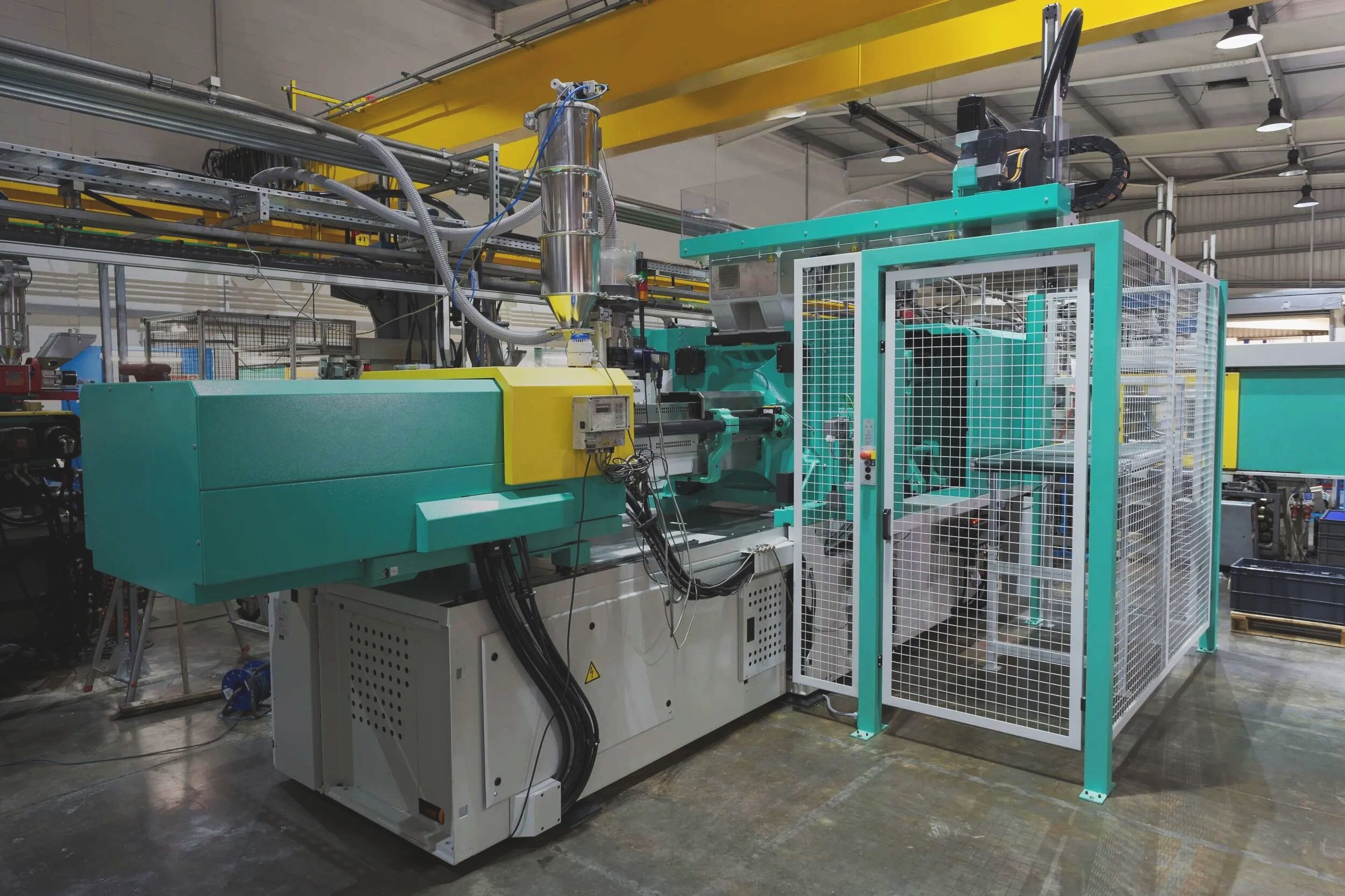
Injection Moulding of ABS
Injection molding is the most common process for ABS parts.
Typical processing conditions:
Melt temperature: 210-270°C
Mold temperature: 40-70°C
Moderate to high injection speed
Pre-drying may be required if moisture is present. Poor drying can cause surface defects or bubbles.
Injection moulded ABS is widely used for automotive trim, consumer products, enclosures and fittings.
Extrusion and Fabrication
ABS sheet and profiles are produced through extrusion.
Applications include:
Vacuum forming
CNC cutting
Laser cutting
Fabrication of custom shapes
Sheet fabrication into guards, liners and panels
ABS sheet can be cut to size and welded using hot air welding techniques. Solvent bonding is also possible.
Compared with PVC sheets, ABS offers better impact resistance but lower chemical resistance in certain environments.

Machining and 3D Printing with ABS
ABS machines well using CNC equipment. It can be:
Turned
Drilled
Milled
Sawed
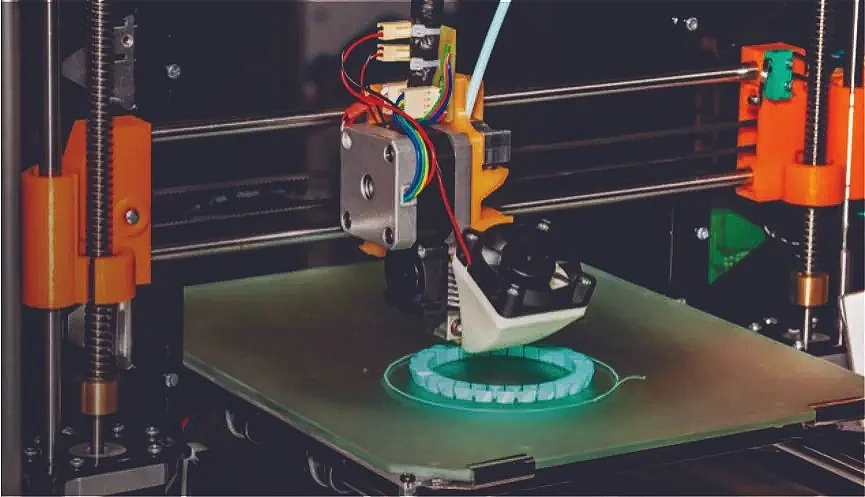
For additive manufacturing, ABS filament is widely used in FDM 3D printing. It offers higher durability than PLA but requires temperature control to minimise warping.
3D printed ABS parts can be sanded, painted, glued and coated, making it ideal for prototypes and functional components.
Common Applications of ABS Plastic
ABS is widely used across industries because of its balance of strength and processing ease.
Automotive Components
ABS is used in:
Dashboards
Interior trim
Door liners
Instrument panels
Structural housings
Its combination of rigidity and impact resistance makes it suitable for non-load-bearing automotive parts.
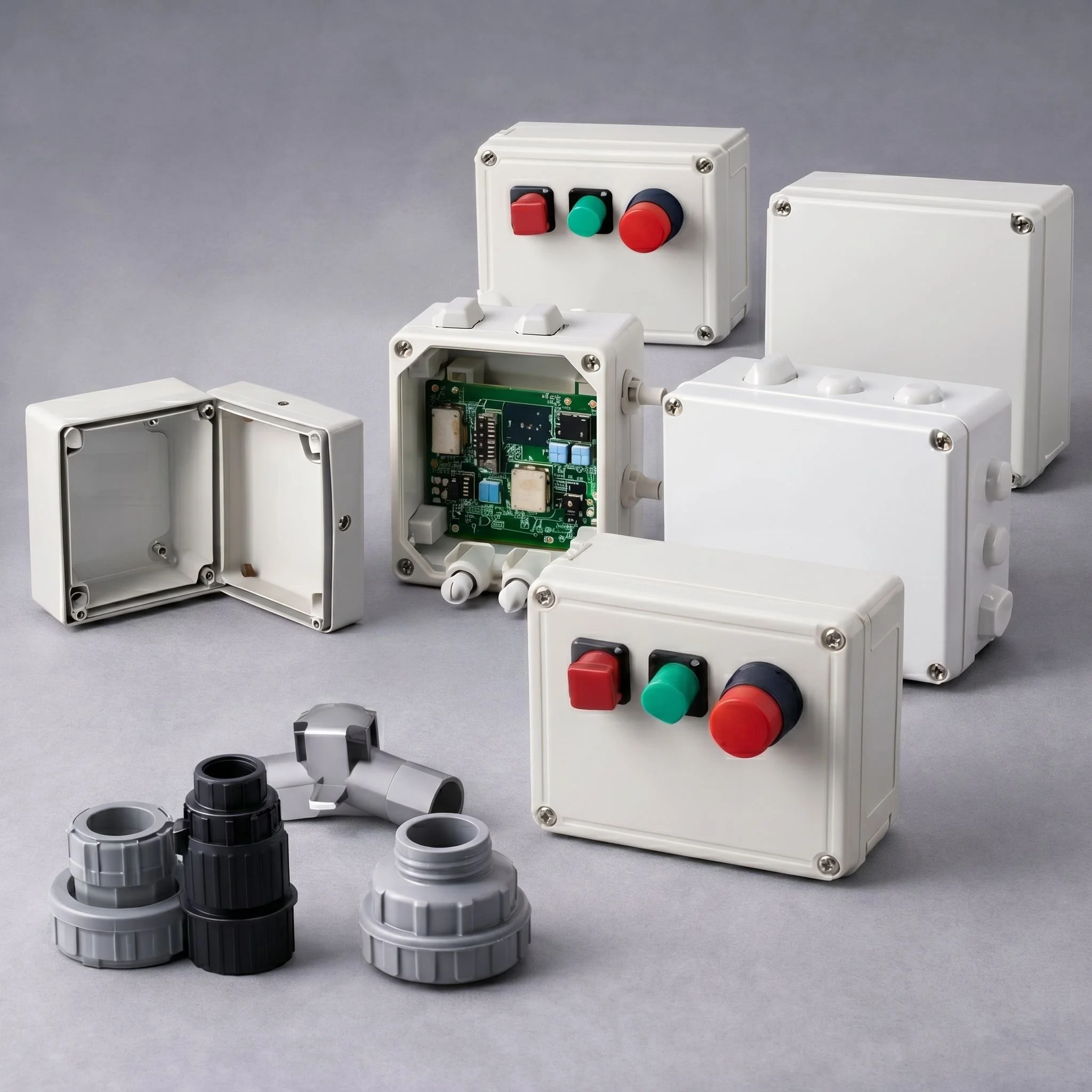
Electrical and Electronic Products
ABS is common in:
Electrical enclosures
Consumer electronics housings
Connectors
Computer components
Its electrical insulation properties and ease of molding support high-volume production.

Consumer and Household Products
Many everyday products are made from ABS:
Appliances
Luggage
Sporting equipment
LEGO bricks
Protective cases
The surface finish allows painting, coatings and branding applications.
Safety, Sustainability and Recycling of ABS
Handling and Safety Considerations
ABS is considered stable under normal processing conditions. However:
At temperatures above 400°C it can decompose into its monomers
Adequate ventilation is required during injection molding and extrusion
3D printing can produce ultrafine particles
Standard industrial safety procedures should be followed during processing.
Recycling and Environmental Impact
ABS is recyclable, typically classified under recycling code 9.
Recycled ABS can be blended with virgin resin to reduce cost and material waste. Performance depends on:
Source material quality
Number of reprocessing cycles
Presence of additives
In circular manufacturing environments, ABS can be reground and reused in controlled production lines.
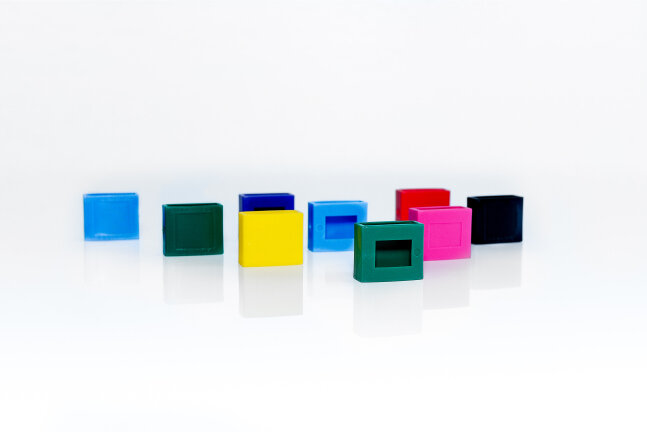
At B&C Plastics, we work with recycled polymers and evaluate material suitability based on mechanical performance, compliance requirements and application risk profile.
Choosing the Right ABS Grade for Your Application
Selecting the right ABS material depends on:
Mechanical load requirements
Temperature exposure
Chemical environment
Compliance obligations
Sustainability targets
For regulated industries such as medical, defence or infrastructure, certification and traceability are as important as material properties.
A Simple 3 Step Process for Selecting ABS in Your Project

1. Define Performance Requirements
Load, temperature range, impact resistance, compliance standards.

2. Evaluate Processing Method
Injection molding, extrusion, machining, vacuum forming, or 3D printing.

3. Validate Through Prototyping and Testing
Confirm mechanical properties, surface finish, and production consistency.

Get In Touch
ABS plastic remains one of the most practical engineering thermoplastics available. It is strong, versatile, machinable, and adaptable across injection molding, extrusion, fabrication and 3D printing technologies.
For Australian manufacturers, the real question is not whether ABS works. It is whether your manufacturing partner understands how to select, process and optimise it for your industry, compliance requirements and long-term supply chain.
If you are reviewing a new product design, migrating tooling, or evaluating recycled material options, contact B&C Plastics to discuss your application. Our team can help you assess grade selection, processing methods and production pathways so your ABS solution performs exactly as intended.
If this guide was useful, share it with your engineering or procurement team. And if you need tailored advice, reach out. We are here to help you make the right decision the first time.