
Agriculture and Irrigation Systems


Agricultural Components Engineered For Australian Conditions
Injection moulded irrigation fittings, livestock equipment, and farm machinery housings with UV stability validation, chemical resistance testing, and local manufacturing - eliminating offshore delays when seasonal demand requires rapid response.
UV-stabilised materials for multi-year outdoor exposure
Engineer components with validated additive packages for 3, 5, or 10-year service life under Australian sun and temperature extremesChemical resistance for fertilizer and pesticide contact
Test material performance against agricultural chemicals, water pressure cycles, and mechanical stress before productionComplete capability: design to farm delivery
Engineering, CNC prototyping, precision tooling, injection moulding, and assembly for irrigation systems and livestock equipmentScalable production supporting seasonal demand
Flexible manufacturing from 10,000 to 1M+ units annually with Australian lead times, not offshore shipping delaysISO-certified quality systems with material traceability
Documented processes meeting agricultural equipment standards and food handling requirements where applicable
Share your equipment specifications, operating environment, or volume requirements. We'll evaluate material suitability and manufacturing feasibility for your agricultural application.


Combining full ISO certification with DISP accreditation, B&C Plastics provides high-quality, secure, and traceable plastic injection moulded components engineered for reliability and performance.

Agriculture and Irrigation Systems Injection Moulding in Australia
Injection moulding supports agriculture and irrigation systems by producing durable, precise plastic components used in farming equipment, water delivery systems, livestock infrastructure, and food handling applications.
Modern farming operations rely on consistent supply, material expertise, and manufacturing partners who understand outdoor conditions, compliance requirements, and long term performance.
As an Australian manufacturer, B&C Plastics works with equipment manufacturers, irrigation specialists, and agricultural companies that need reliable production volumes, rapid prototyping support, and practical engineering input from design through to full scale manufacturing.
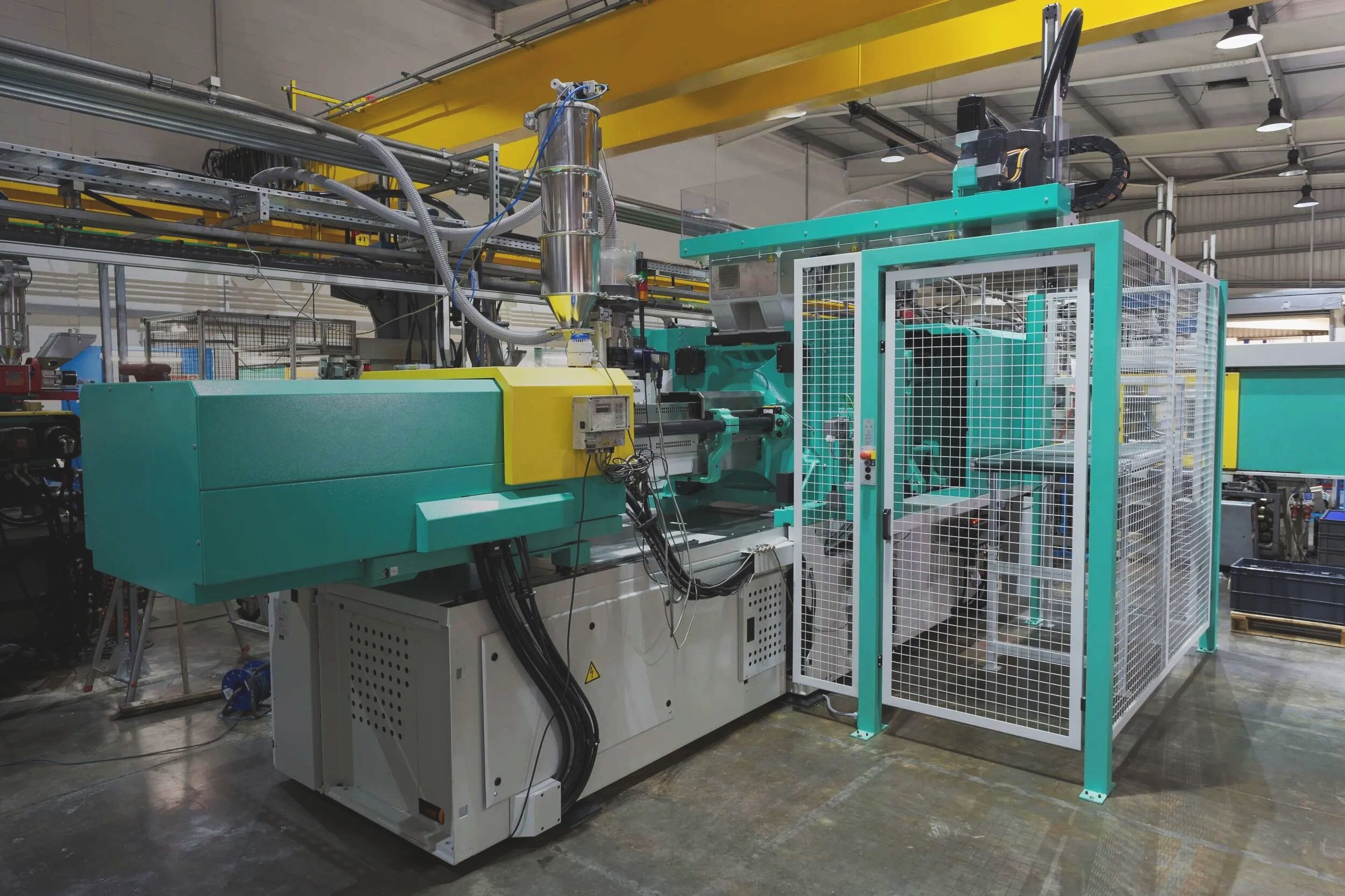
Injection Moulding Solutions for the Agricultural Industry
Modern agriculture depends heavily on high performance plastic parts. From irrigation pipe joints and valve housings to livestock feeders and protective covers, injection moulding plays a central role in producing components that are lightweight, corrosion resistant, and suitable for demanding environments.
Agricultural applications often replace traditional metal with engineered plastics to reduce weight, improve corrosion resistance, and lower overall maintenance. Plastic does not rust like steel or corrode like untreated metal. In irrigation systems, for example, moulded components help maintain water pressure integrity while remaining easier to install and transport.
Our injection molding solutions support:
Irrigation systems and pipe connectors
Livestock feeding and handling equipment
Crop processing and packaging components
Protective covers for agricultural machinery
Building and farm infrastructure fixtures
Each solution is engineered to balance durability, flexibility, and cost efficiency.
Meet the Team
-

Supporting Australia’s Farming and Agricultural Sector
Australia’s farming sector operates in some of the harshest climates in the world. UV exposure, temperature swings, dust, chemicals, and mechanical wear are everyday conditions.
Locally manufactured plastic components contribute to reliable farming operations by reducing lead times and improving supply chain resilience. Rather than waiting months for offshore tooling adjustments, agricultural equipment manufacturers can work directly with an Australian partner to refine mould designs, manage changes, and respond to new project requirements quickly.
This local capability supports irrigation projects, livestock infrastructure, crop processing equipment, and food handling systems across multiple agricultural industries.
-
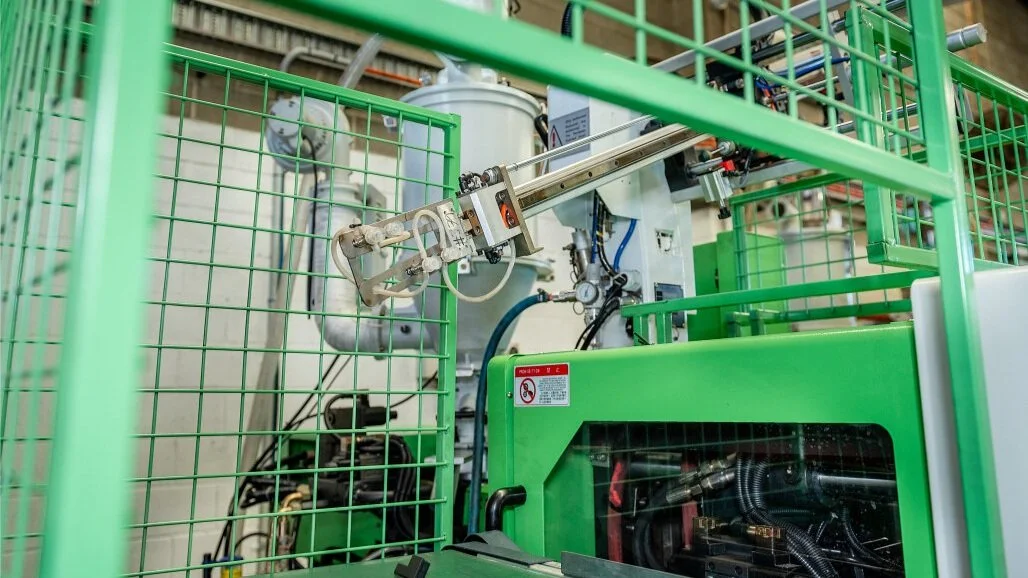
Built for Harsh Outdoor Environments
Agricultural products must withstand:
● Constant UV exposure
● Fertilizers and pesticide contact
● High water pressure in irrigation lines
● Repeated mechanical stress and impact
● Outdoor weather conditions across multiple seasons
Plastic components used in agriculture are designed with stabilisers and additives that reduce degradation over time. Where required, UV protection packages can be compounded into the base material to extend product life for 3, 5, or 10 year exposure periods, depending on the application.
Custom Injection Moulding for Agricultural Products
Not all agricultural parts are standard catalogue items. Many equipment manufacturers require custom injection moulding to meet specific mechanical loads, assembly tolerances, or integration requirements with metal frameworks or electronics.
Custom molding allows agricultural companies to develop specialised components for irrigation control systems, livestock management, crop handling, and farm machinery housings.
Product Design and Development Support
Engineering-led manufacturing starts well before the mold is cut. Our team works with customers to review part design, identify potential stress points, and optimise geometry for moulding efficiency.
This may include:
Wall thickness adjustments for consistent cooling
Reinforcement ribs to handle pressure loads
Snap fits and joints designed for secure assembly
Material selection based on chemical exposure
By incorporating design for manufacturability principles early, agricultural companies can avoid unnecessary tooling costs and reduce future production risk.
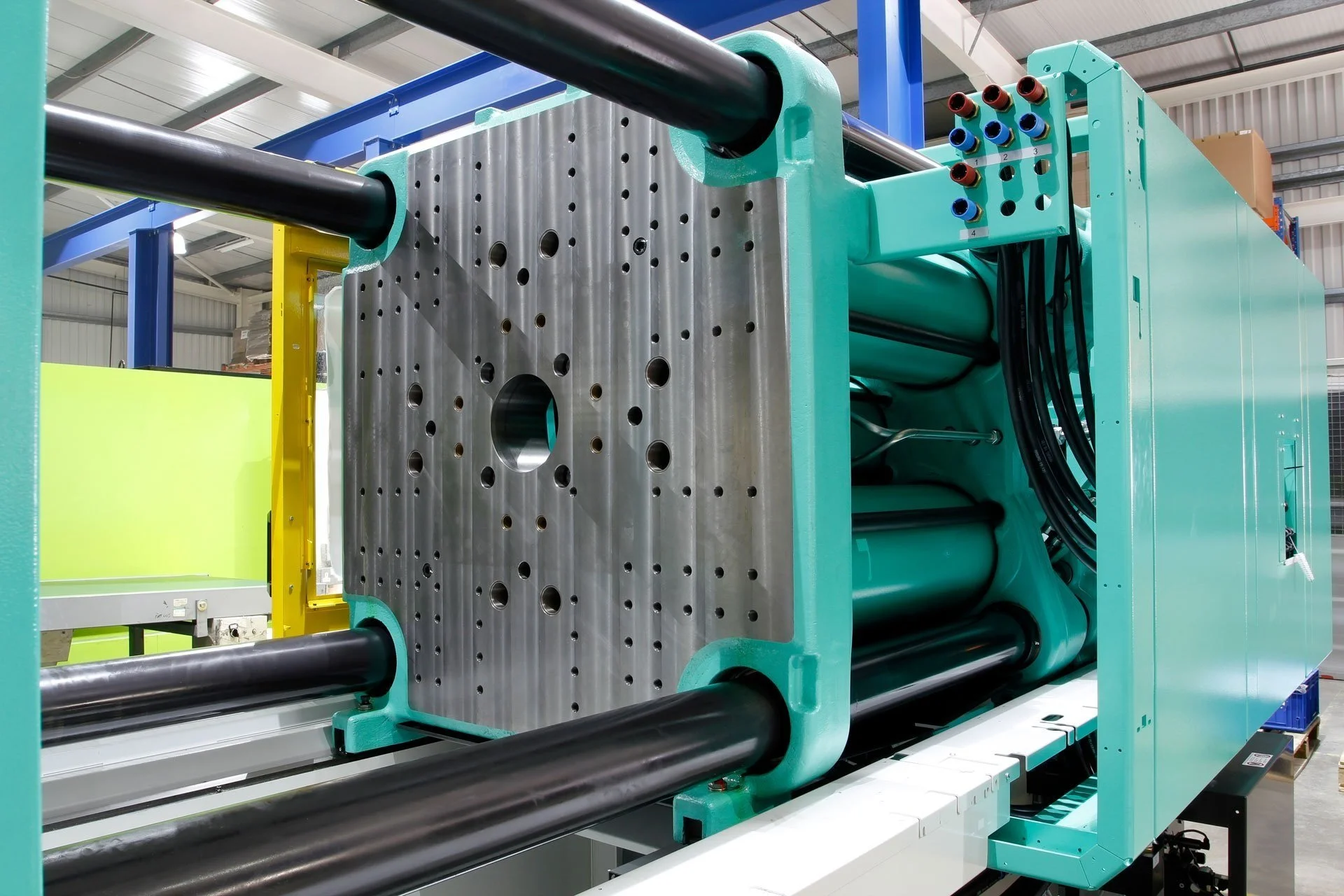
From Concept to Production
Turning an idea into a moulded component typically follows three clear stages:
Step 1: Engineering & Design Review
CAD modelling, simulation, material selection, and DFM analysis.
Step 2: Prototyping & Tool Development
Rapid prototype validation, CNC machining of mould tooling, process optimisation.
Step 3: Full Scale Production & Supply
Injection moulding, quality verification, assembly where required, and scheduled delivery.
This structured process reduces complexity and ensures the final product performs as expected in real agricultural conditions.

Agricultural injection moulding requires more than just machinery. It requires technical expertise in tooling, material processing, and quality management.
Precision Tooling and Injection Mould Design
Mould engineering directly affects product quality. A well designed mold ensures:
Accurate tolerances for irrigation joints and pipe fittings
Consistent wall thickness
Controlled cooling to prevent warping
Long tool life across high volumes
CNC machining plays a central role in mould manufacturing. High precision CNC machining ensures cavity accuracy and repeatability. This is critical for components that must handle water pressure or fit tightly into multi part agricultural systems.
Advanced Engineering and Manufacturing Capabilities
CAD Design and Product Simulation
Digital modelling and simulation software allow engineers to predict how molten plastic will flow through a mold. Simulation identifies potential weld lines, air traps, or stress concentrations before the tool is manufactured.
Using CAD and simulation reduces trial and error, improves efficiency, and helps maintain consistent quality across production runs. For agricultural equipment manufacturers, this translates into reliable parts with predictable performance.

Scalable Production for Agricultural Equipment Manufacturers
Injection moulding is particularly effective for medium to high volumes. Once tooling is established, production can scale efficiently.
For example:
10,000 to 100,000 parts annually for specialised irrigation components
100,000 to 1 million units for mass produced agricultural products
Scalable manufacturing helps agricultural companies manage seasonal demand fluctuations while maintaining cost control.
Material selection is critical in agriculture. Different applications require different performance characteristics.
UV Resistant Polymers for Outdoor Durability
UV stabilised polymers such as polypropylene and certain grades of PVC are commonly used in outdoor agricultural equipment. UV additives slow degradation caused by sunlight exposure.
Without UV protection, plastics can become brittle over time. With appropriate material selection and compounding, components retain flexibility and structural integrity across years of exposure.
Materials Engineered for Agricultural Applications
Chemical and Moisture Resistant Materials
Irrigation systems and crop processing equipment are frequently exposed to water, fertilizers, and pesticides.
Materials such as HDPE, polypropylene, ABS, and nylon offer:
Moisture resistance
Chemical resistance
Dimensional stability under pressure
Selecting the optimum material depends on chemical exposure levels, temperature range, and mechanical load requirements.
High Strength Engineering Plastics
Where higher mechanical loads are involved, engineering plastics such as reinforced nylon or specialty polymers may be used.
Compared to traditional metal, engineered plastic components can offer:
Reduced weight
Corrosion resistance
Lower assembly complexity
Improved energy efficiency in moving equipment
These advantages contribute to long term operational efficiency on farm and within agricultural processing facilities.

Why Agricultural Manufacturers Choose Injection Moulding
Injection moulding provides practical manufacturing advantages for agriculture and irrigation systems.
Durable and Long Lasting Components
Properly designed moulded components resist wear, impact, and environmental stress. For irrigation pipe joints operating under sustained pressure, dimensional precision is essential to avoid leaks and maintain water efficiency.
Durability reduces maintenance cycles and helps farmers and agricultural companies protect capital equipment investments.
Efficient Production for Large Product Volumes
Once tooling is in place, injection molding offers efficient mass production with consistent cycle times. This supports agricultural equipment manufacturers supplying national or export markets.
Cost per unit decreases as volumes increase, making moulding economically viable for long term programs.
Consistent Quality and Precision Manufacturing
Mould tooling ensures that every part produced matches the original design. Quality management processes monitor critical dimensions, surface finish, and mechanical properties.
For agricultural systems where multiple components must assemble correctly, precision is not optional. It is essential.
Partner With an Experienced Agricultural Injection Moulding Manufacturer
Choosing the right manufacturing partner is about more than price. It is about engineering capability, material expertise, and reliable supply.
Engineering Expertise and Industry Knowledge
Our experience working across agriculture, construction, packaging, medical, and industrial sectors allows us to apply cross industry knowledge to agricultural challenges.
We understand:
Irrigation pressure requirements
Livestock equipment durability expectations
Outdoor environmental exposure conditions
Food handling material considerations
This breadth of experience supports practical solutions rather than theoretical designs.
End to End Manufacturing Support
An end to end manufacturing partner can manage:
Design optimisation
Rapid prototyping and prototype validation
CNC machining of mould tooling
Injection moulding production
Assembly and packaging
Ongoing supply chain management
Working with one coordinated team reduces communication gaps and streamlines project execution.
Start Your Agricultural Injection Moulding Project
If you are developing new agricultural equipment, upgrading irrigation systems, or looking to migrate tooling back to Australia, we are ready to help.
You can:
Request a detailed quote for your project
Contact our engineering team for technical consultation
Discuss production volumes and lead times
Review material selection options for your specific application
Reliable agriculture depends on reliable components. If you need an experienced Australian injection moulding partner who understands farming conditions, water systems, and long term performance requirements, get in touch with B&C Plastics today and start the conversation.