

Apprenticeships and Traineeships at B&C Plastics
Apprenticeships and traineeships are structured, nationally recognised training pathways that combine paid on-the-job experience with formal study, allowing individuals to build practical skills while earning a qualification in Australia.
At B&C Plastics, we see them as more than entry-level programs. They are how engineering-led manufacturers build real capability, protect sovereign supply chains, and avoid becoming just another basic moulder competing on price.
If you are an aspiring tradesperson, a school leaver, a career changer, or even a procurement leader wondering how your suppliers build long-term skills, this page explains exactly how apprenticeships and traineeships work in our environment and why they matter.


Combining full ISO certification with DISP accreditation, B&C Plastics provides high-quality, secure, and traceable plastic injection moulded components engineered for reliability and performance.

Why Apprenticeships and Traineeships Matter in Modern Manufacturing
There is a quiet misconception in Australia that manufacturing is fading. In reality, advanced manufacturing is growing in complexity. Injection moulding, CNC machining, industrial design and circular materials processing require skilled operators, toolmakers and engineers who understand precision and compliance.
Apprenticeships and traineeships are how we build that capability locally instead of relying on offshore labour.
For regulated sectors such as defence, infrastructure and medical manufacturing, having qualified, trained personnel is not optional. It directly impacts:
Quality control and ISO compliance
Workplace safety performance
Intellectual property protection
Production consistency
When you work with a Triple ISO certified and DISP accredited manufacturer, you are not just buying parts. You are relying on the skills of the people behind those machines.
What Are Apprenticeships and Traineeships?
In Australia, apprenticeships and traineeships are formal employment and training arrangements that lead to nationally recognised qualifications under the Australian Qualifications Framework.
Apprenticeships
An apprenticeship usually applies to trade-based roles and can take between three and four years to complete, depending on the qualification and individual progress.
In a manufacturing environment, this may include:
Toolmaking
CNC machining
Mechanical fitting
Engineering fabrication
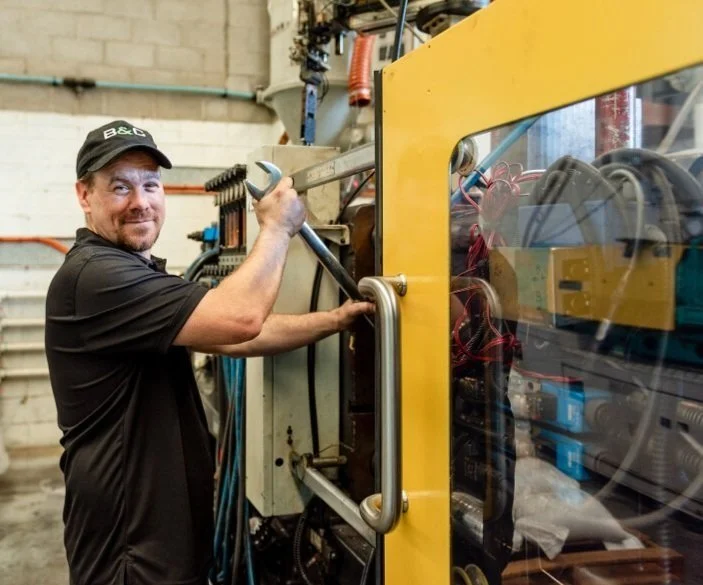
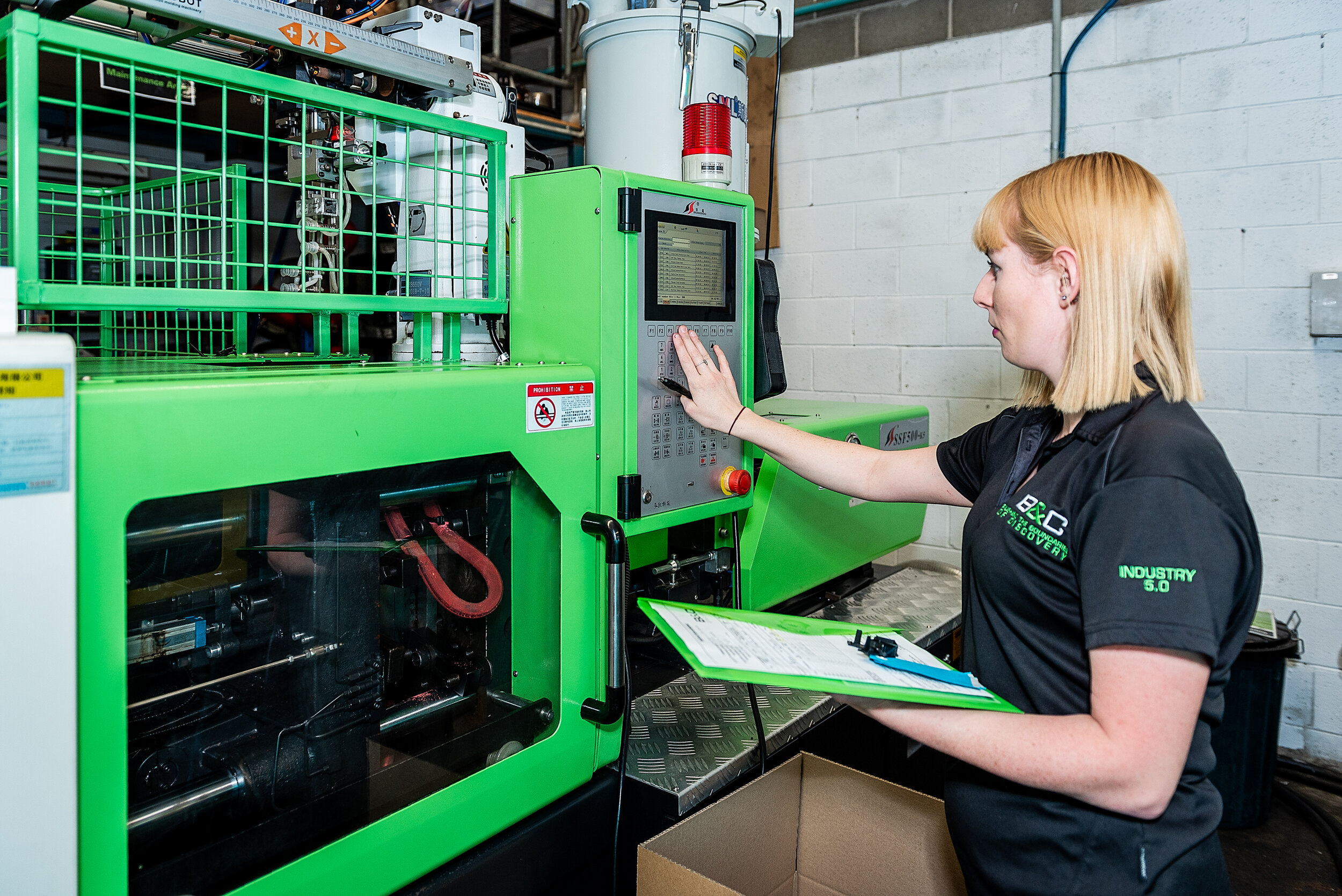
Apprentices are paid employees. They spend most of their time on the factory floor and attend registered training organisations for structured coursework.

Traineeships
Traineeships are generally shorter and focused on vocational skills in areas such as:
Business services
Production operations
Logistics
Quality assurance support
Traineeships typically range from 12 to 24 months, depending on the qualification.
Both pathways combine practical experience with structured learning, and both lead to recognised qualifications.
Our Approach to Apprenticeships and Traineeships
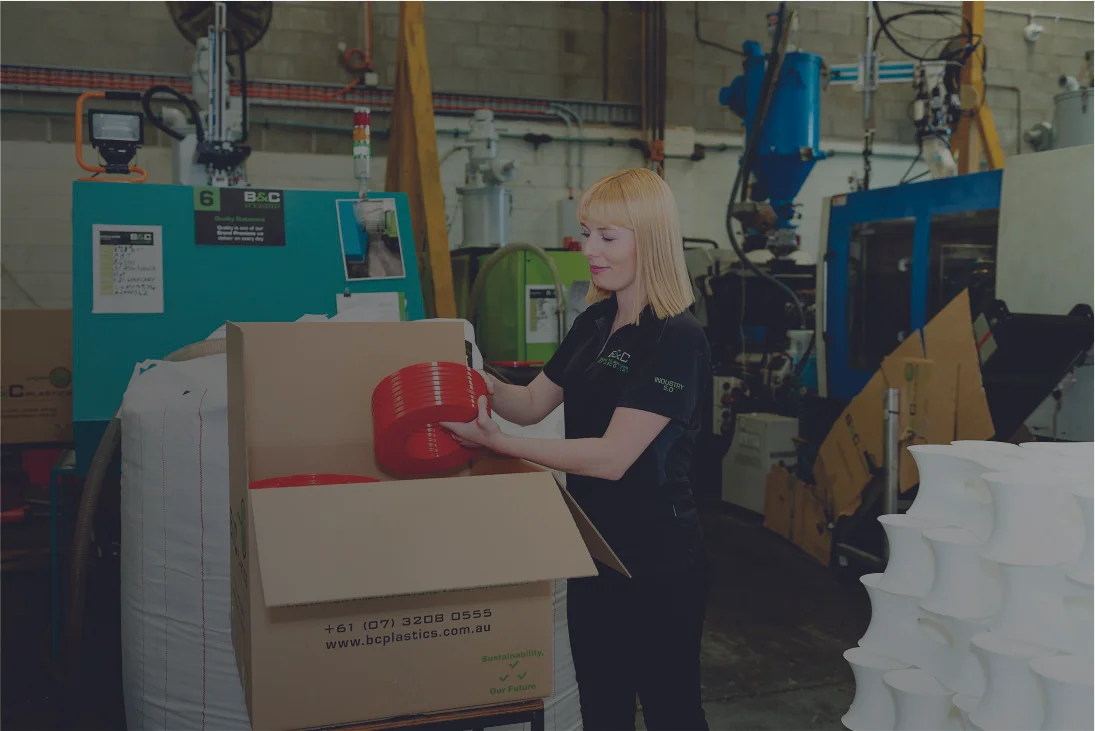
We are an engineering-led, end-to-end product development partner. That means our apprentices and trainees do not just repeat tasks. They are exposed to the full lifecycle of a product, from design through to production.
We structure apprenticeships and traineeships around three core principles:
Real responsibility from day one
Exposure to advanced manufacturing systems
Clear progression pathways
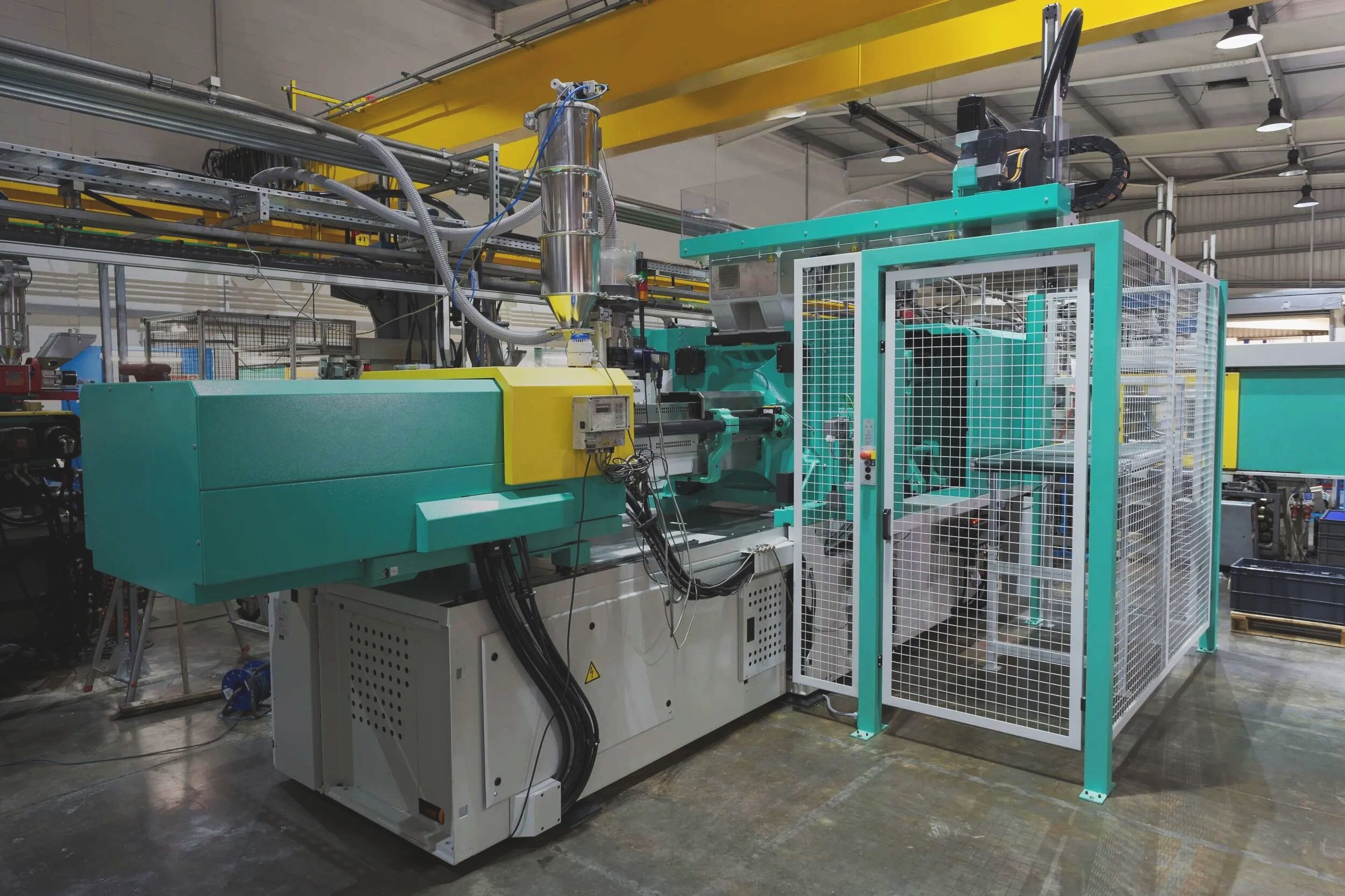
Our facility in Meadowbrook, Queensland operates injection moulding machines ranging from 50 tonne to 600 tonne capacity. Apprentices and trainees work alongside experienced engineers and production managers who understand compliance, circular manufacturing and regulated supply chains.
This matters because skills developed in a compliant, ISO certified environment transfer directly into high-value sectors such as defence and infrastructure.
3 Step Pathway From Entry to Skilled Professional
Below is the simplified framework we follow.

Step 1
Foundational Skills and Safety
Workplace induction, safety systems, machine familiarisation, supervised operation.

Step 2
Technical Competency Development
Hands-on machining, mould maintenance, process monitoring, quality documentation.

Step 3
Independent Responsibility
Ownership of production tasks, contribution to process improvement, mentoring newer team members.
This structure ensures apprenticeships and traineeships are not just time served. They are capability built.

What You Actually Learn on the Floor
People often assume apprenticeships and traineeships are repetitive. In advanced plastics manufacturing, that is not the case.
Our team members learn:
How injection moulding parameters affect part quality
How to read engineering drawings and CAD files
How to perform preventative tool maintenance
How to support ISO 9001 quality documentation
How environmental controls align with ISO 14001
How workplace safety systems align with ISO 45001
When you work in a Triple ISO certified facility, you are exposed to structured systems that many smaller operations simply do not have.
That exposure builds discipline and technical awareness early.
Circular Manufacturing and Sustainability Skills
Sustainability is no longer a marketing term. It is a technical requirement.
We have invested heavily in recycled content capability and circular manufacturing practices. Apprentices and trainees are introduced to:
Material identification and segregation
Regrind processing and traceability
Waste minimisation systems
Closed-loop manufacturing principles
Understanding recycled materials is not optional for the future workforce. APCO targets and ESG reporting requirements mean that sustainable manufacturing knowledge will only increase in importance.
Apprenticeships and traineeships that include circular manufacturing exposure prepare individuals for where the industry is heading, not where it used to be.
Safety and Compliance Training
Manufacturing safety is regulated by state and federal legislation. In Queensland, this includes compliance with Work Health and Safety laws.
Apprentices and trainees receive structured training in:
Machine guarding and safe operation
Lockout procedures
Hazard identification
Risk assessments
Incident reporting
In facilities that support defence-related work, security awareness and confidentiality are also critical. While not every apprentice works directly in defence projects, understanding secure manufacturing environments builds a higher standard of professionalism.

Who Should Consider Apprenticeships and Traineeships?
Apprenticeships and traineeships are suitable for:
School leavers seeking practical career pathways
Career changers looking to move into manufacturing
Individuals interested in engineering and mechanical systems
Those who prefer hands-on learning over purely academic study
Manufacturing is not just manual labour. It is applied engineering. It suits people who enjoy problem solving and tangible results.

Long-Term Career Opportunities
An apprenticeship or traineeship is the starting point, not the ceiling.
Within our environment, progression can lead to:
Production supervision
Quality assurance roles
CNC programming
Tool design support
Project coordination
Advanced manufacturing requires leaders who understand both the technical and operational sides of production. Apprenticeships and traineeships build that foundation.
Why It Matters to Our Clients
If you are a procurement manager or engineering lead, you might wonder why this page exists on a manufacturing website.
Here is the reason.
When you choose an engineering-led partner instead of a basic moulder, you are choosing a team with depth. A company that invests in apprenticeships and traineeships is investing in:
Long-term skills retention
Consistent production quality
Reduced operational risk
Sovereign manufacturing capability
Offshore manufacturers may offer lower upfront pricing. What they cannot offer is visibility into workforce training standards or compliance systems.
Australian-based apprenticeships and traineeships contribute directly to supply chain resilience. When global disruptions occur, skilled local teams keep production moving.
Trades Are Not a Second Option
There is a long-standing narrative that university pathways are superior to trade pathways. In advanced manufacturing, that assumption does not hold up.
Trade-qualified professionals in toolmaking, CNC machining and injection moulding often manage equipment worth millions of dollars. They influence quality, efficiency and compliance outcomes daily.
In many cases, qualified tradespeople earn competitive incomes and build stable, long-term careers.
Apprenticeships and traineeships are not fallback options. They are strategic career decisions.
How We Support Apprentices and Trainees
Support is practical, not theoretical.
Dedicated supervisors
Structured competency tracking
Regular performance reviews
Collaboration with registered training organisations
Exposure to cross-functional teams
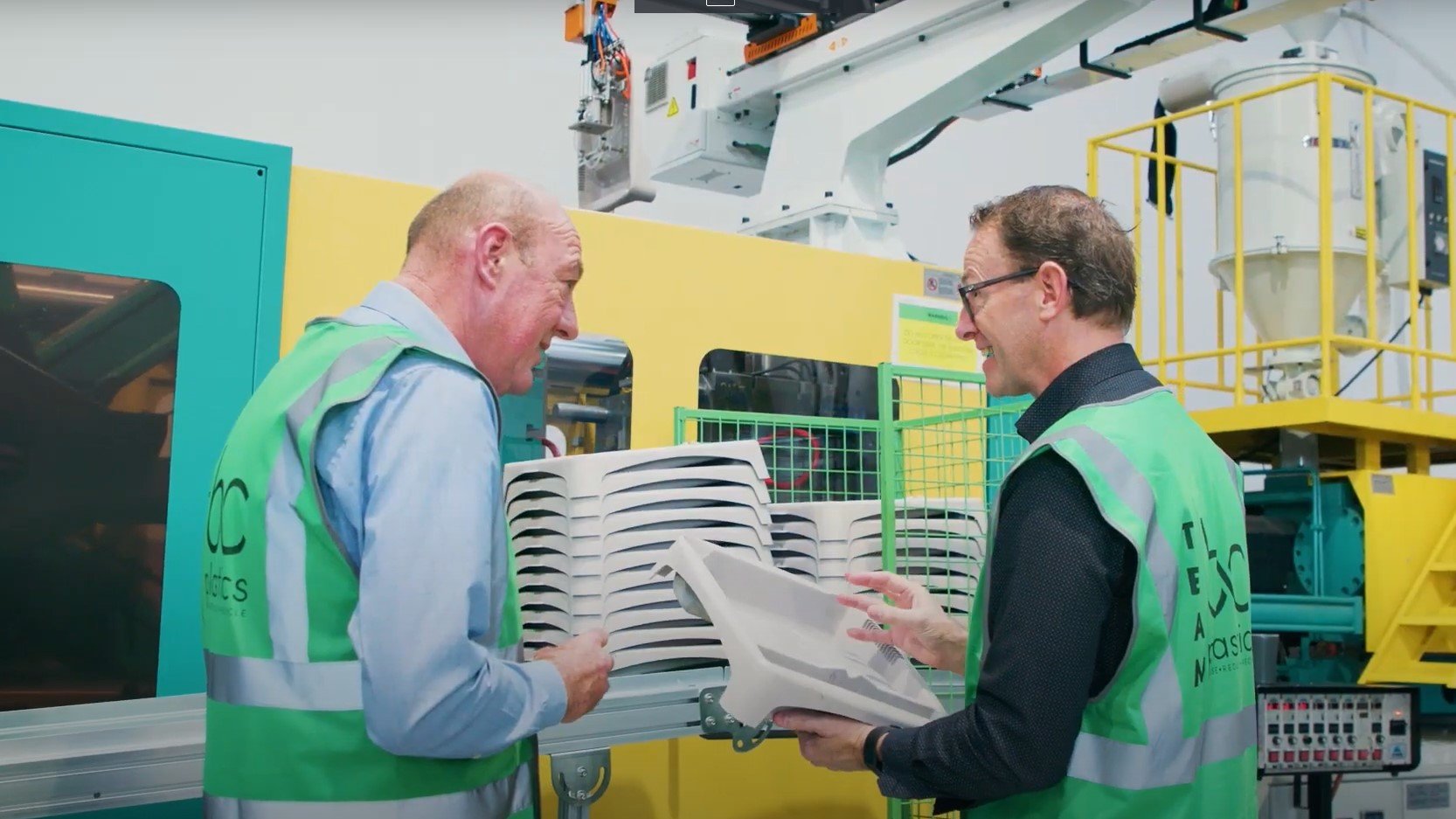
We do not isolate apprentices in one corner of the factory. They see design discussions, tooling conversations and production planning meetings.
That is how future leaders are built.
Transparency and Accuracy
Apprenticeships and traineeships in Australia are regulated through state and federal training frameworks. Individuals are employed under training contracts and qualifications are delivered through registered training organisations.
Government incentives and funding programs may apply depending on eligibility and qualification type. Individuals should confirm current funding arrangements through official Australian Government sources or state training authorities, as policies can change over time.
We are transparent about what we can offer. Not every applicant will be a fit. Manufacturing requires commitment, attention to detail and a strong safety mindset.
Interested in Joining Us?
If you are exploring apprenticeships and traineeships in advanced plastics manufacturing, we encourage you to reach out.
Tell us:
Your background
Your areas of interest
Why you are considering manufacturing
We are always looking for individuals who want to build real skills in an engineering-led environment.
If you are a school careers advisor, industry partner or parent seeking accurate information about manufacturing pathways in Queensland, feel free to contact our team for a discussion.
Apprenticeships and traineeships are not just about learning a job. They are about building capability that strengthens Australian manufacturing for the long term.