
CNC Cutting & Machining


CNC Machining Integrated With Product Development
Computer-controlled milling, and laser cutting combined with engineering design, injection moulding tooling, and production manufacturing - eliminating the supplier coordination delays that turn simple prototypes into multi-month projects.
CNC machining within complete product development capability
Route prototypes, validate designs, manufacture tooling components, and transition to injection moulding under one Australian engineering partnerTight tolerance machining from CAD to functional prototype
Mill complex geometries, machine precision fixtures, and produce validation parts that test performance before tooling investmentMaterial versatility across plastics, composites, and engineering polymers
Process acrylic, HDPE, polycarbonate, ABS, aluminum composite, and specialty materials with documented process controlRapid prototyping to production transition
Validate form, fit, and function through CNC machining, then scale to injection moulding without re-engineering or changing suppliersEngineering consultation before machining begins
Design review, manufacturability assessment, and material recommendations that improve outcomes and reduce rework
Share your CAD files, application requirements, or production volumes. We'll evaluate manufacturability and recommend the optimal path from prototype to production.


Combining full ISO certification with DISP accreditation, B&C Plastics provides high-quality, secure, and traceable plastic injection moulded components engineered for reliability and performance.
CNC Cutting & Machining Services in Australia
CNC cutting and machining are precision manufacturing processes that use computer-controlled machines to cut, mill, and shape materials into accurate components for prototypes, custom parts, and production runs.
Basic workshops may offer CNC cutting as a standalone service, while an engineering-led manufacturer can integrate CNC machining with design, tooling, injection moulding, and production manufacturing under one roof.
At B&C Plastics in Queensland, Australia, CNC machining is part of a broader manufacturing capability that supports product development, prototyping, and long-term production supply. Many clients come to us after discovering that coordinating multiple suppliers for design, machining, moulding, and assembly slows down projects. An integrated engineering partner removes that friction and helps move ideas from concept to finished product with far greater efficiency.
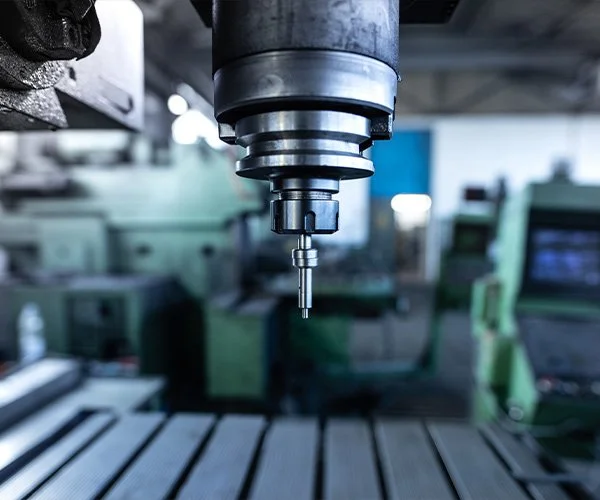
CNC Machining and Laser Cutting Services
CNC machining and laser cutting services are widely used across manufacturing industries to produce custom components, prototypes, and production parts with extremely high precision. Using advanced automation and computer-guided machines, these processes cut and shape materials into complex geometries that would be difficult or impossible to achieve using manual fabrication.
CNC technology is used in a wide variety of sectors including automotive, aerospace, medical, defense, electronics, and industrial manufacturing. From small prototype parts to large production components, CNC machining allows manufacturers to create repeatable, accurate results across high-volume production runs.
At B&C Plastics, CNC machining is often combined with plastic injection moulding, engineering design, and product development, giving customers a complete manufacturing pathway from early prototypes to full scale production.
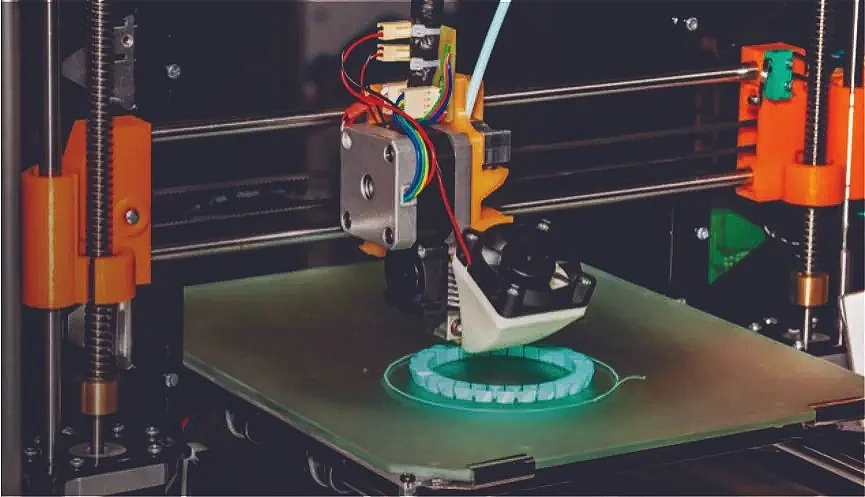
From Prototype to Production Manufacturing
CNC machining plays a critical role in both early stage prototyping and large scale manufacturing. During product development, CNC machines can produce highly accurate prototype parts directly from CAD designs, allowing engineers to test functionality before committing to injection moulding tooling.
Once the design is validated, CNC machining may continue to support the production process by manufacturing tooling components, fixtures, or small production runs of machined parts.
Typical manufacturing stages supported by CNC machining include:
Prototype development using rapid machining from digital designs
Engineering validation to test performance and fit
Production manufacturing for specialised components or tooling
This flexibility is one reason CNC machining remains a core technology in modern manufacturing systems.
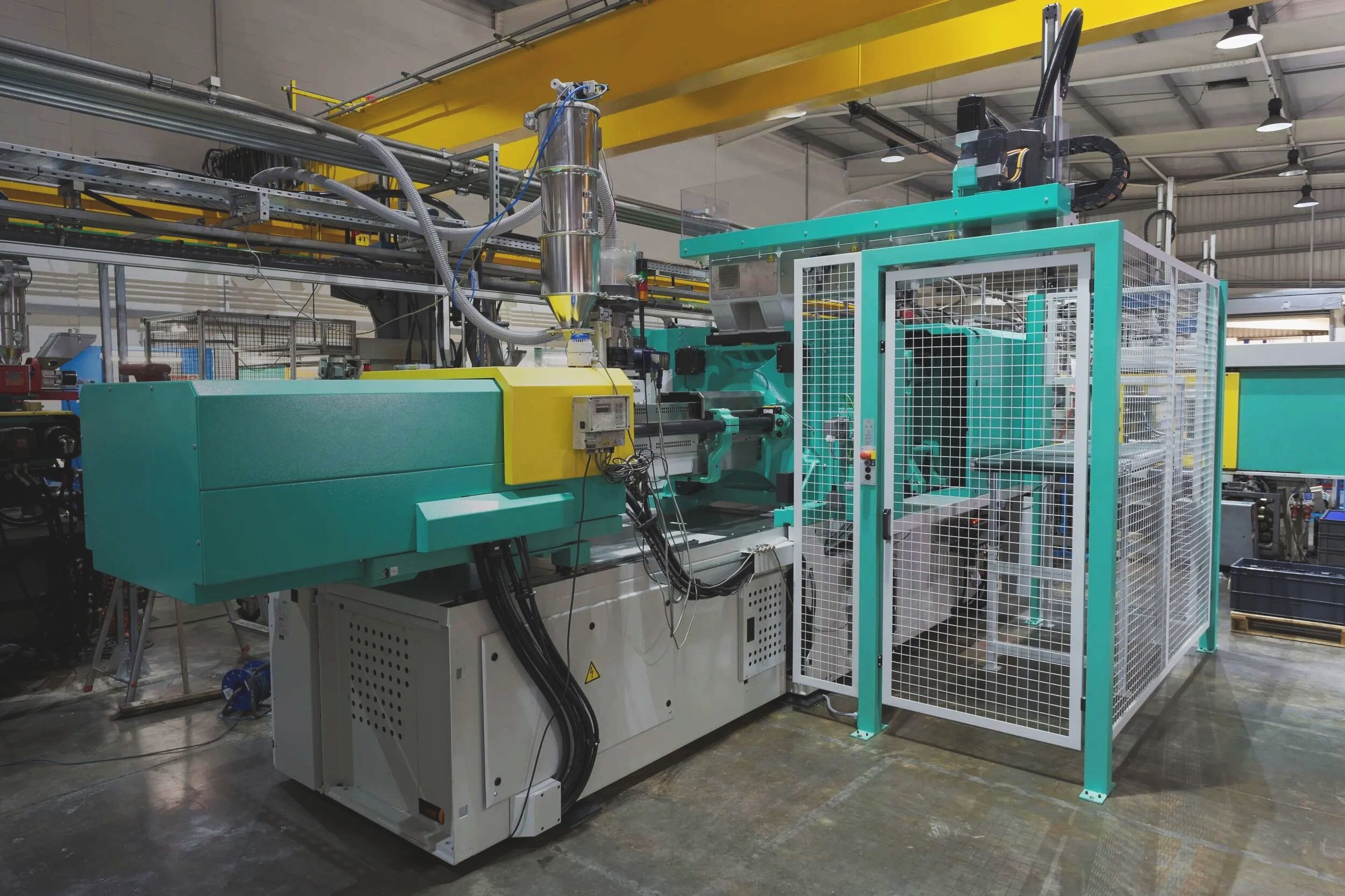
Precision Manufacturing for Custom Projects
One of the major advantages of CNC machining is its ability to produce high precision components with consistent accuracy. Because the machines are controlled by computer programming, each part can be replicated with extremely tight tolerances.
For custom manufacturing projects this level of precision is essential. Components used in aerospace systems, medical devices, automotive assemblies, and industrial machinery must meet strict engineering requirements.
Computer controlled machining allows manufacturers to produce:
Complex geometries
Small precision parts
Large machined panels
Functional prototypes
Production components
This level of accuracy ensures components perform exactly as intended in real-world applications.
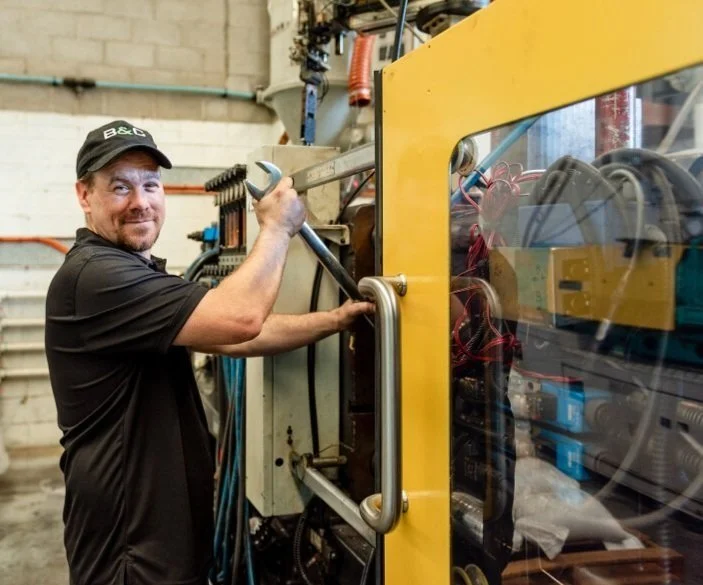
What Is CNC Machining?
CNC machining stands for Computer Numerical Control machining, a manufacturing process in which computer programming controls the movement of cutting tools and machine systems.
Unlike traditional manual machining, CNC machines follow digital instructions generated from CAD design files. These instructions guide tools such as mills, routers, and cutters to remove material from a workpiece with extreme accuracy.
The process is widely used to manufacture metal components, plastic parts, engineering prototypes, and industrial products.
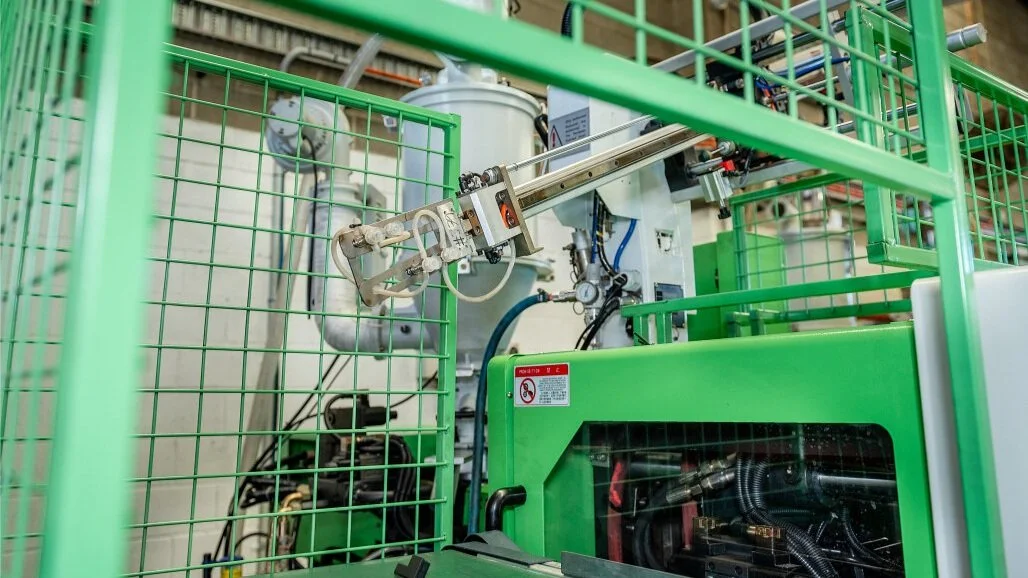
How CNC Machines Work
CNC machines operate by interpreting digital design files and converting them into precise machine movements.
The typical process works like this:
Engineers create a CAD design of the component.
CAM software converts the design into machine instructions.
The CNC machine follows those instructions to cut or mill the material.
During machining, rotating tools such as spindles, cutters, and mills remove layers of material until the final component shape is achieved.
This automated process allows manufacturers to produce complex parts with consistent quality across multiple production runs.

Advantages of CNC Machining
CNC machining offers several advantages compared with manual manufacturing processes.
| Advantage | Impact |
|---|---|
| High accuracy | Produces precise parts with minimal deviation |
| Repeatability | Identical parts can be produced consistently |
| Efficiency | Automation reduces manual labour and production time |
| Complex geometries | Enables designs that would be difficult to machine manually |
These benefits explain why CNC machining remains a foundational technology across industries such as aerospace, automotive, electronics, and medical manufacturing.
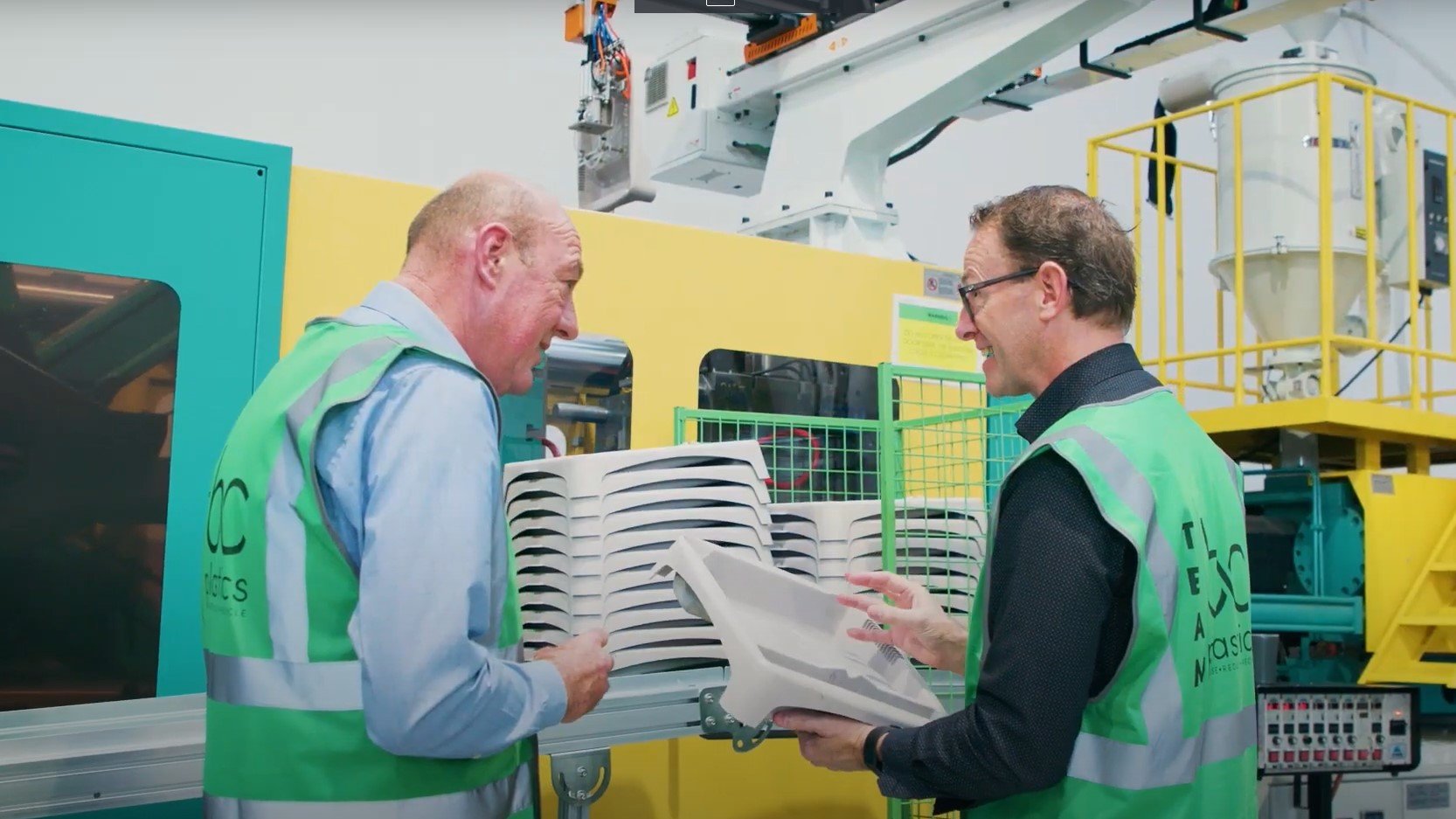
Meet the Team
-
What Is Laser Cutting?
Polycarbonate has become one of the most versatile engineering plastics because it performs well in situations where other materials fail. Its strength, clarity, and temperature stability make it suitable for structural, safety, and industrial applications.
-
How Laser Cutting Technology Works
Laser cutting systems combine computer numerical control with optical technology. The process involves directing a concentrated laser beam through mirrors or fibre optics toward the work surface.
As the laser moves across the material, the focused energy creates extremely precise cuts. A gas jet is often used to remove molten material and produce a clean edge.
This process allows manufacturers to create:
● Fine detail cutting
● Engraving and etching
● Intricate patterns and shapes
Laser cutting is widely used in industries where high accuracy and smooth edge finishing are required.
-
Benefits of Laser Cutting for Custom Fabrication
Laser cutting offers several advantages for custom manufacturing projects.
First, the technology produces clean, precise edges that often require minimal finishing. Second, the non-contact process reduces mechanical stress on the material. Finally, laser cutting systems are capable of processing complex shapes quickly and efficiently.
For fabrication workshops and manufacturing facilities, this technology supports rapid production of custom components.
CNC Router Cutting Services
CNC router cutting is a specialised machining service designed primarily for sheet materials such as plastics, wood panels, aluminium composite panels, and foam boards.
Routers operate similarly to milling machines but are optimised for cutting large sheets and flat materials. CNC routers use rotating cutting tools mounted on high speed spindles to cut shapes from sheet stock.
Fast and Accurate Sheet Material Cutting
CNC router machines excel at cutting sheet materials quickly and accurately. Large sheets can be loaded onto the router table and cut into complex shapes using computer guided cutting paths.
Because the router is controlled by digital design files, the machine can repeat identical cuts across multiple pieces with consistent accuracy.
This process is widely used for producing:
Product components
Structural panels
Plastic fabrication parts
Manufacturing templates
High speed router systems make it possible to produce large volumes of identical components efficiently.
Ideal Applications for CNC Router Technology
CNC routers are commonly used across many industries because they can process a wide variety of materials.
Typical applications include:
Signage and branding panels
Architectural features
Shop fitting components
Automotive panels and replacement parts
Plastic fabrication components
These applications benefit from the speed and flexibility that router cutting technology provides.
Materials Suitable for CNC and Laser Cutting
CNC machining and laser cutting technology can process a wide range of materials used in modern manufacturing.
The choice of material depends on the application requirements, including strength, durability, weight, and environmental resistance.
Wood and Sheet Materials
Many CNC router cutting projects involve wood based sheet materials.
Common examples include:
MDF
Plywood
Hardwood panels
These materials are frequently used in furniture manufacturing, signage fabrication, and architectural design.
Plastics and Acrylics
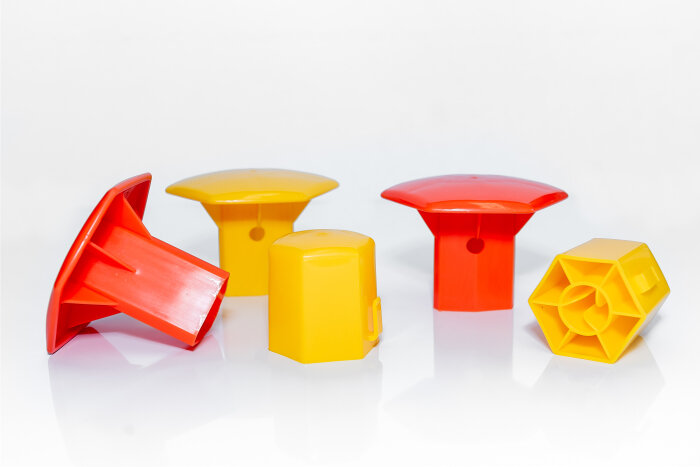
Plastics are among the most common materials used in CNC machining and cutting.
Examples include:
Acrylic and Perspex sheets
Polycarbonate
ABS plastic
HDPE and engineering polymers
Plastic machining is particularly useful in industries such as medical equipment, electronics housings, and automotive components.

Composite and Specialty Materials
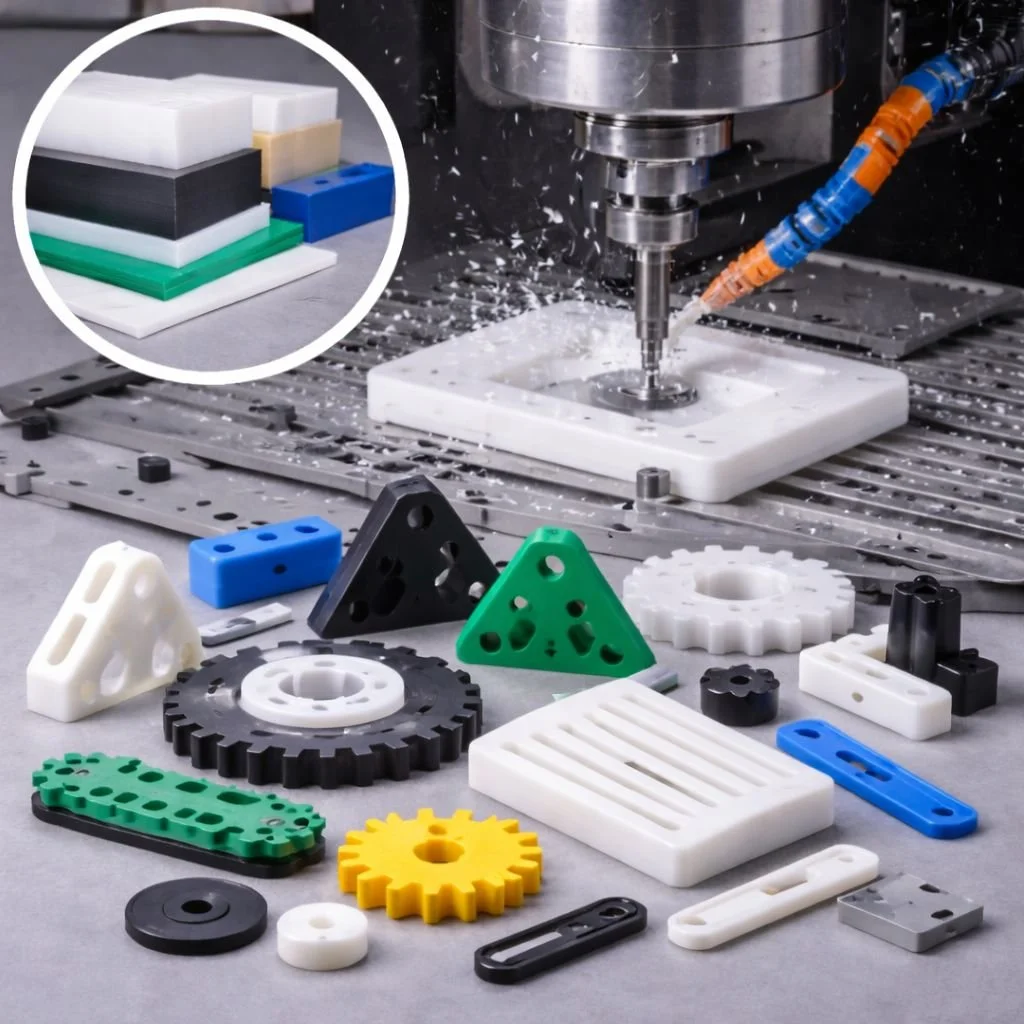
Advanced CNC machining technology can also process specialised composite materials.
Examples include:
Aluminium composite panels (ACM)
Engineering laminates
Structural composite boards
These materials are often used in construction, industrial manufacturing, and architectural applications.
Applications of CNC Machining and Cutting
CNC machining and cutting technologies support a wide range of industries and product categories.
From product development to large scale manufacturing, these processes are used to create components that require precision and repeatability.
Product Development and Prototyping
CNC machining plays a major role in early stage product development.
Engineers often use CNC technology to produce functional prototypes that closely match the final production part. This allows design teams to test performance before investing in injection moulding tooling.
Rapid prototyping reduces development risk and speeds up the path to production manufacturing.
Custom Manufacturing Components
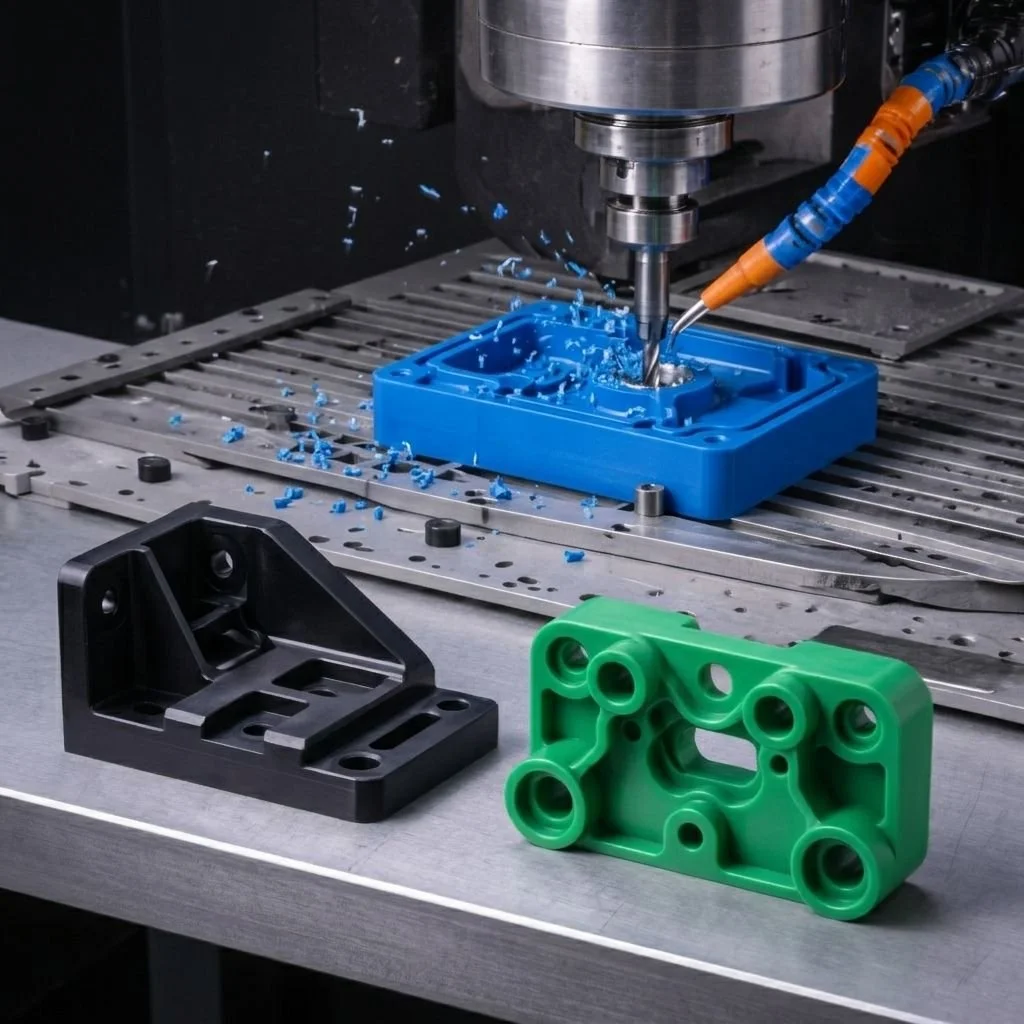
Many manufacturing businesses rely on CNC machining to produce specialised parts used in equipment and industrial systems.
These components may include:
Machine brackets and fixtures
Engineering housings
Automotive parts
Aerospace components
Because CNC machining can handle complex geometries, it is well suited for advanced engineering applications.
Signage and Display Fabrication
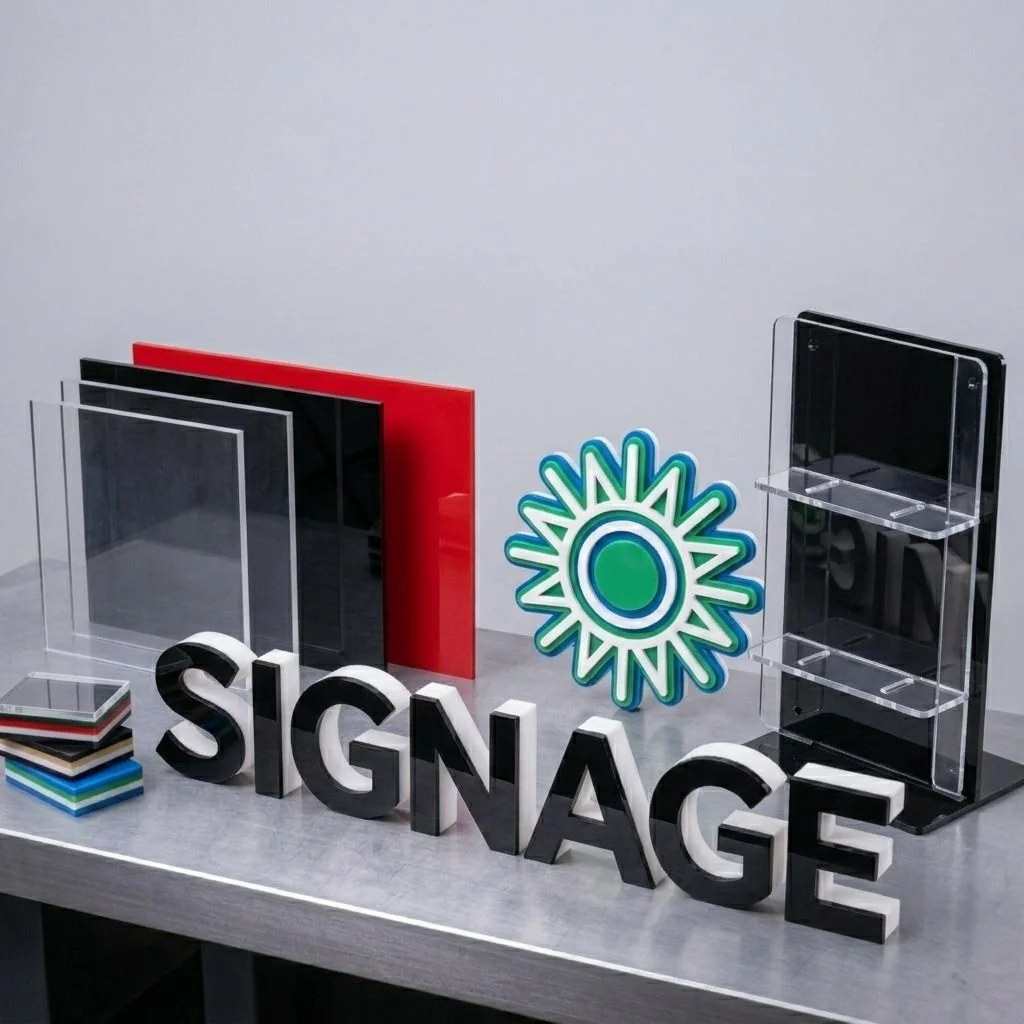
CNC router cutting is widely used in signage manufacturing and retail display fabrication.
Large sheets of acrylic, plastic, or composite materials can be cut into lettering, logos, and display panels using CNC routers.
The precision of computer controlled cutting ensures clean edges and accurate dimensions.

File Types and Design Preparation for CNC Cutting
Successful CNC machining projects begin with accurate digital design files. These files guide the machine during the cutting and machining process.
Supported Design File Formats
Most CNC machining services accept several common design file formats.
Examples include:
CAD files
DXF files
EPS vector graphics
PDF design drawings
These files provide the machine with the geometric data needed to produce the final component.

Preparing Files for Accurate Manufacturing
Preparing design files correctly helps ensure the machining process produces accurate results.
Key considerations include:
Using correct scale and dimensions
Avoiding duplicate lines or overlapping geometry
Clearly defining cut paths and engraving paths
Careful preparation reduces errors and helps ensure the finished parts match the original design.
Our CNC Manufacturing Process
Working with a professional CNC manufacturing partner usually follows a structured process designed to ensure accurate results and efficient production.

Design and Project Consultation
The first stage involves discussing the project requirements with the manufacturing team. This includes reviewing design files, materials, production volumes, and application requirements.
Engineering teams may provide guidance on material selection and machining feasibility.

Quotation and Production Planning
After reviewing the project details, the manufacturer prepares a quote and production plan. This stage evaluates machining time, material costs, and scheduling requirements.
Once approved, the project moves into the manufacturing phase.

Manufacturing and Delivery
During production, CNC machines follow the programmed tool paths to cut and machine the required components.
After machining is complete, the parts may undergo finishing processes such as sanding, polishing, or assembly before delivery or collection.

Why Businesses Choose Professional CNC Cutting Services
Businesses across many industries rely on professional CNC machining services because they provide precision, efficiency, and reliable manufacturing outcomes.
Advanced Machinery and Skilled Technicians
Modern CNC workshops use advanced machinery capable of handling complex machining tasks. Skilled technicians oversee the programming and operation of these machines to ensure accurate results.

Reliable Production and Consistent Quality
Automated machining processes produce consistent results across large production runs. This consistency is essential for industries where parts must meet strict engineering standards.
Efficient Turnaround Times
Because CNC machining relies on automation, production timelines can often be shorter than manual fabrication methods. Efficient machining processes allow manufacturers to deliver parts quickly without compromising quality.

Start Your CNC Machining Project
If you are developing a new product, replacing manufactured components, or exploring CNC machining options, working with an experienced manufacturing partner can simplify the process.
At B&C Plastics in Australia, our engineering team supports projects across multiple industries including construction, agriculture, mining, defense, medical manufacturing, and consumer products.
Request a Quote for CNC Cutting Services
If you have design files or project specifications ready, our team can review your requirements and provide a detailed manufacturing quote based on materials, machining complexity, and production volumes.
Speak With a CNC Machining Specialist
If you would like technical advice before starting your project, feel free to contact the B&C Plastics team. We are happy to discuss materials, design considerations, and manufacturing options to help you move from concept to finished product with confidence.