
Custom Plastic Fabrication


Custom Plastic Fabrication Engineered For Industrial Performance
CNC-machined components, welded tanks, and structural assemblies with material validation and engineering integration - eliminating the performance gaps when fabrication shops lack injection moulding capability or design expertise.
Fabrication integrated with injection moulding and product development
Combine CNC machining, plastic welding, and moulded components into hybrid systems under one engineering partnerMaterial selection validated for operating conditions
Engineer HDPE tanks, polypropylene pipework, and polycarbonate housings against chemical exposure, structural loads, and environmental stressComplete capability: design to installation support
Industrial design, CAD engineering, CNC fabrication, welding, assembly, and technical documentation without supplier fragmentationChemical resistance and corrosion performance testing
Validate material compatibility with acids, solvents, water treatment chemicals, and harsh industrial environments before productionScalable from prototype validation to production supply
Support equipment trials through to ongoing manufacturing for mining, water treatment, and food processing operations
Share your application requirements, operating environment, or material constraints. We'll evaluate fabrication feasibility and recommend optimal manufacturing approach.


Combining full ISO certification with DISP accreditation, B&C Plastics provides high-quality, secure, and traceable plastic injection moulded components engineered for reliability and performance.
Custom Plastic Fabrication for Engineered Industrial Components
Custom plastic fabrication is the process of designing, cutting, machining, and assembling plastic materials to create specialised industrial and commercial components tailored to a specific application.
For procurement managers, engineering teams, and product developers working in defence, mining, construction, agriculture, medical, and FMCG packaging, that difference matters. Custom fabrication is not just about shaping plastic sheets or welding tanks. It is about building engineered parts that perform reliably in real world environments where chemical exposure, structural loads, water treatment, automation systems, and safety standards all come into play.
At B&C Plastics in Australia, custom plastic fabrication sits alongside injection moulding, CNC machining, industrial design, and advanced manufacturing. That end to end capability means products can move from concept to full production with a single team managing the entire process.
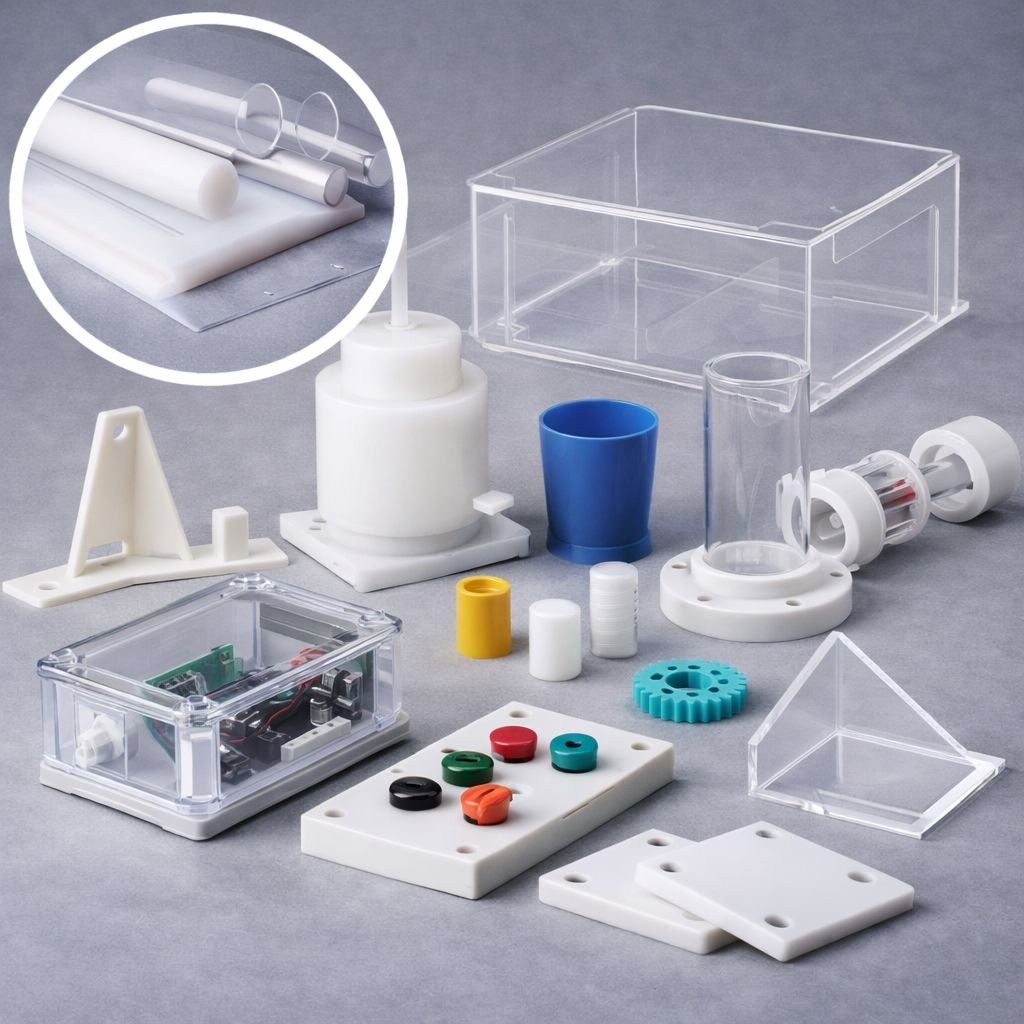
Custom Plastic Fabrication Solutions
Custom plastic fabrication is a versatile manufacturing approach used to produce specialised components for industrial and commercial environments. Instead of using off the shelf products, fabrication allows businesses to create tailored solutions designed for specific operating conditions.
Across Australia, industries such as mining, civil infrastructure, water treatment, marine engineering, food processing, and packaging rely on fabricated plastic parts because they provide durability, corrosion resistance, and design flexibility.
Unlike standard plastic products that are mass produced, fabricated components are designed to match precise project requirements. This allows engineers to control material thickness, structural strength, chemical resistance, and dimensional accuracy.
The result is a component that performs exactly as required rather than forcing a project to adapt around a generic product.
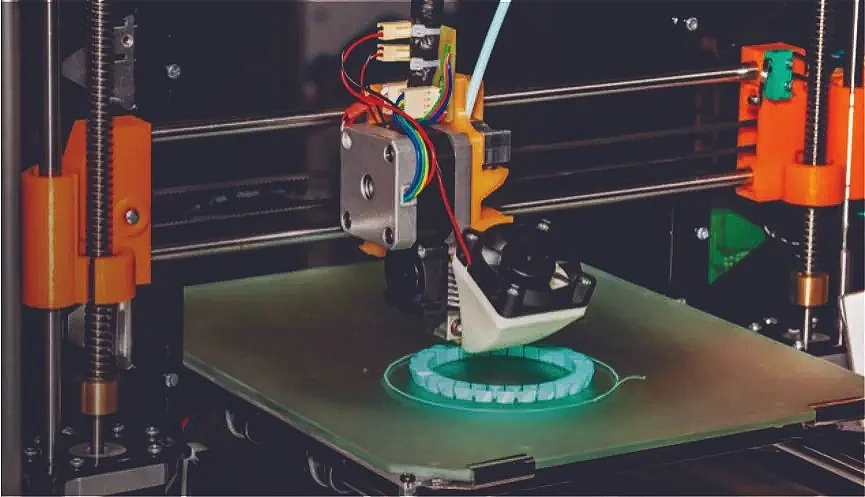
What Custom Plastic Fabrication Involves
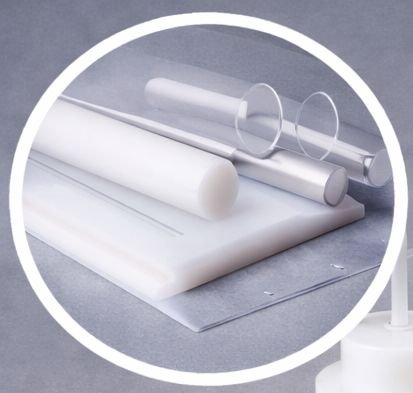
Plastic fabrication involves transforming raw materials such as plastic sheet, rod, or thermoplastic panels into engineered components using specialised techniques.
Typical fabrication processes include:
CNC machining and milling for precision parts
Laser cutting for detailed component profiles
Plastic welding for tanks and structural assemblies
Bending and forming of plastic sheets
Mechanical assembly of fabricated parts
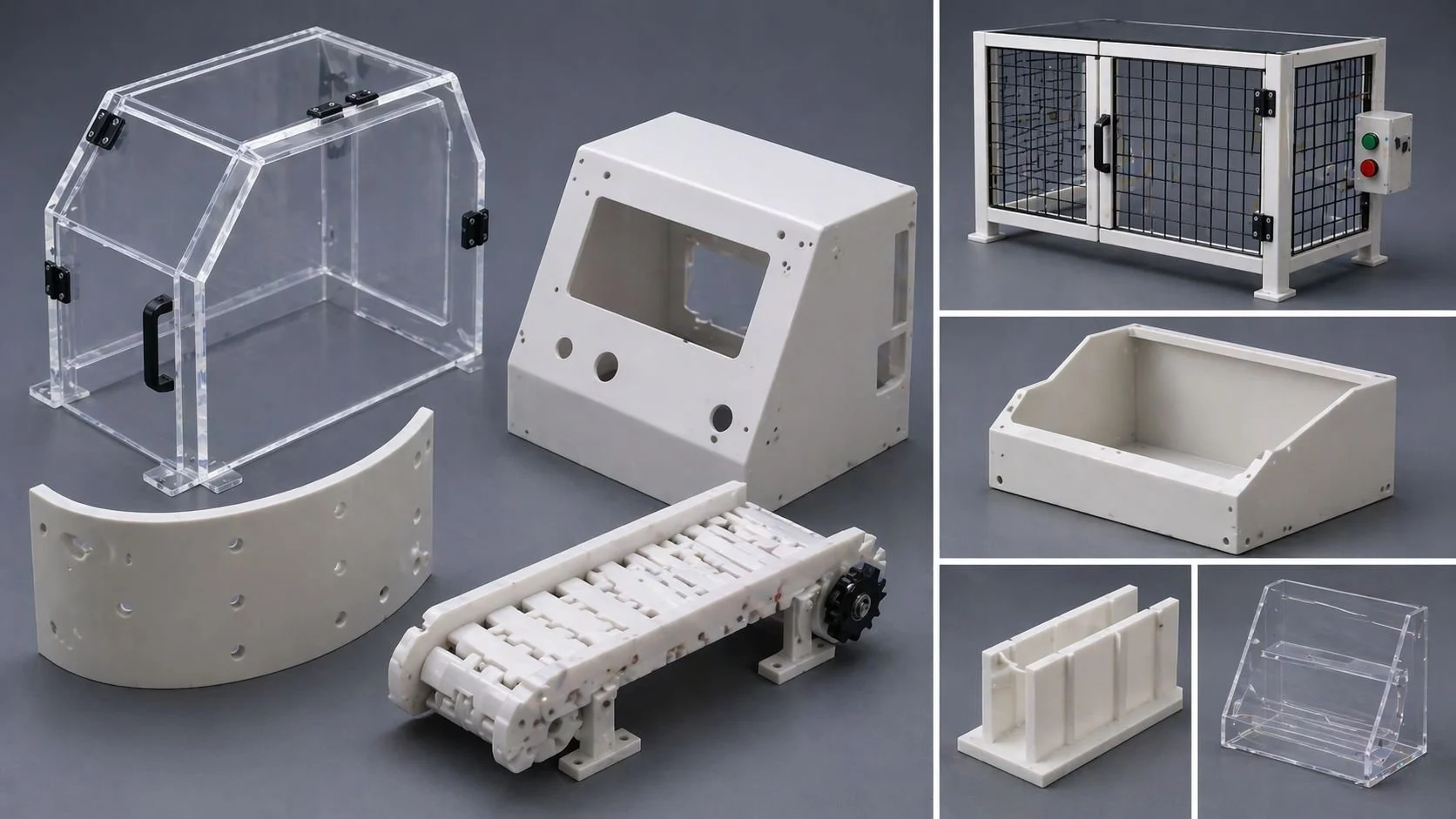
These techniques allow manufacturers to produce everything from structural liners and tanks to machine guards, marine components, and industrial equipment housings.
Many fabricated products also work alongside injection moulded parts, creating hybrid systems that combine fabrication and moulding technologies.

Why Businesses Choose Custom Plastic Components
Companies across multiple industries choose custom plastic components because they deliver performance advantages that traditional materials often cannot match.
Some of the main reasons businesses choose plastic fabrication include:
Corrosion resistance
Plastic materials do not rust or corrode like metal when exposed to water, chemicals, or harsh environments.Lightweight structural strength
Plastic components can provide strong structural performance at a lower weight than steel or aluminium.Design flexibility
Custom fabrication allows parts to be designed around the exact needs of the application.Cost efficiency over time
Long lasting plastic components often reduce maintenance and replacement costs.
These advantages explain why plastics continue to replace traditional materials in many industrial systems.

The Growing Role of Plastics in Industrial Manufacturing
Plastic materials have become a critical part of modern industrial manufacturing. Advances in engineering polymers have allowed plastics to perform in environments that once relied exclusively on metal components.
From marine infrastructure to mining equipment, fabricated plastic parts are now common in systems where durability, chemical resistance, and weight reduction are essential.
The Evolution of Plastic in Modern Industry
Over the past two decades, improvements in thermoplastic materials and manufacturing techniques have dramatically expanded the capabilities of plastics.
Engineering plastics such as HDPE, polypropylene, polycarbonate, and PVC now deliver high strength, impact resistance, and long service life in demanding environments.
Combined with CNC machining, laser cutting, and precision fabrication, these materials allow engineers to design components that were previously difficult or expensive to manufacture.
Industries are discovering that engineered plastic solutions often improve performance while reducing overall system weight and maintenance requirements.
Key Benefits of Custom Plastic Fabrication
Custom fabrication provides several advantages that drive adoption across industrial sectors.
Lightweight Strength for Industrial Applications
Plastic components provide an excellent strength to weight ratio. Compared with metal alternatives, many plastic materials can reduce component weight significantly while maintaining structural performance.
Weight reduction can deliver several operational benefits:
| Benefit | Impact |
|---|---|
| Reduced energy use | Lighter equipment requires less power to operate |
| Easier installation | Fabricated parts are easier to handle and install |
| Lower transport costs | Lightweight products reduce logistics expenses |
These advantages are particularly valuable in transportation, automation systems, and mobile equipment.
Resistance to Chemicals and Harsh Environments
Many plastic materials provide strong resistance to chemicals, water exposure, and environmental conditions that would degrade metal components.
Industries such as mining, chemical processing, marine engineering, and water treatment frequently rely on plastic tanks, liners, and pipe systems because they can withstand corrosive environments.
Thermoplastic materials like PVC and polypropylene are widely used in systems where chemical exposure is common.
Design Flexibility for Complex Components
Fabrication allows engineers to create complex shapes that would be difficult or expensive to produce using traditional manufacturing methods.
Components can be designed with integrated features such as channels, mounting points, and reinforcement structures. This flexibility allows parts to be optimised for performance rather than constrained by manufacturing limitations.
Efficient Production and Rapid Turnaround
Modern CNC fabrication and digital manufacturing processes allow many plastic components to move from design to production quickly.
This rapid turnaround is particularly valuable for businesses developing new products or equipment upgrades. Fast production cycles allow prototypes to be tested and refined before committing to larger manufacturing runs.
Custom Plastic Fabrication Services
Fabrication services cover a wide range of specialised manufacturing capabilities designed to meet industrial and commercial requirements.
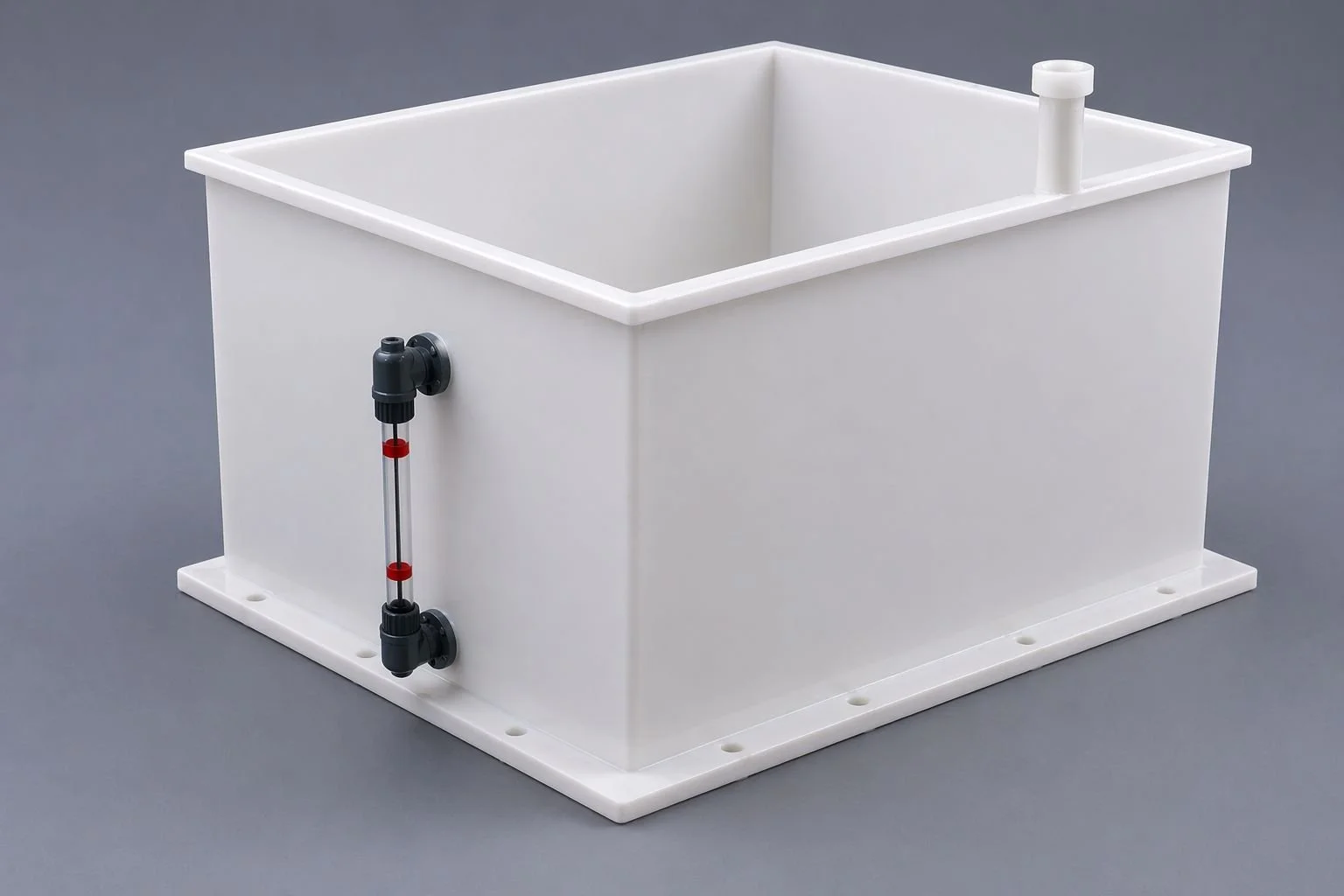
Custom Tank Fabrication
Plastic tanks are commonly fabricated for chemical storage, water treatment systems, and industrial processing facilities.
These tanks are typically manufactured using thermoplastic sheets that are cut, bent, and welded into structural assemblies. Materials such as polypropylene and HDPE provide strong chemical resistance and durability.
Custom tanks can be designed in various sizes and configurations depending on storage requirements.
Plastic Pipework and Fluid Handling Systems
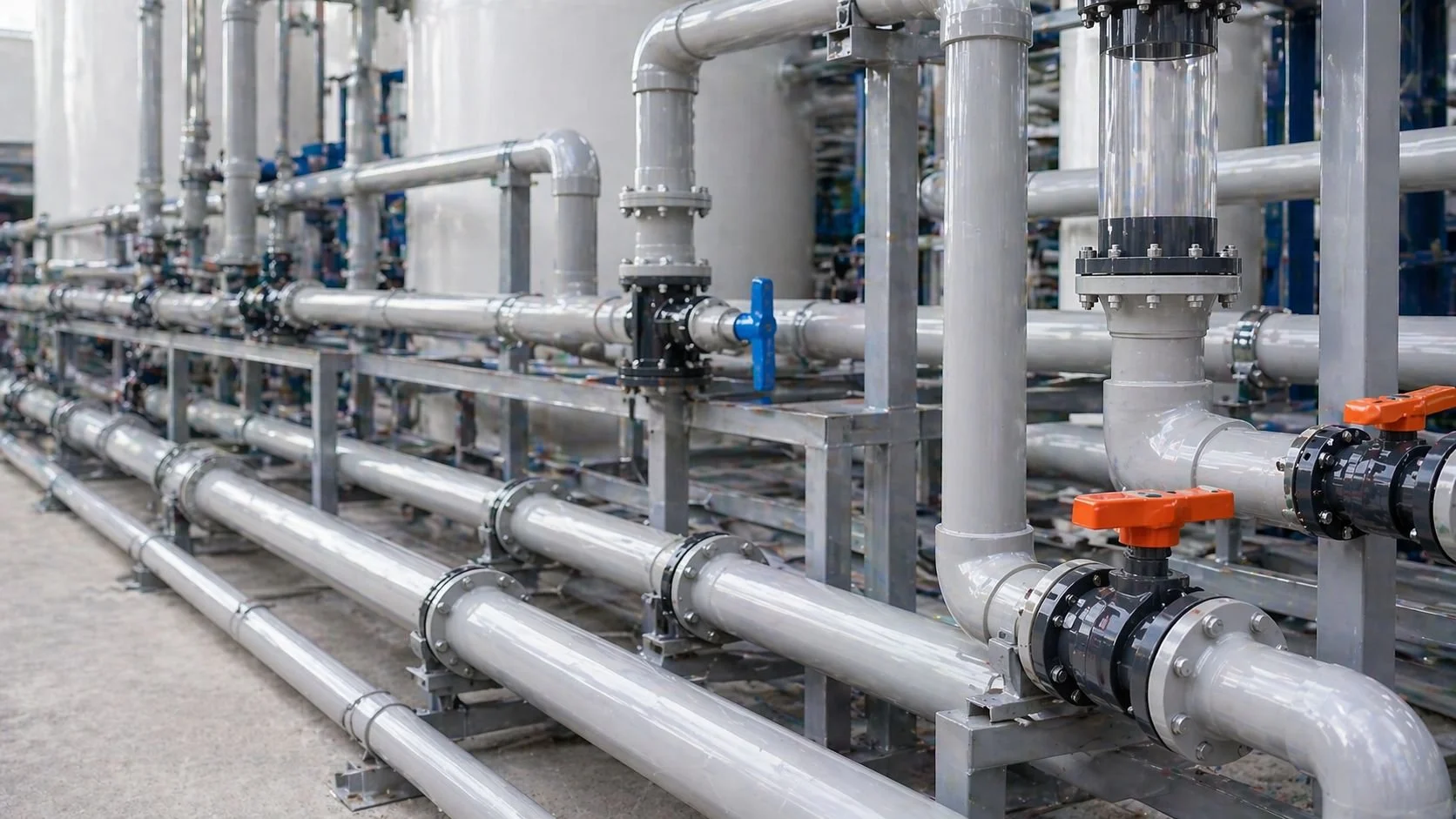
Plastic pipe systems play a major role in fluid transport across industrial plants.
Fabricated pipework is widely used in industries such as:
Chemical processing
Water treatment
Mining operations
Gas and fluid transport systems
Plastic pipe systems provide corrosion resistance and long term reliability compared with metal pipe alternatives.
Industrial and Commercial Plastic Components
Custom fabricated components are used across a wide range of manufacturing environments.
Typical fabricated products include:
Machine guards
Equipment housings
Structural liners
Conveyor components
Display and retail fixtures
These parts are often produced using CNC machining, laser cutting, and plastic welding techniques to achieve the required precision.
Applications of Custom Plastic Components Across Industries
Fabricated plastic components appear across many industries where durability, corrosion resistance, and lightweight performance are required.
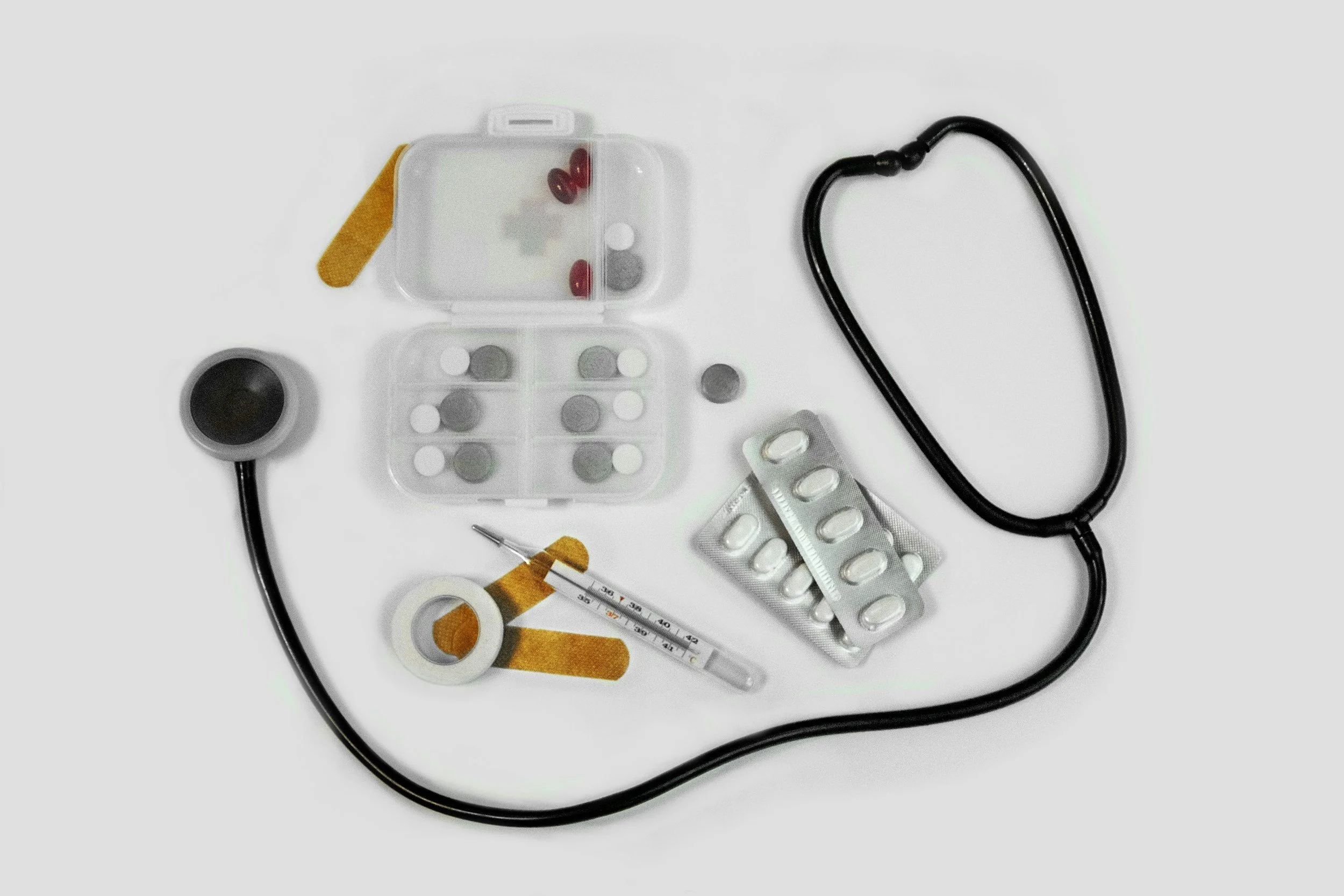
Food Processing and Pharmaceutical Manufacturing
Food and pharmaceutical facilities require equipment that can maintain hygienic standards while resisting chemical cleaning agents.
Plastic components provide smooth surfaces that are easier to clean and resistant to corrosion. Materials such as polypropylene and polycarbonate are commonly used in processing equipment and packaging systems.

Aerospace and Transportation
Transportation systems benefit from lightweight plastic components that reduce overall vehicle weight.
Plastic parts are used in automotive interiors, aerospace structures, and vehicle components where strength and weight reduction are both important.
Automation and Robotics
Modern automation systems rely on lightweight components that move quickly and operate reliably.
Fabricated plastic parts are commonly used in conveyor systems, robotics equipment, and automated packaging machinery.
Selecting the Right Plastic Material
Choosing the correct plastic material is one of the most important steps in any fabrication project.
Material selection affects durability, structural strength, chemical resistance, and long term performance.
Engineering Plastics for Industrial Applications
Several engineering plastics are commonly used in fabrication projects.
Examples include:
HDPE for chemical resistance and durability
Polypropylene for chemical handling and tanks
Polycarbonate for impact resistant transparent components
PVC for pipework and structural panels
Acrylic for display and retail applications
Each material offers different performance characteristics depending on the operating environment.
Material Performance and Durability
The expected service life of a component depends on how well the selected material matches the conditions it will face.
Engineers typically evaluate several factors when selecting a plastic material:
Operating temperature range
Chemical exposure levels
Mechanical load requirements
UV exposure and weather conditions
Careful material selection ensures the component performs reliably over its intended lifespan.
Digital Technologies Transforming Plastic Fabrication
Technology has significantly improved the accuracy and efficiency of plastic fabrication.
Digital tools now allow engineers to simulate component performance before production begins.
CAD Design and Digital Engineering
Computer aided design software allows engineers to model complex plastic components and analyse structural behaviour before manufacturing begins.
Digital design tools allow teams to optimise component geometry, identify potential stress points, and improve manufacturability.
Precision Manufacturing Processes
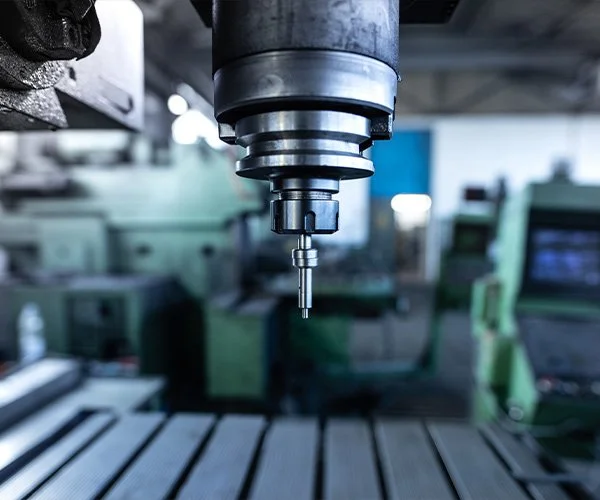
Advanced fabrication equipment now enables extremely accurate machining and cutting operations.
Modern fabrication facilities often include:
CNC milling machines
Laser cutting systems
Automated fabrication equipment
Precision welding systems
These technologies ensure consistent quality across production runs.

Sustainable Plastic Fabrication Solutions
Sustainability has become an increasingly important consideration in modern manufacturing.
Plastic fabrication can support sustainability goals when materials are selected carefully and products are designed for long service life.
Durable Materials With Long Service Life
Long lasting plastic components reduce waste by extending the operational life of equipment and infrastructure.
In many cases plastic liners, tanks, and structural components last significantly longer than metal alternatives in corrosive environments.
Recyclable Plastic Materials
Many thermoplastic materials can be recycled and reused in future manufacturing processes.
Recycling programs and circular manufacturing initiatives are helping industries reduce waste and improve sustainability outcomes.
Why Work With an Experienced Plastic Fabricator
Working with an experienced fabrication partner helps ensure that projects are delivered efficiently and perform as expected.
Engineering Expertise and Industry Knowledge
Experienced fabricators understand how different plastic materials behave in various industrial conditions.
This expertise helps engineers choose the right materials and fabrication techniques for each project.
Reliable Manufacturing and Quality Assurance
Quality control systems ensure fabricated components meet required standards and performance expectations.
Consistent production processes also improve reliability and repeatability across manufacturing runs.

Collaborative Project Development
Successful fabrication projects often involve close collaboration between the client and the manufacturing team.
At B&C Plastics, projects typically follow a simple development path:
Step 1
Design consultation and material selection.
Step 2
Prototyping and fabrication testing.
Step 3
Full production and supply.
This approach ensures components meet technical requirements before large scale production begins.

The Future of Custom Plastic Components
The future of plastic fabrication is being shaped by new materials, advanced manufacturing technologies, and sustainability initiatives.
Smart Materials and Advanced Plastics
Researchers are developing advanced polymers that offer improved strength, chemical resistance, and environmental performance.
Smart materials capable of integrating sensors and electronic components are also emerging in industrial applications.
These developments will continue expanding the role of plastics in engineering and manufacturing.

Start Your Custom Plastic Fabrication Project
Custom plastic fabrication allows businesses to create engineered components that match their exact operational requirements. From tanks and pipework to machine components and structural liners, fabricated plastic parts support industries ranging from mining and water treatment to food processing and automation systems.
At B&C Plastics, our team combines industrial design, CNC machining, injection moulding, and fabrication expertise to support projects from concept through to production.
Request a Quote for Custom Plastic Components
If you have a project requiring fabricated plastic components, our team can review your specifications and provide a detailed quote based on your material and manufacturing requirements.
Speak With Our Plastic Fabrication Specialists
If you would like technical guidance or want to discuss your next project, contact the B&C Plastics team today. Our specialists can help you evaluate materials, design options, and manufacturing approaches to ensure your components perform reliably in real world applications.