
Environmental / Geosynthetic Applications


Geosynthetic Components That Meet Infrastructure Loads And Circular Targets Simultaneously
Injection moulded geogrids, geocells, and drainage systems with 80% recycled content, geotechnical validation, and geopolymer tooling research - engineered by Australia's Triple ISO certified infrastructure plastics specialist.
80% recycled PP/PE maintaining structural performance - UV-resistant infrastructure components with documented tensile and impact testing for soil reinforcement applications
Geopolymer composite tooling development - Ash-based inserts with lower carbon footprint enabling rapid prototyping before steel tooling commitment
Transportation geotechnics experience - Validated components for road reinforcement, railway drainage, and erosion control meeting civil engineering specifications
Complete infrastructure capability - Geotechnical design, precision tooling, injection moulding, and technical documentation under one Australian manufacturer
Share your application, load requirements, or circular targets. We'll validate feasibility and determine partnership fit.


Combining full ISO certification with DISP accreditation, B&C Plastics provides high-quality, secure, and traceable plastic injection moulded components engineered for reliability and performance.
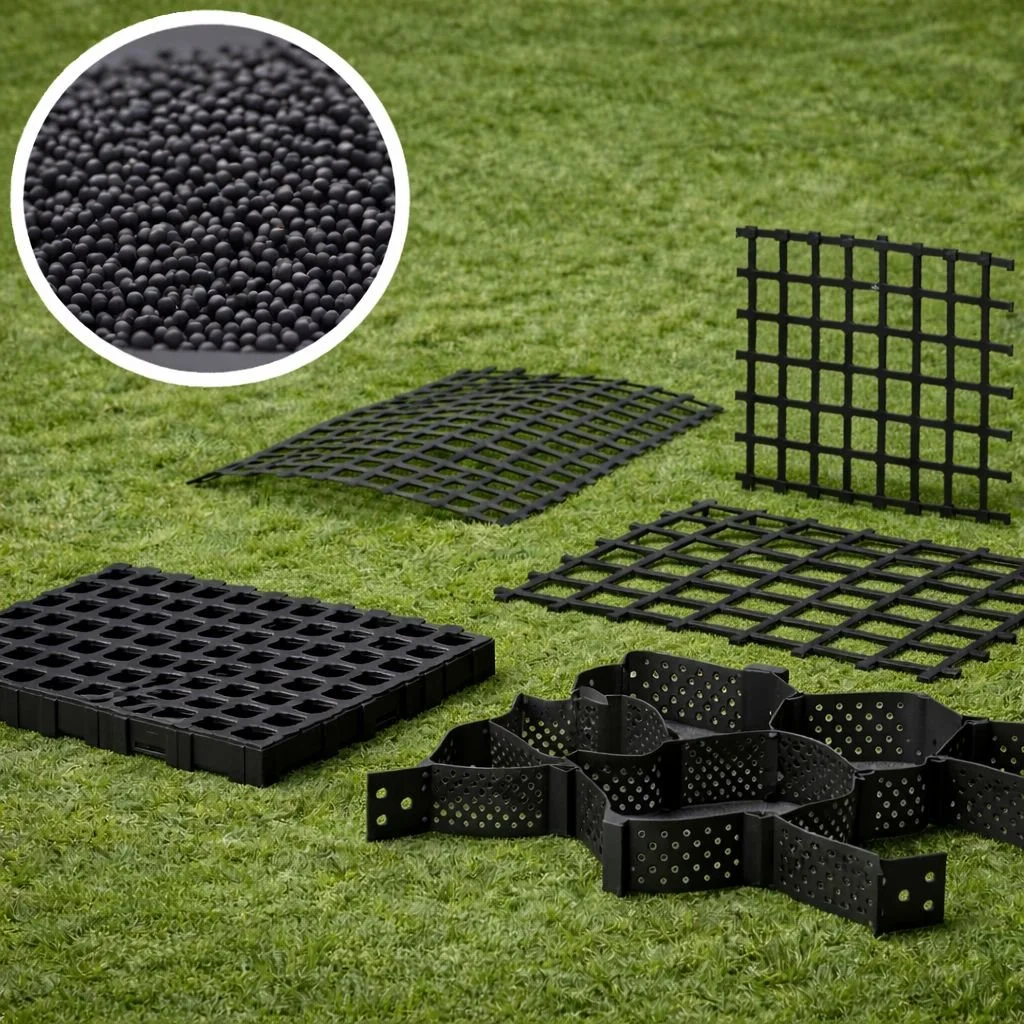
Environmental / Geosynthetic Applications in Injection Moulding and Infrastructure Engineering
Environmental and geosynthetic applications in injection moulding involve using advanced materials, recycled polymers, and engineered composites to produce durable plastic components that support modern infrastructure, reduce waste, and improve environmental performance. For organisations searching for an engineering-led plastics manufacturing partner instead of a basic moulder, this topic sits right at the centre of the conversation.
Across Australia, infrastructure projects now rely heavily on geosynthetics such as geogrids, geotextile systems, geocells, and geomembranes, many of which are produced or supported by injection moulded components. These systems are used to stabilise soil, control erosion, manage water drainage, and reinforce foundations in construction, transport, and mining environments. When designed correctly, injection moulded plastic parts can deliver exceptional mechanical performance while supporting circular manufacturing and reduced carbon footprint targets.
At B&C Plastics, the focus is not simply on producing moulded parts. The goal is engineering-led product development, where design, tooling, material selection, and production are aligned from the beginning to deliver high-performance solutions for infrastructure and environmental applications.
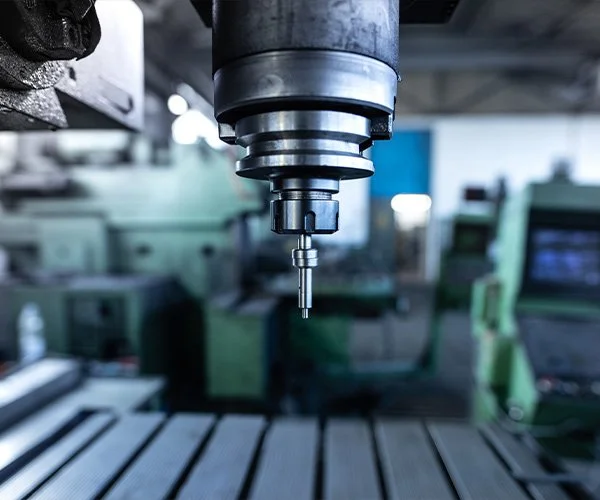
Sustainable Materials Transforming Injection Moulding
Injection moulding has changed significantly over the past decade as new materials, sustainable manufacturing strategies, and advanced composites reshape how industrial products are made. Manufacturers are moving beyond traditional virgin plastic toward recycled polymers, composite fillers, and geopolymer materials that deliver strong mechanical properties with a lower environmental footprint.
In geotechnics and infrastructure applications, these material innovations help create high-quality components used in geosynthetics, drainage systems, erosion control structures, and reinforced soil solutions.
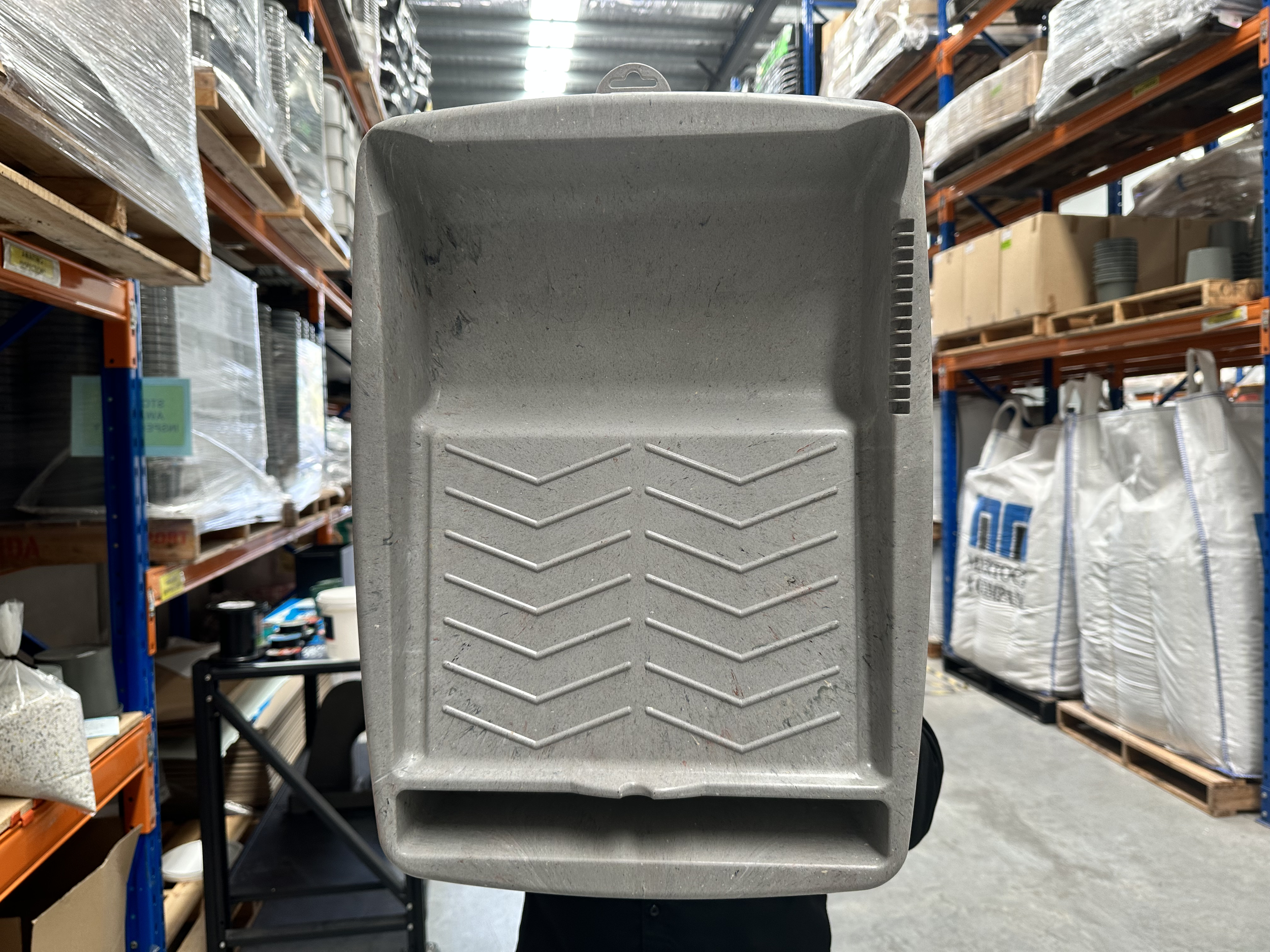
The Shift Toward Sustainable Manufacturing Materials
Manufacturers are increasingly exploring recycled and sustainable materials to reduce environmental impact while maintaining product performance.
Common material categories now used in injection moulding include:
| Material Type | Typical Use | Environmental Benefit |
|---|---|---|
| Recycled polypropylene | Infrastructure components | Reduces virgin plastic consumption |
| Composite polymer fillers | Structural reinforcement | Improves mechanical properties |
| Geopolymer-based materials | Tooling and inserts | Lower carbon footprint |
| Hybrid composite systems | Geosynthetic components | Increased durability |
Recycled plastic materials can be processed through injection moulding to produce geogrids, geotextile connectors, filter housings, drainage fittings, and infrastructure components. Studies in transportation geotechnics show that recycled polymers such as polypropylene and polyethylene maintain strong structural performance in infrastructure applications when properly engineered.
Using recycled plastic materials helps reduce landfill waste while supporting circular manufacturing models.
The Role of Advanced Composites in Modern Tooling
Advanced composite tooling has become increasingly important for manufacturing complex moulded products.
Composite mould inserts made from epoxy, metal powder fillers, and geopolymer binders provide a cost-effective alternative to traditional metal tooling in rapid production environments. These materials can withstand thermal cycles during injection moulding while maintaining dimensional stability.
Composite inserts often contain:
Epoxy resin base structures
Metal particle fillers to improve thermal conductivity
Ash-based geopolymer reinforcement materials
This combination allows manufacturers to produce high-precision mould inserts faster while maintaining structural strength.

Understanding the Injection Moulding Process
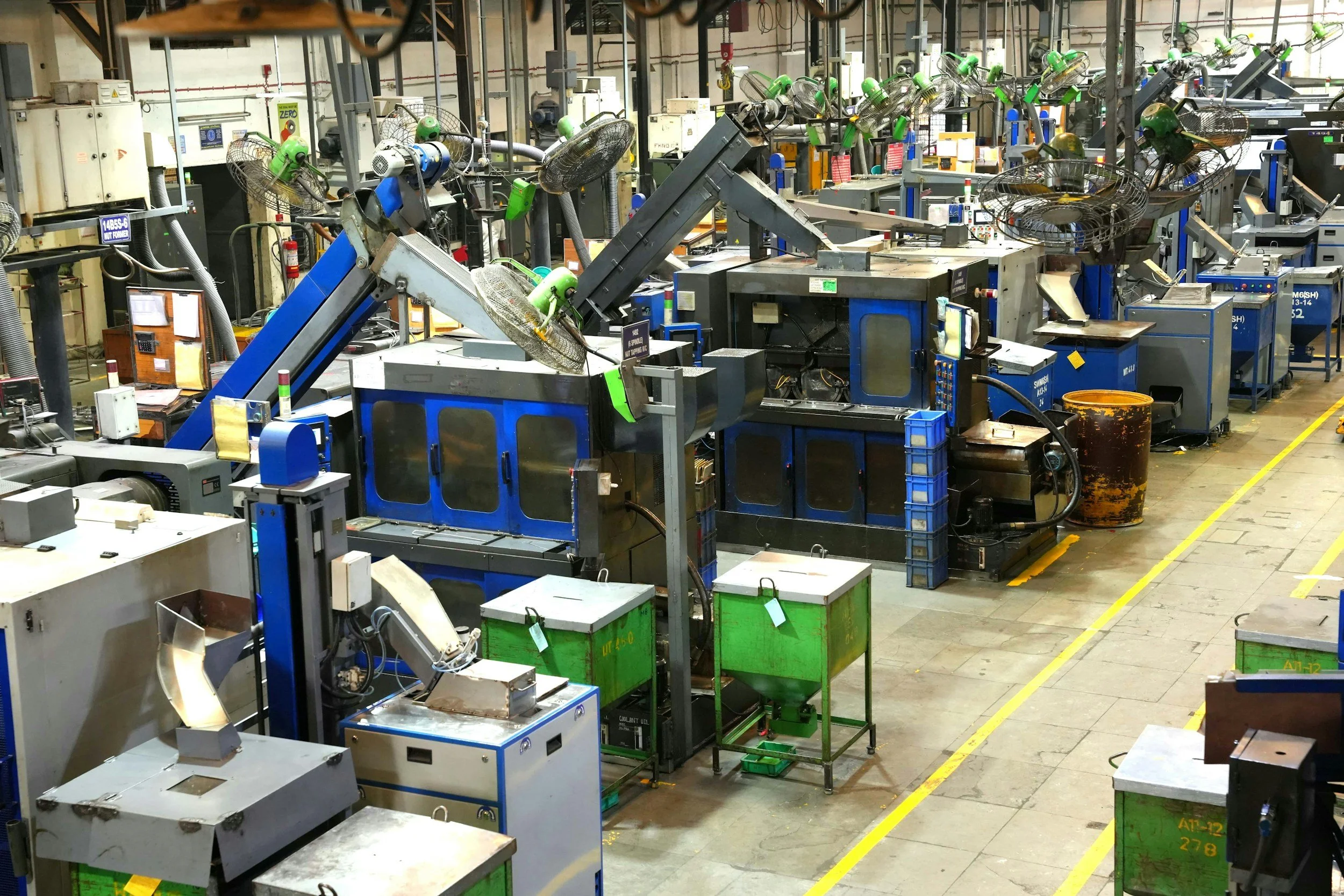
Injection moulding is one of the most widely used manufacturing processes for producing plastic components in high volumes. The process works by melting a plastic material and injecting it into a precision mould where it cools and solidifies into the final product shape.
The process is particularly well suited to producing complex engineering components used in geosynthetics, infrastructure systems, industrial equipment, and environmental applications.
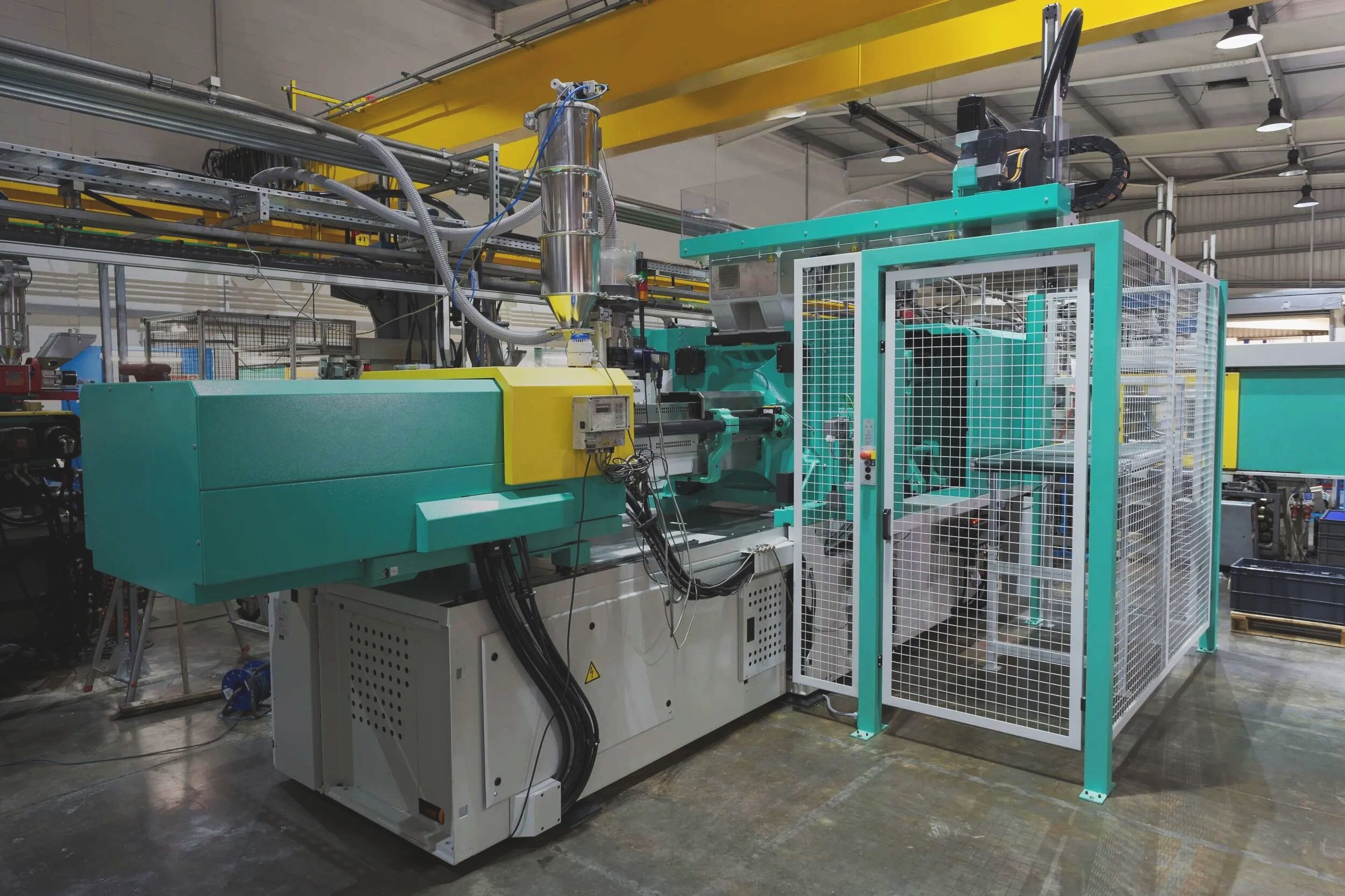
Key Stages in the Injection Moulding Cycle
The injection moulding cycle typically includes four main stages:
Melting Plastic pellets are heated until they reach a molten state.
Injection The molten material is injected into a mould cavity at controlled pressure.
Cooling The material cools and solidifies inside the mould.
Part Ejection The finished product is released from the mould.
This cycle can be repeated thousands or millions of times depending on production volume.
Processing Parameters That Influence Product Quality
Several parameters influence the quality of moulded components.
Key factors include:
Melt temperature
Injection pressure
Cooling time
Packing pressure
Mould temperature
Each variable influences how the plastic material flows inside the mould cavity and how the finished product performs in real-world applications.
Meet the Team
-
Critical Processing Parameters in Injection Moulding
Manufacturers monitor specific processing parameters to ensure consistent product quality and mechanical performance.
-
Melt Temperature and Material Flow
Melt temperature plays a major role in determining how plastic flows during injection moulding. If the temperature is too low, the material may not fill the mould completely. If the temperature is too high, the polymer structure can degrade.
Proper temperature control ensures optimal viscosity and material flow during the moulding process.
-

Cooling Time and Production Efficiency
Cooling time affects both production efficiency and product quality. If a moulded part is removed too early, it may warp or lose dimensional stability.
Engineers carefully balance cooling time with production cycle speed to achieve high-volume manufacturing without sacrificing quality.
-
Packing Pressure and Packing Time
Packing pressure ensures the mould cavity is completely filled and compensates for material shrinkage during cooling. Correct packing pressure improves structural integrity and surface quality.
-
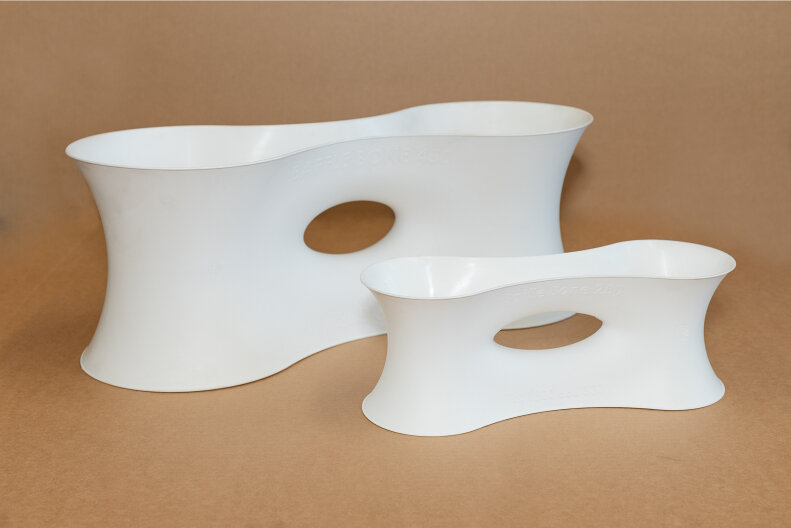
Mould Temperature Control
Mould temperature influences surface finish, internal stress levels, and dimensional accuracy. In many infrastructure applications, maintaining consistent mould temperature is essential to achieving strong mechanical properties.

Tooling Materials Used in Injection Moulding
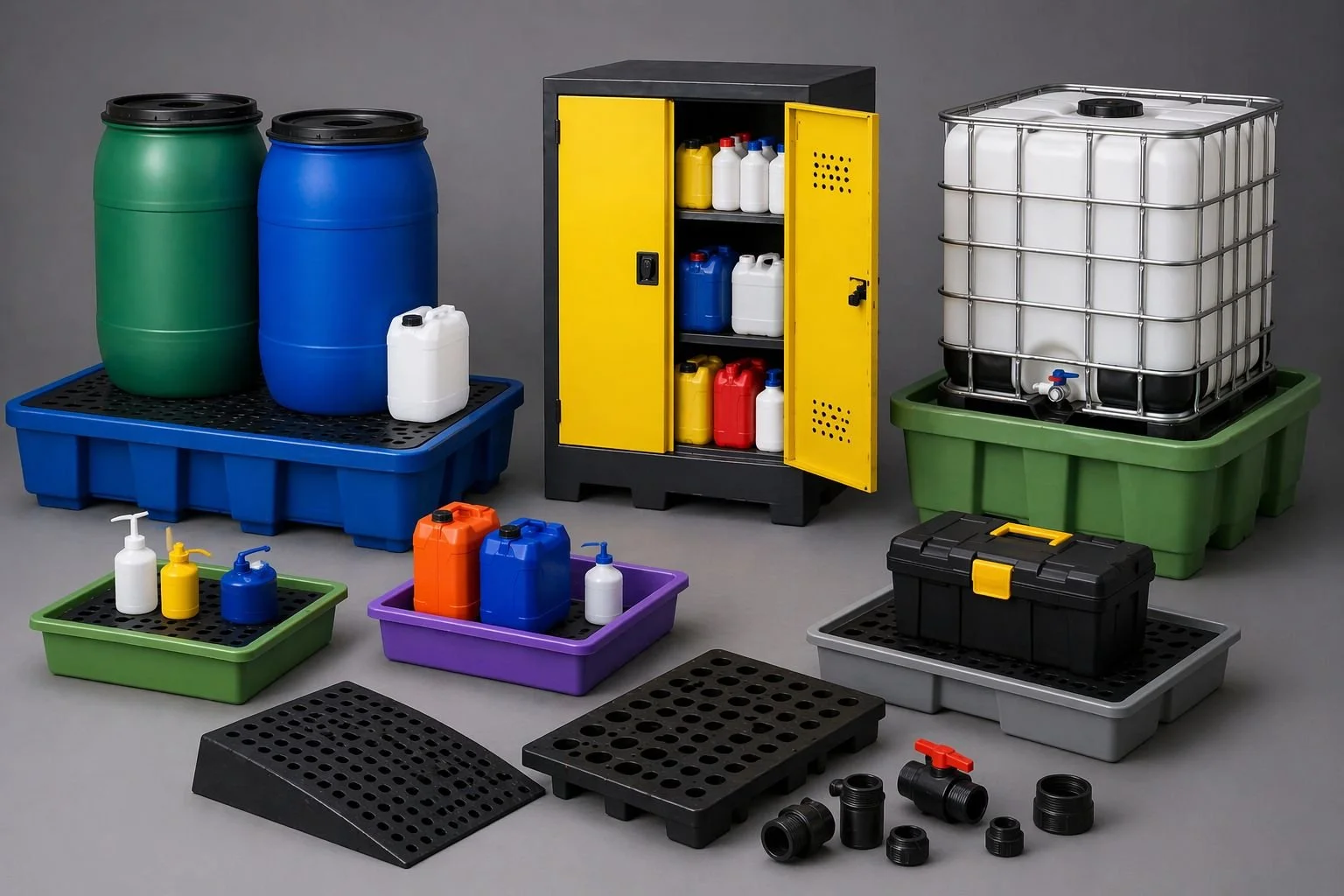
Tooling plays a critical role in the injection moulding process. The material used to create mould bases and inserts directly affects tool life, thermal behaviour, and production efficiency.
Selecting the Right Mould Base Material
Traditional mould bases are often made from hardened metal such as steel or aluminium. These materials provide durability and thermal stability during repeated injection cycles.
Key considerations when selecting mould base materials include:
Thermal conductivity
Mechanical strength
Wear resistance
Cost of machining
Mould Insert Materials for High Precision Tooling
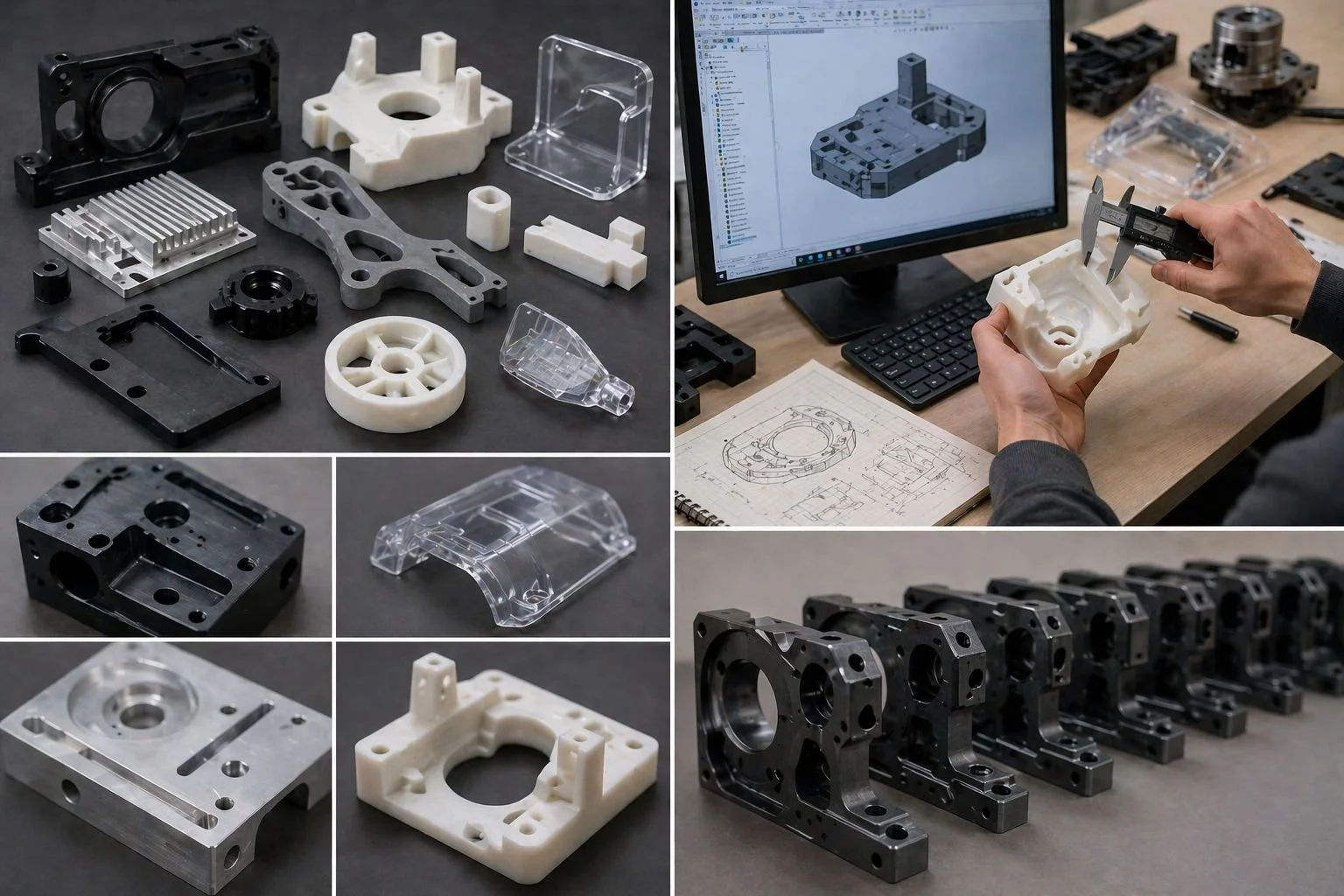
Inserts are the components inside a mould that define the detailed geometry of the finished part.
Common materials used for mould inserts include:
Tool steel
Aluminium alloys
Epoxy composite inserts
Geopolymer composite inserts
Composite inserts containing epoxy resin, metal powder filler, sodium silicate, and fly ash reinforcement can deliver excellent thermal stability while reducing tooling cost.
Rapid Tooling Solutions for Faster Product Development
Rapid tooling technologies help manufacturers accelerate product development by producing mould inserts quickly and at lower cost.
Rapid Tooling Inserts for Prototype Production
Rapid tooling often uses composite inserts produced through additive manufacturing or casting methods. These inserts are typically made from epoxy composites reinforced with metal particles or ash-based geopolymer materials.
Rapid tooling is particularly useful for:
Prototype testing
Design validation
Low-volume production runs
Benefits of Rapid Tooling in Product Development
Rapid tooling offers several advantages:
Shorter development time
Lower tooling cost
Faster product testing cycles
These advantages allow engineers to evaluate product designs before committing to full-scale production tooling.

Sustainable Materials in Plastic Manufacturing
Sustainable material innovation is driving major changes across the plastics industry. Manufacturers are exploring recycled materials, composite fillers, and geopolymer technologies to reduce environmental impact.
Recycled Plastic Materials in Injection Moulding
Recycled polymers are increasingly used to produce durable injection moulded components.
Examples include:
Polypropylene recycled plastic components
Recycled polyethylene drainage fittings
Reinforced plastic infrastructure parts
These materials can maintain strong mechanical properties while reducing reliance on virgin plastic resources.
Geopolymer and Composite Materials for Tooling
Geopolymer materials are emerging as an alternative to traditional metal tooling materials.
Geopolymer composites often contain:
Sodium hydroxide activators
Fly ash particles
Silicate binders
These materials form strong ceramic-like structures with excellent thermal stability.
Research studies in geotechnics and manufacturing show that geopolymer composites can deliver high compressive strength and reduced carbon emissions compared with conventional cement or metal systems.
Applications of Injection Moulding in Infrastructure and Engineering
Injection moulded plastic components play a critical role in infrastructure systems and engineering projects.
Transportation and Civil Infrastructure
Plastic components are widely used in transportation infrastructure including:
Road reinforcement systems
Railway drainage systems
Bridge deck drainage channels
Many geosynthetic solutions rely on injection moulded connectors and structural components.
Industrial and Manufacturing Applications
Injection moulded parts are also used across industrial systems including:
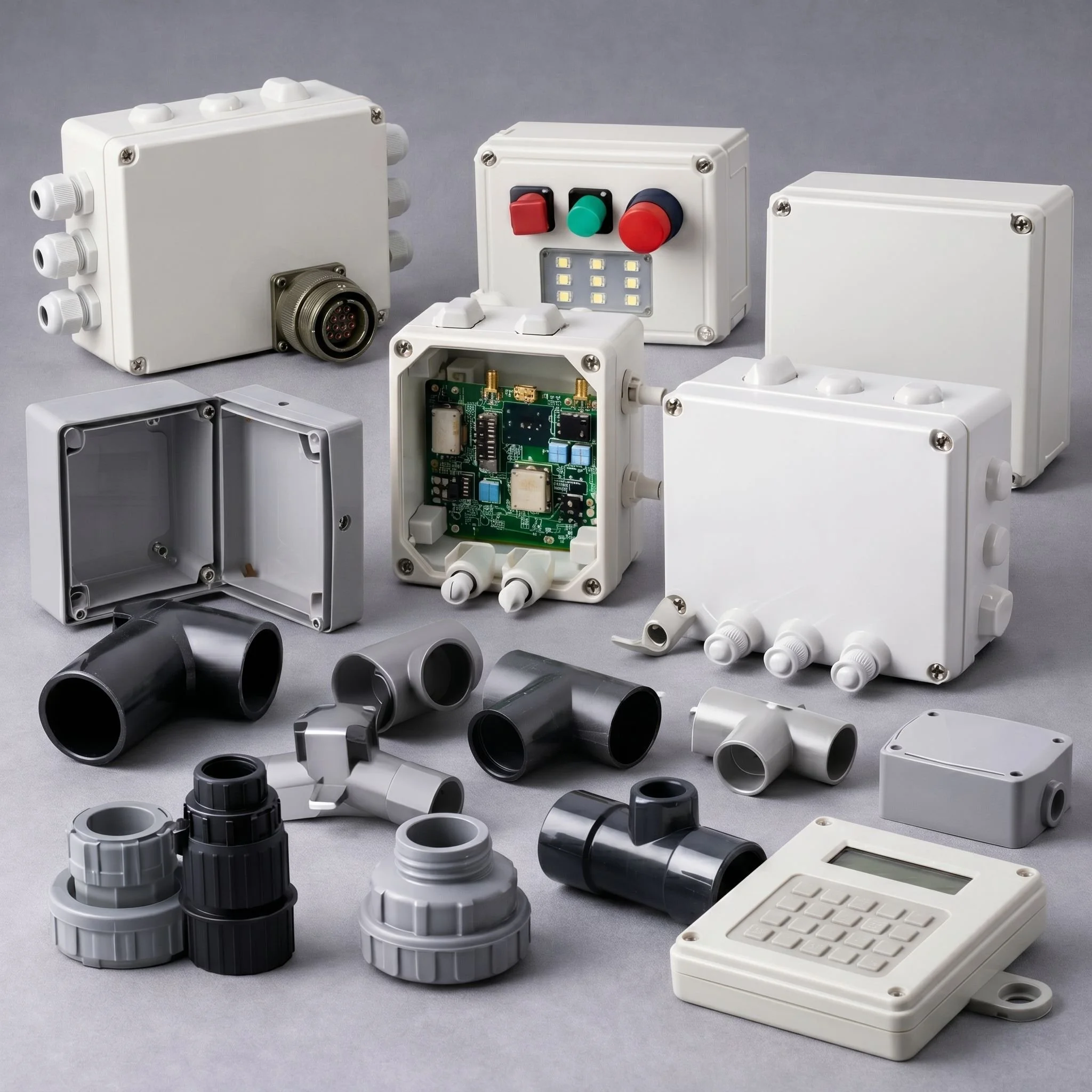
Pump housings
Industrial filter components
Equipment enclosures
These components must withstand harsh environmental conditions while maintaining structural integrity.
Sustainable Construction and Engineering Projects
Sustainable infrastructure projects often use geosynthetics such as geogrids, geocells, and geotextiles to stabilise soil and prevent erosion.
Geosynthetics improve infrastructure performance by:
Reinforcing weak soil structures
Improving drainage systems
Preventing erosion in construction sites

Integrating Advanced Manufacturing Technologies
Modern manufacturing technologies support improved injection moulding performance and product design.
Digital Design and Modelling Tools
Advanced engineering software allows manufacturers to simulate material flow, cooling behaviour, and structural stress before tooling begins.
These digital models help optimise mould design and reduce production errors.
Combining 3D Printing and Injection Moulding
Additive manufacturing technologies are increasingly used to produce prototype mould inserts and tooling components.
This hybrid approach allows engineers to test new product designs rapidly before scaling up to full production.

Quality Control and Material Testing in Injection Moulding
Maintaining product quality requires strict testing and monitoring throughout the manufacturing process.
Mechanical and Structural Testing
Manufacturers perform mechanical tests to evaluate:
Tensile strength
Impact resistance
Thermal stability
These tests confirm that injection moulded components meet engineering requirements.
Monitoring Manufacturing Parameters
Automated monitoring systems track key parameters such as temperature, pressure, and cycle time to maintain consistent product quality.
Future Innovations in Injection Moulding Materials
The future of injection moulding is closely linked to sustainable materials and circular manufacturing strategies.
Advanced Composite Materials
Researchers are developing new composite materials that combine recycled polymers with mineral fillers and advanced fibres. These materials can improve strength while reducing environmental impact.
Circular Manufacturing and Material Reuse
Circular manufacturing focuses on reducing waste and reusing materials throughout the production cycle.
Many infrastructure products are now designed with recycling in mind, allowing plastic components to be reused or repurposed at the end of their service life.
How Engineering-Led Manufacturing Supports Environmental Infrastructure
For organisations designing infrastructure or environmental systems, choosing the right manufacturing partner matters. Engineering-led manufacturers can support projects from concept through production, helping optimise design, select materials, and develop tooling solutions.
A Simple 3-Step Development Process

Step 1: Engineering Design
Design and material selection tailored to infrastructure performance requirements.

Step 2: Tooling and Prototyping
Rapid tooling and prototype testing ensure product reliability.

Step 3: Production and Supply
Full-scale injection moulding production with quality monitoring and consistent supply.

Building Sustainable Infrastructure with Advanced Manufacturing
Environmental and geosynthetic applications continue to expand as infrastructure engineers look for materials that combine strength, sustainability, and long-term performance. Injection moulding plays a vital role in producing the components that support these systems.
For organisations developing infrastructure, industrial equipment, or geosynthetic systems, partnering with an engineering-led manufacturer can simplify the process from design to production.
If you are exploring sustainable plastic manufacturing or need help developing injection moulded components for environmental or infrastructure projects, contact the B&C Plastics team to discuss your project requirements or request a consultation.