
HDPE Plastic


HDPE Engineering Guide
High-density polyethylene with validated mechanical properties, chemical resistance data, and recycled content traceability - engineered for Australian manufacturers who need reliable specifications, not generic datasheets.
Engineering-led material selection process
Define operating environment, chemical exposure, load requirements, and UV conditions before specifying virgin or recycled HDPE gradesComplete HDPE manufacturing capability
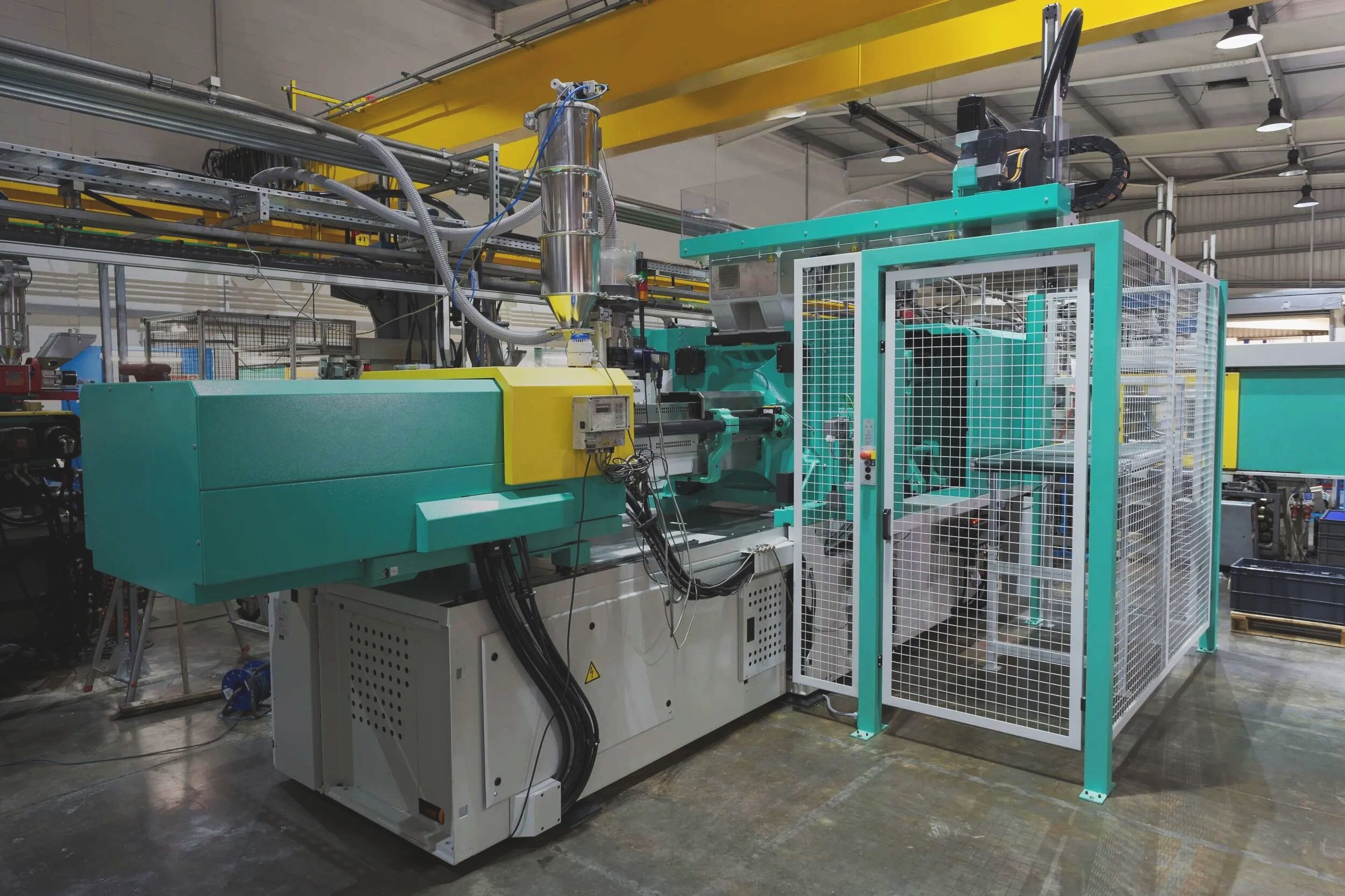
Injection moulding, CNC machining from sheet and rod stock, welding, and assembly under one Australian facilityFood-safe and UV-stabilised grades available
Certified materials for regulated applications with compliance documentation for procurement and quality assuranceTechnical comparison support across plastic materials
Evaluate HDPE against PVC, acrylic, polycarbonate, nylon, acetal, and UHMWPE based on your specific application requirements
Share your application environment, performance requirements, or sustainability targets. We'll recommend appropriate HDPE grades, validate suitability, and provide technical datasheets.


Combining full ISO certification with DISP accreditation, B&C Plastics provides high-quality, secure, and traceable plastic injection moulded components engineered for reliability and performance.
Material Selection For Performance, Not Just Price Per Kilogram
HDPE plastic, or high density polyethylene, is a strong, lightweight thermoplastic polymer widely used in manufacturing because it offers high impact resistance, chemical durability, and long service life across industrial and consumer applications.
HDPE can look simple on paper. In production, the difference between sheet stock and a well-engineered injection molding solution is significant.
At B&C Plastics in Australia, we work with procurement managers, engineering teams, and sustainability leads who need clarity. Not generic data. Real-world guidance grounded in engineering, compliance, and circular manufacturing experience.
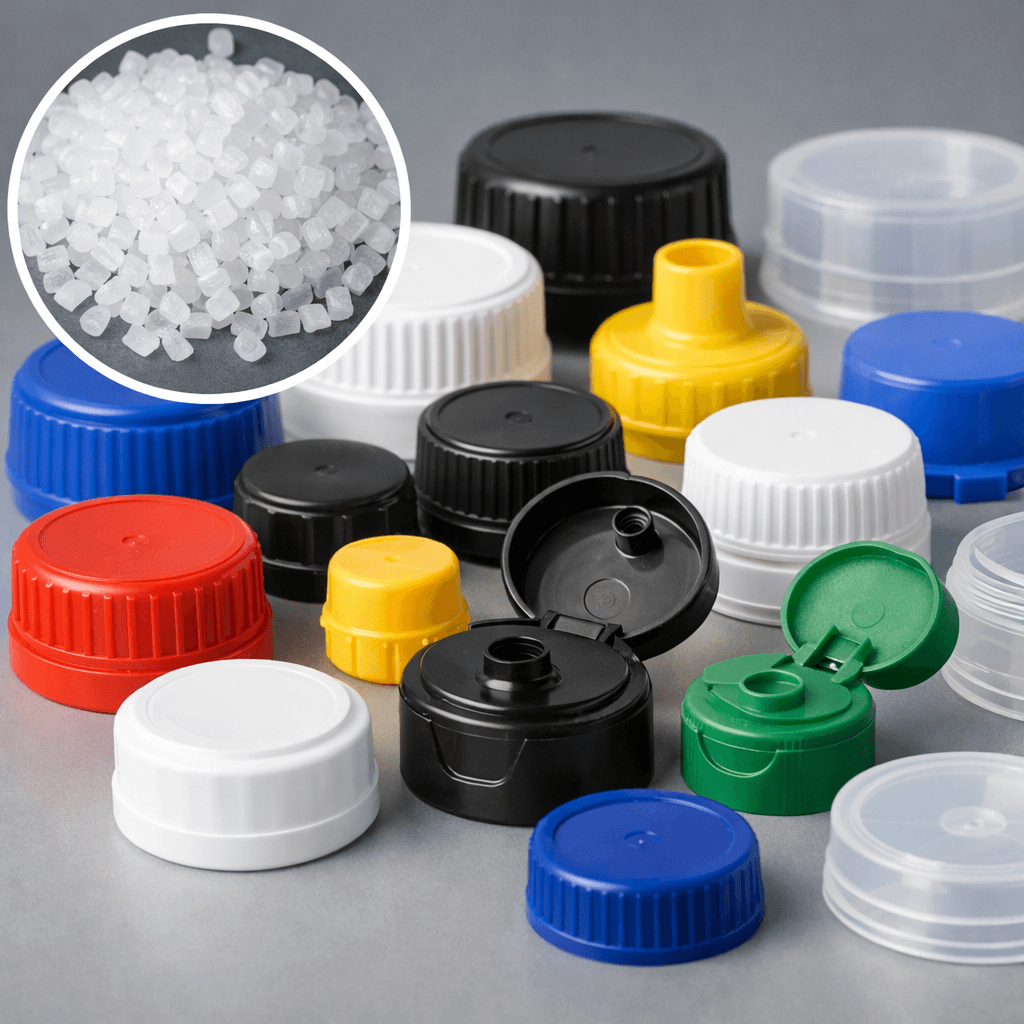
Key Characteristics of HDPE Plastic
HDPE is known for a high strength to density ratio. That means it delivers mechanical strength without unnecessary weight.
Core properties include:
High impact resistance in low temperature environments
Excellent chemical resistance to acids, bases, and cleaning agents
Low moisture absorption
Low coefficient of friction
Good weldable characteristics
Food-safe grades available
Density typically ranges from 0.93 to 0.97 g/cm³. While the density difference compared to LDPE is small, the molecular structure gives HDPE higher tensile strength and better rigidity.
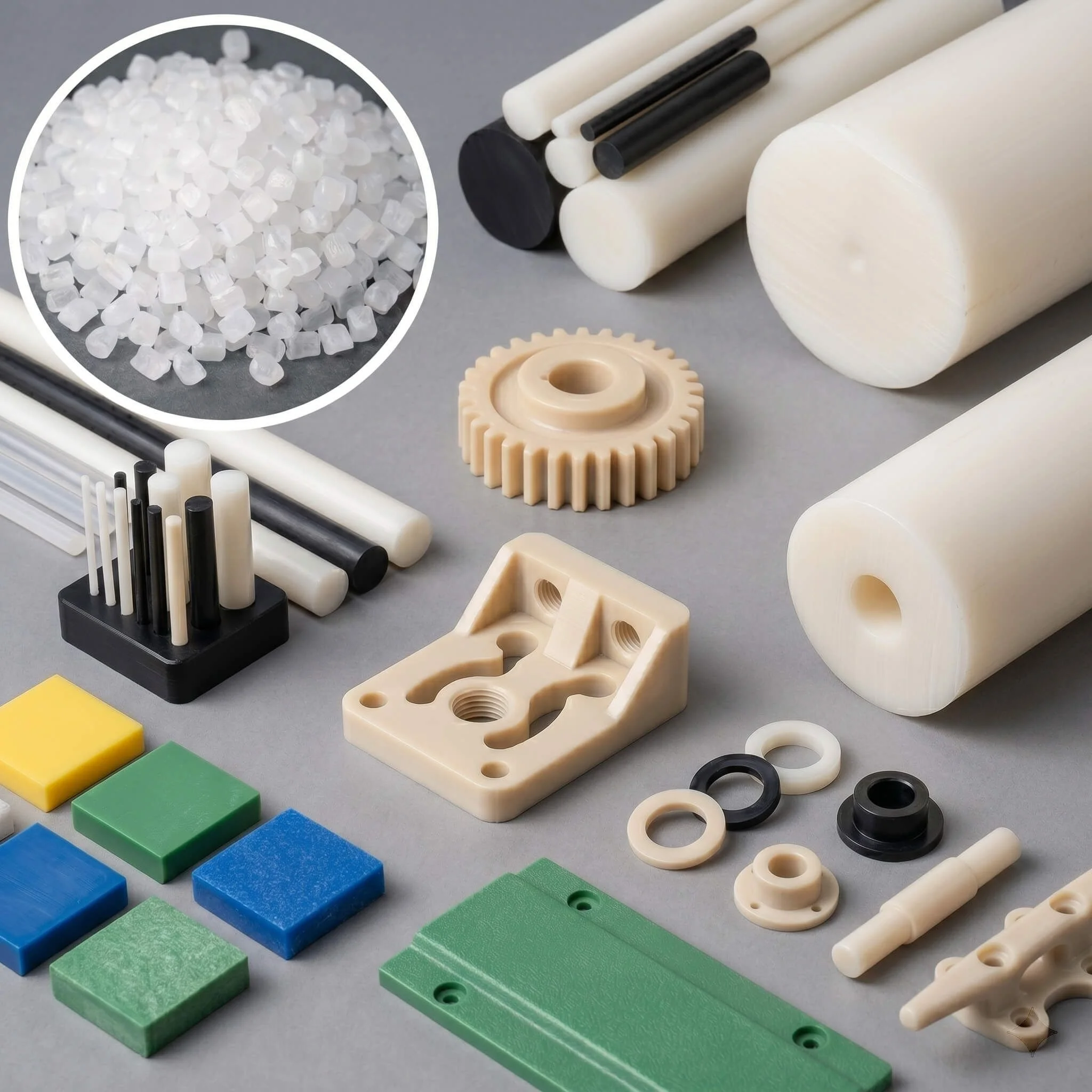
Why HDPE Is Popular in Plastic Manufacturing
Manufacturers select HDPE because it balances performance and price. Compared to polycarbonate or acrylic, it is less brittle and more chemical resistant. Compared to PVC, it does not rely on plasticisers and offers improved impact durability. Compared to nylon or acetal, it is generally more cost effective for large components.
For injection molding and fabrication, HDPE allows consistent production across a wide range of sizes and thickness options.
Meet the Team
-
Benefits of Using HDPE in Plastic Products
When evaluating plastics for engineering projects, the benefits must align with application demands.
-
High Strength and Impact Resistance
HDPE performs well in harsh environments. It resists cracking under repeated impact. That is why it is used for:
● Industrial containers
● Chemical tanks
● Agricultural equipment
● Marine components
● Protective liners
Unlike acrylic, which can crack under impact, HDPE absorbs energy. For outdoor construction and mining applications, this matters.
-

Chemical and Moisture Resistance
HDPE resists corrosion and chemical exposure. It does not rust like metal, and it resists many solvents, acids, and bases. For piping systems, storage tanks, and water handling applications, this chemical resistance is critical.
It also does not absorb water. That makes it suitable for marine liners, pipe systems, and wet environments.
-

Long Term Durability and Low Maintenance
HDPE offers long service life with minimal maintenance. It withstands UV exposure when stabilised grades are selected. It resists weather and environmental stress cracking.
Compared to PVC or PET materials, HDPE often provides improved environmental stress crack resistance in demanding industrial settings.
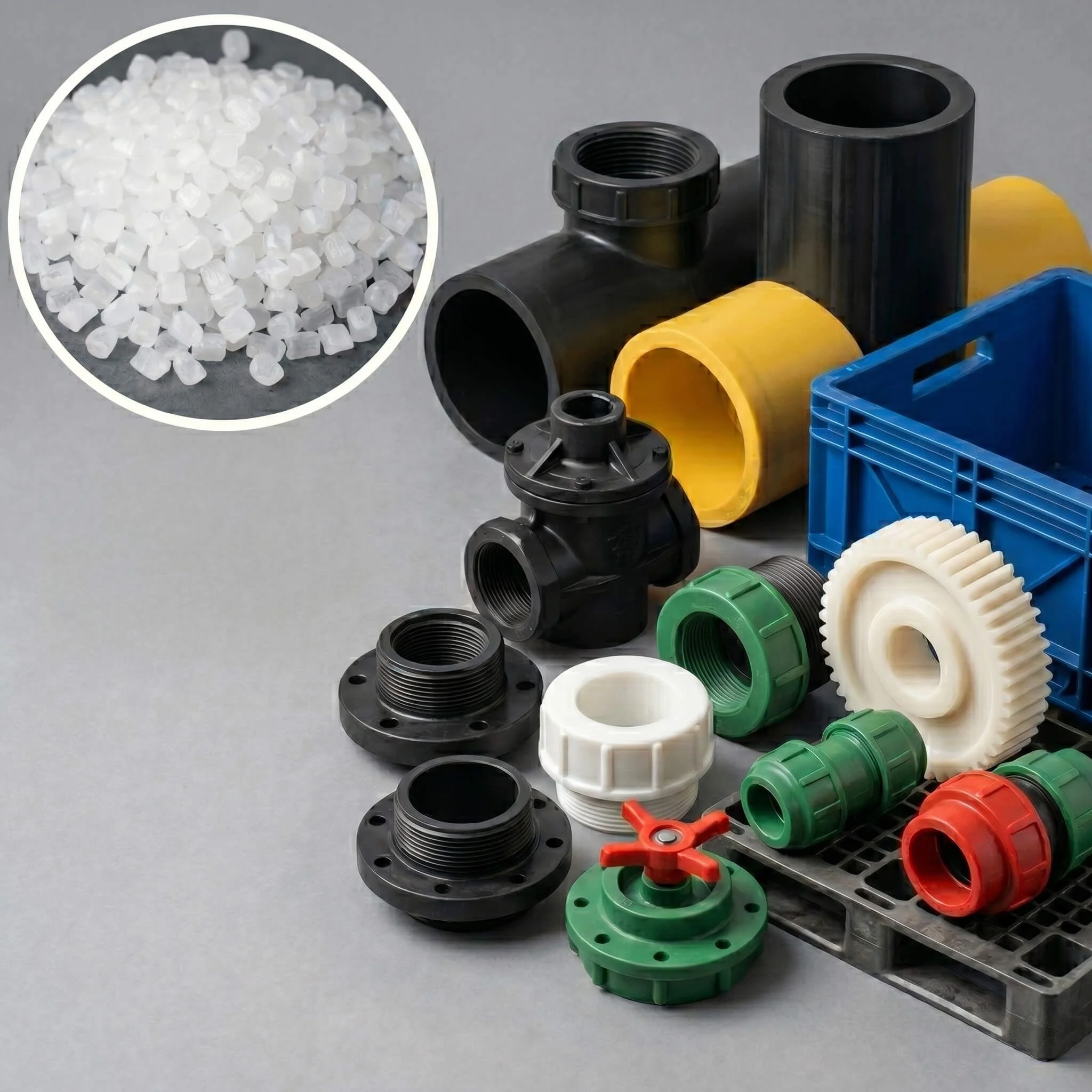
Common Applications of HDPE Plastic
HDPE is widely used across Australia in sectors where durability and reliability are required.
Industrial and Manufacturing Applications
Common industrial uses include:
Chemical storage tanks
Machine wear components
Conveyor liners
Pipe systems
Blow molded bottles
Custom CNC machined components
HDPE sheet and rod stock are frequently machined into bushings, guides, and wear strips. Compared to acetal or nylon, HDPE offers lower cost for larger parts where extreme stiffness is not required.
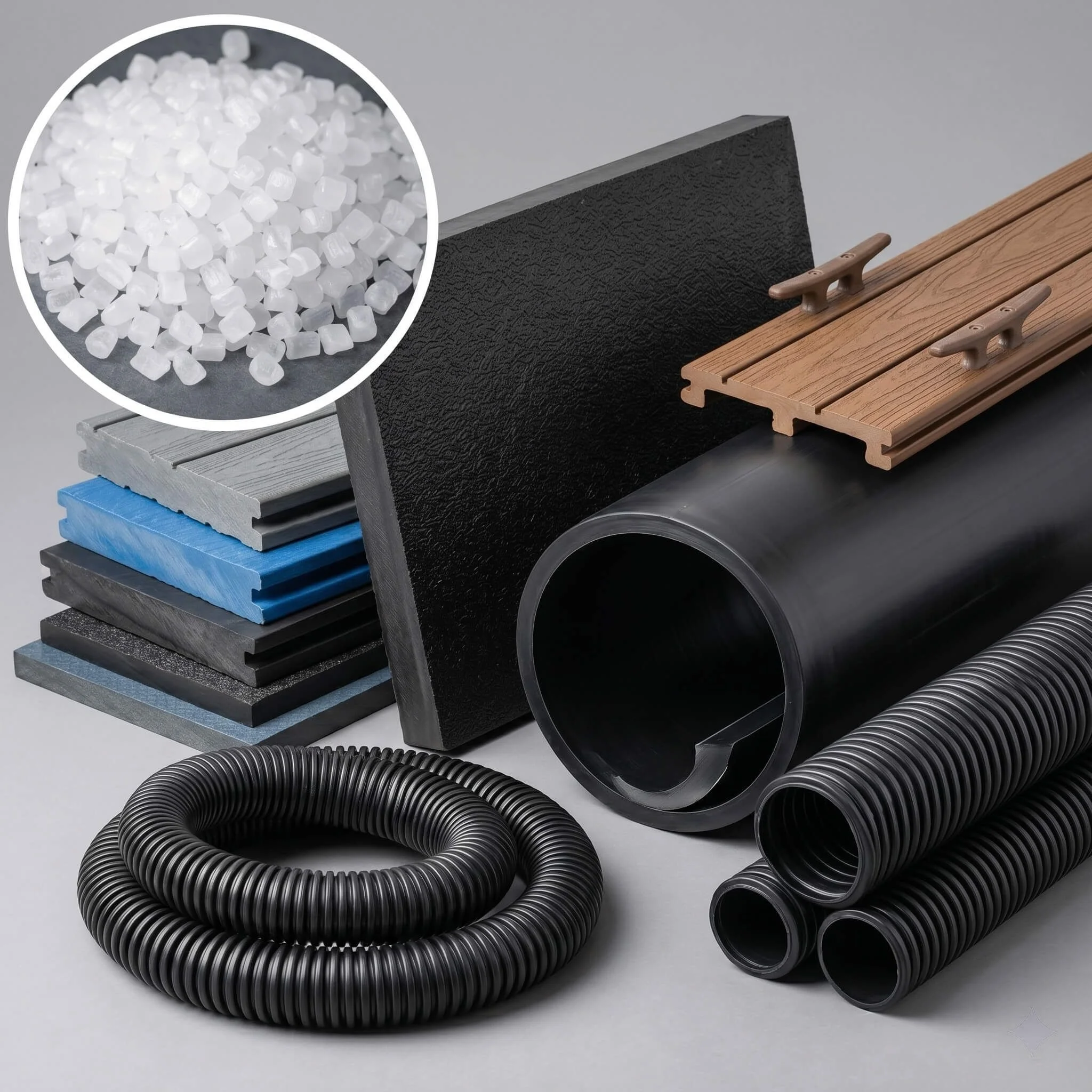
Construction and Infrastructure Products
In construction and infrastructure, HDPE is used for:
Underground pipes
Drainage systems
Structural panels
Impact boards
Marine dock components
Its low friction surface makes it suitable for sliding liners and chute systems. For pipe installation, HDPE offers corrosion resistance that steel cannot match in aggressive soil environments.
Consumer and Food Grade Products
You will find HDPE in:
Cutting boards
Milk bottles
Food containers
Packaging caps
Storage bins
Toys
Food-safe grades comply with relevant regulatory standards when specified correctly. Always confirm food-grade certification with your supplier before production.
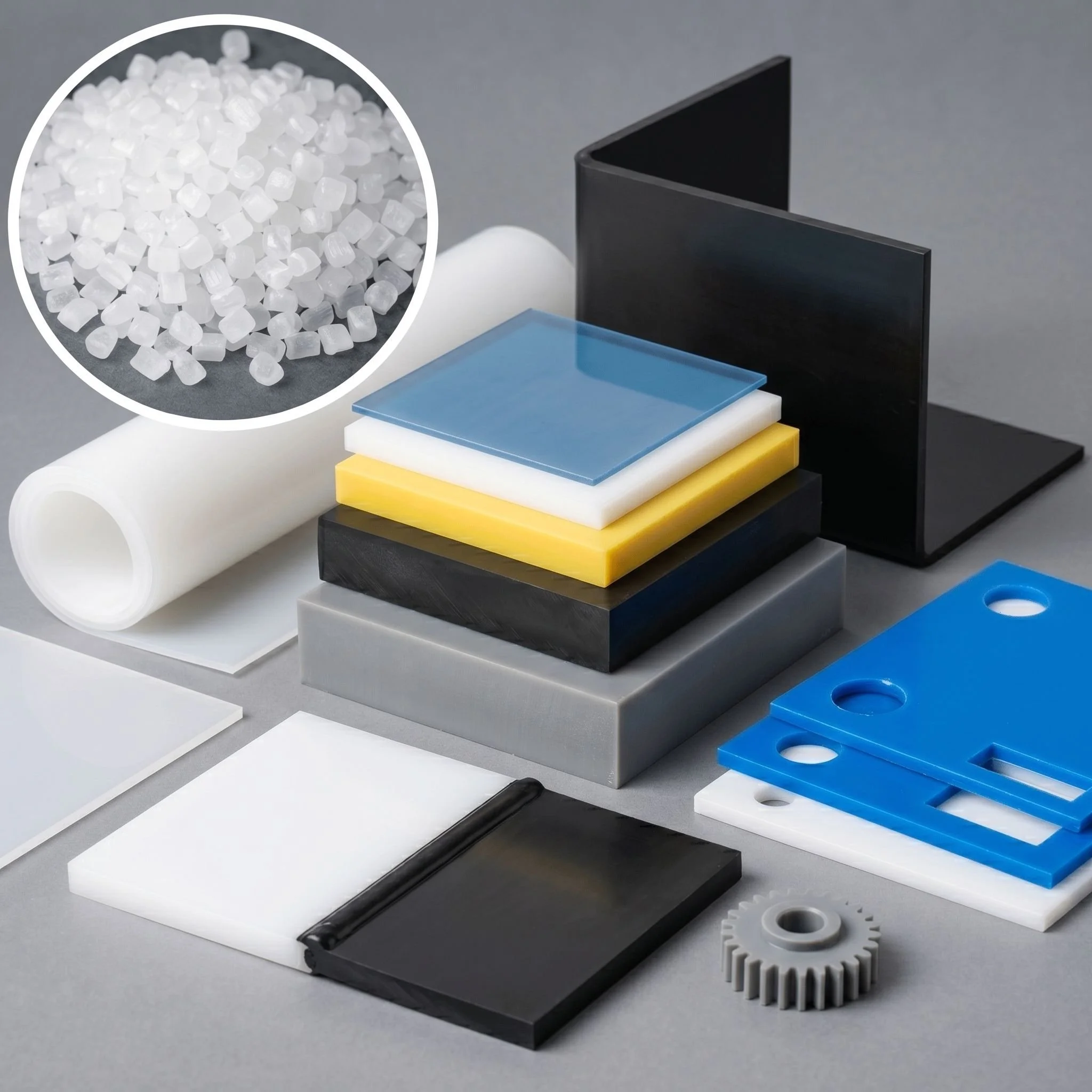
HDPE Product Forms and Availability
HDPE is available in multiple forms to suit different manufacturing processes.
HDPE Sheets
HDPE sheet is commonly used for fabrication, liners, tanks, and panels. Sheets are available in a wide range of thicknesses and sizes.
Typical sheet sizes in Australia may include:
| Size (mm) | Thickness Range |
|---|---|
| 2000 x 1000 | 1 to 100 mm |
| 2440 x 1220 | 1 to 100 mm |
| 3000 x 1500 | 3 to 100 mm |
Sheets can be cut, CNC routed, welded, and fabricated into custom products.
HDPE Rods
HDPE rods are supplied for machining custom components. Diameters can range from small precision rods to large industrial rod stock over 300 mm in diameter depending on supplier capability.
Rods are used for:
Bushings
Wear components
Rollers
Spacers
Marine hardware
For high load applications, acetal, POM, nylon, or UHMWPE may also be considered. Selecting the correct rod material depends on friction, load, and temperature requirements.
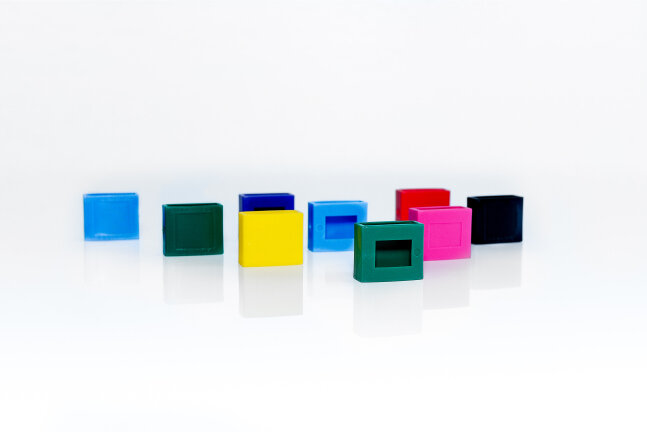
Available Colours and Material Grades
HDPE is commonly available in:
Natural
Black
White
Yellow
Black grades typically include UV stabilisation for outdoor use. Natural and white grades are often selected for food or packaging applications.
Recycled and virgin resin grades are both available. If sustainability targets matter, confirm recycled content data and traceability documentation.
Meet the Team
-
Key Features That Make HDPE a Reliable Material
HDPE remains one of the most versatile plastics in engineering.
-
Lightweight Yet Strong
HDPE offers strength without excessive weight. For large tanks, liners, or pipe systems, this reduces installation complexity and transport costs.
Its high strength to density ratio supports structural integrity without unnecessary mass.
-
Chemical and Moisture Resistance
Easy Fabrication and Machining
HDPE can be:
● CNC routed
● Cut with standard equipment
● Welded using plastic welding methods
● Machined from rod or sheet stock
● Blow molded into bottles
● Injection molded into complex components
Compared to acrylic or polycarbonate, HDPE machines easily and does not chip in the same way.
-
Recyclable and Environmentally Friendly
HDPE carries recycling code 2. It is widely recycled in Australia and globally.
Recycling supports circular manufacturing goals. However, recycled resin properties can vary. Engineering validation is required for load-bearing or regulated applications.
At B&C Plastics, recycled content is validated through controlled supply chains to maintain product performance.
3 Step HDPE Material Selection Process
To keep it simple:

Step 1: Define the Environment
Temperature range, chemical exposure, load requirements, UV exposure.

Step 2: Select the Form
Sheet, rod, blow molded component, or injection molded product.

Step 3: Validate the Grade
Virgin vs recycled resin, UV stabilised, food-safe certification, thickness and size requirements.
This process prevents costly redesigns later.
HDPE Compared to Other Common Plastics
For engineering teams evaluating options, here is a practical comparison:
HDPE vs PVC: Better impact resistance and no plasticisers.
HDPE vs Acrylic: More impact resistant, less clear.
HDPE vs Polycarbonate: Lower cost, lower heat resistance.
HDPE vs Nylon or Acetal: Lower stiffness, better chemical resistance in some environments.
HDPE vs UHMWPE: Slightly lower wear resistance but easier machining.
Material selection should always align with the application, not assumptions.
Enquire About HDPE Materials or Products
If you are selecting HDPE for industrial, construction, packaging, or custom engineering applications, clarity matters. We supply and manufacture HDPE components in Australia with engineering oversight, not just stock supply.
Request Product Information or Datasheets
You can request technical data sheets covering:
Mechanical properties
Chemical resistance charts
Thickness and size availability
Food-safe certification details
Recycled content documentation
Clear documentation reduces procurement risk.

Speak With Our Plastics Specialists
If you are comparing HDPE with nylon, acetal, PVC, polycarbonate, PETG, or PEEK, our team can help you select the correct material based on environment, load, and compliance requirements.
Contact B&C Plastics to discuss your project, request a quote, or organise a consultation. Whether you need sheet stock, rods for machining, blow molded bottles, injection molding production, or a full end-to-end engineering solution, we are ready to support your next project.