

How Much Plastic Costs per kg in Australia
Plastic costs per kg in Australia typically range from $1.50 to $6.00 per kilogram for common resins such as polypropylene and ABS, and can exceed $30 per kilogram for high performance engineering polymers such as PEEK, depending on grade, volume, and supplier.
At B&C Plastics, we work with buyers across defence, mining, construction, agriculture, medical and FMCG who need clarity, not guesswork. This guide breaks down what plastic costs per kg in Australia actually means in practice.


Combining full ISO certification with DISP accreditation, B&C Plastics provides high-quality, secure, and traceable plastic injection moulded components engineered for reliability and performance.

When people search how much plastic costs per kg in Australia, they are usually thinking about resin price alone. In reality, injection moulding costs are driven by four main factors:
Tooling investment
Material selection
Production volume
Part complexity
The cost of the raw plastic material might be $2.50 per kg, but the total cost per molded part depends on how efficiently that material is processed inside the mold, how many cavities the mould contains, how long the cycle time runs on the machines, and how many volumes you are producing.
For industrial manufacturing projects, the resin price per kg is rarely the largest line item. Tooling and production efficiency usually have a bigger impact.
Understanding the Cost of Plastic Injection Moulding

Why Injection Moulding Costs Vary Between Projects
Two projects can use the same plastic resin and still have completely different costs.
Key factors affecting injection moulding cost include:
Size and weight of each part
Wall thickness and structural features
Number of cavities in the mold
Required tolerances and surface finish
Total production volumes
Compliance requirements such as ISO or defence security
A simple part with two cavities in an aluminium mould will have very different tooling and production costs compared to a complex, multi cavity steel mold with EDM machining, tight tolerances, and industrial performance requirements.
This is why basic price per kg comparisons can be misleading without context.
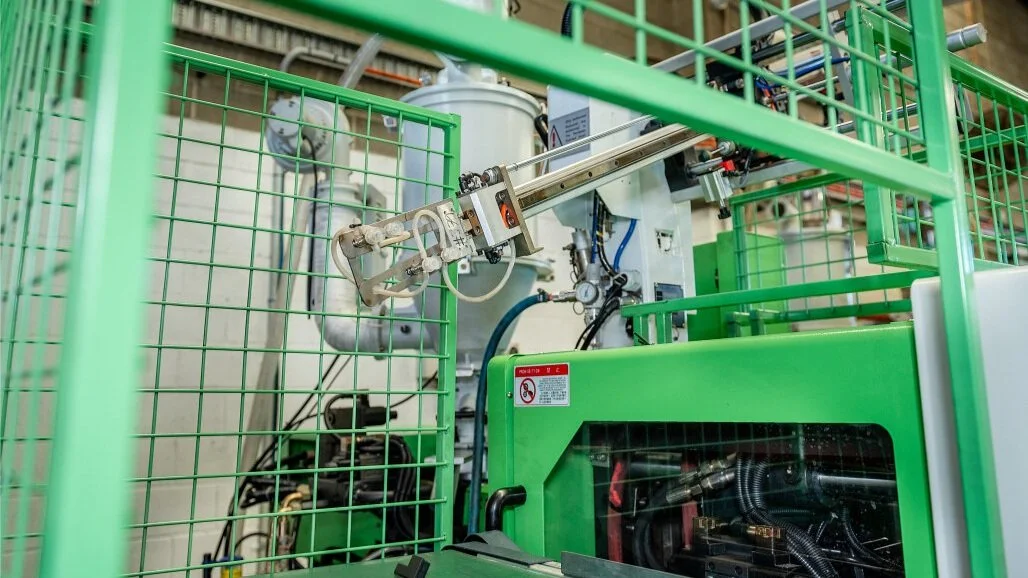
Tooling and Mould Development Costs
Tooling is often the largest upfront investment in any injection molding project. A mold is a precision engineered tool designed to produce identical parts at scale.
In Australia, mould tooling can range from:
$6,000 to $15,000 for small, simple molds
$20,000 to $80,000 for mid range industrial molds
$100,000+ for large, complex, multi cavity steel moulds
Exact figures depend on size, complexity, steel grade, and the machining process involved. If you need tight tolerances, hardened steel, or high cavity counts, the investment increases.
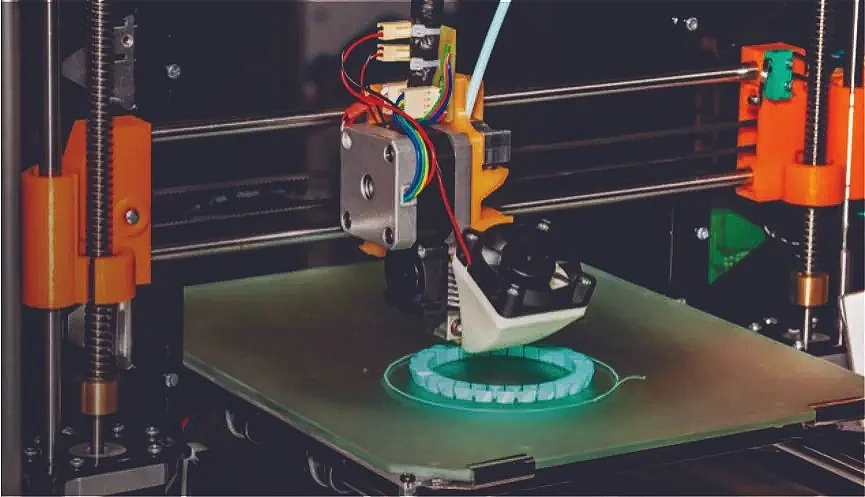
Precision Tooling and Engineering
A high quality mold is not just a block of steel with a cavity cut into it.
Precision tooling involves:
Advanced CNC machining
EDM machining for sharp corners and fine features
Cooling channel design for efficient cycle time
Hardened steel selection for long production runs
The more complex the design, the more time is required for machining and testing. Molds for high volumes must withstand hundreds of thousands or millions of cycles without degrading quality.
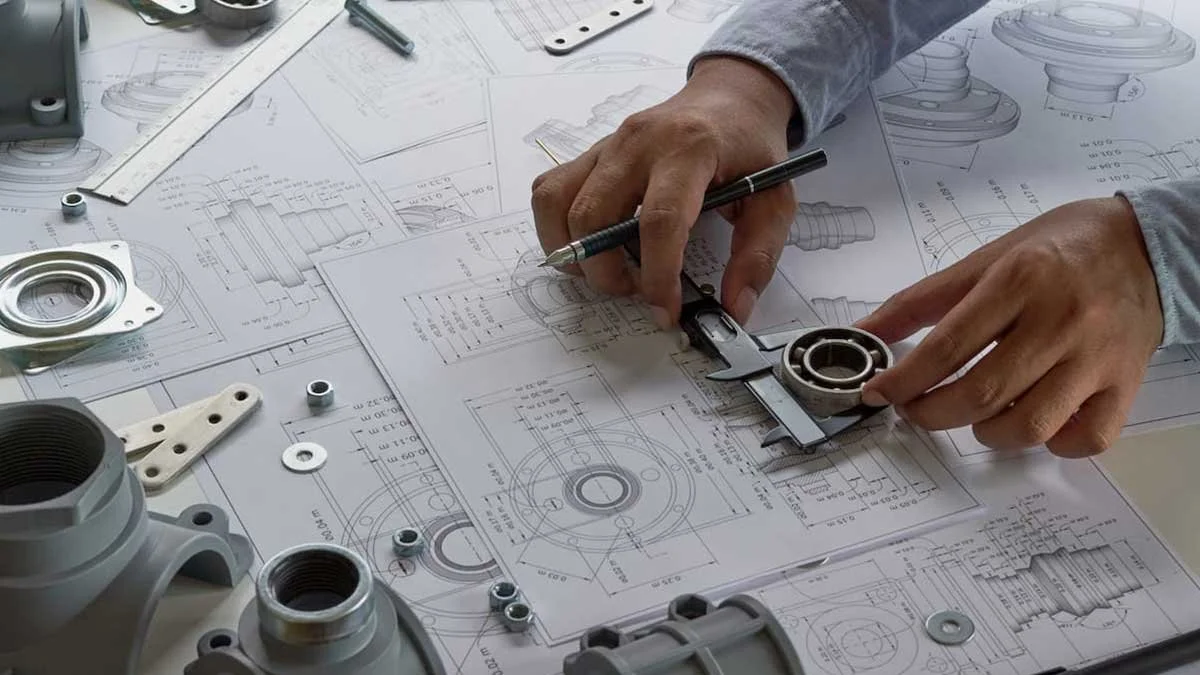
Design and Toolmaking Expertise
Engineering led manufacturers optimise mold design before the tool is cut.
That includes:
Reviewing wall thickness to reduce sink and warpage
Optimising gate location for balanced flow
Designing cavities for efficient ejection
Reducing unnecessary complexity
Over 18 years, we have seen projects where small design adjustments reduced tooling costs by 10 to 20 percent and shortened production cycle times by several seconds per part. Those seconds add up across large volumes.
Properties to Consider When Choosing Injection Moulding Materials
Material properties define how a part behaves during use and during processing.

Strength and Impact Resistance
Strength includes tensile strength, flexural strength, and resistance to impact. Materials like nylon and polycarbonate offer excellent mechanical performance for high load applications. Impact resistance is critical for mining, construction, and transport components where shock loads are common.

Temperature Resistance and Thermal Stability
Heat and temperature performance determine whether a part maintains stability at elevated temperatures. Engineering plastics such as PEEK and PPSU handle high temperatures in demanding environments including medical and electrical applications.
Thermal stability also affects moulding. Materials with stable thermal behaviour maintain tighter dimensional tolerances and reduce internal stress.

Chemical and Moisture Resistance
Chemical resistance protects parts exposed to fuels, solvents, cleaning agents, or agricultural chemicals. Polypropylene and polyethylene offer good chemical resistance for packaging and industrial uses.
Moisture absorption matters. Nylon, also known as polyamide, absorbs moisture, which can change dimensional stability over time. This must be considered in design.
Material Selection and Production Costs
The cost of plastic per kg in Australia depends on resin type, global oil prices, exchange rates, and supplier agreements. As of recent industry benchmarks, typical resin price ranges are:
| Material | Approximate Price per kg (AUD) |
|---|---|
| Polypropylene (PP) | $1.50 to $3.00 |
| Polyethylene (PE) | $1.80 to $3.20 |
| ABS | $2.80 to $4.50 |
| Polycarbonate (PC) | $4.00 to $7.00 |
| Nylon (PA) | $4.50 to $8.00 |
| PEEK | $30.00+ |
Prices fluctuate and should be confirmed with suppliers for accurate estimates.
Engineering plastics and specialty polymers increase total production cost but deliver performance benefits.
Factors that influence resin price:
Mechanical strength requirements
Heat resistance
UV stabilisation
Flame retardant additives
Recycled content
For example, recycled polypropylene may reduce raw material cost, but only if processed correctly to maintain quality. Verified recycled content is increasingly important for businesses targeting APCO compliance.
Injection Moulding Resin Costs
Material waste directly affects cost.
Efficient moulding reduces:
Excess runner waste
Rejected parts
Over packing inside the mold
Scientific molding techniques and automated machines improve repeatability and reduce scrap. In high volumes, a 2 percent reduction in waste can translate to significant savings across thousands of kilograms of material.
Material Efficiency in Large Production Runs
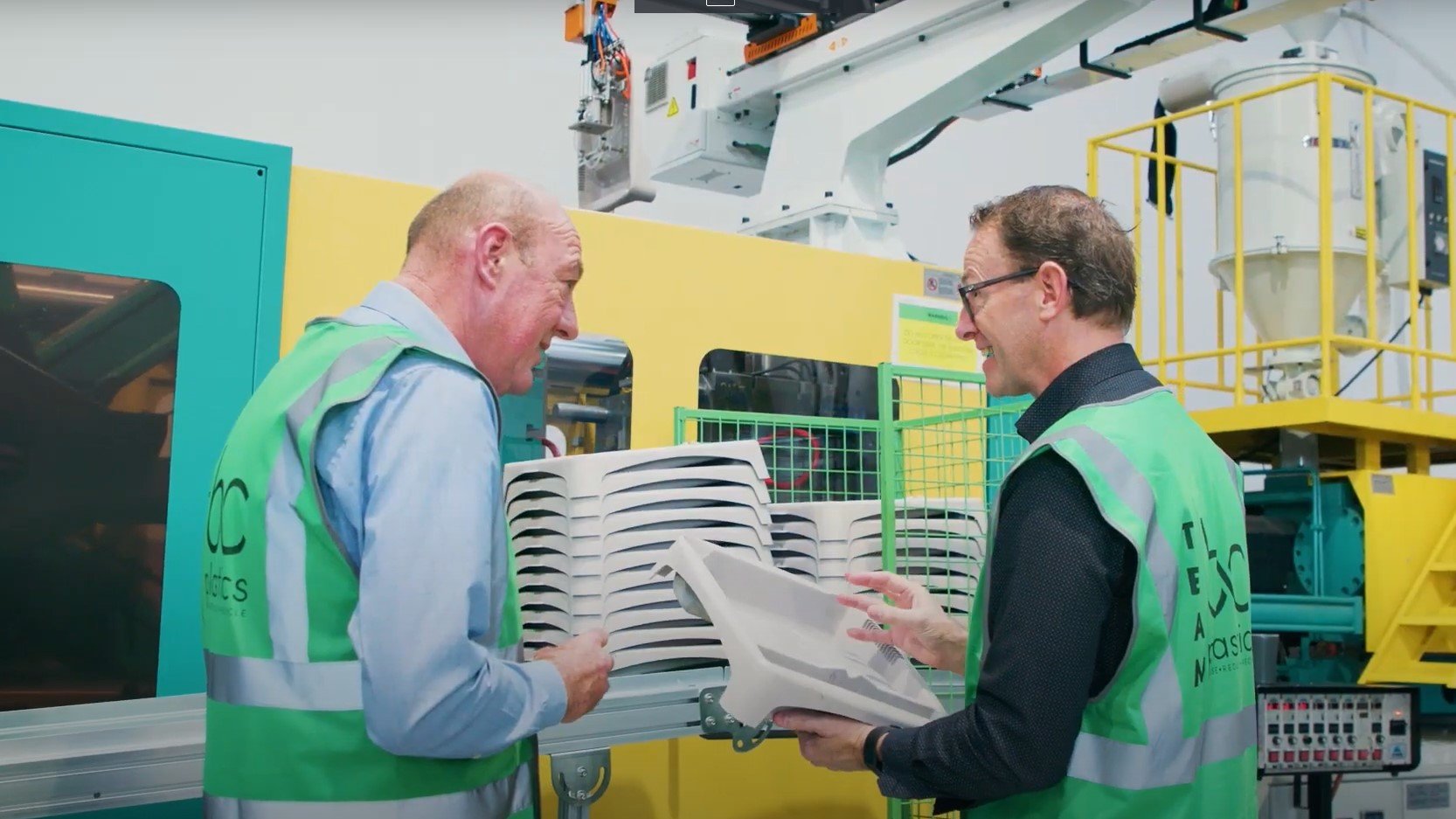
Injection moulding equipment represents a major capital investment.
Industrial machines range from 50 tonne to 600 tonne clamping force or higher, with shot weights from grams to several kilograms. Larger machines consume more energy and carry higher operating costs.
Equipment and Manufacturing Process Costs
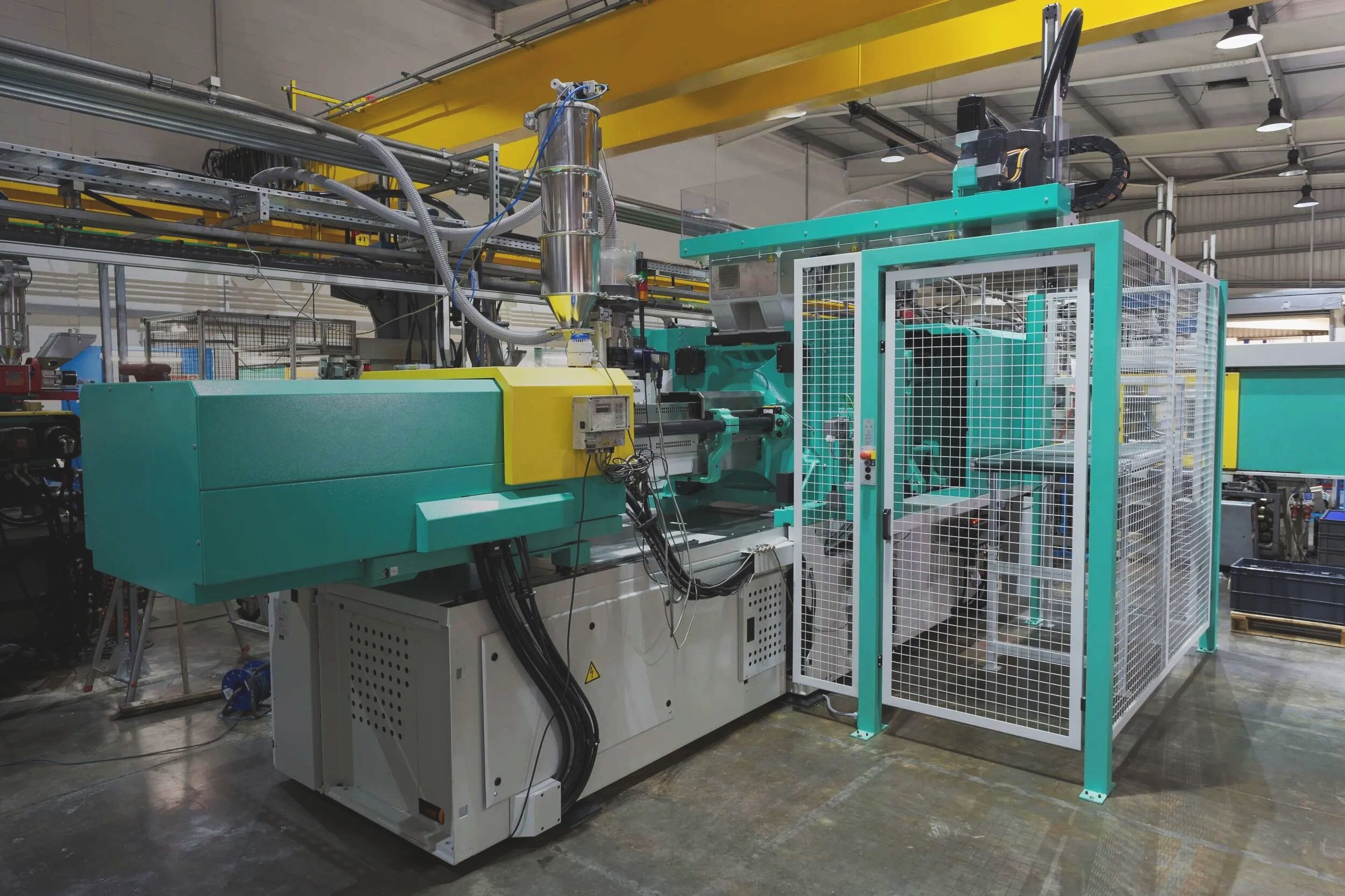
Machine time is a critical cost factor.
Costs are influenced by:
Machine size required for the part
Cycle time per shot
Number of cavities in the mold
Automated vs manual handling
Faster cycle times mean more parts produced per hour. Well designed molds with efficient cooling reduce machine time and lower total production cost.
Injection Moulding Equipment and Machine Time

Although injection molding is largely automated, skilled technicians are essential.
Experienced operators:
Set process parameters
Monitor quality
Maintain molds and equipment
Perform troubleshooting
Engineering oversight ensures that molded parts meet dimensional and performance requirements. This is especially important in defence, mining, and medical industries where compliance is non negotiable.
Skilled Labour and Manufacturing Expertise
Post Processing and Finishing Costs
The molded part leaving the machine is not always the final product.
Surface Finishing and Product Appearance
Surface finish is determined by mold texture and post processing steps.
Additional costs may include:
Polishing
Painting
Printing
Laser marking
High cosmetic requirements increase both tooling and finishing costs. Textured mold surfaces can reduce the need for secondary finishing.
Assembly and Secondary Operations
Some products require:
Trimming
Inserting metal components
Ultrasonic welding
Packaging and labelling
These secondary services add to total cost but may simplify your supply chain by keeping everything under one partner.
How Production Volume Influences Injection Moulding Costs
Injection moulding is capital intensive upfront but highly efficient at scale.
The relationship between tooling investment and volume is straightforward. As volumes increase, tooling cost is amortised across more parts.
Cost Efficiency in Large Scale Production
Example:
Tooling investment: $40,000
Production volume: 10,000 parts
Tooling cost per part: $4.00
Production volume: 200,000 parts
Tooling cost per part: $0.20
This is why injection moulding becomes more cost effective at higher volumes.
Low Volume vs High Volume Manufacturing
For low-volume or prototype projects, alternatives such as 3D printing or small scale aluminum molds may be appropriate.
However, for volumes above 10,000 units annually, injection moulding typically delivers better long term cost efficiency and consistent quality.
Understanding your expected volumes early helps determine whether investing in steel molds and industrial machinery makes commercial sense.
Strategies for Reducing Injection Moulding Costs
Reducing costs does not mean compromising quality. It means optimising design and process decisions early.
Designing Parts for Manufacturing Efficiency
Practical design considerations include:
Maintain consistent wall thickness
Avoid unnecessary undercuts
Use ribs instead of thick walls for strength
Add appropriate draft angles
These adjustments reduce machining time, simplify molds, and improve cycle efficiency.
Selecting Cost Effective Materials
Choose materials based on performance requirements, not assumptions.
Ask:
Does the product need high temperature resistance?
Is UV exposure significant?
Can recycled materials meet the same performance standard?
Balancing performance and budget ensures you are not over engineering the solution.
3 Step Cost Clarity Process

Step 1: Define Requirements
Clarify volumes, compliance needs, performance expectations and timelines.

Step 2: Validate Design and Tooling
Review mold complexity, cavities, machining approach and material selection.
Step 3: Model Production Economics
Estimate per part cost based on resin price per kg, machine time, labour and projected volumes.
Simple. Structured. Transparent.

Start Your Injection Moulding Project
If you are comparing manufacturers or trying to understand how much plastic costs per kg in Australia for your specific product, the next step is not guessing. It is getting a detailed estimate based on real data.
Request a Quote for Your Product
Provide your CAD files, expected volumes, material preferences and compliance requirements. We will deliver an accurate estimate covering tooling, resin, production and any secondary services.
For enquiries, please contact our team via our website form or email admin with your project details.

Speak With Our Injection Moulding Specialists
Sometimes you do not need a quote straight away. You need clarity.
Book a consultation to discuss:
Whether injection moulding is the right process
Tooling investment expectations
Resin options including recycled materials
Australian vs offshore cost comparisons
At B&C Plastics, we are not a basic moulder focused only on price per kg. We are an engineering led partner helping you balance cost, quality, compliance and long term production reliability.
If you are investing in a new product or migrating from offshore manufacturing, get in touch and let’s work through the numbers properly.