
Industrial Designers


Industrial Design To Production Manufacturing With Engineering Validation At Every Stage
Design-for-manufacture consultation before tooling investment
Optimize wall thickness, draft angles, and rib design to prevent warping, sink marks, and costly mould revisions
CNC prototyping and 3D printing for design validation
Test form, fit, and function with production-representative materials before committing to injection mould toolingComplete material expertise: thermoplastics to liquid silicone rubber
Guide material selection for mechanical performance, surface finish, regulatory compliance, and cost targetsMetal injection moulding (MIM) capability for complex components
Produce precision metal parts when plastic won't meet strength or thermal requirementsConformal cooling and advanced tooling techniques
Reduce cycle times and improve part quality with engineered cooling channels that follow mould geometryISO-certified production with national delivery
Scalable manufacturing from prototype validation to high-volume production serving Melbourne, NSW, and Queensland
Injection moulding, CNC prototyping, and precision tooling for Australian industrial designers who need DFM expertise, material guidance, and scalable production - not just a moulder who builds what you send.
Share your CAD files, material preferences, and production volumes. We'll assess manufacturability, recommend optimizations, and provide realistic tooling and production timelines.


Combining full ISO certification with DISP accreditation, B&C Plastics provides high-quality, secure, and traceable plastic injection moulded components engineered for reliability and performance.

Injection moulding is a manufacturing process that allows industrial designers to turn a digital model or concept into high quality, repeatable plastic parts at scale.
At B&C Plastics, we work closely with industrial designers, engineers, and product development teams across Australia, including Melbourne, NSW and Queensland. Our focus is simple: help you get from idea to production without surprises, rework, or avoidable tooling cost.
Injection Moulding, Prototyping and Product Development in Australia
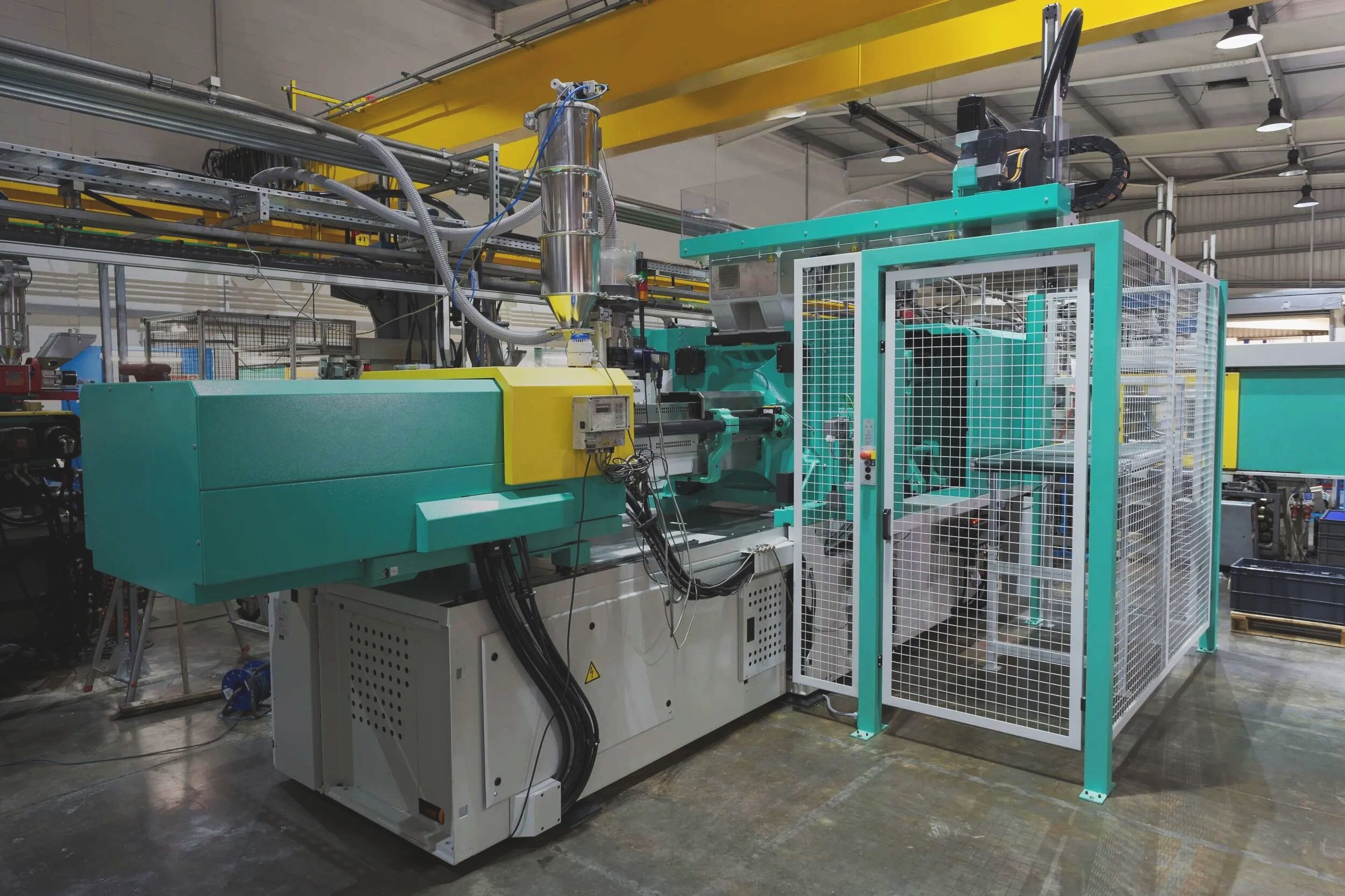
Overview of the Injection Moulding Process
Injection moulding is a production process where plastic material is heated until molten, injected into a mould cavity, cooled into shape, and then ejected as a finished part.
In simple terms, the workflow looks like this:
Plastic resin pellets are loaded into an injection unit.
The material is melted and pushed forward by a rotating screw.
The molten plastic is injected into a closed mould tool.
The material cools and solidifies inside the mould.
The mould opens and the moulded part is ejected.
The cycle repeats, often in seconds.
This process is ideal for creating consistent plastic components in medium to high volume production runs. Once tooling is built and validated, the same shape can be reproduced thousands or millions of times with reliable quality.
What Is Injection Moulding and How Does It Work?
Meet the Team
-
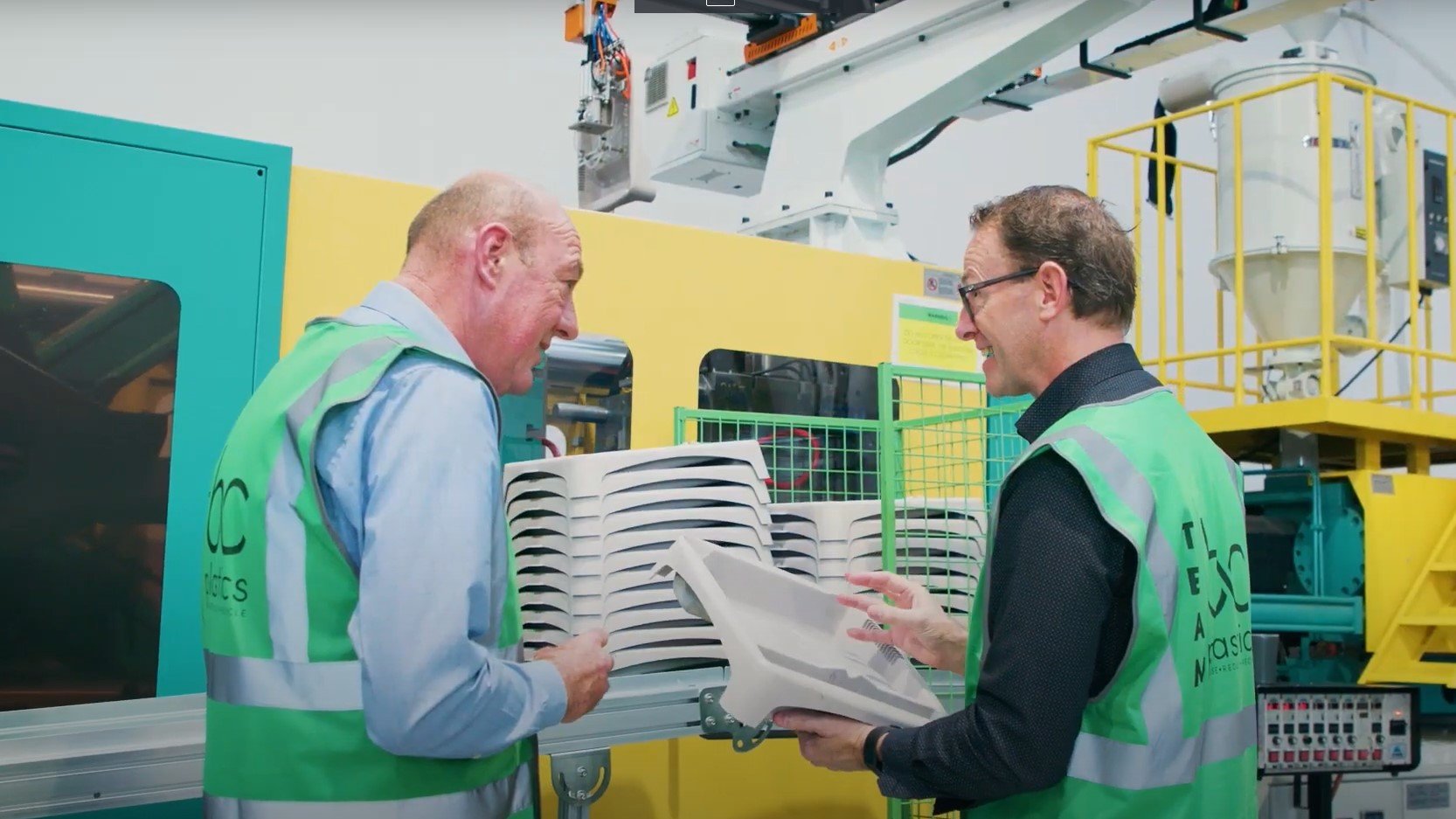
Key Components of an Injection Moulding System
An injection moulding system includes:
● Injection unit: Melts and injects the plastic material.
● Clamping unit: Holds the mould closed under pressure.
● Mould tool: Precision toolmaking that defines the final shape of the part.
● Cooling system: Channels inside the mould that control temperature and cycle time.
Good toolmaking and cooling design are critical. Poorly designed moulds lead to warping, sink marks, or long cycle times. That is why engineering input during the design stage matters.
-
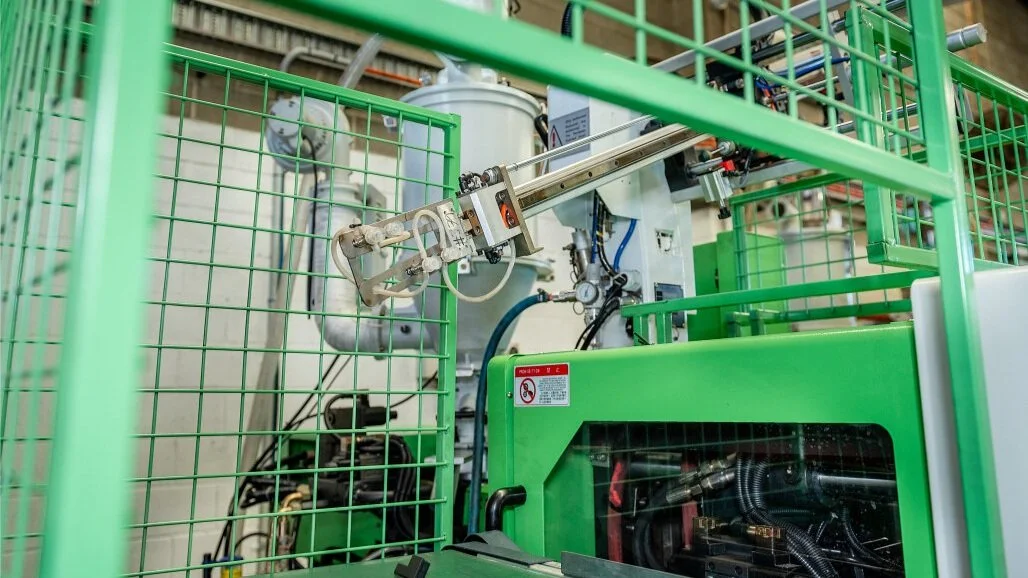
Why Injection Moulding Is Widely Used in Manufacturing
Injection moulding is widely used because it is:
● Highly repeatable and consistent.
● Cost-effective at scale.
● Capable of complex geometries.
● Suitable for a wide range of plastics and even metal via MIM.
For industrial designers working in automotive, medical, food packaging, or construction industries, injection moulding offers predictable production once the design is right.
Injection Moulding vs 3D Printing
Key Differences Between the Two Manufacturing Methods
Injection moulding and 3D printing serve different needs.
| Factor | Injection Moulding | 3D Printing |
|---|---|---|
| Volume | Best for medium to high production runs | Best for low volume and prototypes |
| Tooling | Requires mould tooling upfront | No tooling required |
| Unit Cost | Low per part at scale | Higher per part |
| Materials | Wide range of thermoplastics and liquid silicone | Limited compared to moulding |
| Speed | Fast once tooling is complete | Quick for one-off parts |
3D printing is excellent for early stage prototyping and testing form, fit, and concept. Injection moulding is the better choice for real production.
Advantages of Injection Moulding
Lower unit cost at scale.
Superior surface finish.
Stronger and more consistent parts.
Better suited for consumer, medical, and automotive components.
Advantages of 3D Printing
Rapid design iteration.
No tooling investment.
Ideal for small batch validation.
Useful for concept testing and modelling.
When Each Manufacturing Method Is the Better Choice
Use 3D printing when:
You are testing an idea.
Volumes are low.
You need quick iterations.
Use injection moulding when:
You are ready for production.
Volumes exceed a few thousand parts.
Consistency and quality matter.
Types of Injection Moulding Processes
Plastic Injection Moulding
Plastic injection moulding is the most common process, using thermoplastics such as ABS or polypropylene to create consumer and industrial products.
Liquid Silicone Rubber Moulding
Liquid silicone rubber moulding is used where flexibility, heat resistance, or medical compliance is required. It is common in medical devices and high temperature applications.
Overmoulding and Insert Moulding
Overmoulding combines two materials in one moulding cycle. Insert moulding integrates metal or other components directly into the plastic part. These techniques are frequently used in automotive and medical industries.
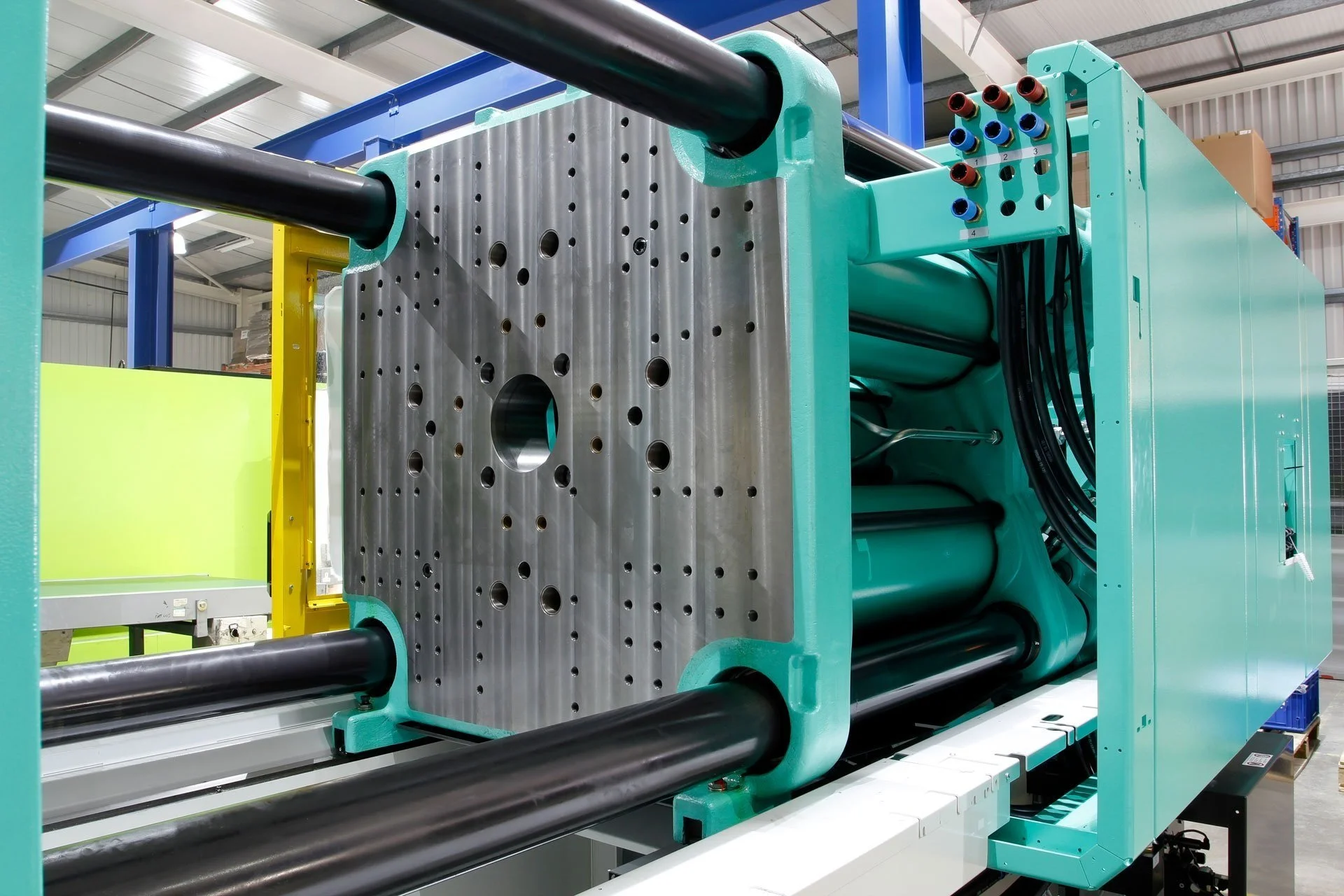
Materials Used in Injection Moulding
Thermoplastics
Common thermoplastics include:
ABS for durability and impact resistance.
Polypropylene for low cost and chemical resistance.
Nylon for strength and wear resistance.
Polycarbonate for clarity and toughness.
Material selection directly affects performance, cost, and long term reliability.
Thermosets
Thermoset plastics are heat resistant and used in specialised industrial and electrical applications.
Metal Injection Moulding Materials
Metal injection moulding uses stainless steel and specialty alloys. It is ideal for small, complex metal components requiring high precision.
Surface Finishes Available for Injection Moulded Parts

Glossy Finishes
Highly polished mould surfaces create glossy finishes for consumer products and visible components.

Semi Gloss Finishes
Semi gloss surfaces provide moderate sheen, often used in functional plastic parts.

Matte Finishes
Matte finishes reduce reflection and are common in industrial and construction applications.

Textured Finishes
Textured moulds can add grip, hide imperfections, or create a specific aesthetic. Texture requires additional draft and careful toolmaking.
Injection Moulding Design Guidelines

Optimal Wall Thickness
Uniform wall thickness ensures proper flow and cooling. Thick sections increase cost and risk of defects. As a rule, consistent wall design improves production reliability.

Draft Angles for Easy Part Ejection
Draft angles allow moulded parts to release from the mould without damage. Even one degree of draft can significantly reduce tool wear and quality issues.

Structural Support and Rib Design
Ribs strengthen parts without adding weight. Good rib design prevents sink marks while improving stiffness.
Advantages of Injection Moulding for Manufacturing

High Volume Production Efficiency
Once tooling is complete, injection moulding becomes extremely cost-effective for large runs.

Consistent Product Quality
Precision mould tooling ensures consistent shape, dimensions, and finish.

Wide Range of Material Compatibility
Injection moulding supports plastics, liquid silicone, and even metal through MIM.
Industries That Use Injection Moulding

Automotive Manufacturing
Automotive components include clips, housings, connectors, and interior parts requiring consistent quality.

Construction and Infrastructure
Construction and building industries rely on durable plastic components, fittings, and housings.

Medical and Healthcare Devices
Medical moulded parts must meet strict quality requirements and often use specialised materials.

Food Packaging and Consumer Products
Food packaging, lids, containers, and everyday products are commonly manufactured using injection moulding.
Metal Injection Moulding (MIM)
What Is Metal Injection Moulding
Metal injection moulding combines powdered metal with a binder material to form complex metal shapes. The part is moulded, debound, and sintered into a dense metal component.
Advantages of MIM for Complex Components
Precision for small parts.
Cost-effective for high volume.
Ideal for complex geometries.
The Metal Injection Moulding Process

Feedstock Preparation
Metal powders are blended with polymer binders to form a feedstock.

Injection and Moulding Stage
The feedstock is injected into a mould similar to plastic injection moulding.

Debinding
The binder is removed through thermal or chemical methods.

Sintering
The metal particles fuse under high heat, creating a solid part.
Advanced Cooling Techniques in Injection Moulding

Parallel Cooling Systems
Traditional straight cooling channels control mould temperature.

Surface Cooling
Surface cooling improves temperature uniformity on critical areas.

Conformal Cooling
Conformal cooling channels follow the shape of the mould cavity, improving cycle time and quality.
Alternative Manufacturing Methods for Plastic Parts

Vacuum Casting
Vacuum casting uses silicone moulds for small batch production and prototype validation.
CNC Machining for Plastic Components
CNC machining removes material from solid blocks, suitable for precision prototypes.
Injection Moulding for Industrial and Custom Products
Custom Plastic Component Manufacturing
Custom tooling enables tailored solutions for industrial and commercial projects.
Industrial Plastic Injection Moulding
Industrial moulding supports heavy duty components used in automotive, construction, agriculture, and medical industries.
Our Injection Moulding Capabilities

Prototyping and Product Development
We support industrial designers from concept and modelling through prototyping and production validation. Early design consultation reduces tooling cost and avoids common issues.

Scalable Production Manufacturing
Once validated, we transition seamlessly into scalable production with consistent delivery across Australia.
Why Businesses Choose Professional Injection Moulding Services
Experienced Engineering Support
Our team of engineers and toolmaking specialists work closely with designers to optimise manufacturability.
Reliable Production and Delivery
We provide consistent lead times, quality control, and national delivery capability.
Nationwide Manufacturing Capability
Serving clients across Melbourne and wider Australia, we support multiple industries with engineering-led plastics solutions.
Frequently Asked Questions About Injection Moulding
Quick FAQ Summary
-
Tooling represents the upfront investment. Per unit cost drops significantly as production volume increases. Accurate quoting depends on material, part complexity, and volume.
-
Products requiring repeatability, strength, and medium to high volume runs are best suited.
-
Tooling can take several weeks depending on complexity. Once complete, production cycles are measured in seconds per part.
Our 3 Step Process

Step 1: Design Review We assess your model, material selection, and production requirements.

Step 2: Tooling & Validation Precision toolmaking and prototyping ensure the part works before full production.

Step 3: Scalable Production Consistent manufacturing with reliable delivery across Australia.
If you are an industrial designer or product development lead looking for an engineering-led plastics partner, contact the B&C Plastics team to discuss your project. We are happy to review your designs, provide consultation, and help you find the best manufacturing solution for your needs.