
Infrastructure / Civil Plastics Applications


Infrastructure Plastics Engineered For Decades Of Performance
Injection moulded bridge fittings, drainage systems, and electrical housings with design optimization, certified manufacturing, and Australian supply security - eliminating the multi-supplier coordination that delays infrastructure projects.
Design-for-manufacture before tooling investment
Optimize weight, assembly, and structural performance while reducing component count and installation complexityTriple ISO certified with infrastructure-grade traceability
Audit-ready documentation for government procurement, civil engineering specifications, and long-term asset managementWeather-resistant materials engineered for Australian conditions
UV stability, corrosion resistance, and mechanical durability in coastal, industrial, and extreme temperature environmentsComplete capability: design to site delivery
Engineering, tooling, injection moulding, and technical documentation under one Australian manufacturer, not fragmented suppliersScalable from prototype to millions of units
Support infrastructure projects requiring consistent quality across large production volumes with predictable lead times
Share your component specifications, volume requirements, or project timeline. We'll validate manufacturability and determine partnership fit.


Combining full ISO certification with DISP accreditation, B&C Plastics provides high-quality, secure, and traceable plastic injection moulded components engineered for reliability and performance.
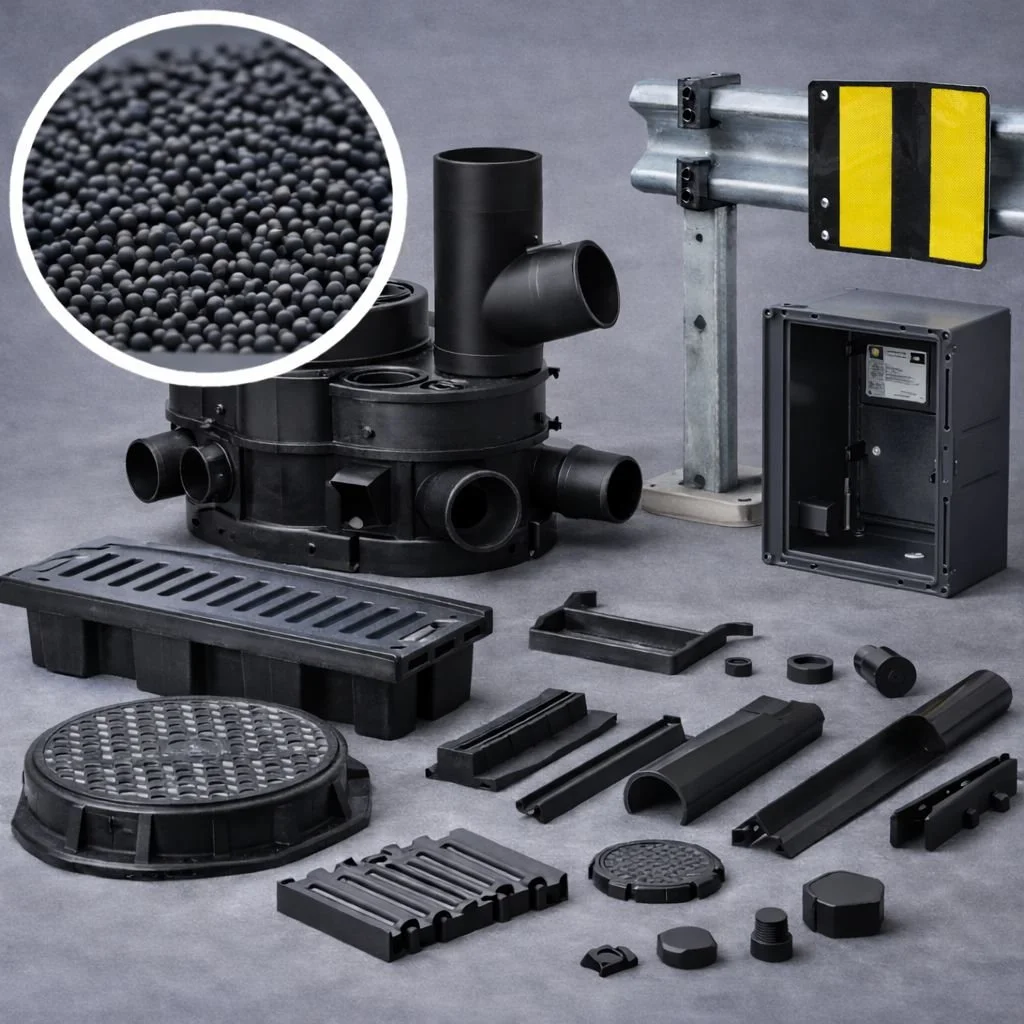
Infrastructure & Civil Plastics Applications in Modern Construction
Infrastructure and civil plastics applications use injection moulding to manufacture durable plastic components for construction and infrastructure projects such as bridges, transport systems, drainage networks, and building elements.
Construction companies across Australia increasingly look for a single partner who can handle design, DFM, tooling, prototyping, and production under one roof. Instead of coordinating multiple suppliers, the right manufacturing partner optimises your design before the first mould tool is built. This engineering-first approach is why many suppliers work with B&C Plastics, an Australian manufacturer combining end-to-end plastic product development with certified manufacturing processes and advanced injection moulding capability.
Infrastructure projects demand materials that are reliable, cost-effective, and designed to perform for decades. Injection moulded plastic components now appear across roads, bridges, drainage systems, electrical housings, window frames, signage infrastructure, and building fittings because they provide performance advantages over traditional materials like steel, timber, or concrete.
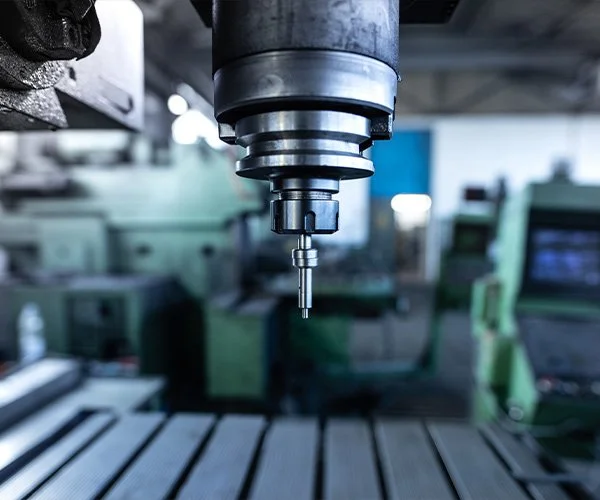
Injection Moulding in the Civil Construction Industry
Injection moulding is transforming how construction and infrastructure components are manufactured. The process enables consistent, high-quality plastic parts to be produced efficiently for building and infrastructure applications.
Instead of fabricating components from metal or machining individual parts, injection moulding uses a mould tool and automated machinery to produce identical components repeatedly. This method allows manufacturers to create complex designs while maintaining strict quality control across production runs.
For construction companies working on major infrastructure projects, this approach improves reliability and reduces long-term costs.
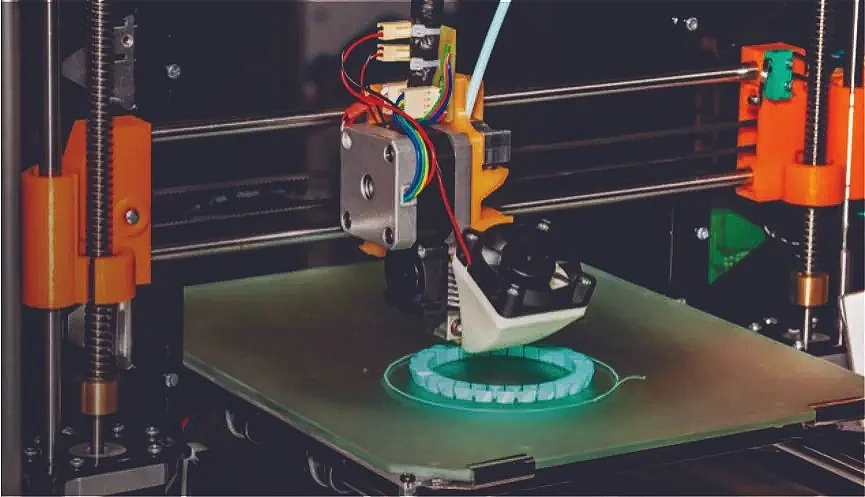
The Growing Role of Plastics in Modern Construction
For decades, the construction industry relied heavily on concrete, steel, and timber. These materials remain essential, but plastics now play an increasingly important role across many sectors of the built environment.
Plastic injection moulding offers several advantages that have driven this shift.
Durability and weather resistance in harsh outdoor environments
Lower material weight, reducing transport and installation effort
High manufacturing precision for engineered components
Cost-effective production for large infrastructure projects
Because of these benefits, moulded plastic components are now used in building systems, drainage fittings, electrical housings, signage infrastructure, and window frame elements.
Injection Moulding as a Scalable Manufacturing Solution
Injection moulding is widely used because it supports both prototype development and large-scale production. Once a mould tool is developed, manufacturers can produce thousands or even millions of identical components with consistent quality.
This scalability is critical for infrastructure projects where components must meet strict specifications across large production volumes.
Typical applications include:
| Application | Example Components |
|---|---|
| Infrastructure | bridge fittings, cable housings, drainage components |
| Building systems | window frames, electrical enclosures |
| Construction equipment | tool housings, machinery covers |
| Public infrastructure | signage components, outdoor fixtures |
For manufacturers, injection moulding provides a repeatable and reliable manufacturing method suitable for complex engineering designs.
Meet the Team
-
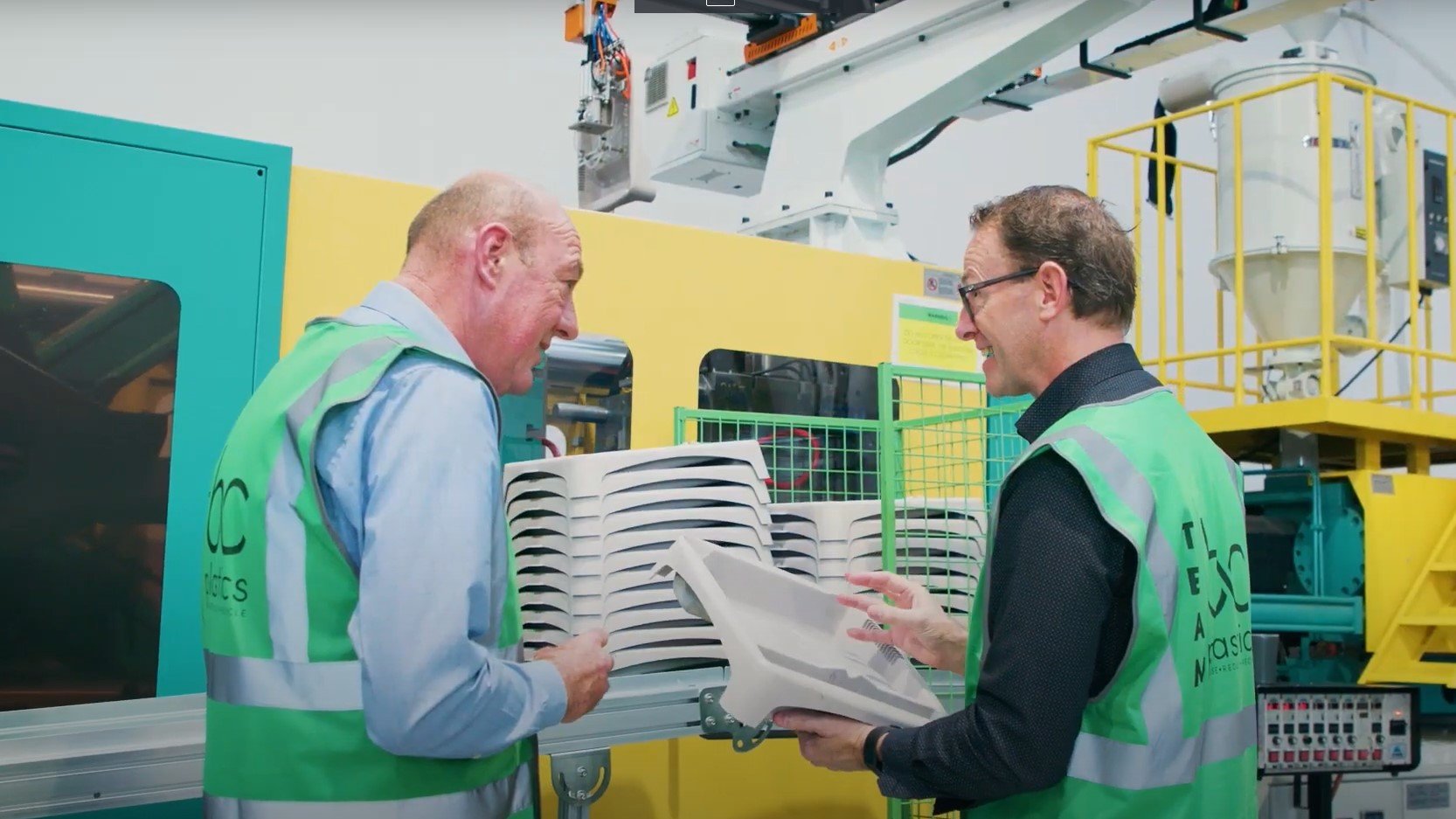
Advantages of Injection Moulded Plastic Components in Construction
Injection moulded plastics offer multiple benefits when compared with traditional construction materials.
-
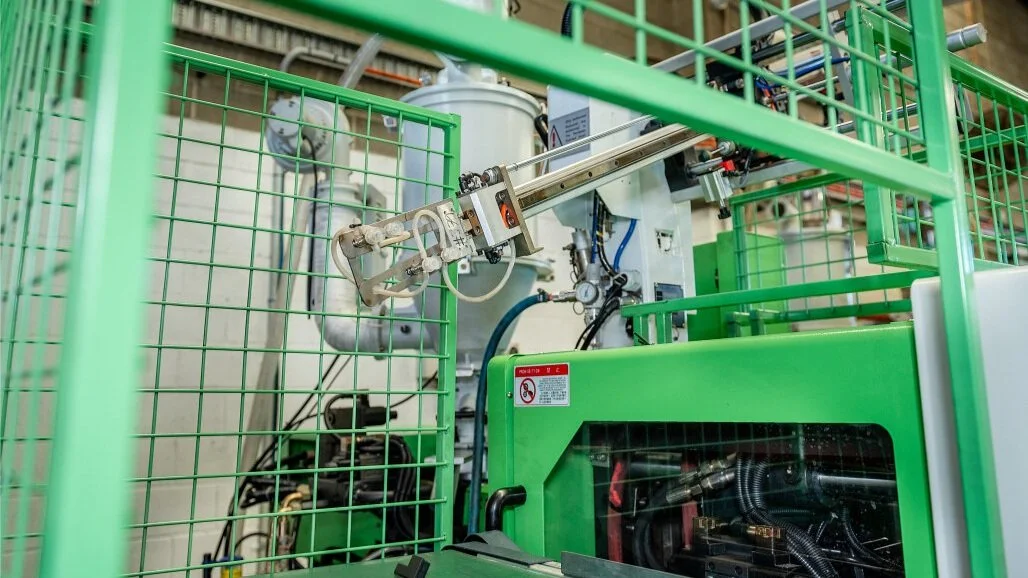
Reduced Material and Production Costs
Injection moulding can significantly reduce production costs because it produces finished parts directly from a mould tool with minimal waste.
Unlike machining or fabrication processes that remove material during production, injection moulding forms parts directly from molten plastic. This reduces material waste and improves overall manufacturing efficiency.
Once a mould tool is created, each component can be produced quickly and consistently, which lowers the cost per unit during high volume production.
-

Faster Installation and Reduced Labour Requirements
Plastic components are significantly lighter than metal or concrete alternatives. This weight reduction makes transportation and installation easier for builders and contractors.
For example, plastic cable housings, pipe fittings, and structural connectors can often be installed faster than traditional components because they require less heavy equipment during handling.
Reducing labour requirements on construction sites can provide meaningful cost savings over the life of a project.
-
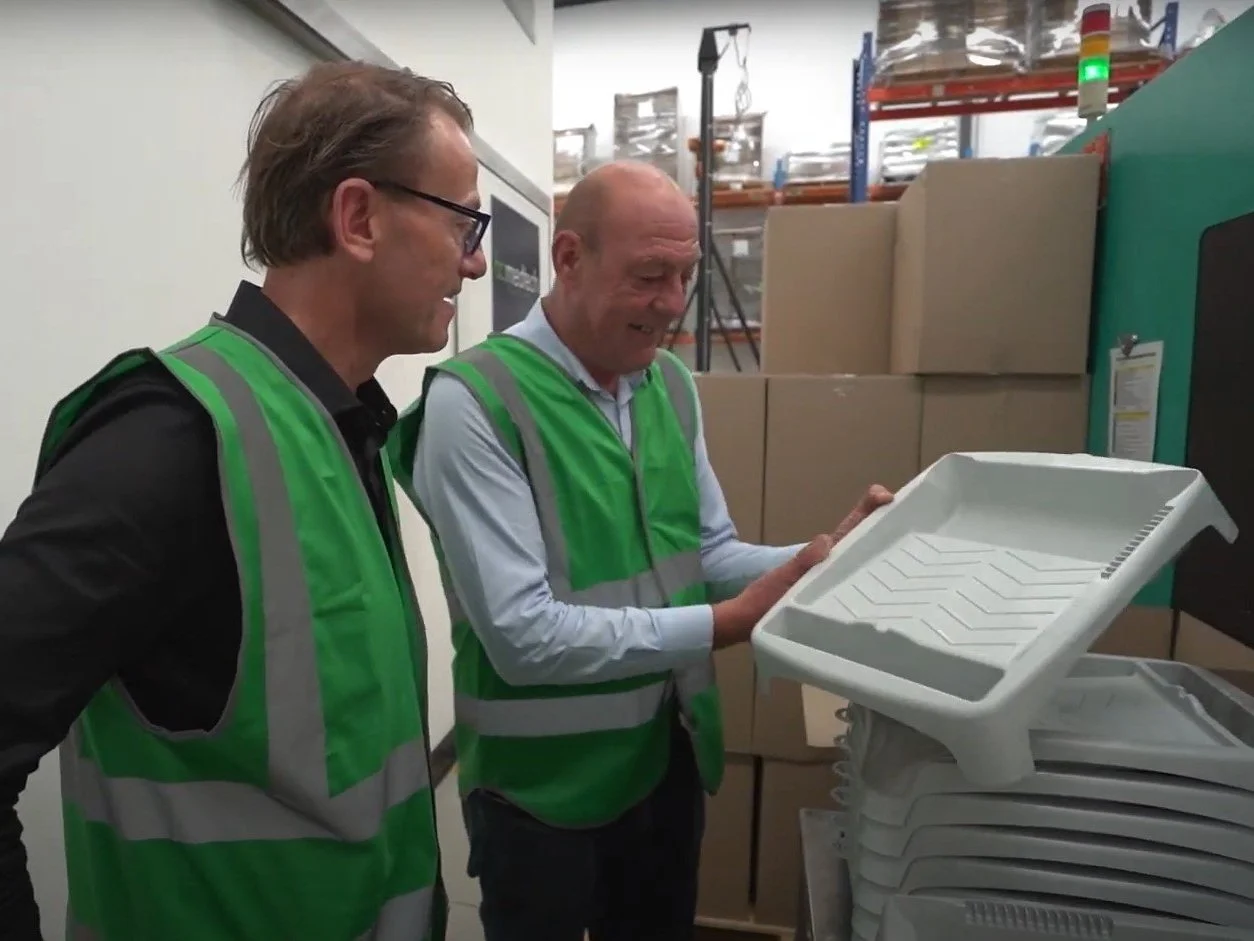
Complex Geometries and Design Flexibility
Injection moulding allows manufacturers to create shapes that would be extremely difficult or expensive to produce using traditional materials.
Complex moulded designs can include:
● internal channels for drainage or airflow
● integrated fastening features
● reinforced structural ribs
● multi-component housings
These design capabilities allow engineers to optimise performance while reducing the number of separate components required.
-
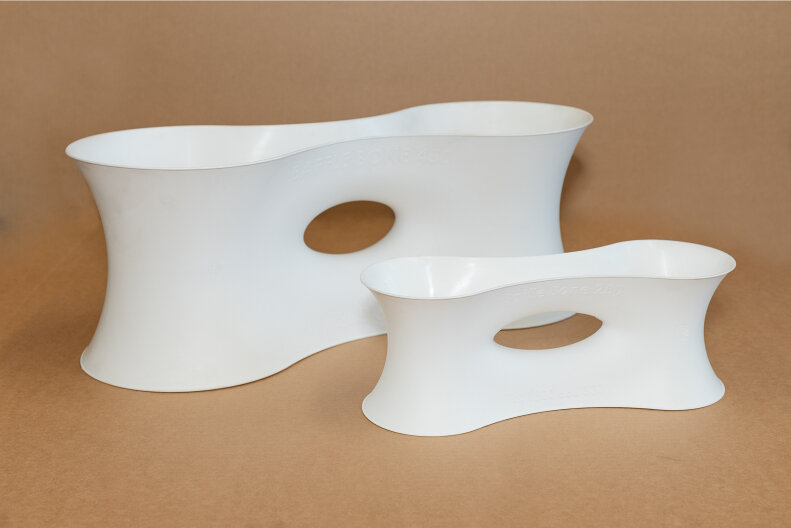
Weather Resistant and Long Lasting Materials
Construction materials must withstand long exposure to moisture, UV radiation, and temperature changes. Modern plastics are engineered to handle these environmental conditions.
Materials used in injection moulded construction components often provide resistance to:
● corrosion from water exposure
● UV degradation in outdoor environments
● chemical exposure from industrial environments
Because plastics do not rust or rot like metal or timber, they often provide longer service life in demanding climates.
-
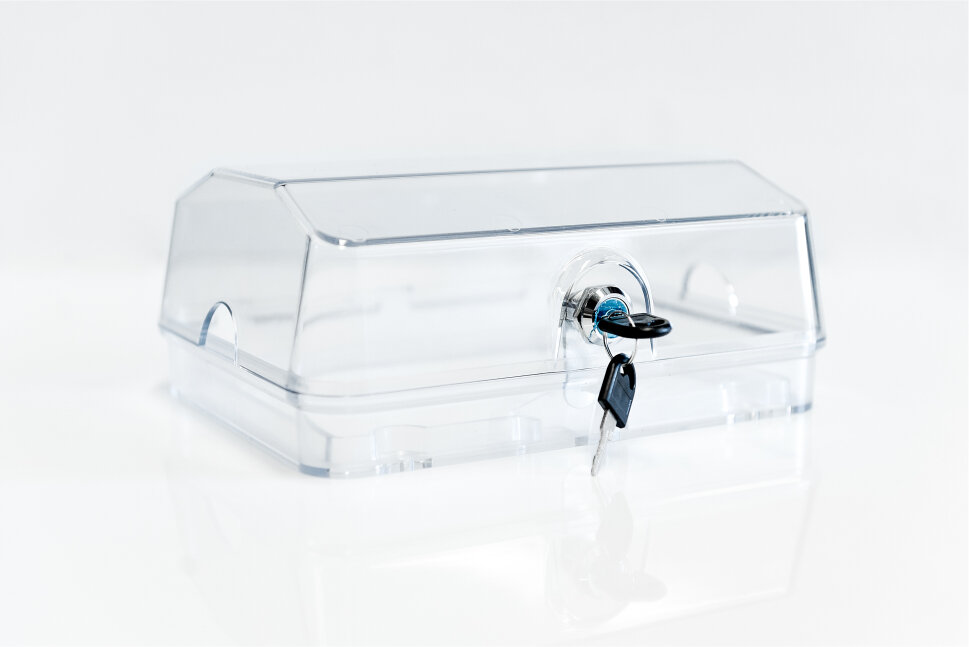
Low Maintenance and Long Term Durability
One of the most important benefits of injection moulded plastic components is their low maintenance requirements.
Many plastic construction components maintain structural performance without requiring regular treatment, repainting, or corrosion protection.
This durability helps reduce long-term maintenance costs across infrastructure systems.
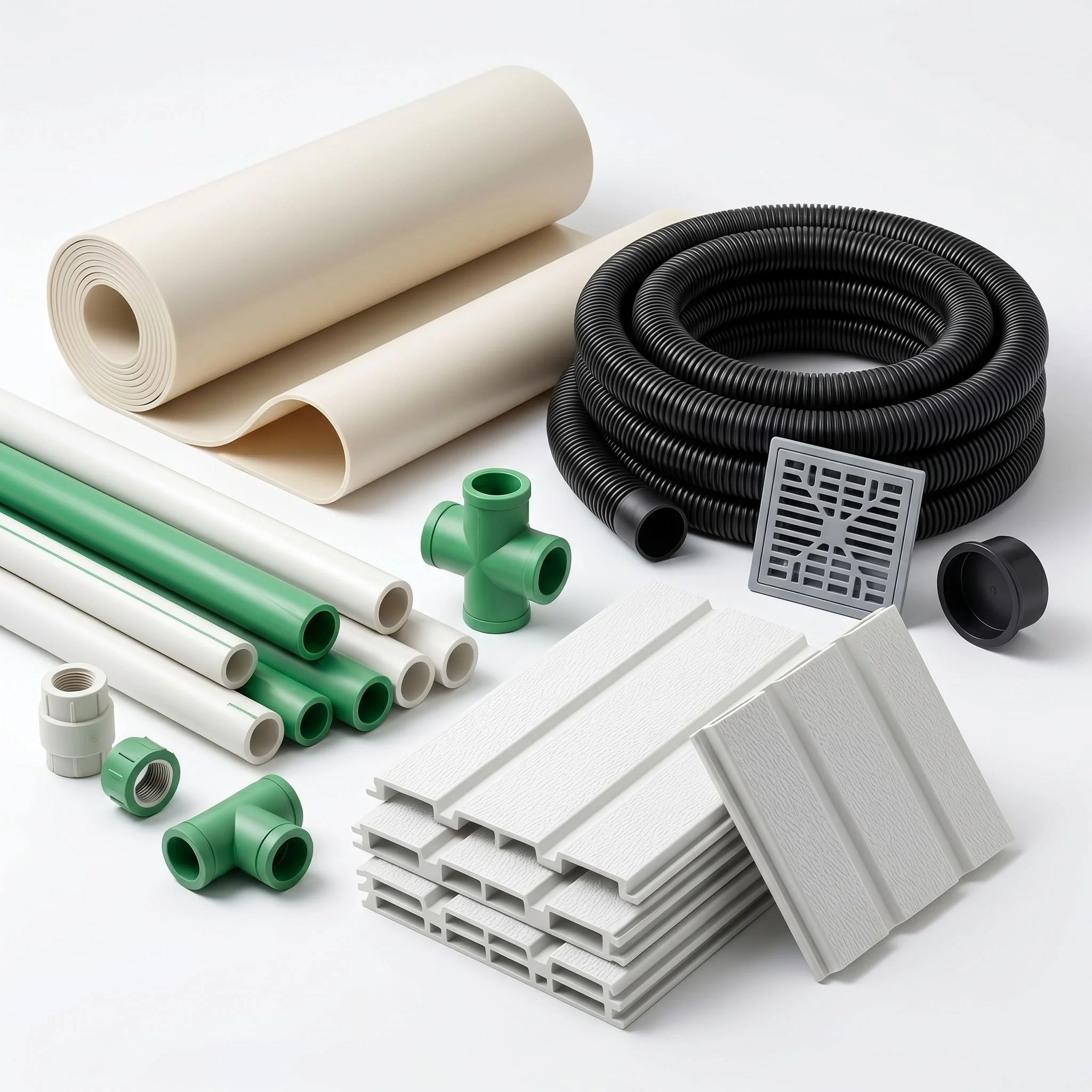
Common Construction Components Produced with Injection Moulding
Injection moulding supports a wide range of construction applications, from structural infrastructure components to architectural design elements.
Structural and Infrastructure Components
Infrastructure projects rely on durable components that can withstand environmental stress and mechanical loads.
Injection moulded plastics are commonly used in:
bridge fittings and structural connectors
electrical conduit housings
drainage systems and pipe fittings
cable management systems for infrastructure networks
These components must meet strict engineering specifications while maintaining long-term performance.
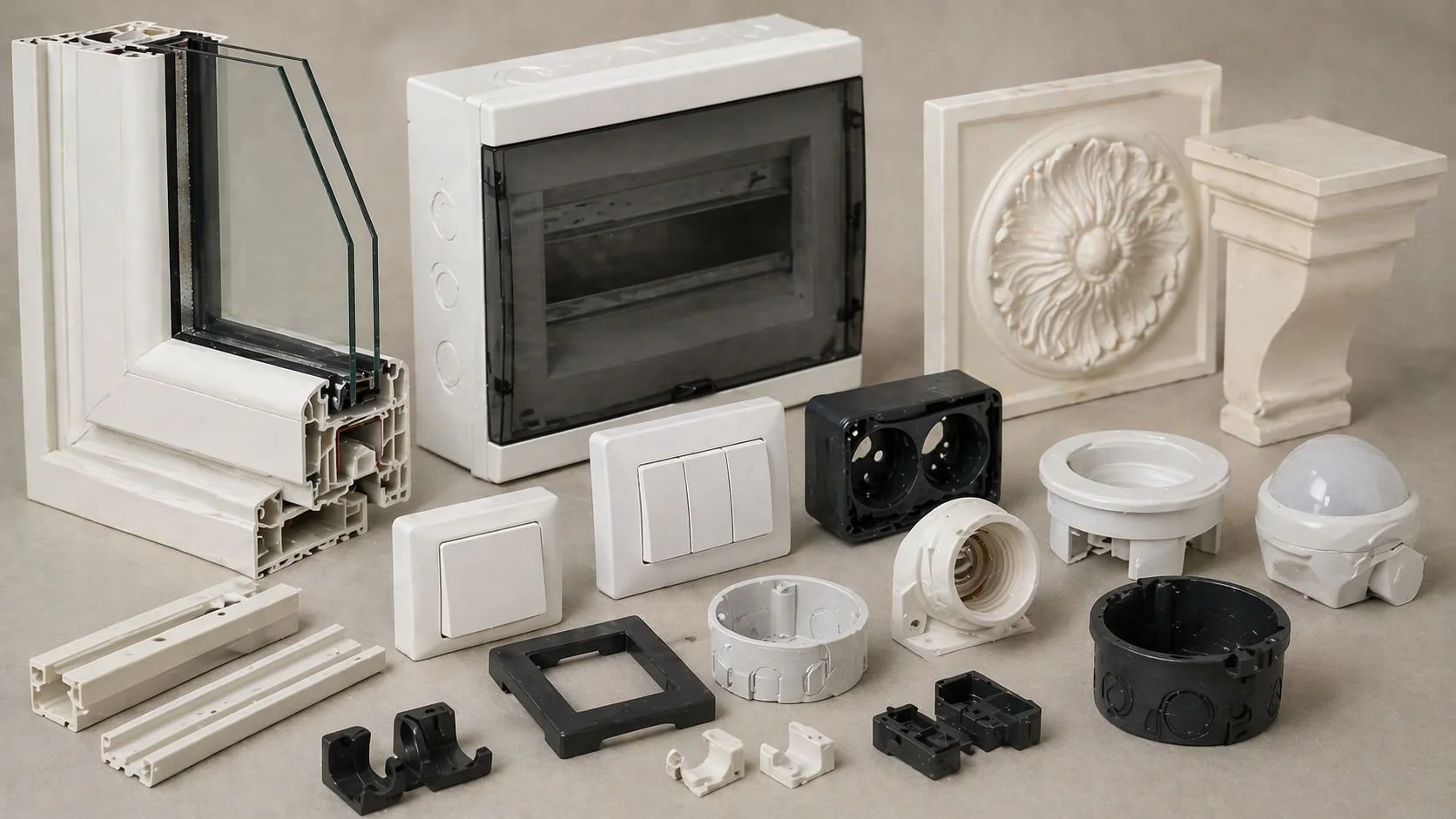
Interior and Architectural Elements
Injection moulding also supports the production of interior building components.
Examples include:
window frames and interior fixtures
electrical switch housings
architectural decorative elements
lighting and electrical installation components
These moulded products combine functional performance with aesthetic design.
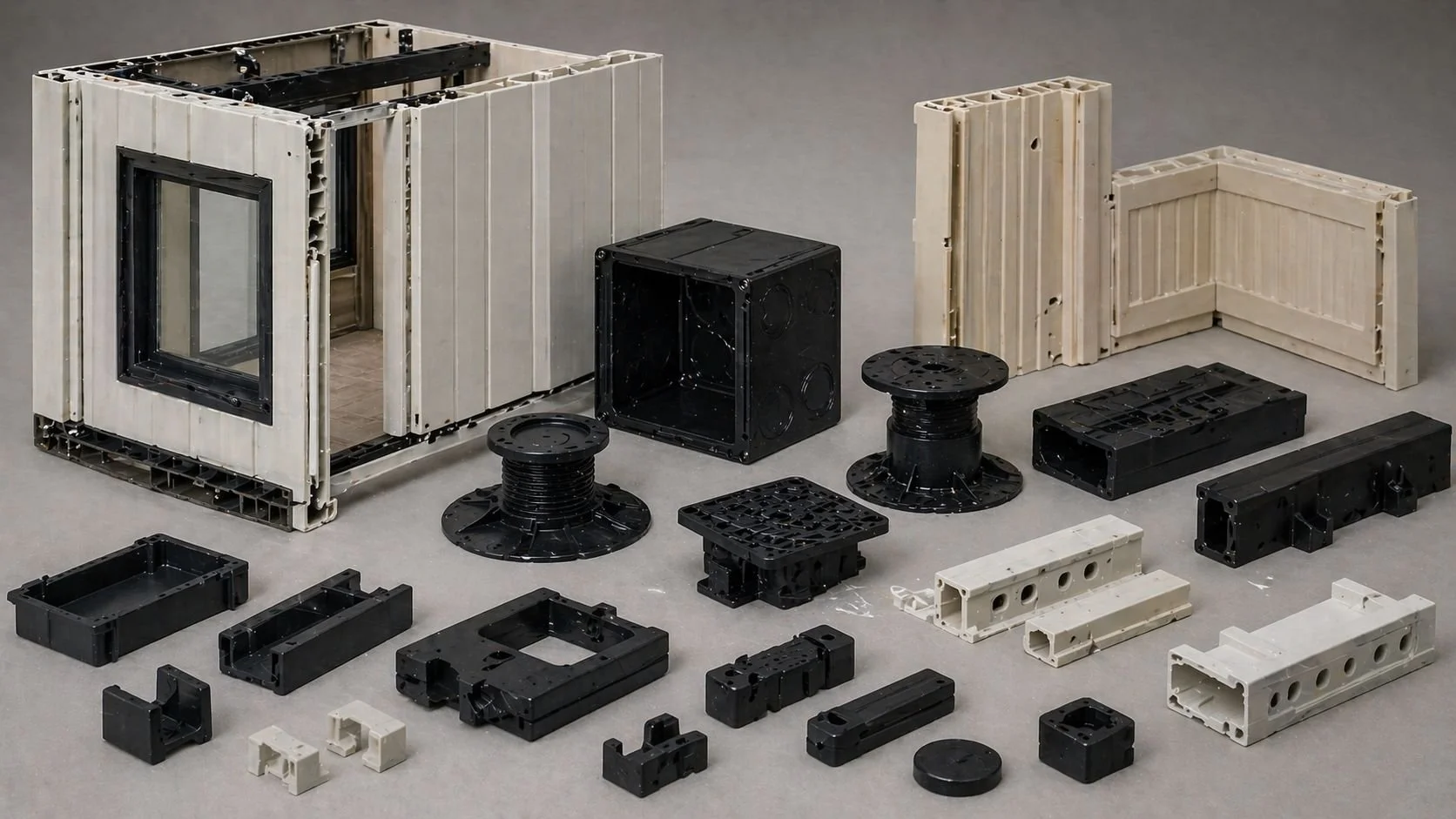
Prefabricated Construction Components
Prefabricated building systems are becoming more common in modern construction.
Injection moulded plastic components support modular construction by enabling manufacturers to produce prefabricated fittings and structural elements that integrate directly into building systems.
Prefabricated components reduce on-site construction time and improve overall project efficiency.
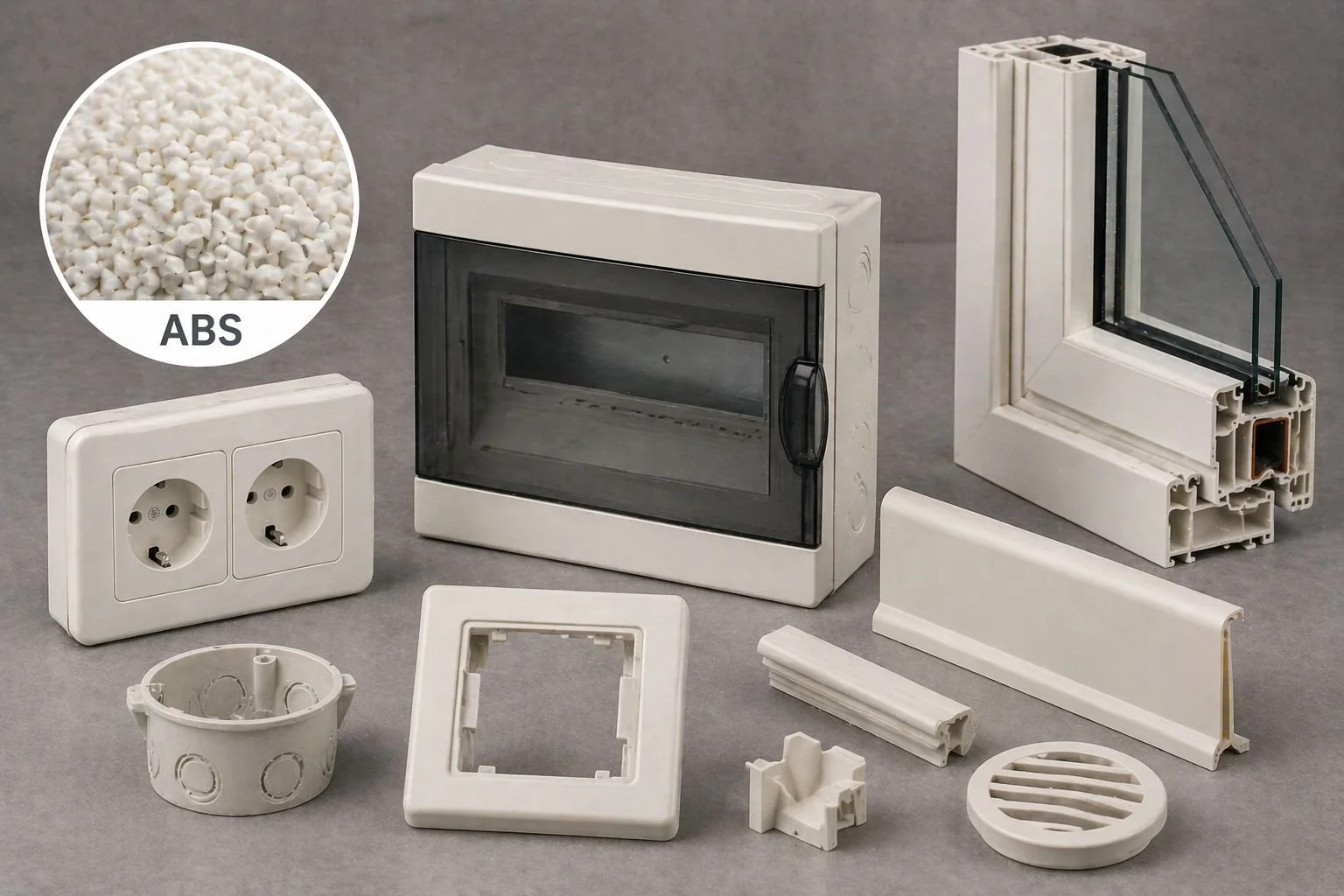
Materials Used in Injection Moulded Construction Products
Different plastic materials are selected depending on the structural and environmental requirements of the application.
ABS (Acrylonitrile Butadiene Styrene)
ABS is widely used in construction components because of its impact resistance and strength.
This thermoplastic material provides:
good mechanical durability
resistance to impact damage
stable performance in indoor environments
ABS is commonly used in electrical housings, interior fixtures, and equipment components.
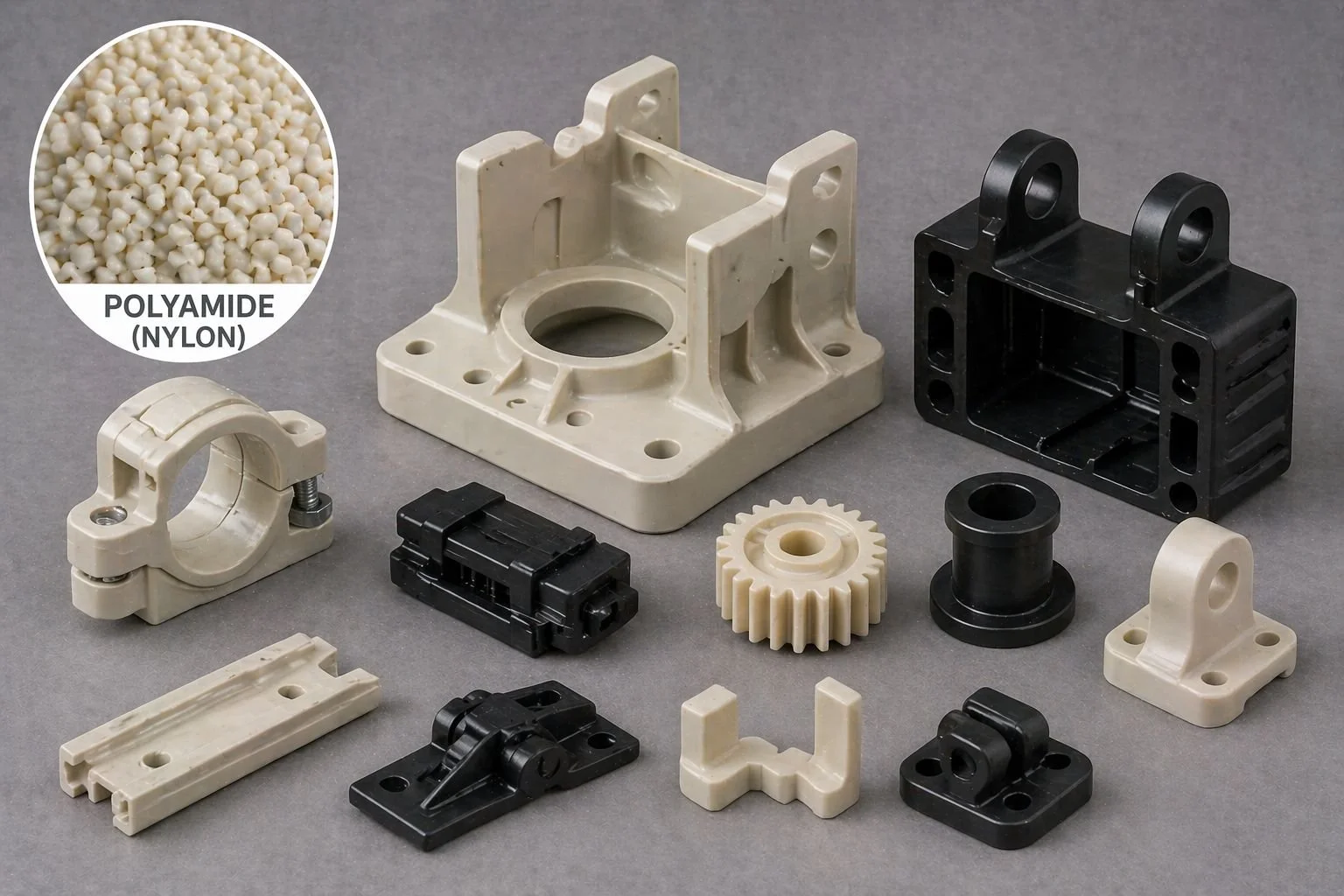
Polyamide (Nylon)
Polyamide, commonly known as nylon, offers excellent strength and mechanical durability.
Nylon is often used in applications requiring high structural performance, such as mechanical connectors and load-bearing components.
It also offers resistance to wear and mechanical stress.
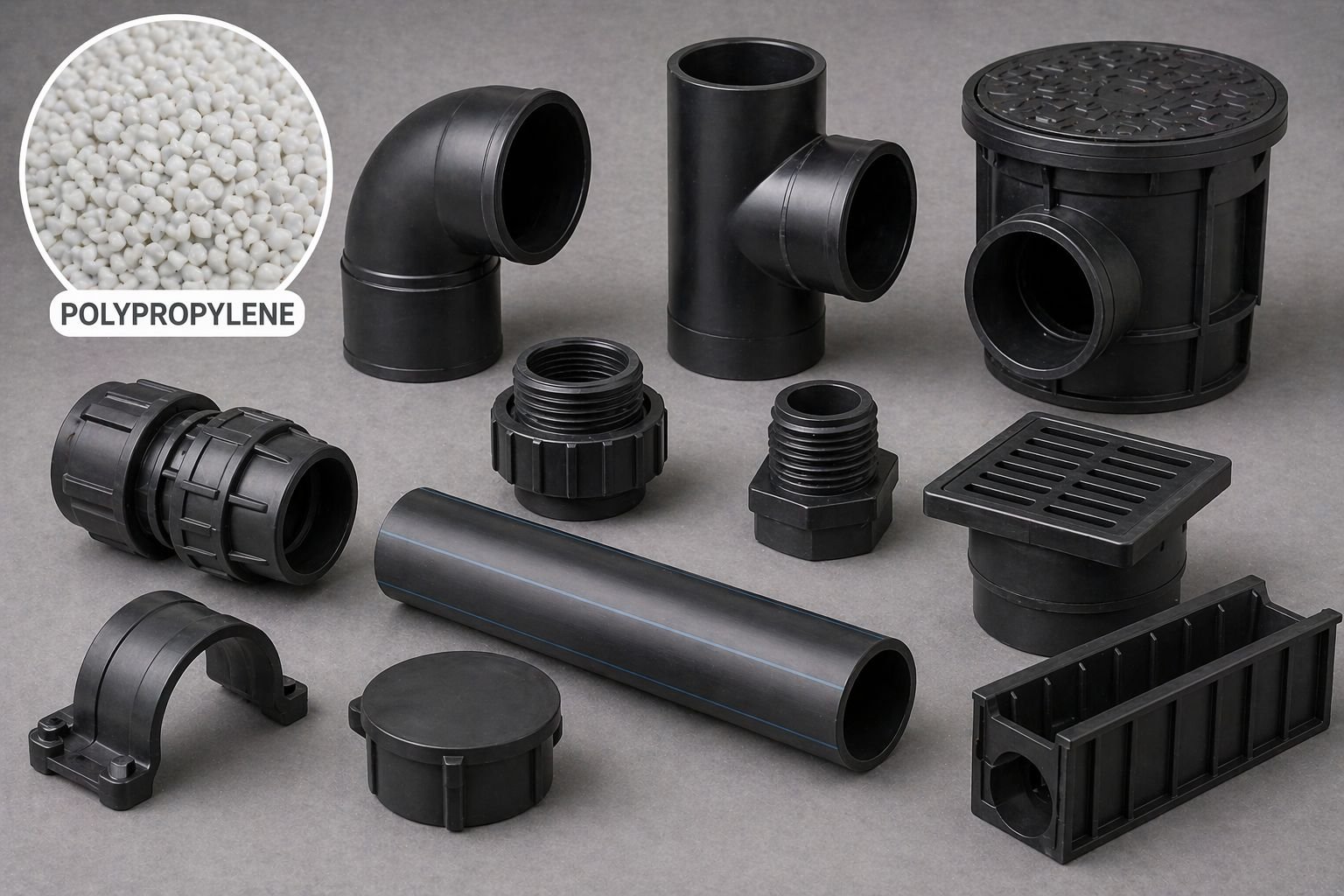
Polypropylene
Polypropylene is another commonly used material in construction plastics.
This versatile material offers:
chemical resistance
flexibility and toughness
moisture resistance
Polypropylene is frequently used in pipe fittings, drainage systems, and outdoor infrastructure components.
Manufacturing technologies continue to evolve, enabling higher precision and greater production efficiency.
The Modern Injection Moulding Production Process
The injection moulding process typically follows several stages.
Modern Injection Moulding Technologies for Construction Manufacturing
| Stage | Description |
|---|---|
| Material preparation | Plastic pellets are heated until molten |
| Injection | Molten material is injected into the mould tool |
| Cooling | The material solidifies inside the mould |
| Ejection | The finished moulded component is removed |
This automated production process ensures consistent quality across every part produced.

Automation and Digital Manufacturing Systems
Modern injection moulding facilities often integrate automation and digital monitoring technologies.
Automation improves production efficiency by:
● maintaining consistent production cycles
● reducing human error
● monitoring mould temperature and pressure
● ensuring consistent product quality
These technologies allow manufacturers to produce large volumes of plastic components with high precision.
Comparing Injection Moulded Plastics with Traditional Building Materials
Construction companies often evaluate injection moulded plastics alongside traditional materials such as steel, timber, and concrete.
Weight and Handling Advantages
Plastic components are significantly lighter than steel or concrete alternatives.
This weight advantage simplifies transportation and installation on construction sites.
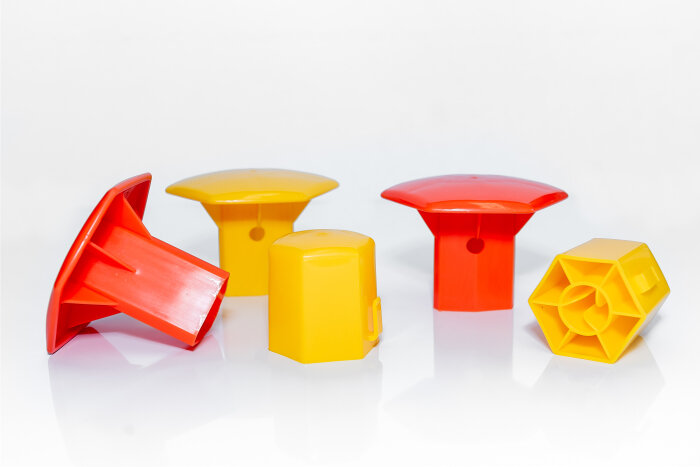
Corrosion and Weather Resistance
Metal components can corrode when exposed to moisture or chemicals. Plastic materials are naturally resistant to corrosion and many environmental factors.
This makes them suitable for outdoor infrastructure and coastal environments.

Cost Efficiency Over the Product Lifecycle
Although the initial tooling cost for injection moulding can be significant, the long-term cost per component decreases dramatically during high volume production.
Lower maintenance requirements also reduce lifecycle costs.
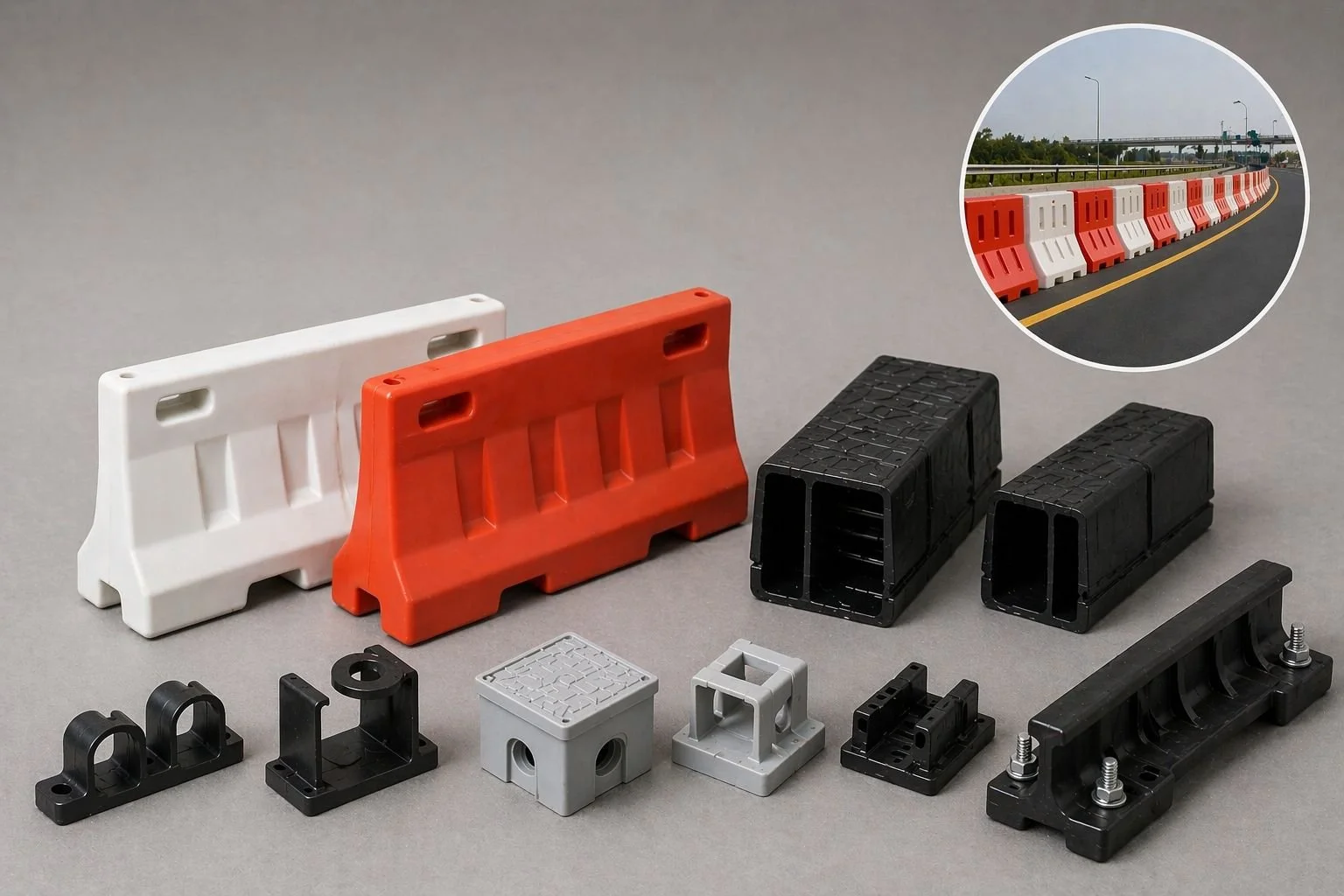
Real World Applications in Infrastructure Projects
Injection moulded plastics are now widely used across infrastructure projects in Australia and internationally.
Transport Infrastructure Projects
Transport infrastructure often incorporates plastic components for safety barriers, cable housings, and rail infrastructure fittings.
Plastic moulded components help reduce installation time while maintaining durability in harsh environments.
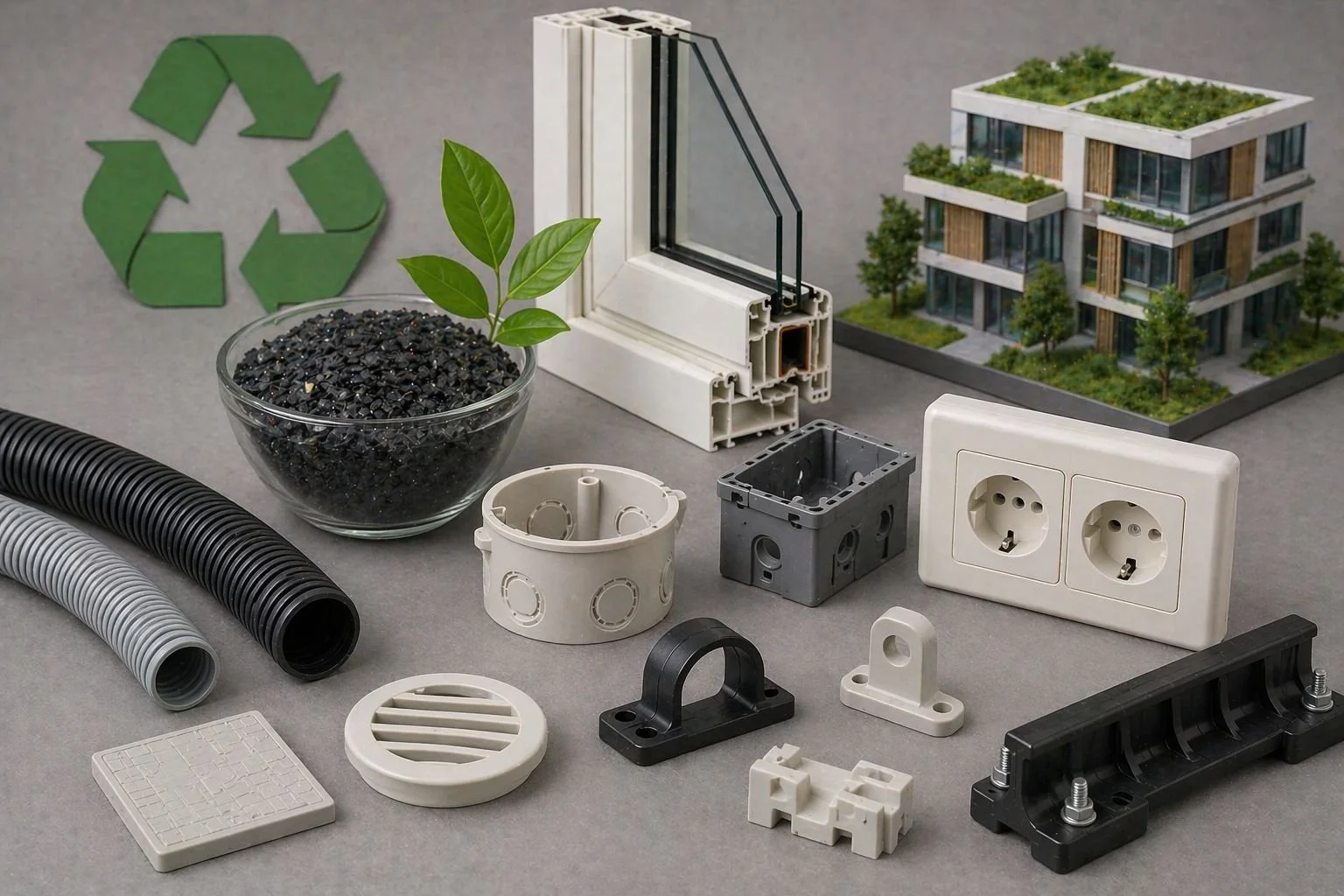
Sustainable Building Projects
Modern construction increasingly focuses on sustainability and material efficiency.
Injection moulded plastics can incorporate recycled material content and reduce manufacturing waste, supporting environmentally responsible building practices.
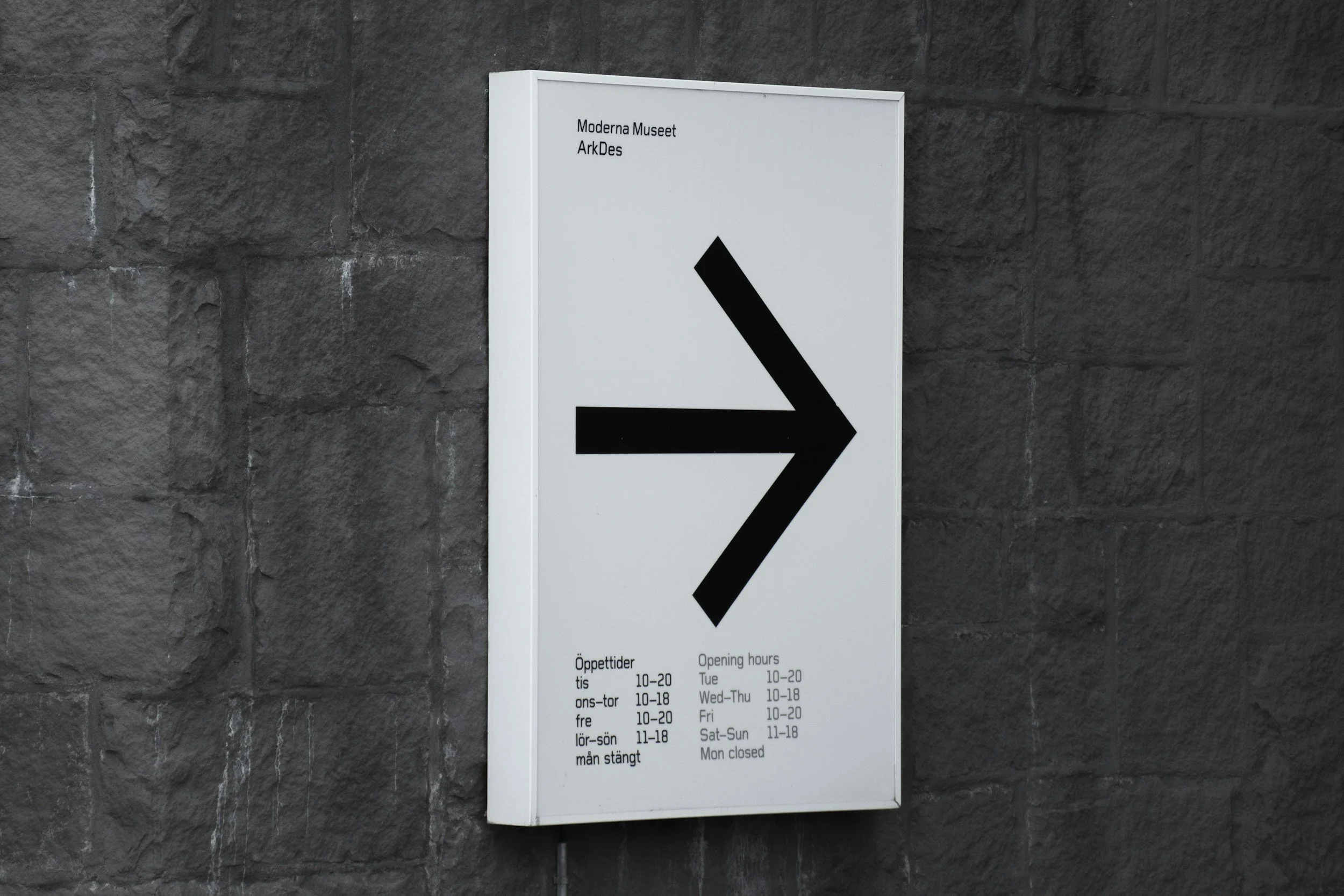
Community and Public Space Installations
Urban infrastructure often uses plastic components in public spaces.
Examples include:
outdoor seating and street furniture
signage infrastructure
playground equipment and recreational structures
These installations require materials capable of withstanding heavy public use and environmental exposure.

Choosing the Right Injection Moulding Partner for Construction Projects
Selecting the right manufacturing partner can significantly impact project outcomes.
Engineering Expertise and Industry Knowledge
Construction components must meet strict engineering specifications and regulatory requirements.
Manufacturers with engineering expertise can optimise designs before tooling begins, improving product performance and manufacturing efficiency.

Quality Manufacturing and Material Expertise
Reliable manufacturers implement quality control processes throughout production.
Material selection is equally important. The right material ensures that moulded components meet performance requirements for durability, weather resistance, and structural integrity.
Scalable Production for Large Projects
Infrastructure projects often require large production volumes.
Manufacturers must have the capacity and expertise to support these projects without compromising product quality or delivery timelines.
Simple 3 Step Process for Developing Construction Components
| Step | Action | Result |
|---|---|---|
| Design | Engineers develop and optimise product designs | Components ready for manufacturing |
| Tooling | Precision mould tools are produced | Production ready mould tooling |
| Production | Injection moulding manufacturing begins | Consistent high volume components |

Start Your Construction Injection Moulding Project
Infrastructure projects demand reliable manufacturing partners who understand both engineering and production requirements.
Request a Quote for Custom Construction Components
If you are planning a construction or infrastructure project that requires moulded plastic components, the B&C Plastics team can review your specifications and provide manufacturing guidance.
Speak With an Injection Moulding Specialist
Our engineers regularly work with construction companies, product developers, and procurement teams across Australia.
If you want to learn how injection moulding can support your next infrastructure project, contact B&C Plastics today to discuss your design, tooling, and manufacturing requirements.