
Is LDPE Recyclable in Australia?

A Recycling FAQ and Knowledge Hub by B&C Plastics
Yes, LDPE is recyclable in Australia, but not usually through household kerbside bins. This distinction is critical, and it is where confusion, contamination, and missed circular outcomes begin. For businesses, procurement teams, and sustainability managers asking how to recycle LDPE properly, the answer is not just about bins. It is about systems, materials, sorting, and working with the right recycling and manufacturing partner.
LDPE recycling sits at the intersection of waste reduction, circular economy targets, APCO compliance, and real-world manufacturing performance. When done correctly, LDPE recycling keeps valuable plastic materials in use and out of landfill. When done poorly, it contaminates streams and undermines sustainability goals. This page explains the difference clearly and practically.
Recycling FAQs and Knowledge Hub

LDPE stands for low-density polyethylene, a flexible plastic commonly used in bags, soft packaging, liners, films, and squeeze containers. It is marked with the plastic identification code number 4.
Quick FAQ Summary
-
Yes
-
Usually no
-
Yes
-
Yes, when sorted and clean
-
Commercial and specialist recycling services
This is where professional recycling systems outperform household recycling.


Combining full ISO certification with DISP accreditation, B&C Plastics provides high-quality, secure, and traceable plastic injection moulded components engineered for reliability and performance.
Recyclable Plastics in Australia Explained
Australia uses plastic identification codes to classify different plastics. These codes help identify materials but do not guarantee kerbside acceptance.
Common recyclable plastics include:
PET number 1 used in drink bottles
HDPE number 2 used in milk bottles and rigid containers
PVC number 3 used in pipes and building products
LDPE number 4 used in bags and soft packaging
PP number 5 used in food containers and lids
Polystyrene number 6 with limited recycling pathways
Kerbside recycling systems are designed primarily for hard plastics, paper, glass, aluminium, and steel. Soft plastics like LDPE bags and films often cause sorting and machine issues, which is why most councils do not accept them in yellow bins.
This does not mean LDPE is non-recyclable. It means it requires the right collection and processing pathway.
LDPE and Polystyrene Recycling Solutions
LDPE and polystyrene are often grouped together as “problem plastics,” but they are very different in recycling potential.
LDPE
Flexible and low density
Used in bags, liners, packaging films, and squeeze bottles
Highly recyclable when clean and sorted
Suitable for closed-loop and commercial recycling
Polystyrene
Rigid or foam structure
Low density and high contamination risk
Limited recycling infrastructure
Often diverted to landfill
LDPE recycling works best when:
The plastic waste is separated at source
The material is clean and free from food contamination
Volumes are consistent
End-use products are planned in advance
This is why LDPE recycling is more successful in business, industrial, and manufacturing environments than in household systems.

What Happens to Recycled Plastic Materials
When LDPE is recycled correctly, it goes through a controlled process that protects material quality.
The Recycling Process
Collection and sorting of LDPE plastic waste
Cleaning and washing to remove residues
Shredding into flakes
Reprocessing into pellets
Manufacturing into new products
Recycled LDPE is commonly used to make:
New bags and liners
Plastic film and packaging
Outdoor products and garden items
Containers and industrial products
Each cycle keeps plastic materials in use and reduces reliance on virgin polyethylene.

Commercial Recycling Services for Businesses
For businesses, the question is not “can LDPE be recycled” but “how do we recycle LDPE properly at scale”.
Commercial recycling services provide:
Clear sorting rules
Dedicated collection systems
Reduced contamination risk
Traceability for ESG and APCO reporting
At B&C Plastics, recycling services are aligned to manufacturing outcomes. This means LDPE waste is not just diverted, it is designed back into new products.
This approach supports:
Circular economy objectives
APCO recycled content targets
Reduced landfill waste
Reliable recycled material supply
Plastic Collection and Recycling Bins
One of the most common questions is about bins.
Yellow Lid Bins
Designed for rigid plastics, paper, glass, and metal
LDPE bags and soft plastics usually not accepted
Incorrect disposal causes contamination
Red Lid Bins
General waste
LDPE sent here is lost to landfill
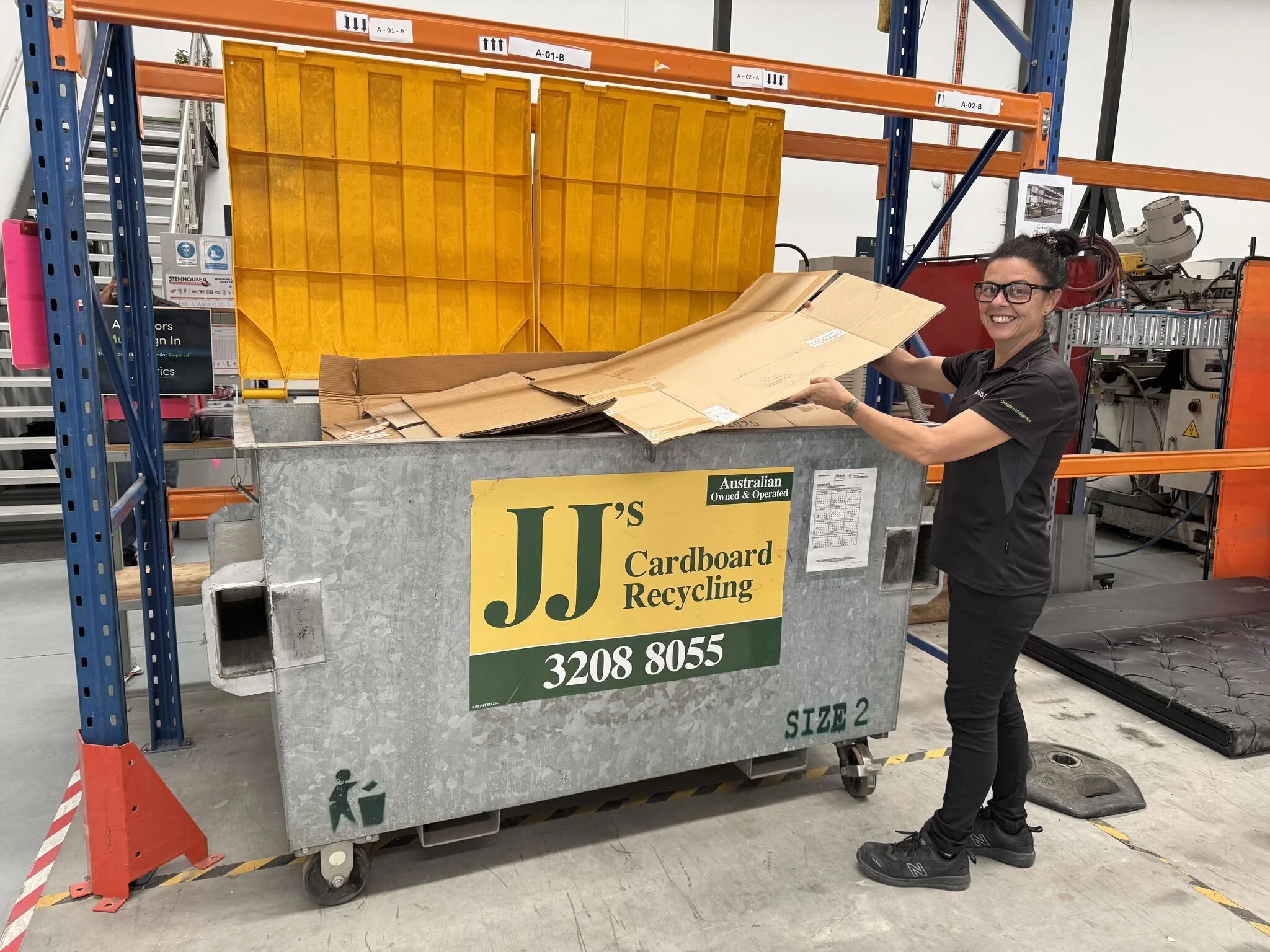
Commercial and Specialist Collection
Separate bins for soft plastics
Clear labelling and staff training
Best pathway for LDPE recycling
For businesses generating regular LDPE waste, specialist collection is the most effective solution.
LDPE recycling success depends on more than good intentions. It depends on systems, experience, and end-use certainty.
Why professional partners matter
Proper sorting reduces contamination
Clean material improves recycled quality
Manufacturing integration ensures demand
Documentation supports sustainability reporting
B&C Plastics combines recycling knowledge with engineering-led manufacturing. This ensures recycled LDPE is not just collected but turned into reliable, compliant products.
Why Choose a Professional Recycling Partner
Simple 3 Step Circular Process

Step 1: Collect and sort LDPE waste correctly

Step 2: Process into clean recycled materials

Step 3: Manufacture new plastic products
This closes the loop and delivers measurable outcomes.

Shop Recycled Plastic Products
Recycling only works when there is demand for recycled products.
B&C Plastics manufactures a wide range of products made using recycled plastics, including LDPE and HDPE blends where appropriate. These products are designed for performance first, then optimised for recycled content.
Choosing recycled products:
Supports local recycling systems
Reduces landfill waste
Strengthens circular supply chains
Businesses looking to buy recycled plastic products can work directly with B&C to ensure suitability, durability, and compliance.

About Our Recycling Mission
B&C Plastics approaches recycling as a manufacturing and systems challenge, not a marketing exercise.
The mission is clear:
Keep plastic waste out of landfill
Design products for recyclability
Use recycled materials where they perform
Support Australian-made circular solutions
This includes leadership and participation with:
Australian Packaging Covenant Organisation
Australian Council of Recycling as an Associate Member
Product Stewardship Centre of Excellence Partner Program
Cooperative Research Centre focused on medical plastic waste
These roles ensure recycling claims are backed by real systems and real outcomes.

Sustainability Updates and Resources
LDPE recycling in Australia continues to evolve. Changes in APCO targets, collection infrastructure, and manufacturing capability mean businesses must stay informed.
Key points to remember:
LDPE is recyclable but not kerbside-friendly
Clean, sorted waste is essential
Commercial recycling delivers better results
Recycled plastics perform when engineered correctly
If your business is reviewing recycling systems, packaging materials, or recycled content targets, now is the time to act.
Ready to Recycle LDPE the Right Way?
LDPE recycling is not about guessing which bin to use. It is about building a system that works.
If you want:
Clear guidance on LDPE recycling
Commercial recycling services
Recycled plastic products
Support with APCO and ESG reporting
Contact B&C Plastics to discuss how your LDPE waste can become part of a reliable, circular manufacturing solution. Recycling works best when it is designed properly, executed professionally, and connected to real products.