
Is LDPE Recyclable in Australia?

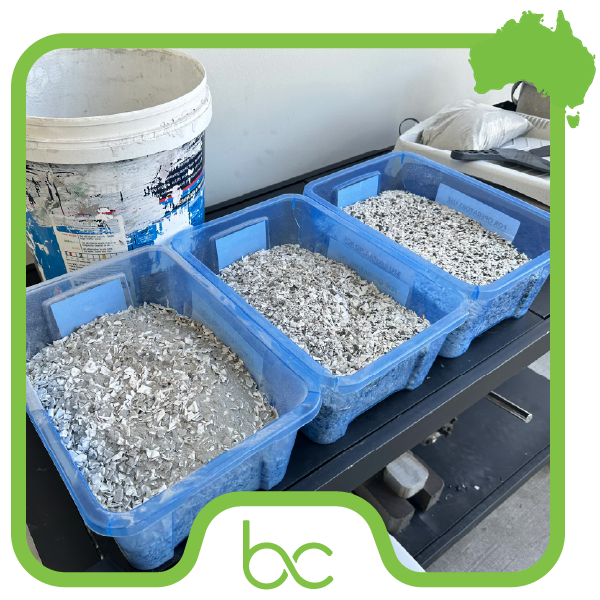
Yes, LDPE is recyclable in Australia, but most LDPE plastic cannot go in the yellow-lid kerbside recycling bin and usually requires specialised collection or soft-plastic recycling programs.
Understanding how LDPE works in the recycling ecosystem matters for households, product developers, and businesses working toward sustainability targets such as APCO’s circular packaging goals. In this FAQ knowledge hub, we break down what LDPE plastic is, where it appears in everyday products, how recycling works in Australia, and how businesses can move toward smarter plastic packaging and recycled materials.
Recycling FAQs and Knowledge Hub

Quick FAQ Summary
-
LDPE stands for low-density polyethylene, a flexible plastic polymer used widely in packaging and consumer products. It is identified by recycling code number 4 inside the triangular recycling symbol.
LDPE plastics are commonly used because they are lightweight, flexible, moisture resistant, and cost-effective. These materials appear in many everyday items such as:
bread bags
plastic bags used for groceries
squeeze bottles and soft containers
frozen food packaging
bubble wrap and mailing materials
Although LDPE is technically recyclable, its flexible structure makes sorting and recycling more complex than rigid plastics like PET bottles or HDPE containers.
-
Many people assume that if a plastic product carries a recycling symbol, it can go straight into the yellow recycling bin. In reality, kerbside recycling systems across Australia mainly process rigid plastics such as bottles, containers, and hard packaging.
Soft plastic materials like LDPE bags often require specialised collection streams because they can become tangled in recycling machinery.
For households, this means:
soft plastic items should usually not go in the yellow-lid recycling bin
some supermarkets or dedicated programs accept LDPE bags for recycling
availability varies by council and region
For businesses and manufacturers, this challenge has led to a strong focus on designing plastic products that are easier to recycle and contain recycled material content.
For businesses and manufacturers, this challenge has led to a strong focus on designing plastic products that are easier to recycle and contain recycled material content.


Combining full ISO certification with DISP accreditation, B&C Plastics provides high-quality, secure, and traceable plastic injection moulded components engineered for reliability and performance.
Recyclable Plastics in Australia Explained
Australia’s recycling system is based on plastic identification codes, which help recycling facilities identify different plastic types.
The most common plastic categories include:
| Recycling Code | Plastic Type | Typical Products |
|---|---|---|
| 1 | PET | water bottles, juice bottles |
| 2 | HDPE | milk bottles, detergent containers |
| 3 | PVC | pipes, construction materials |
| 4 | LDPE | plastic bags, soft packaging |
| 5 | Polypropylene | takeaway food containers |
| 6 | Polystyrene | foam packaging |
| 7 | Other plastics | mixed plastic materials |
Rigid plastic containers such as PET bottles and HDPE milk bottles are widely accepted in kerbside recycling programs across Australia. These materials can be easily sorted, cleaned, and recycled into new plastic products.
Soft plastic packaging made from LDPE is different. Because it is lightweight and flexible, it often requires separate collection and sorting processes.

What does “recyclable” really mean?
A plastic material is considered recyclable if it can be processed into new products after use. However, being recyclable does not always mean it is accepted in every recycling system.
Three factors usually determine whether plastics are actually recycled:
Collection infrastructure in local councils
Sorting capability in recycling facilities
Demand for recycled materials in manufacturing
LDPE meets the technical definition of recyclable plastic, but the recycling pathway depends heavily on the local recycling system.
LDPE and Polystyrene Recycling Solutions
LDPE and polystyrene are often grouped together in discussions about difficult-to-recycle plastics because both require specialised processing systems.
LDPE recycling pathways
LDPE plastic can be recycled through several methods:
soft plastic collection programs
specialised industrial recycling facilities
commercial plastic recycling streams
Once collected and cleaned, LDPE plastic materials are shredded, melted, and processed into pellets. These pellets can then be used to manufacture new products such as:
plastic decking
outdoor furniture
piping and construction materials
recycled plastic packaging
Polystyrene recycling challenges
Polystyrene, commonly used in foam packaging and takeaway containers, is more difficult to recycle than LDPE.
Its low density and fragile structure make collection and transport inefficient. In many regions, polystyrene is not accepted in kerbside recycling programs and often ends up as landfill waste.
This is why many manufacturers are now redesigning packaging to use more recyclable plastic materials such as polypropylene or HDPE.

What Happens to Recycled Plastic Materials
When plastic materials are collected for recycling, they follow a structured processing journey.
The plastic recycling process
The recycling process typically includes the following stages:
Collection Plastic items are collected from kerbside bins or specialised recycling programs.
Sorting Materials are separated by plastic type using automated systems and manual sorting.
Cleaning Containers and packaging are cleaned to remove food residue, labels, and contamination.
Shredding and pelletising Clean plastics are shredded into flakes and melted into small recycled pellets.
Manufacturing These pellets are used to create new plastic products.
Recycling helps reduce the amount of plastic waste sent to landfill and lowers demand for virgin plastic materials.
In Australia, many recycled plastics are used to produce construction materials, packaging, and industrial components.

Commercial Recycling Services for Businesses
Businesses often generate large volumes of plastic packaging, containers, and materials that require specialised recycling services.
For manufacturers, retailers, and logistics companies, commercial recycling solutions may include:
plastic waste collection services
sorting and processing of packaging materials
industrial recycling partnerships
closed-loop recycling programs
These services help organisations reduce landfill waste while improving sustainability reporting and environmental performance.
Many Australian companies are now designing products using recycled materials to support circular manufacturing models.
Plastic Collection and Recycling Bins
Understanding how plastic recycling bins work helps reduce contamination and improve recycling outcomes.
Yellow lid recycling bins
Across many Australian councils, the yellow-lid bin is used for recyclable materials.
These bins commonly accept:
plastic bottles
milk containers
juice containers
aluminium cans
cardboard and paper
Soft plastic items such as bags and flexible packaging are usually not accepted in these bins because they can damage recycling machinery.
Tips for recycling plastic correctly
To improve recycling outcomes:
rinse bottles and containers before recycling
remove food residue where possible
keep recycling loose in the bin rather than inside plastic bags
check the recycling symbol and plastic number on the product
These simple steps help prevent contamination and increase the likelihood that plastic materials are successfully recycled.
For businesses producing plastic products, packaging, or components, working with a professional recycling partner can make a significant difference.
Supporting circular manufacturing
Modern manufacturers increasingly focus on designing products with circularity in mind. This includes:
reducing the number of different plastic types in a product
designing packaging that can be easily recycled
incorporating recycled plastic materials into manufacturing
Engineering-led plastics manufacturers often play an important role in this process by helping product developers optimise designs for recyclability.
Engineering-led plastics manufacturing
An engineering-led plastics partner does more than mould parts. They help businesses design plastic products that perform well while supporting sustainability goals.
This approach typically includes:
design for manufacture (DFM)
material selection expertise
recycled plastic integration
scalable injection moulding production
For organisations aiming to reduce plastic waste or meet sustainability targets, these capabilities can significantly improve product design outcomes.
Why Choose a Professional Recycling Partner

Shop Recycled Plastic Products
Recycled plastics are used to create a wide range of new products across many industries.
Common examples include:
outdoor furniture
construction materials
garden pots and trays
packaging components
industrial equipment parts
As recycling technologies improve, the range of products made from recycled plastic continues to grow.
Businesses that choose recycled materials help strengthen the demand for recycled plastics, which improves the economic viability of recycling systems.

About Our Recycling Mission
Sustainable plastics manufacturing requires more than simply recycling materials. It requires rethinking how products are designed and manufactured from the beginning.
At B&C Plastics, circular manufacturing principles guide the development of many products and manufacturing processes.
These principles include:
designing products with disassembly and recyclability in mind
reducing unnecessary plastic materials
integrating recycled plastic where performance requirements allow
working with sustainability partners across the recycling industry
The company also participates in industry initiatives focused on improving recycling outcomes and reducing plastic waste in Australia.

Sustainability Updates and Resources
The plastics industry continues to evolve as governments, businesses, and consumers work toward better recycling systems and reduced environmental impact.
Recent sustainability developments include:
increased demand for recycled plastic packaging
stricter ESG reporting requirements for businesses
national initiatives to improve plastic recycling infrastructure
product design standards focused on recyclability
For businesses and product developers, staying informed about these developments is essential.
If you want to learn more about sustainable plastics manufacturing, circular product design, or recycled materials in injection moulding, contact the B&C Plastics team or explore our services to see how engineering-led manufacturing can support your next product or packaging project.
By understanding materials like LDPE and improving how plastic products are designed and recycled, we can reduce waste, strengthen recycling systems, and create more sustainable manufacturing across Australia.