
Lifestyle and Consumer Products


Consumer Products Engineered For Retail Performance And Circular Material Integration
Injection moulded lifestyle goods, accessories, and packaging with design optimization, sustainable material options, and Australian manufacturing - delivering brand-aligned aesthetics without compromising durability or time-to-market.
Design-for-manufacture before tooling commitment
Optimize wall thickness, reduce assembly complexity, and integrate branding elements to lower production costs and improve product longevityRecycled and bio-based material options with performance validation
Achieve circular content targets while maintaining impact resistance, UV stability, and surface finish quality for retail environmentsCustom color matching and integrated branding
Mould logos, textures, and brand elements directly into parts, eliminating secondary printing and ensuring consistent brand presentationScalable production from 10,000 to 1M+ units
Support pilot launches through to mass production with predictable per-unit costs and reliable supply schedulingAustralian manufacturing with 2-3 week lead times
Brisbane-based production eliminates offshore freight delays, communication gaps, and inventory risk for faster market response
Share your design files, volume projections, or sustainability requirements. We'll evaluate manufacturability, recommend materials, and provide realistic tooling and production timelines.


Combining full ISO certification with DISP accreditation, B&C Plastics provides high-quality, secure, and traceable plastic injection moulded components engineered for reliability and performance.

Lifestyle and Consumer Products Injection Moulding in Australia
Injection moulding enables the efficient production of durable, visually appealing lifestyle and consumer products by injecting molten plastic into precision engineered moulds to create consistent, high quality parts at scale.
At B&C Plastics in Brisbane, QLD, we work with consumer brands that want more than parts. They want reliable production, circular material options, tight tolerances, and a team that understands how everyday goods actually get used in real lives.
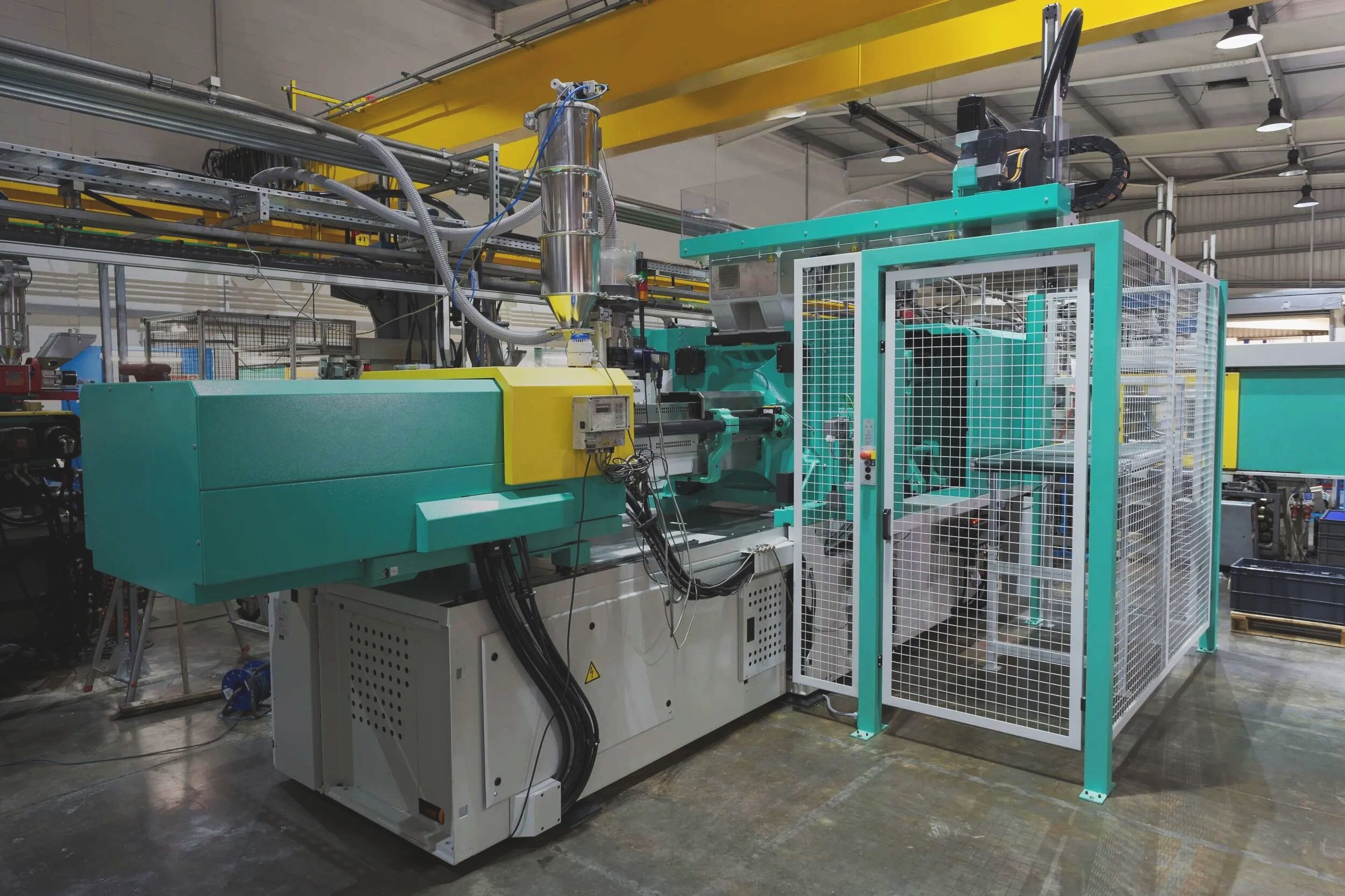
Injection Moulding for Durable Lifestyle and Consumer Products
Injection moulding is widely used to manufacture lifestyle goods such as accessories, appliances, electronics casings, storage items, toys, and packaging components. The process supports sleek aesthetics, lightweight structures, and repeatable precision that other fabrication techniques struggle to match at mass volumes.
For consumer brands, this means you can create items that look sharp on a retail shelf and still hold up to daily wear.
Meet the Team
-
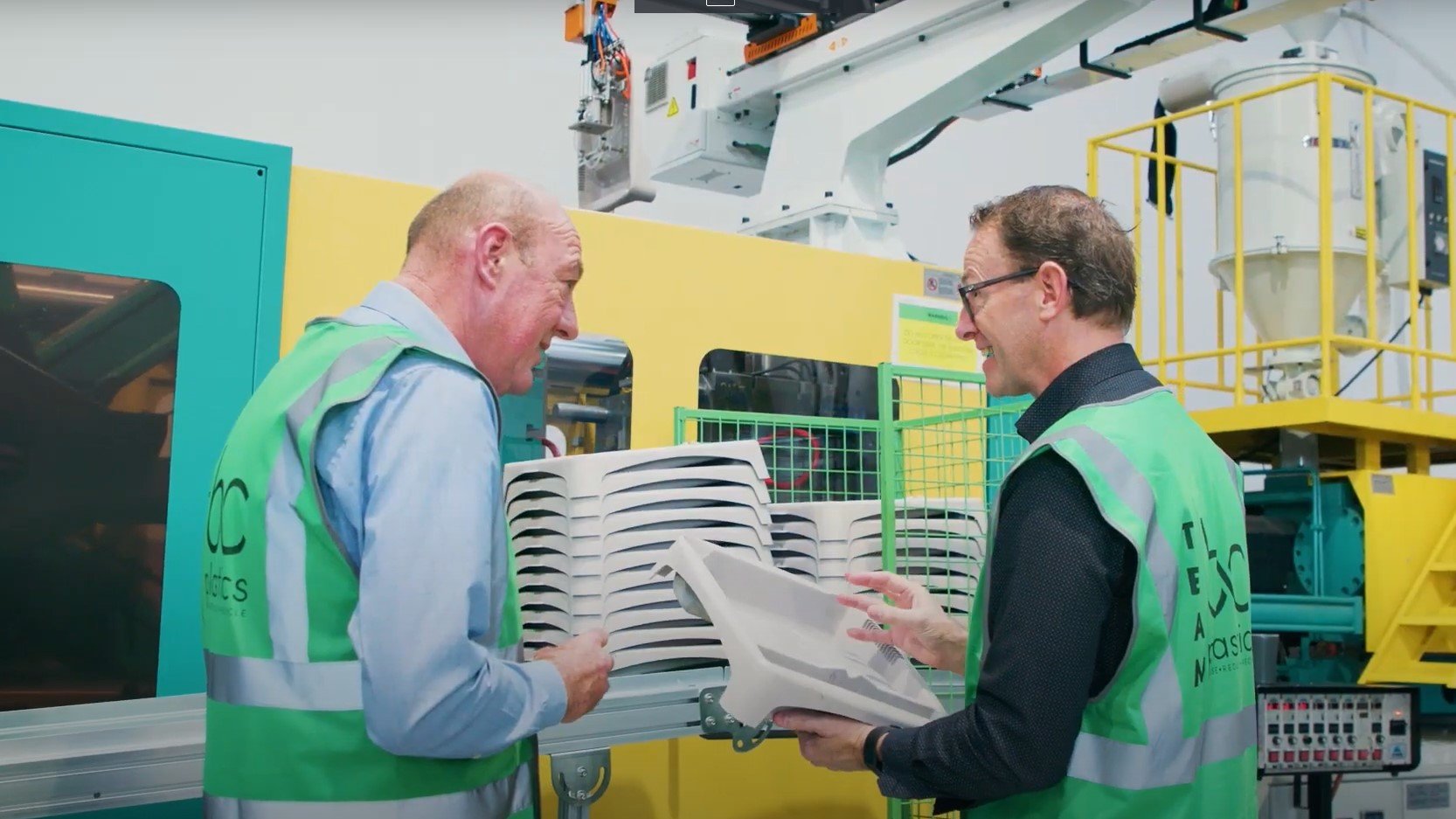
Stylish and Functional Product Design
Modern lifestyle products must balance aesthetics with functionality. That means clean lines, smart shapes, ergonomic grips, living hinges, snap fits, and integrated bosses for screws or inserts.
Injection moulded plastics allow designers to:
● Integrate complex features into one part instead of assembling multiple metal components
● Create smooth, sleek surfaces with consistent finishes
● Incorporate logos, text, and brand marks directly into the mould
● Design lightweight bodies that reduce shipping cost
For example, polypropylene is often used for living hinges in containers and lids because it offers flexibility without cracking. ABS and polycarbonate are common in electronics casings where impact resistance and dimensional stability matter. These materials are used across automotive, aerospace, medical and consumer industries because of their reliable performance.
When designed correctly, a moulded product can replace metal, reduce weight, and simplify assembly without sacrificing strength.
-
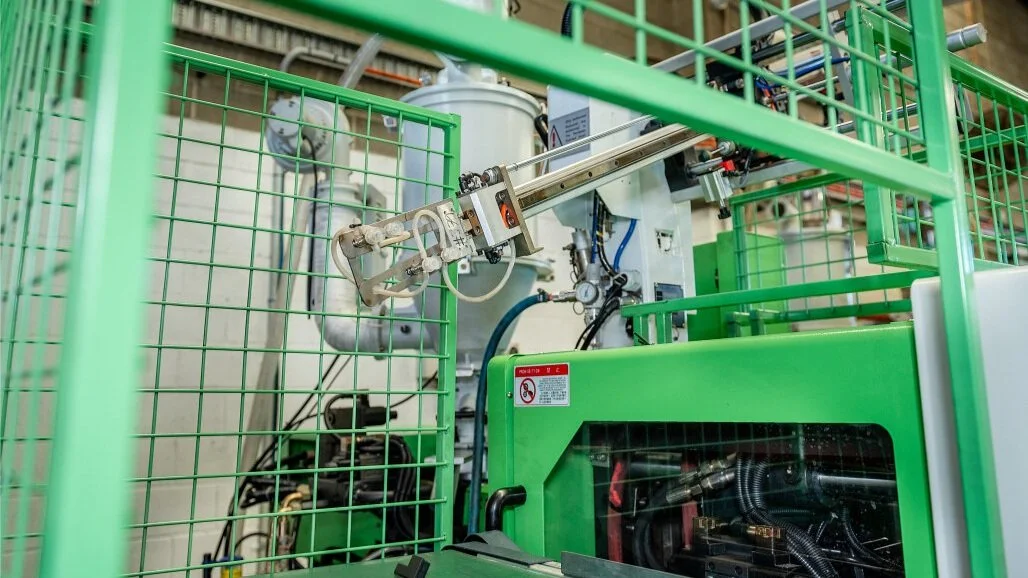
Built for Long Term Durability
Lifestyle does not mean fragile. Everyday goods are handled, dropped, washed, stored outdoors, and exposed to heat.
Engineering grade thermoplastic materials such as ABS, polypropylene, and polycarbonate are selected based on impact resistance, UV stability, and chemical exposure. Additive packages can improve scratch resistance, colour retention, or flexibility depending on the application.
The result is durable plastic components that maintain functionality over time. That durability reduces product returns and strengthens brand trust.
How Injection Moulding Works for Consumer Product Manufacturing
Injection moulding is a repeatable manufacturing process built for scale. Once the tool and mould are developed, production can run efficiently for small batches or mass volumes.
The Injection Moulding Process Explained
At a practical level, the process follows a clear cycle:
Plastic granules are loaded into a hopper.
The material is heated in a barrel until it becomes molten liquid polymer.
The injection unit forces the liquid into a steel mould cavity under pressure.
Clamping holds the mould closed while cooling occurs.
Once solidification is complete, the mould opens and the part is ejected.
This injection, cooling, and ejection cycle repeats consistently, producing identical parts with defined tolerances. The sprue and runner system guide the molten material into the cavity, and cooling channels inside the mould control temperature to reduce warping or sink marks.
Quality control focuses on tolerances, surface marks, wall thickness consistency, and dimensional stability.
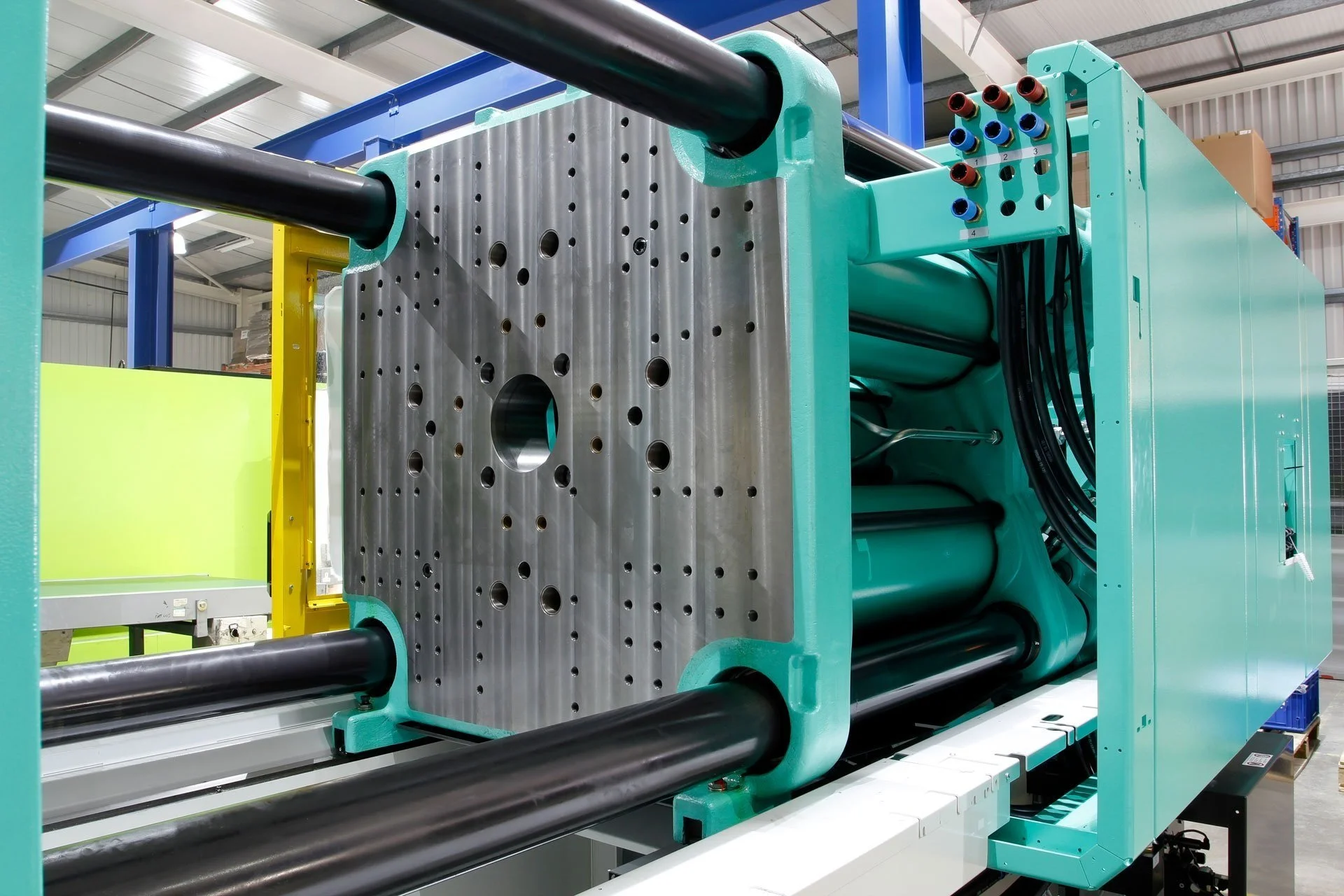
Types of Injection Moulding Techniques
Standard thermoplastic moulding is the most common technique for consumer products. However, depending on product requirements, variations may be used:
Multi material moulding for combining rigid and flexible polymers
Insert moulding where metal or threaded inserts are placed into the mould
Overmoulding with elastomers or silicone for soft touch grips
Low volume pilot runs before scaling to mass production
While additive manufacturing such as SLS or 3D printing is useful during prototyping, injection moulding remains the best option for consistent mass production of finished goods.

Strong design is what separates average parts from high performing products. Injection moulding rewards smart design and penalises shortcuts.
Designing for Strength and Functionality
Wall thickness is critical. Non uniform wall sections increase the risk of warping, sink marks, and internal stress. Ribs can reinforce a part without increasing bulk. Bosses support screws or inserts for assembly. Draft angles prevent drag marks and allow smooth ejection from the mould.
Common design tips include:
Maintain consistent wall thickness to reduce cooling stress
Use ribs at 50 percent of wall thickness for reinforcement
Add draft angles of at least 1 to 2 degrees
Avoid undercuts unless necessary
Round internal corners to improve polymer flow
These techniques improve structural integrity while keeping costs under control.
Design Principles for Injection Moulded Consumer Products
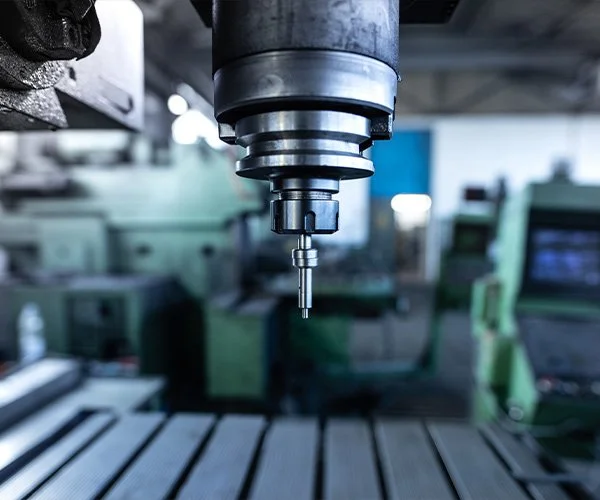
Designing for Manufacturing Efficiency
Design for manufacturing means thinking about cost, tooling complexity, and cycle time before the mould is cut.
Reducing undercuts can simplify mould design. Minimising unnecessary part features reduces tool wear. Optimising gate location and sprue design improves flow and reduces waste.
Good DFM practices reduce tooling costs, shorten production cycles, and support faster market entry.
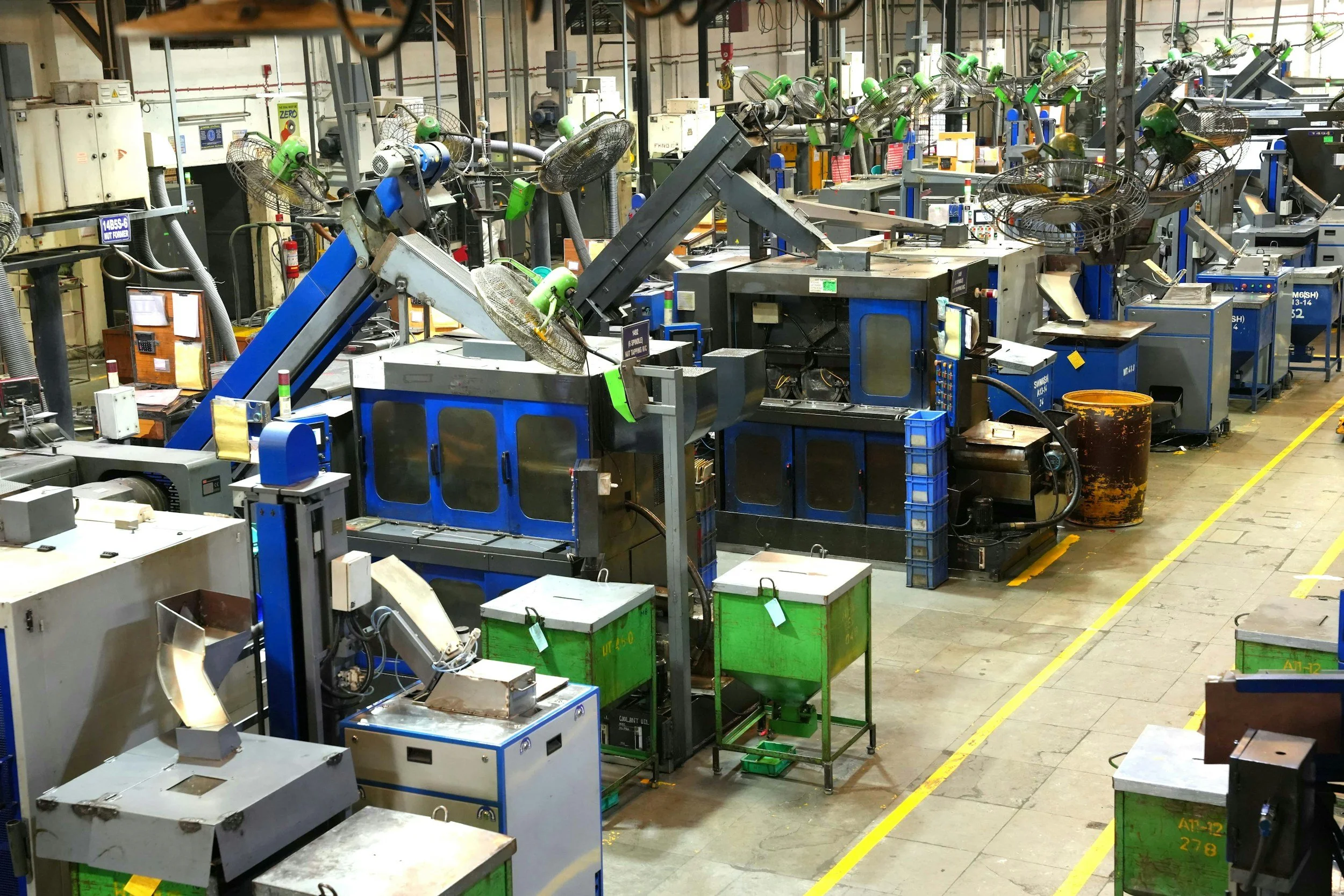
Material selection directly affects performance, aesthetics, sustainability, and cost.
UV Resistant Materials for Outdoor Use
UV stabilised polymers are used for outdoor furniture, storage units, and lifestyle accessories exposed to sunlight. Additives protect against fading and brittleness.
Polypropylene and certain grades of ABS can be compounded for UV resistance. For higher impact applications, polycarbonate blends may be selected.
Materials Used in Injection Moulded Lifestyle Products

Sustainable and Recyclable Plastic Materials
Sustainability is no longer optional. Brands are under pressure to reduce environmental impact and meet recycled content targets.
We offer recycled and bio based materials where suitable. For example, a recent project involved producing a lifestyle product entirely from recycled polymer. Circular material selection must balance environmental benefit with mechanical performance.
It is important to note that recycled content percentages depend on material type and application requirements. Where regulatory or performance constraints apply, we provide transparent information to help brands make informed decisions.
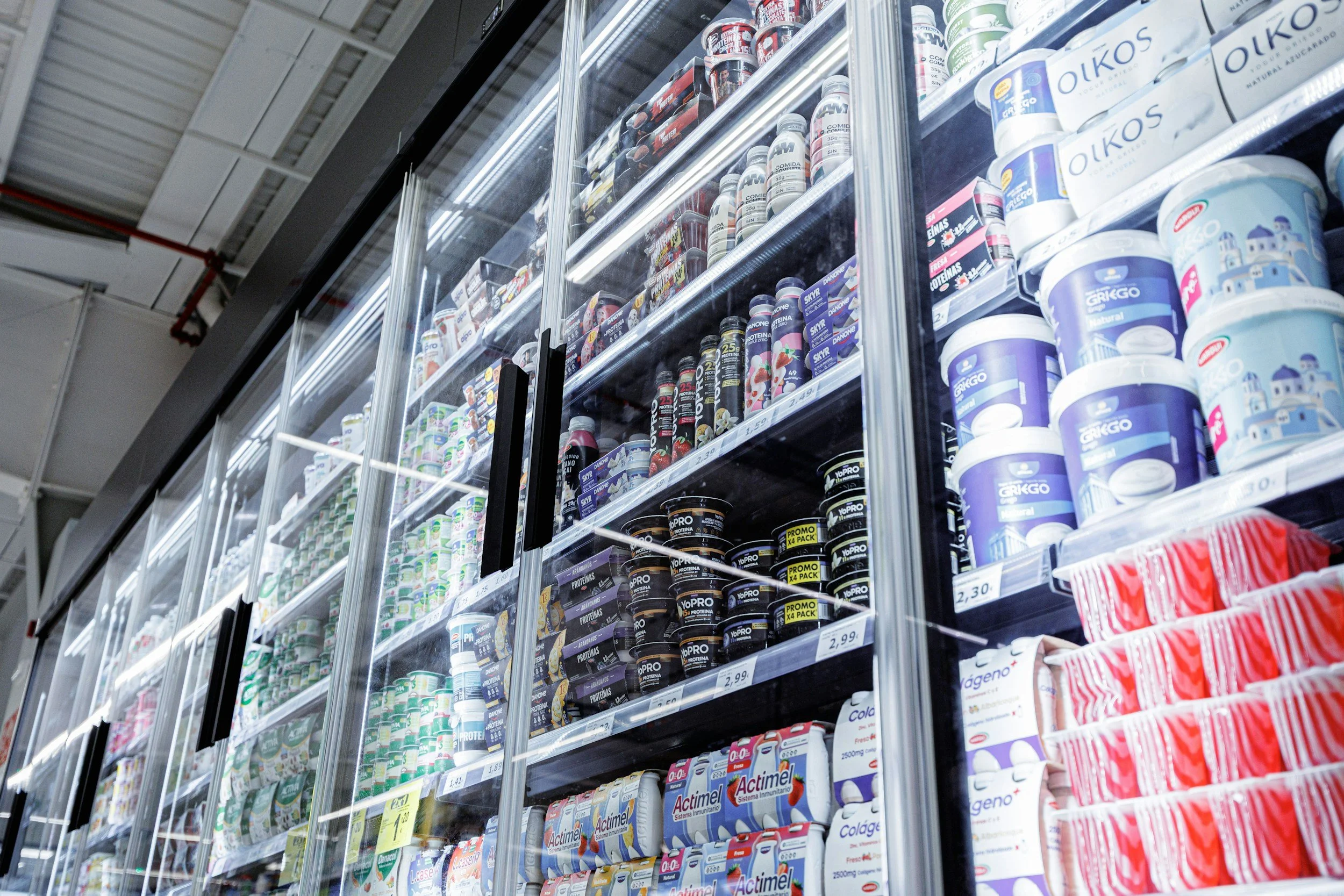
Colourants and Additives for Product Performance
Additive technology allows manufacturers to tailor material behaviour. Additives can improve:
UV stability
Flame retardancy
Impact resistance
Surface finish
Flexibility
Colourants are integrated during material preparation so products come out of the mould ready, reducing secondary finishing.
A consumer product is judged in seconds. Surface quality matters.
Gloss, Matte and Textured Finishes
The finish of a mould directly influences the final part. Polished mould surfaces produce gloss finishes. Textured mould cavities create matte or patterned surfaces that hide marks and fingerprints.
This finishing is built into the tooling, meaning parts are produced with consistent aesthetics every cycle.
Surface Finishes and Aesthetic Options
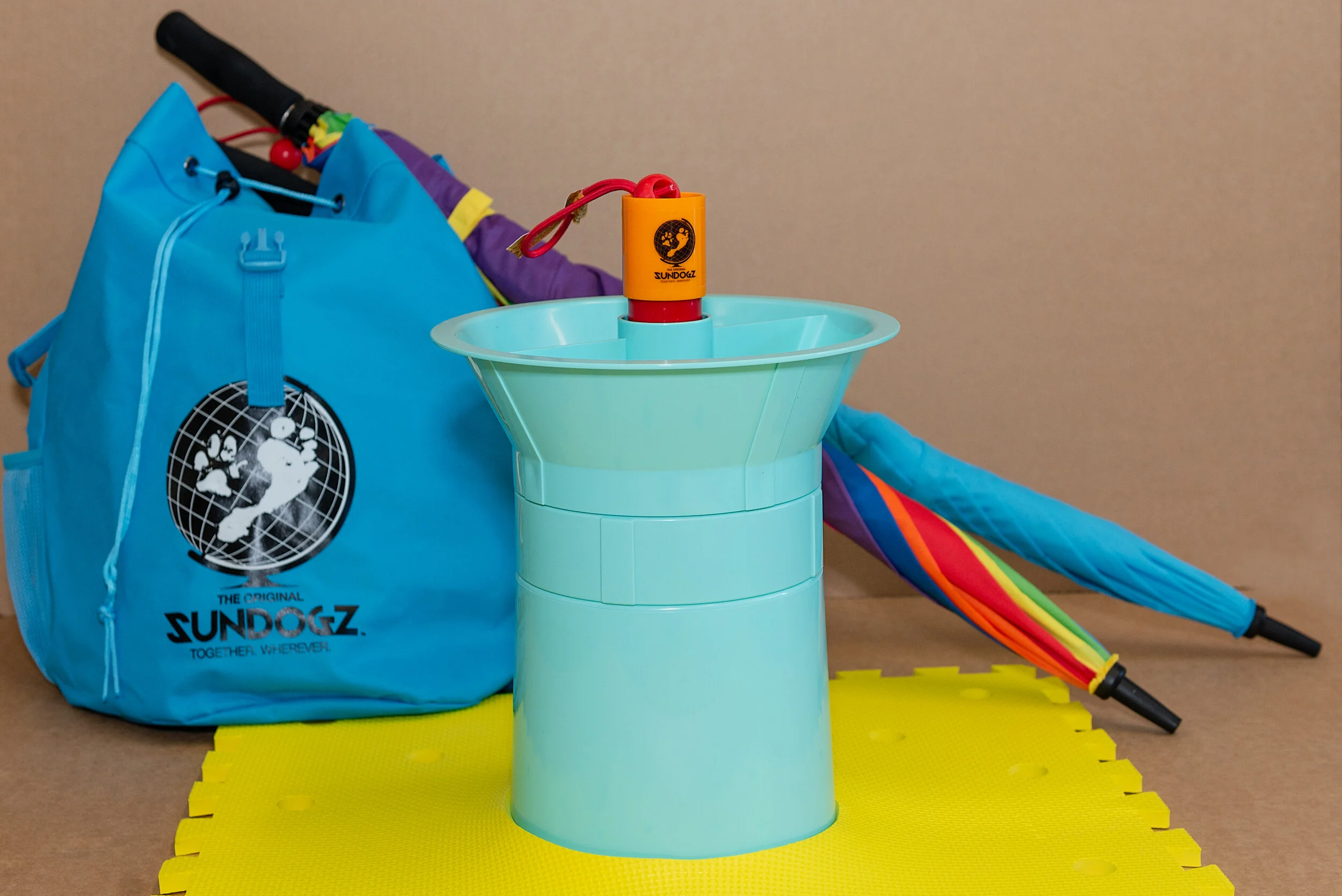
Custom Colour Matching and Branding
Brand alignment is critical in lifestyle goods. Custom colour matching ensures packaging, accessories, and product bodies align with brand identity.
Logos, instructions, and branding elements can be moulded directly into the part, eliminating separate printing steps. This approach reduces long term production costs and improves consistency.
Sustainable Manufacturing in Injection Moulding
Modern plastic manufacturing must balance performance with environmental responsibility.
Efficient Material Usage and Reduced Waste
Injection moulding is efficient because excess material such as sprues and runners can often be reground and reused, depending on the application. Accurate mould design reduces scrap rates and improves yield.
Shorter cycle times and efficient cooling systems also reduce energy consumption per unit.
Durable Products With Long Service Life
The most sustainable product is one that does not need replacing quickly. Durable design extends product life, reduces landfill waste, and improves overall lifecycle impact.
For consumer brands, longer lasting goods support stronger customer relationships.
Local Manufacturing and Responsible Production
Producing goods locally in Brisbane reduces shipping distances, shortens lead times, and strengthens supply chain control.
Australian manufacturing supports local jobs and allows faster response to design changes. For many brands, the real cost difference between offshore and local production includes freight, communication delays, rework, and inventory risk. When those factors are considered, local production often becomes the smarter option.
Advanced Injection Moulding Capabilities
Capability matters when products move from prototype to large scale production.
Precision Tooling and Mould Engineering
High quality mould design underpins part consistency. CNC machining is used to manufacture steel mould tools with tight tolerances.
Proper cooling channel design controls temperature during solidification. Effective clamping systems prevent flash and dimensional distortion. The mould must handle repeated cycles without degradation.
Scalable Manufacturing for Consumer Product Brands
Once validated, injection moulding supports scalable production from pilot runs to high volumes.
Whether you need tens of thousands of units or ongoing mass production, the process produces consistent parts at predictable cost per unit. Production planning aligns with demand forecasts to maintain reliable supply.
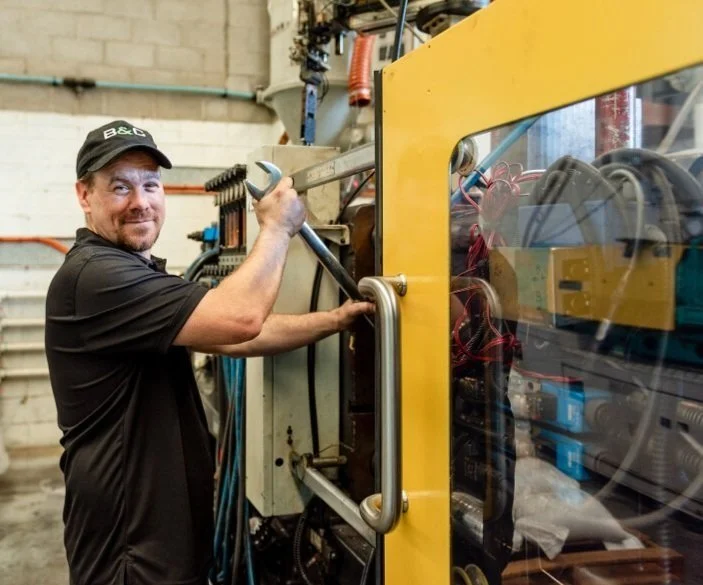
From Concept to Finished Product
Moving from idea to retail shelf requires coordination.
Product Design and Engineering Support
Our team collaborates with product designers, engineers, and brand managers. We review CAD files, provide DFM feedback, and identify potential risks early.
Engineering first manufacturing reduces costly changes later in the project lifecycle.
Prototyping and Product Testing
Before committing to full tooling, prototypes may be created using CNC machining or additive processes such as SLS printing. This allows testing of fit, function, and ergonomics.
Testing confirms wall strength, hinge performance, and assembly integrity before mass production begins.
Production Manufacturing and Delivery
After tooling approval, full scale manufacturing begins. Quality checks monitor tolerances, appearance, and material consistency.
Supply chain coordination ensures finished goods are packaged and delivered according to agreed schedules.
Our 3 Step Process

Step 1: Design & Feasibility
We review your product, material selection, volumes, and cost targets.

Step 2: Tooling & Validation
CNC mould fabrication, sample runs, testing, and refinements.

Step 3: Production & Supply
Scalable injection moulding, quality assurance, packaging, and delivery.
Simple, structured, and transparent.
Start Your Injection Moulding Project
If you are developing a new lifestyle product, upgrading existing goods, or looking to move production back to Australia, now is the right time to get clear answers.
Speak With a Packaging or Product Manufacturing Specialist
Our Brisbane based team works with consumer brands across Australia. We can discuss material selection, tooling, sustainability goals, and realistic timelines.
Request a Quote for Custom Injection Moulded Products
Ready to move forward? Request a detailed quote outlining volumes, tooling investment, and production costs. We will provide practical guidance so you can make an informed decision.
Injection moulding is not just about making parts. It is about creating products people use every day. If you want an engineering led partner who understands design, manufacturing, sustainability, and brand expectations, contact B&C Plastics and start the conversation.