
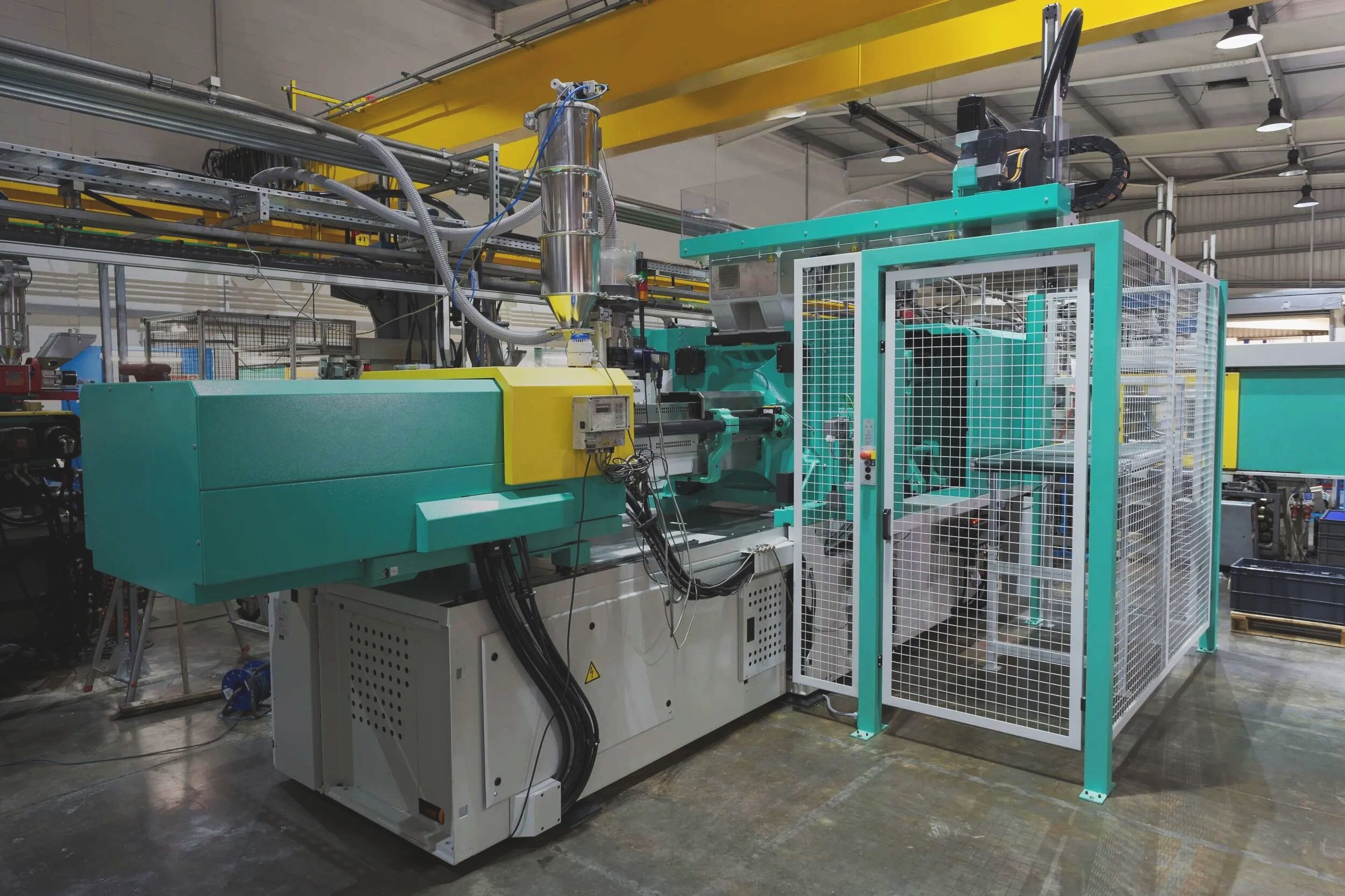
Plastic Materials Guide
Choosing the right plastic material for injection moulded parts means matching performance, durability, compliance, and cost to your real-world application from day one.
The right material selection, backed by design for manufacture, tooling insight, and production experience, can protect your IP, meet ISO and DISP compliance requirements, and help you achieve circular targets such as APCO’s 50 percent recycled content goal without compromising performance.
At B&C Plastics, we treat material choice as a commercial decision, not just a technical one. This guide breaks down what matters and how to decide with confidence.


Combining full ISO certification with DISP accreditation, B&C Plastics provides high-quality, secure, and traceable plastic injection moulded components engineered for reliability and performance.

Injection moulding materials determine how a plastic part performs under load, heat, moisture, and long-term use. The same geometry made from two different thermoplastics can produce completely different results in strength, dimensional stability, and production efficiency.
Material selection influences:
Mechanical strength and impact resistance
Temperature and heat performance
Chemical resistance and moisture exposure
Tooling design and wall thickness
Cycle time, scrap rate, and overall manufacturing cost
Understanding Plastic Injection Moulding Materials

Why Material Selection Matters in Injection Moulding
The correct material improves product reliability and production consistency. For example, choosing a resin with predictable shrinkage improves tolerance control and reduces warping. Selecting a high flow thermoplastic can improve flowability in thin wall parts, reducing pressure and compression stress inside the tool.
Poor selection can lead to:
Premature part failure
Excessive sink marks or rib distortion
Long cycle times
Higher tooling wear
Engineering-led partners review these criteria before tooling begins. Order-taking moulders typically do not.

Key Factors That Influence Material Selection
Engineers evaluate:
Load conditions and tensile requirements
Operating temperature range
Chemical exposure
Regulatory compliance such as medical or food contact
UV exposure and environmental resistance
Production volumes and cost targets
The goal is to select materials that meet specifications without overengineering the part.
Properties to Consider When Choosing Injection Moulding Materials
Material properties define how a part behaves during use and during processing.

Strength and Impact Resistance
Strength includes tensile strength, flexural strength, and resistance to impact. Materials like nylon and polycarbonate offer excellent mechanical performance for high load applications. Impact resistance is critical for mining, construction, and transport components where shock loads are common.

Temperature Resistance and Thermal Stability
Heat and temperature performance determine whether a part maintains stability at elevated temperatures. Engineering plastics such as PEEK and PPSU handle high temperatures in demanding environments including medical and electrical applications.
Thermal stability also affects moulding. Materials with stable thermal behaviour maintain tighter dimensional tolerances and reduce internal stress.

Chemical and Moisture Resistance
Chemical resistance protects parts exposed to fuels, solvents, cleaning agents, or agricultural chemicals. Polypropylene and polyethylene offer good chemical resistance for packaging and industrial uses.
Moisture absorption matters. Nylon, also known as polyamide, absorbs moisture, which can change dimensional stability over time. This must be considered in design.
Amorphous vs Semi Crystalline Thermoplastics
Thermoplastics are generally grouped into amorphous and semi crystalline structures. The internal polymer arrangement changes performance characteristics.
Characteristics of Amorphous Thermoplastics
Amorphous materials, such as ABS, polycarbonate, and acrylic PMMA, soften over a temperature range rather than having a sharp melting point. They offer:
Good dimensional stability
High clarity in transparent grades
Easier bonding and printing
Predictable shrinkage
They are commonly used in consumer products, electrical housings, and medical devices.
Characteristics of Semi Crystalline Thermoplastics
Semi crystalline materials like polypropylene, polyethylene, nylon, POM acetal, and PBT have a defined melting point. They offer:
Higher chemical resistance
Excellent wear resistance
Improved fatigue performance
Good strength to weight ratio
They are widely used in automotive, agriculture, and high performance engineering applications.
Material Comparison Overview
| Property | Amorphous | Semi Crystalline |
|---|---|---|
| Clarity | Often transparent | Typically opaque |
| Chemical Resistance | Moderate | High |
| Dimensional Stability | High | Can vary with cooling |
| Wear Resistance | Moderate | Excellent |
| Typical Uses | Housings, medical, display parts | Structural, gears, load bearing |
Understanding this comparison helps engineers decide early in the project lifecycle.
Common Plastics Used in Injection Moulding
Several materials dominate injection moulding across industries.
Polypropylene (PP)
Polypropylene is a semi crystalline thermoplastic known for durability, flexibility, and chemical resistance. It is widely used in packaging, living hinges, automotive components, and agricultural parts. It offers low density, good fatigue resistance, and cost efficiency.
Acrylonitrile Butadiene Styrene (ABS)
ABS, short for acrylonitrile butadiene styrene, is an amorphous thermoplastic valued for impact strength and surface finish quality. It is common in consumer goods, housings, and electronic components. ABS machines well and provides excellent dimensional stability.
Nylon (PA)
Nylon, or polyamide, delivers high strength and wear resistance. It is used in gears, bushings, and mechanical parts. Engineers must account for moisture absorption during design.
Polyethylene (PE)
Polyethylene includes HDPE and LDPE variants. It is moisture resistant, chemically stable, and widely used in packaging, containers, and outdoor applications. PET, or polyethylene terephthalate, is used in food and beverage storage.
Engineering Plastics for High Performance Applications
When performance requirements exceed commodity plastics, advanced materials are selected.
Polycarbonate (PC)
Polycarbonate provides high impact resistance and optical clarity. It is used in protective equipment, medical devices, and electrical enclosures. It maintains strength across a broad temperature range.
Polyetheretherketone (PEEK)
PEEK is a high-performance thermoplastic designed for extreme heat and chemical exposure. It performs in aerospace, medical, and industrial environments. It offers excellent mechanical strength and resistance at elevated temperatures, though at a higher cost.
Acetal (POM)
Acetal, also called POM, provides stiffness, low friction, and dimensional stability. It is ideal for gears, precision components, and parts requiring tight tolerances.
Injection Moulding Material Alloys and Blends
Material blends combine resins to balance properties.
Improving Strength and Durability
Blends such as PC ABS or PC PBT improve impact strength and heat resistance compared to single resins. Filled materials can improve stiffness and reduce creep.
Enhancing Chemical and Heat Resistance
Alloys help meet specialised performance requirements. For example, adding PBT improves chemical resistance, while PPS and PPSU provide high heat stability.
These blends allow manufacturers to meet strict industry compliance standards without excessive redesign.
Additives and Fillers Used in Injection Moulding Materials
Additives modify performance beyond base resin properties.

Glass and Mineral Fillers
Glass fiber fillers increase stiffness and tensile strength. Mineral fillers can reduce shrinkage and improve dimensional stability. Filled materials are common in structural parts.

Colourants and Aesthetic Additives
Pigments provide colour consistency. Additives also improve surface finishes and support branding through printing or marking.

UV Stabilizers and Performance Additives
UV stabilisers improve resistance to sunlight exposure. Flame retardants, anti static agents, and impact modifiers enhance long term durability.
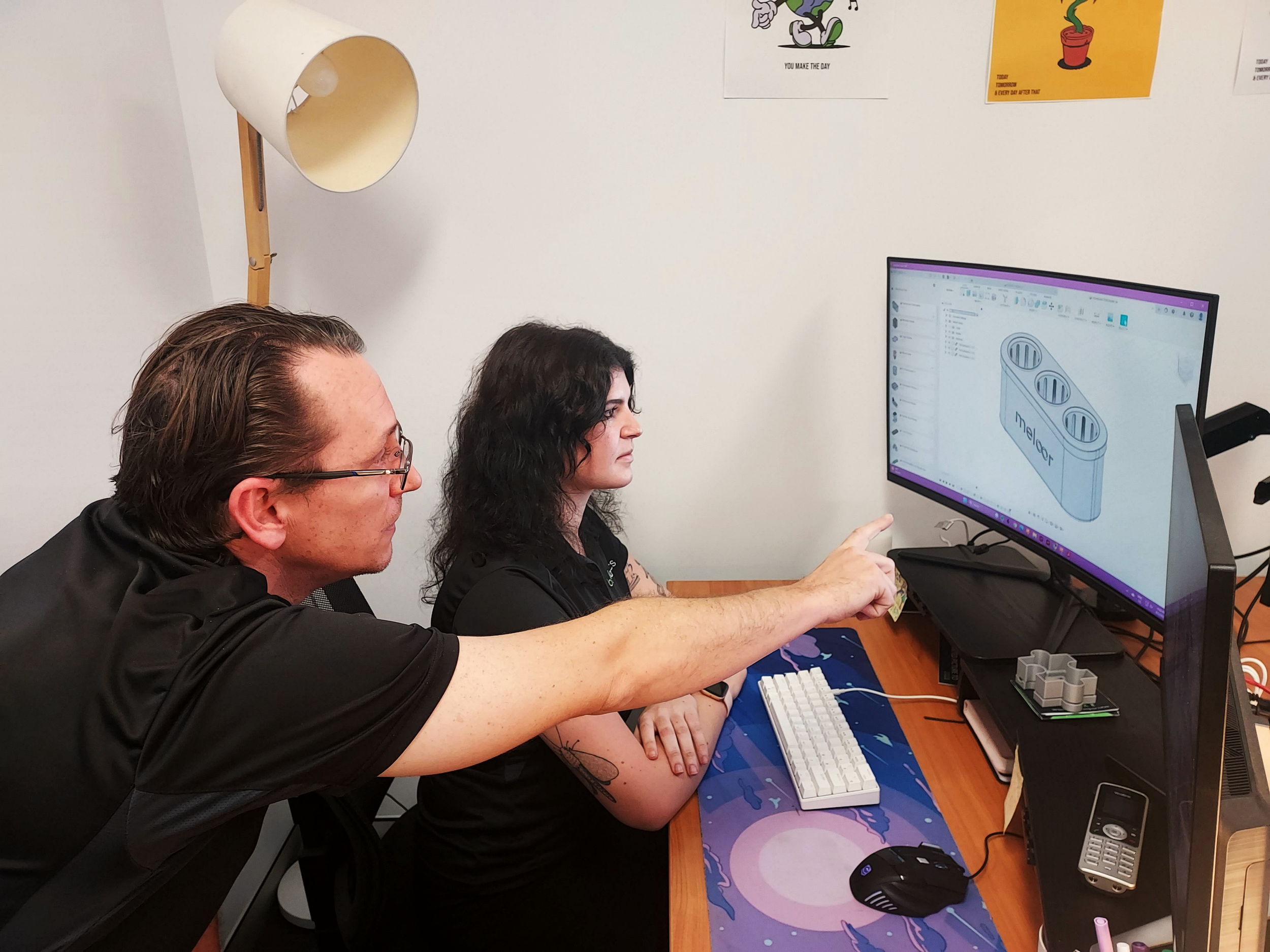
Design Considerations for Injection Moulding Materials
Material behaviour directly influences product design.
Material Behaviour During Moulding
Flowability affects how resin fills the cavity. Thin wall parts require high flow materials. Engineers consider gate location, draft angles, ribs, and wall thickness to avoid defects.
Compression forces and cooling rates influence shrinkage and parting line precision.
Designing Parts for Strength and Manufacturability
Designers account for:
Uniform wall thickness
Proper draft for ejection
Rib reinforcement
Shrinkage tolerance
Ignoring these considerations can increase cycle time and scrap rates.
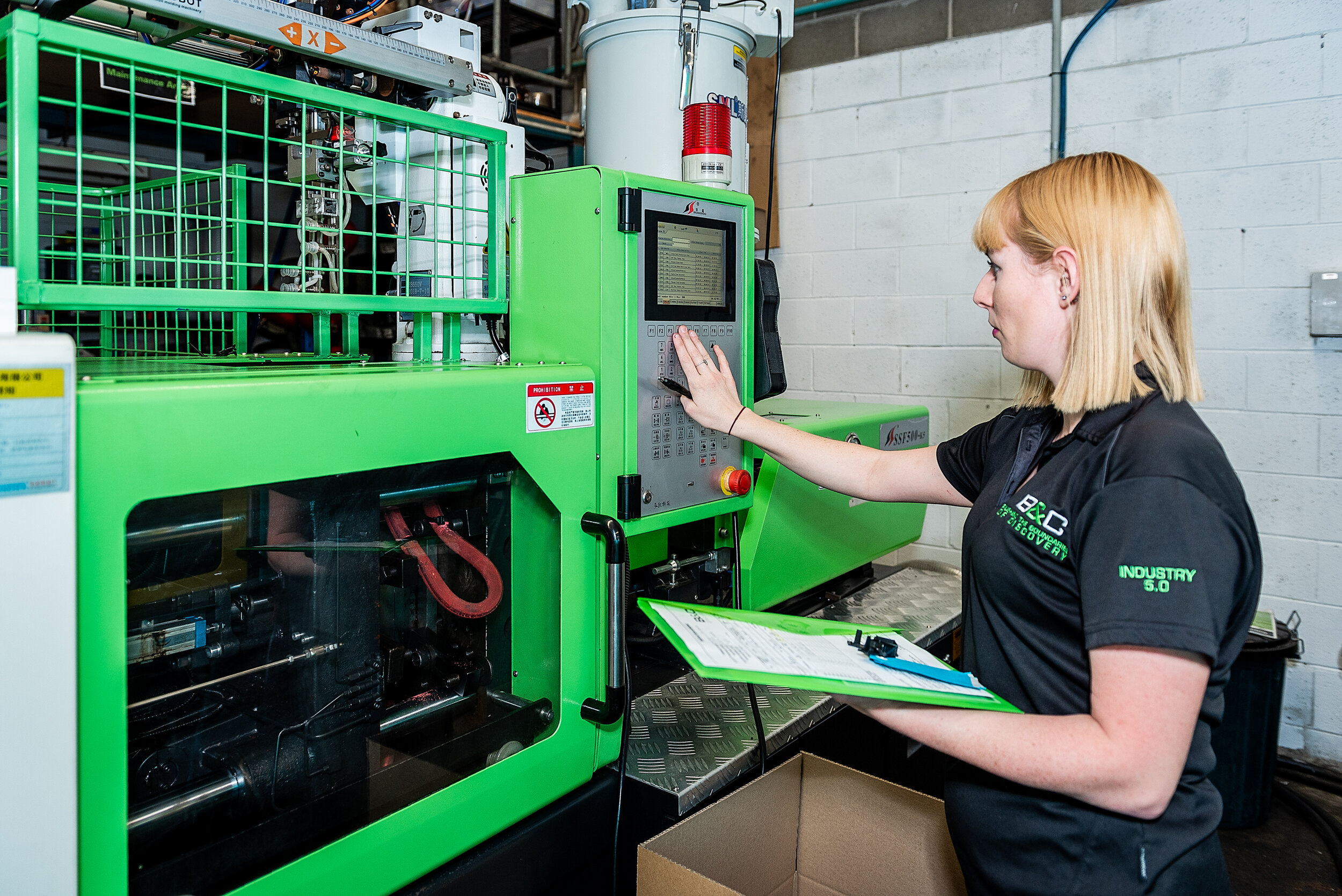
Consistent material performance depends on process control.
Scientific Moulding and Process Control
Scientific moulding monitors temperature, pressure, and cycle parameters to ensure repeatable production. Stable processing improves part consistency and reduces variation.
Testing and Material Verification
Testing includes tensile testing, impact testing, and dimensional inspection. Certified systems such as ISO 9001 provide structured quality control frameworks. In regulated sectors such as medical or defence, material traceability and compliance documentation are essential.
Quality Control in Injection Moulding Materials

Selecting materials for injection moulding is not about picking the strongest resin. It is about balancing performance, compliance, manufacturability, and cost.
Work With Experienced Injection Moulding Engineers
An engineering-led partner reviews your specifications before tooling investment. This reduces risk, improves efficiency, and ensures the final product performs as intended.
Request Guidance for Your Product Requirements
If you are actively seeking the best solution for a new product or considering migrating from offshore manufacturing, talk to the team at B&C Plastics. We provide end to end design, tooling, CNC prototyping, and production under one roof.
Getting Expert Help Choosing the Right Injection Moulding Material
3 Step Material Selection Process

Step 1
Define performance requirements including load, temperature, and exposure.

Step 2
Compare candidate materials for strength, resistance, cost, and compliance.

Step 3
Validate through prototype testing before full production.
If you would like tailored guidance for your project, request a consultation and discuss your application with our engineering team. The right material choice at the start saves time, cost, and risk at scale.