
Polycarbonate Plastic


Polycarbonate Plastics For Impact Resistance And Optical Clarity
High-performance thermoplastic combining exceptional impact strength, transparency, and thermal stability - engineered for safety glazing, machine guards, and protective equipment where glass shatters and acrylic cracks.
Impact resistance hundreds of times greater than glass
Engineer safety guards, protective panels, and industrial glazing that absorb force without shatteringOptical clarity with UV stabilization
Maintain light transmission and visibility in outdoor applications, greenhouse panels, and protective screensThermal stability across wide temperature ranges
Perform reliably in high-heat environments and outdoor exposure where standard plastics degradeMultiple fabrication methods: injection moulding, CNC machining, thermoforming
Produce complex geometries, cut-to-size panels, or high-volume components with consistent qualityComplete engineering capability from design to production
Material selection, DFM optimization, prototyping, tooling, and manufacturing under one Australian partner
Share your application requirements, impact specifications, or environmental conditions. We'll evaluate polycarbonate suitability and recommend optimal grade and manufacturing approach.


Combining full ISO certification with DISP accreditation, B&C Plastics provides high-quality, secure, and traceable plastic injection moulded components engineered for reliability and performance.
Polycarbonate Plastic - Properties, Uses, and Why It’s One of the Most Versatile Engineering Materials
Polycarbonate plastic is a high-performance engineering thermoplastic polymer known for exceptional strength, transparency, and impact resistance, making it widely used across industrial, commercial, and consumer applications.
For organisations working in defence, construction, agriculture, mining, medical manufacturing, or consumer product development, that question matters. The material you choose, and the partner you choose to produce it, determines durability, safety, and long-term performance. Polycarbonate is one of the most widely used engineering plastics because it combines clarity, strength, and heat stability in a way few thermoplastics can match.
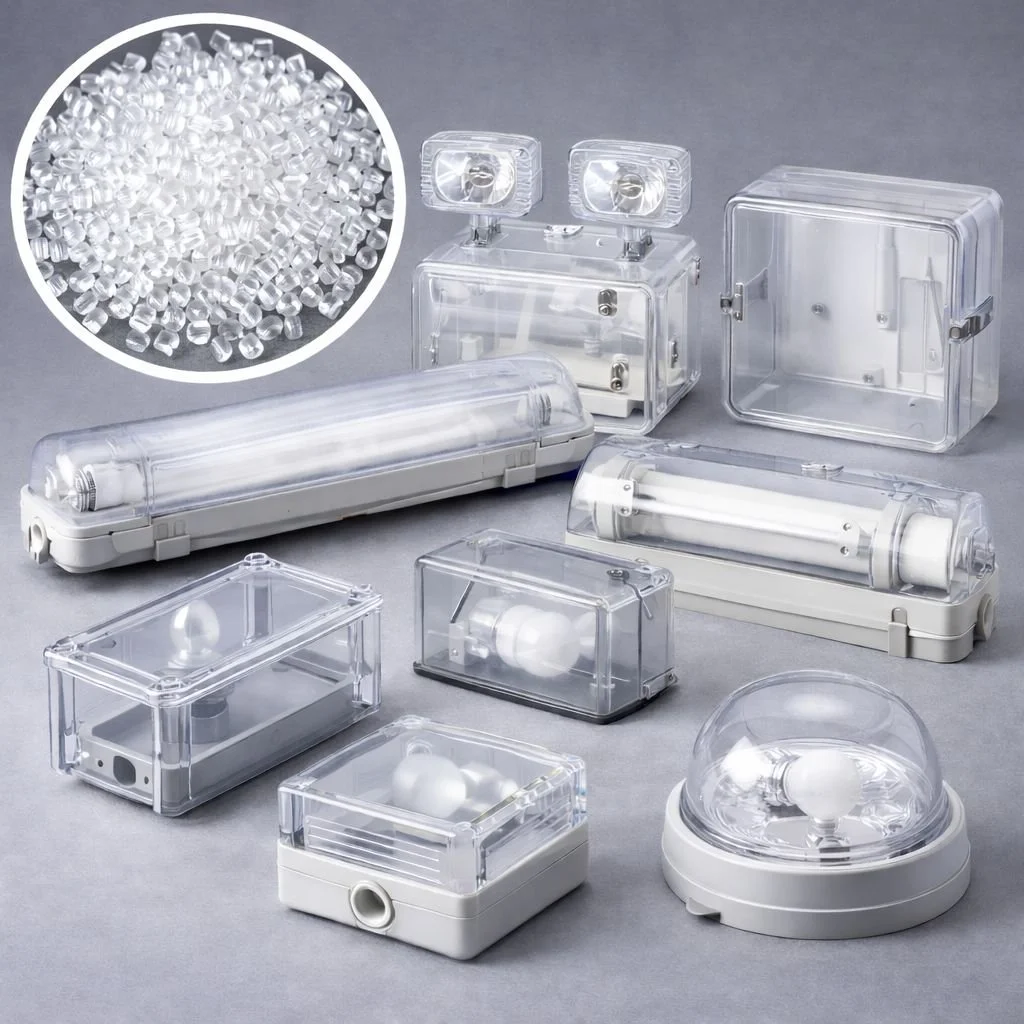
What Is Polycarbonate Plastic?
Polycarbonate is a durable engineering polymer belonging to the family of thermoplastics. Unlike commodity plastic materials, polycarbonate offers high impact resistance, optical clarity, and temperature stability. These properties allow it to be shaped through processes like injection moulding, CNC fabrication, vacuum forming, and sheet cutting while still maintaining structural strength.
Polycarbonate polymers are made through chemical reactions involving bisphenol-A and carbonate compounds, producing a transparent and extremely tough material. Because of its balance of rigidity, toughness, and thermal stability, polycarbonate often sits between general-purpose plastics and higher-end engineering materials in the performance spectrum.
You’ll find polycarbonate sheets, rods, and tubes across industries that demand durability without excessive weight. The material is commonly used in construction panels, automotive components, safety guards, and electronic housings. In many cases, polycarbonate replaces glass or acrylic because it provides similar transparency but significantly greater impact resistance.
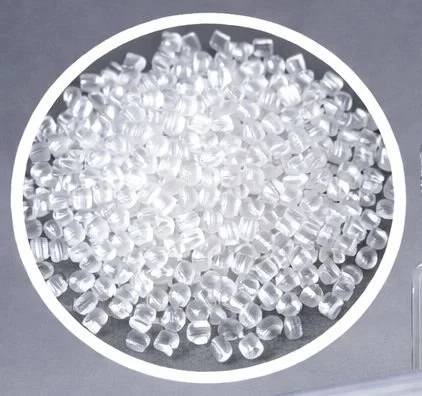
Key Characteristics of Polycarbonate
Polycarbonate is valued in engineering and manufacturing environments because its properties make it suitable for demanding applications. Some of the key characteristics include:
High impact resistance. Polycarbonate can absorb significant force without cracking or breaking, making it ideal for safety panels, guards, and industrial components.
Optical clarity. Many grades offer excellent light transmission and transparency, allowing clear visibility through sheets and panels.
Temperature stability. Polycarbonate maintains structural integrity across a wide thermal range compared to many thermoplastics.
Lightweight strength. Compared with glass or aluminium panels, polycarbonate provides similar rigidity at a lower weight.
Fabrication flexibility. The polymer can be cut, bent, drilled, or thermoformed into complex shapes without losing strength.
Because of these properties, polycarbonate materials are widely used in industries where durability, transparency, and reliability are essential.

Why Manufacturers Choose Polycarbonate
Manufacturers choose polycarbonate when the application requires durability and clarity at the same time. In many engineering projects, materials like acrylic, PVC, or HDPE may not provide the same balance of properties.
For example, acrylic offers excellent optical clarity but can crack under heavy impact. HDPE is durable but lacks transparency. Polycarbonate sits in the middle, delivering both strength and clear visibility.
Engineers also choose polycarbonate because it can be processed in multiple ways. Injection moulding, CNC machining, laser cutting, and vacuum forming all allow polycarbonate components to be produced with tight tolerances and consistent quality.
That flexibility is why polycarbonate plastics appear across such a wide range of industries.
Meet the Team
-
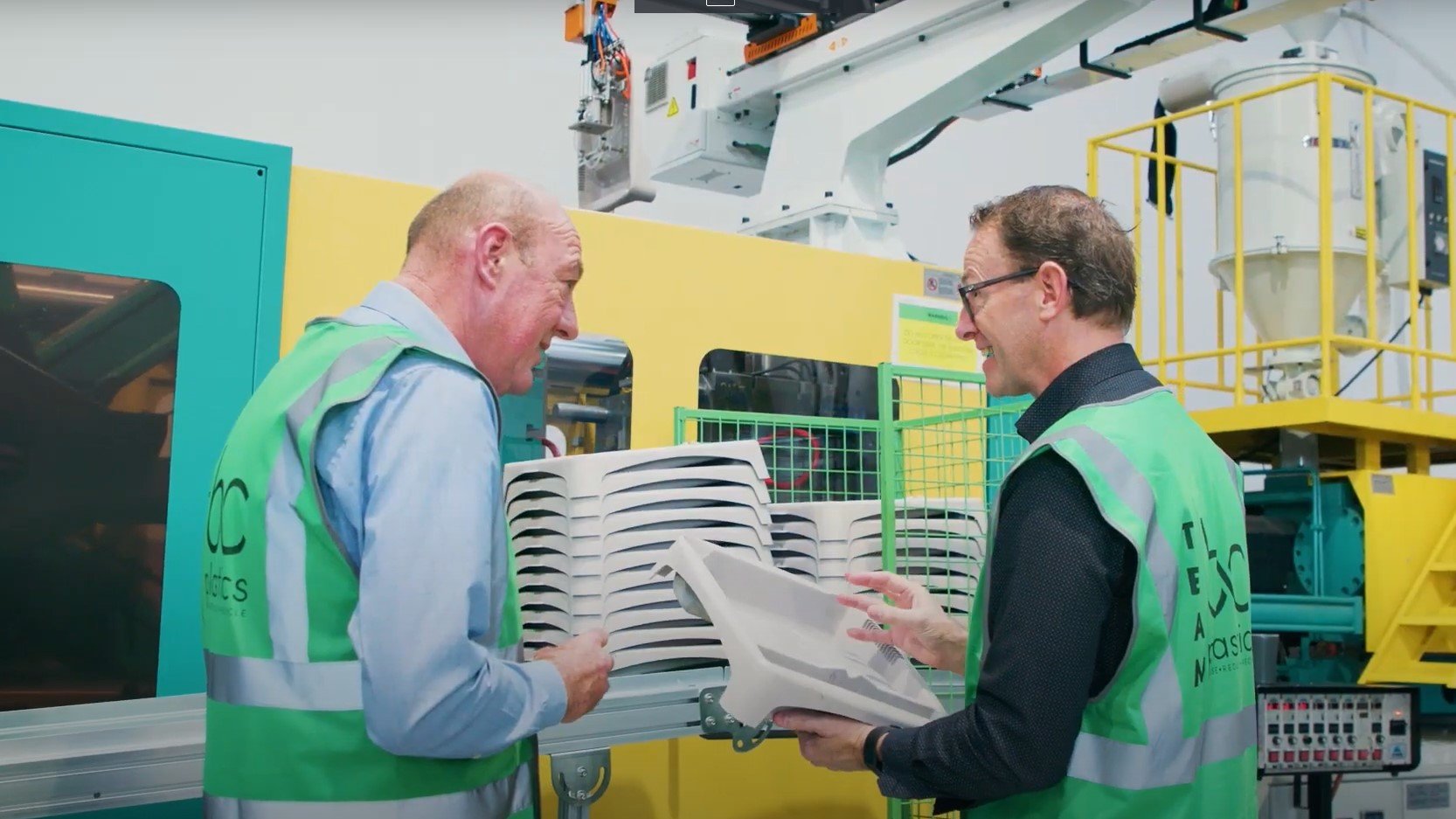
Advantages of Polycarbonate Plastic
Polycarbonate has become one of the most versatile engineering plastics because it performs well in situations where other materials fail. Its strength, clarity, and temperature stability make it suitable for structural, safety, and industrial applications.
-
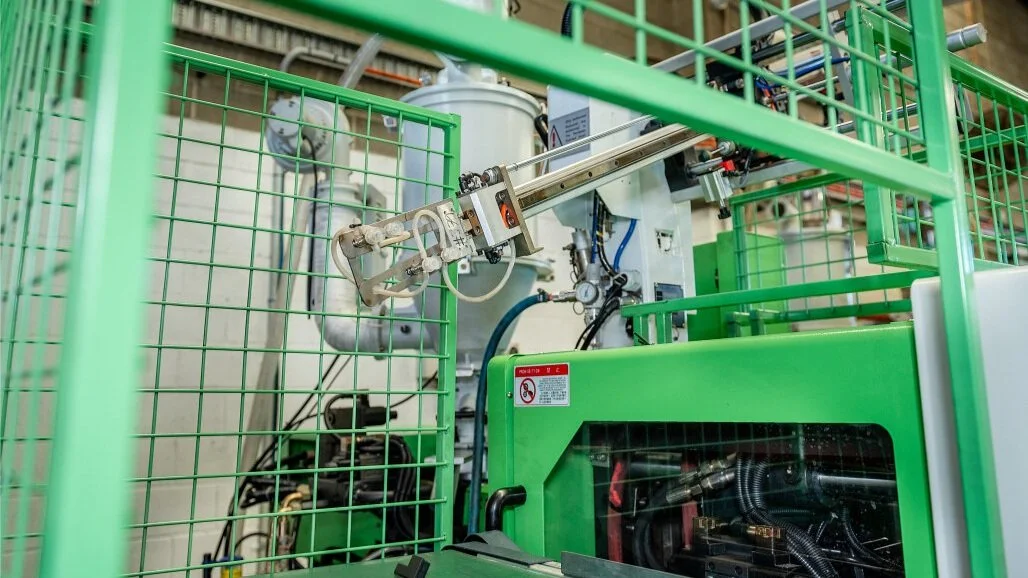
Exceptional Impact Strength
One of the biggest advantages of polycarbonate is its ability to resist cracking and breaking. The polymer structure gives it excellent toughness and energy absorption, allowing it to withstand significant force.
In many safety and industrial applications, polycarbonate is described as hundreds of times stronger than glass in impact resistance while maintaining similar transparency. This makes it ideal for protective screens, machine guards, and industrial panels where visibility and safety are both required.
Polycarbonate sheets also maintain their strength even after bending or forming. This allows engineers to shape components without sacrificing structural performance.
-
Optical Transparency and Light Transmission
Polycarbonate is widely used as a lightweight alternative to glass because of its optical properties. High-grade polycarbonate sheets can transmit a large percentage of visible light while remaining strong and durable.
That combination of clarity and strength explains why polycarbonate is used in:
● Protective glazing and windows
● Machine safety guards
● Display panels and signage
● Lighting diffusers
● Greenhouse roofing panels
Unlike traditional glass, polycarbonate is much less likely to shatter. This makes it a safer option in areas where breakage could create hazards.
-
Heat and Weather Resistance
Polycarbonate performs well in outdoor environments and high-temperature conditions compared with many other thermoplastics. Its thermal stability allows it to maintain shape and strength across a broad temperature range.
When exposed to sunlight, polycarbonate sheets often include UV stabilisers to reduce degradation and maintain clarity over time. These coatings protect the polymer structure from long-term UV exposure.
Because of this weather resistance, polycarbonate is commonly used in roofing sheets, greenhouse panels, and outdoor construction materials.
Applications and Products Made from Polycarbonate
Polycarbonate is used across many industries because its properties allow it to replace heavier or more fragile materials. From industrial manufacturing to consumer electronics, polycarbonate components appear in countless products.
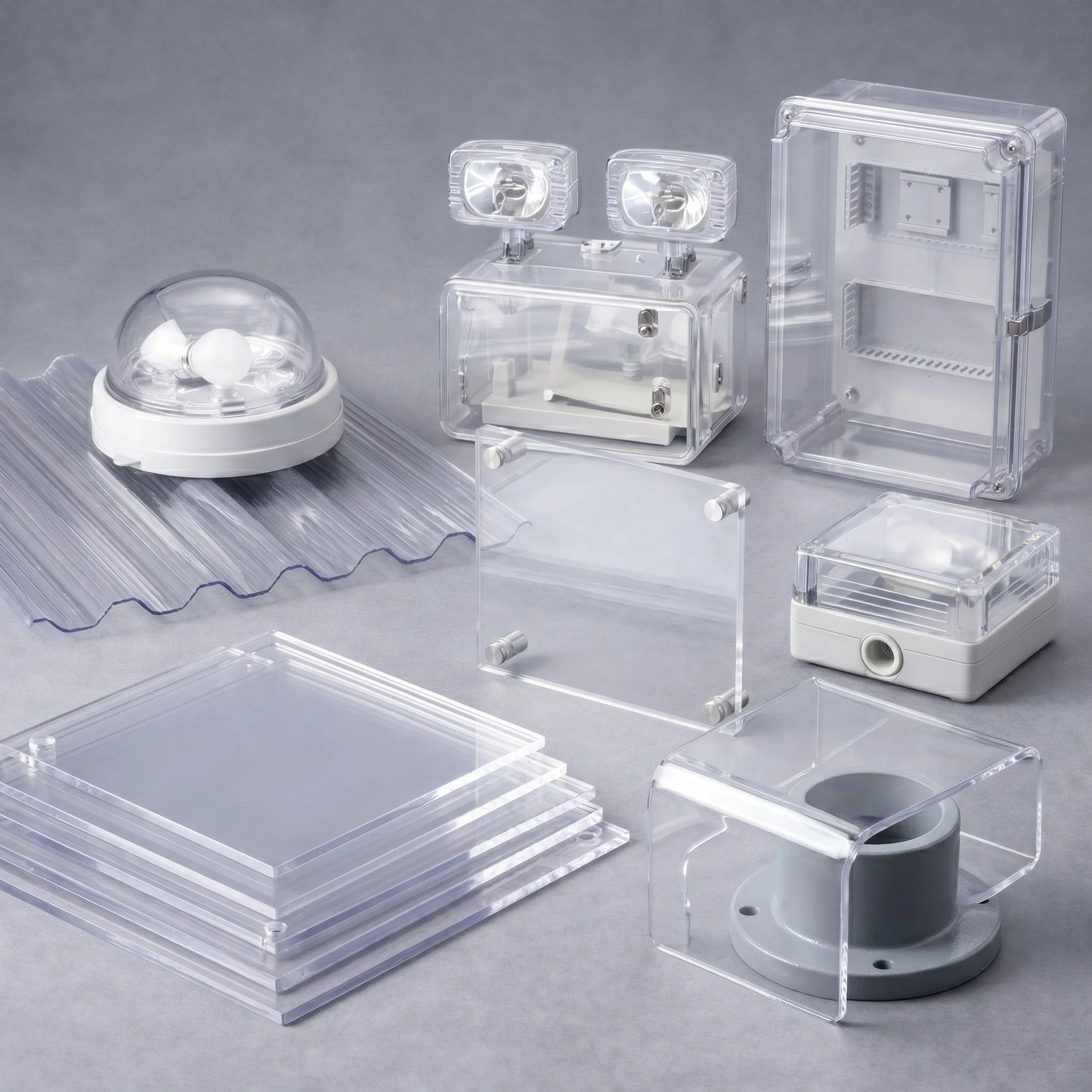
Polycarbonate Sheets and Fabricated Components
Polycarbonate sheets are one of the most common forms of the material. They are available in multiple thicknesses and grades depending on the application.
These sheets can be cut-to-size using CNC machining or laser cutting processes to create custom panels and fabricated components. Fabrication services allow polycarbonate sheets to be shaped into guards, enclosures, glazing panels, and industrial covers.
Typical uses include:
Protective machine guards
Safety glazing panels
Roofing and greenhouse panels
Industrial enclosures
Display panels and signage
Because polycarbonate sheets combine transparency with strength, they provide a durable alternative to glass or acrylic in many fabrication projects.
Industrial and Engineering Applications
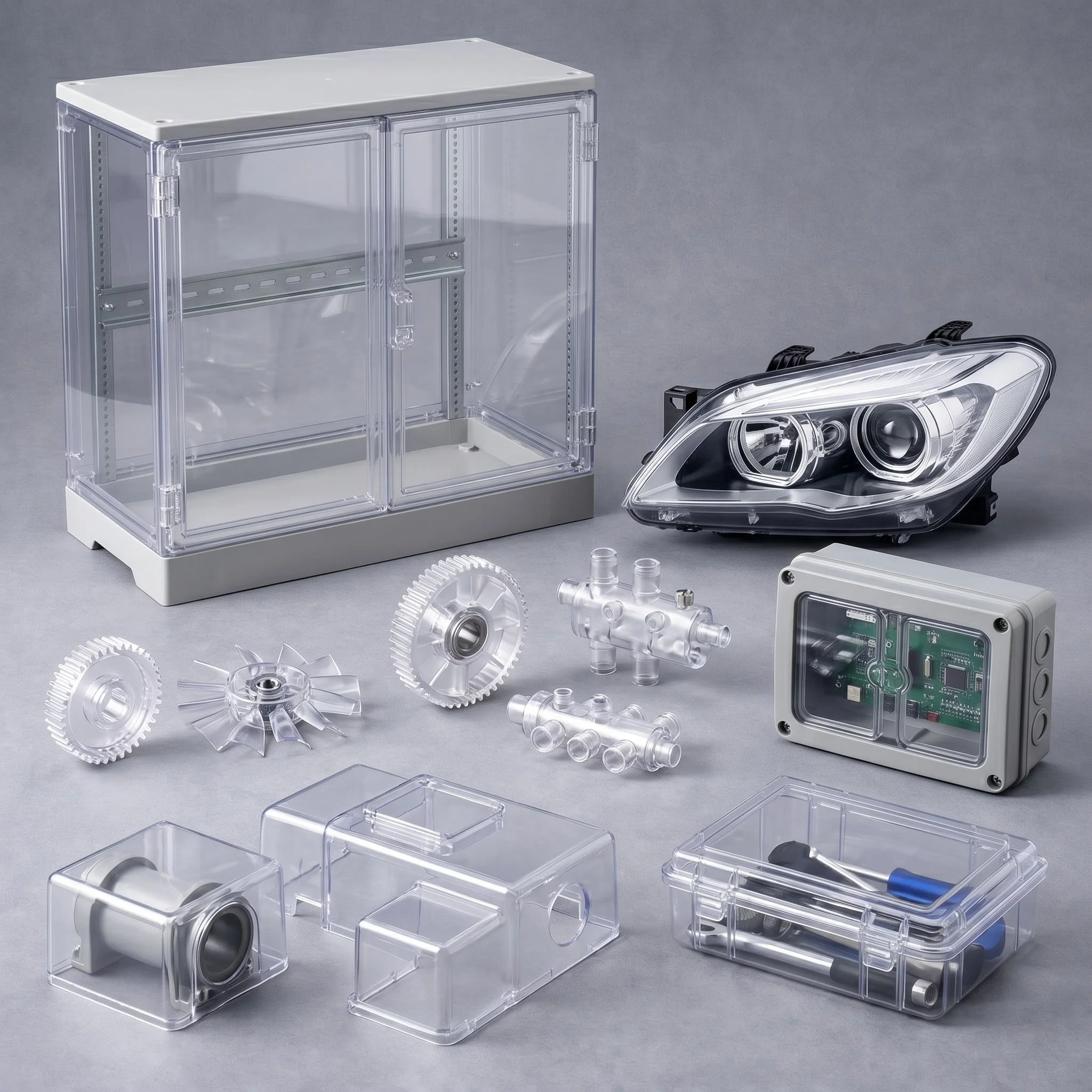
In industrial manufacturing environments, polycarbonate components are often used for structural and mechanical parts.
Examples include:
Electronic housings and control panels
Machine components and protective covers
Industrial equipment enclosures
Automotive lighting and interior parts
Storage containers and equipment guards
The material’s durability and resistance to cracking make it well suited for heavy-duty environments where impact or vibration may occur.
Polycarbonate can also be moulded into precise shapes during injection moulding, allowing high-volume production of engineering components.
Consumer and Commercial Products
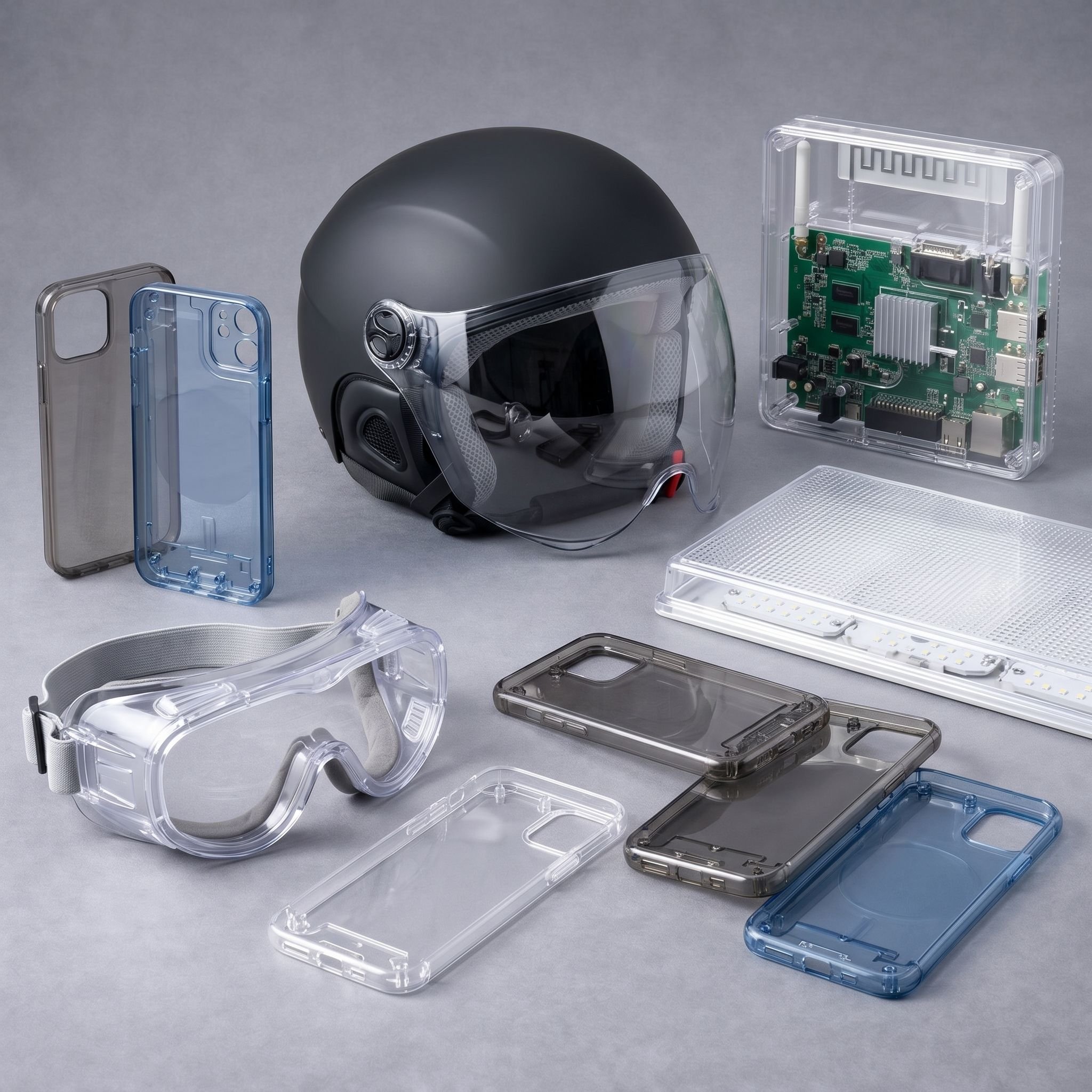
Polycarbonate is also widely used in consumer products where durability and clarity are required.
Some well-known applications include:
Eyewear lenses and safety goggles
Smartphone and mobile phone housings
Sports helmets and protective equipment
Electronics casings and hardware
Lighting fixtures and lenses
Many modern smartphones use polycarbonate housings because the material absorbs impact energy and does not interfere with wireless signals.

Why Engineering-Led Manufacturing Matters
Choosing the right material is only part of the equation. The manufacturing partner responsible for producing polycarbonate components also plays a major role in performance and reliability.
Engineering-led manufacturing focuses on improving the design before production begins. Instead of simply moulding the part exactly as designed, engineering teams analyse the product for manufacturability, strength, and material efficiency.
This design-for-manufacture approach often improves durability and reduces long-term production costs.
For organisations developing new plastic products, working with an engineering-led manufacturing partner allows them to move from concept to production more efficiently.
A Simple 3-Step Process for Polycarbonate Product Development
Many product development projects follow a similar process from idea to production.
| Step | What Happens | Outcome |
|---|---|---|
| 1. Design and Material Selection | Engineers evaluate product requirements, choose suitable polymer grades, and optimise the design. | Stronger, more efficient product design |
| 2. Prototyping and Tooling | CNC prototypes or small runs are produced to validate performance and manufacturability. | Reduced risk before full production |
| 3. Production and Delivery | Injection moulding or fabrication begins for full-scale manufacturing. | Consistent supply of finished components |
This structured approach helps ensure that polycarbonate products perform reliably in real-world environments.
Choosing the Right Polycarbonate Material
Polycarbonate is available in many grades and forms, including solid sheets, multi-wall panels, rods, tubes, and injection-moulding pellets. Each grade offers slightly different properties depending on the intended application.
When selecting polycarbonate materials, engineers typically consider factors such as:
Required impact strength
Optical clarity or tinting
Heat resistance and thermal stability
UV exposure and weather conditions
Processing method such as injection moulding or fabrication
Choosing the correct grade ensures the final product performs as expected across its full service life.
The Role of Australian Manufacturing in Plastics Production
In recent years, many companies have reconsidered offshore manufacturing due to supply chain disruptions, shipping delays, and quality control concerns.
Local manufacturing offers several advantages:
Faster lead times
Easier communication with engineering teams
Stronger quality control
Reduced supply chain risk
Compliance with Australian standards and certifications
For industries such as defence, mining, and medical manufacturing, local production also provides stronger IP protection and audit readiness.

Get In Touch
Polycarbonate plastic remains one of the most versatile engineering materials in modern manufacturing. Its combination of strength, clarity, and temperature stability allows it to perform in environments where many other plastics would fail.
From construction panels and industrial guards to electronics housings and medical equipment, polycarbonate polymers support a wide range of industries and applications.
If you are developing a new product or looking for a reliable manufacturing partner for plastic components, working with an engineering-led team can make the entire process smoother.
If you’d like advice on polycarbonate materials, fabrication options, or injection moulded components, contact the team at B&C Plastics today to discuss your project.