
Polypropylene (PP) Plastic


Polypropylene Plastic Engineering Guide
Technical specifications, processing parameters, and grade selection criteria for polypropylene injection moulding - written for procurement and engineering teams who need material data, not marketing claims.
Comprehensive grade comparison: homopolymer vs copolymer vs reinforced
Understand tensile strength, impact resistance, heat deflection temperature, and chemical compatibility for your specific applicationProcessing parameter guidance for injection moulding
Melt temperature ranges (200-250°C), mould design considerations, and crystallinity management for dimensional stabilityMaterial form availability: pellets, sheet, rod, film
Technical specifications for injection moulding compounds, CNC-machinable stock, and fabrication materials with Australian supply optionsCompliance documentation for regulated applications
Food contact certification, medical-grade specifications, and traceability requirements for healthcare, defence, and food packagingRecycled polypropylene integration capability
Mechanical property retention data, processing adjustments, and verified performance for circular manufacturing applicationsEngineering support from material selection through production
Compare PP against HDPE, PVC, POM, and PEEK with application-specific recommendations and processing feasibility assessment
Share your application requirements, operating conditions, or compliance needs. We'll provide technical data sheets, recommend appropriate grades, and assess manufacturing feasibility.


Combining full ISO certification with DISP accreditation, B&C Plastics provides high-quality, secure, and traceable plastic injection moulded components engineered for reliability and performance.
Material Selection For Performance-Critical Australian Manufacturing
Polypropylene (PP) plastic is a lightweight, chemically resistant thermoplastic polymer widely used in injection molding, packaging, medical, automotive, and industrial applications because it offers strong mechanical properties, low moisture absorption, and reliable performance across a wide temperature range.
In Australia, understanding how polypropylene behaves in real-world production is critical. The difference between a company that simply runs molding cycles and an engineering-led partner that optimises design, compliance, and sustainability can directly affect cost, performance, and long-term supply risk.
At B&C Plastics in Australia, we work with procurement managers, sustainability leads, and product development teams who need clarity, not marketing noise. This guide is written to give you practical, technically accurate information so you can confidently select the right material and manufacturing pathway.
What Is Polypropylene (PP)?
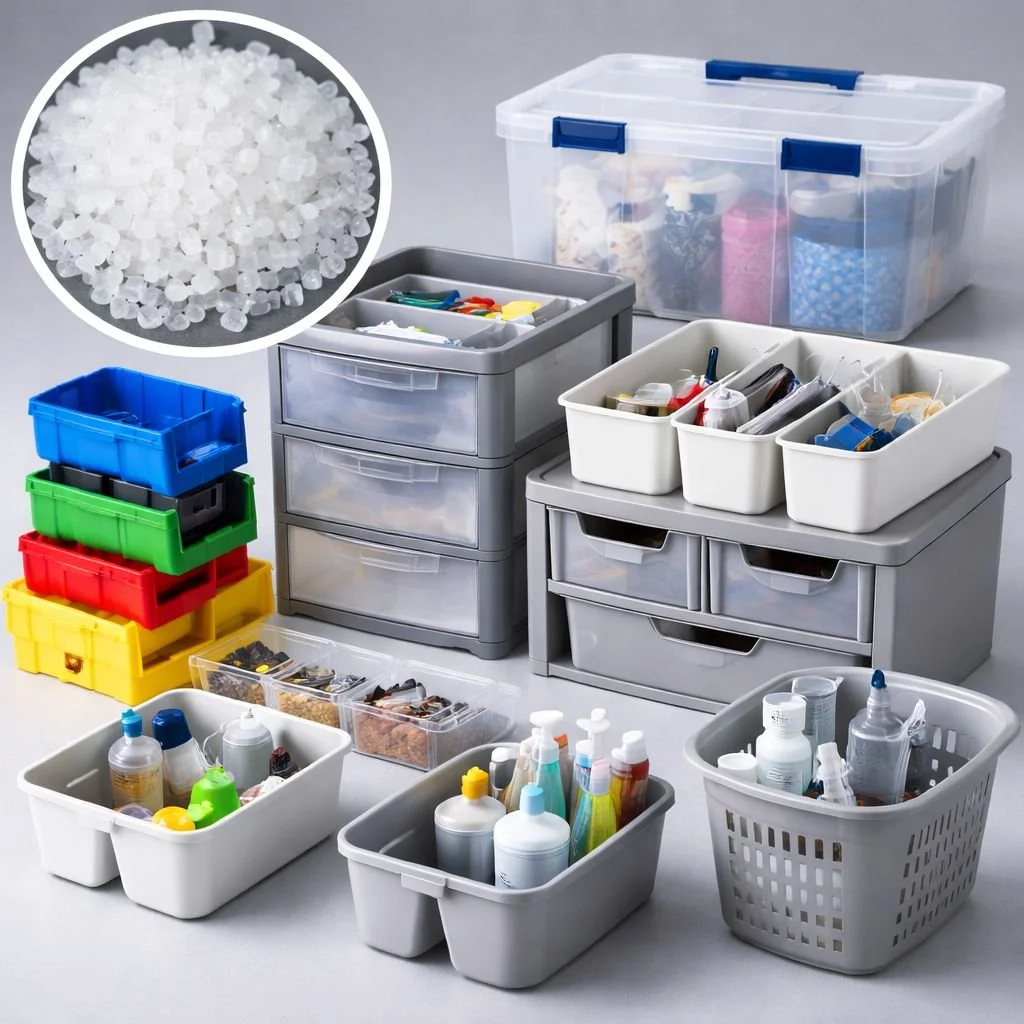
Polypropylene is a thermoplastic polymer created through polymerization of propene monomer using specialised catalysts. It belongs to the polyolefin family, alongside polyethylene and HDPE. Since its commercial introduction in the 1950s, polypropylene has become one of the most widely used plastics in the world due to its versatility, strength-to-weight ratio, and chemical resistance.
It is commonly used in packaging film, medical products, automotive components, reusable containers, caps, tubes, bottles, and injection molded parts.
Key Characteristics of Polypropylene Plastic
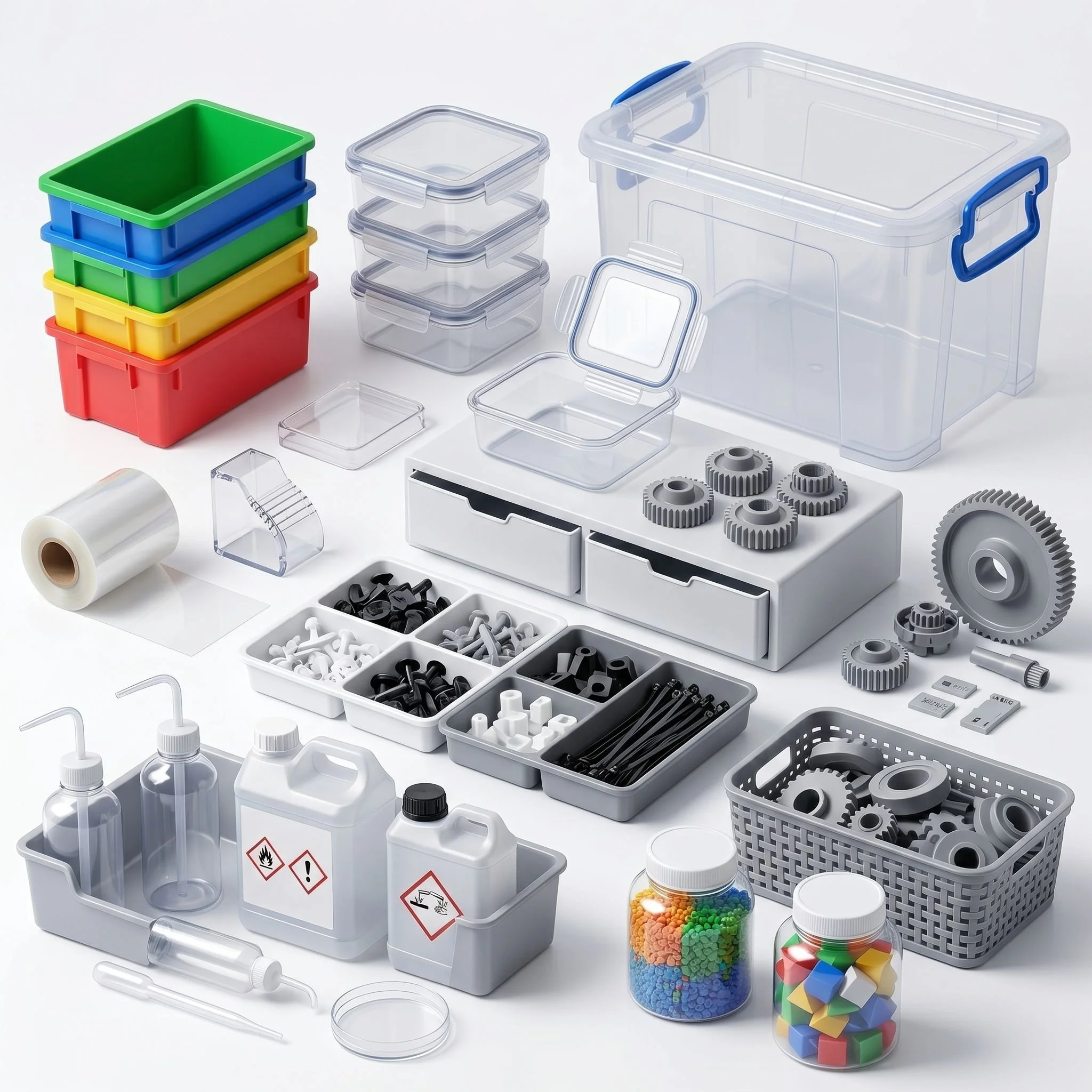
Polypropylene is typically isotactic in structure, meaning its molecular chain alignment supports higher crystallinity and improved mechanical strength. Variations such as syndiotactic and atactic forms exist, but isotactic polypropylene dominates industrial manufacturing.
Core characteristics include:
High chemical resistance
Low density, typically under 1 g/cm³
Good impact performance in copolymer grades
High melting point compared to polyethylene
Excellent fatigue resistance
The molecular structure influences crystallinity, melting temperature, and mechanical behaviour. For example, isotactic grades offer higher rigidity, while random copolymers improve flexibility and clarity for packaging film and food containers.
Properties of Polypropylene Plastic
Polypropylene’s properties define why it is widely selected across multiple sectors.
Strength and Impact Resistance
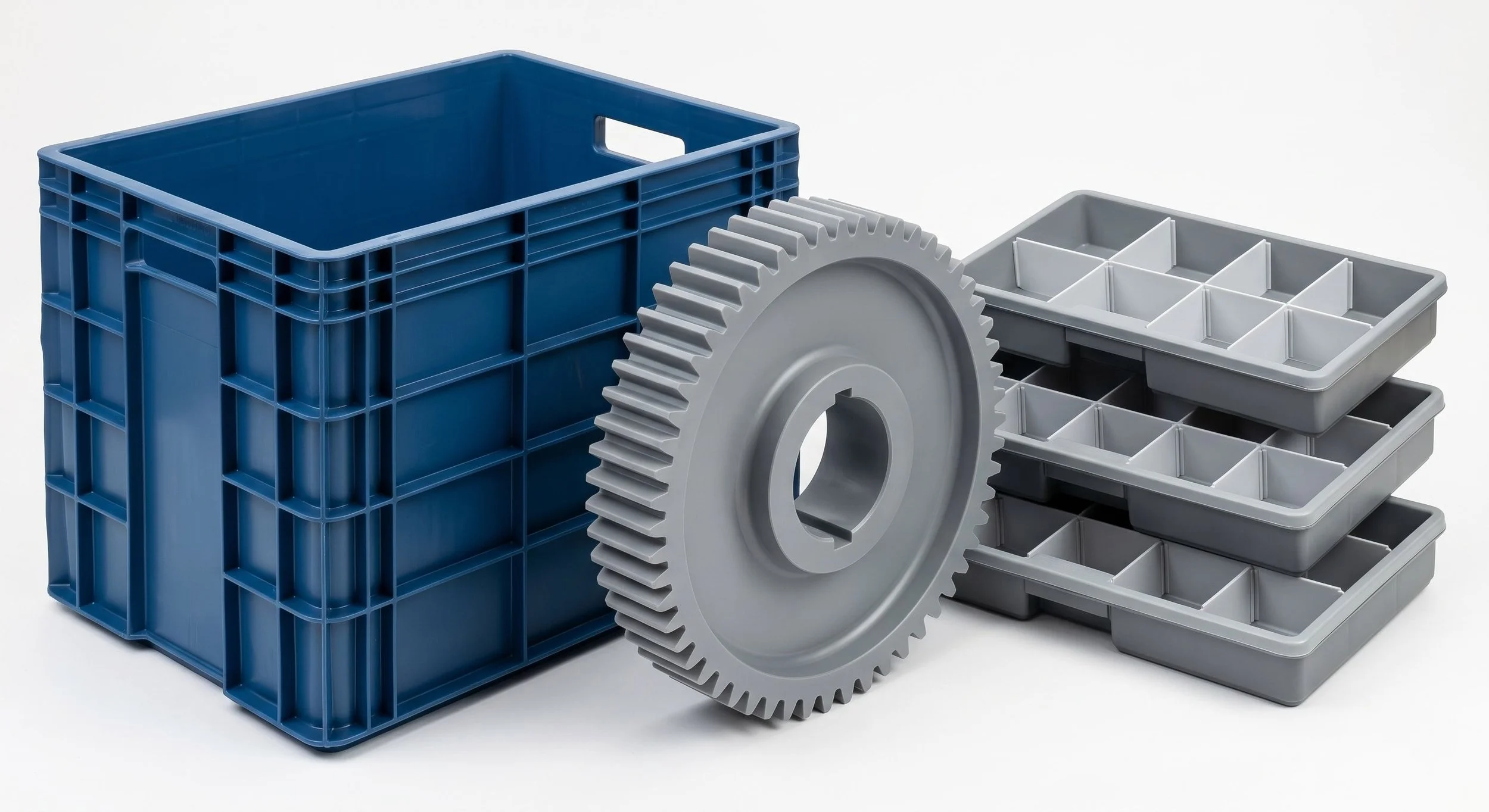
Polypropylene offers good tensile strength and impact resistance, particularly in copolymer grades. While homopolymer polypropylene is more rigid, copolymers improve low temperature impact performance.
Typical mechanical properties may include:
| Property | Typical Range |
|---|---|
| Tensile strength | 30-40 MPa |
| Melting temperature | 160-170°C |
| Density | ~0.90 g/cm³ |
These values vary by grade and compound. Always confirm technical data from your supplier before specifying for critical applications.
Chemical and Moisture Resistance
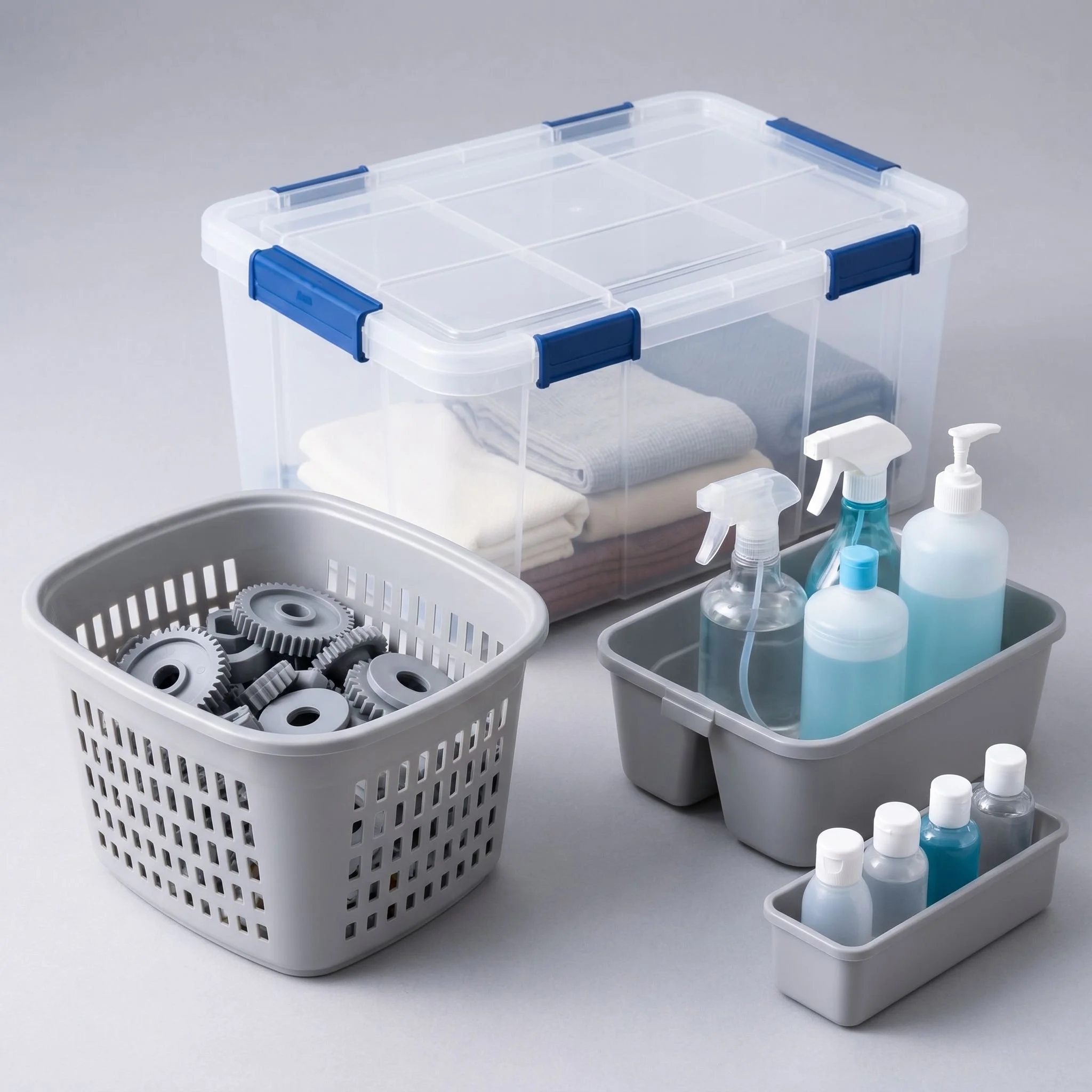
Polypropylene demonstrates excellent resistance to acids, bases, and many solvents. It does not absorb water readily, which makes it suitable for medical containers, packaging, and chemical tanks.
Compared to PVC or HDPE, polypropylene often provides better heat resistance while maintaining chemical stability.
Lightweight and Flexible Performance
Polypropylene is known for being lightweight yet mechanically reliable. Its low density reduces shipping weight and production energy demand. Copolymer grades offer a flexible balance between rigidity and impact strength, making them ideal for lids, living hinges, and reusable packaging products.
Meet the Team
-
Types and Grades of Polypropylene
Different types of polypropylene are engineered for different applications.
-
Copolymer Polypropylene
Copolymer polypropylene includes ethylene units within the polymer chain. This improves impact resistance and flexibility.
There are two main types:
● Random copolymer
● Block copolymer
Random copolymer grades are often used in transparent packaging and film applications. Block copolymers provide improved toughness for automotive and industrial parts.
-

Engineering Grades and Specialty Variants
Specialty grades include:
● Glass fiber reinforced polypropylene
● Carbon filled composites
● Flame-retardant compounds
● Medical-grade materials
● BOPP film grades for biaxially oriented packaging
Composite variants may improve stiffness or thermal stability, but they must be selected carefully based on processing and end-use conditions.
Benefits of Using Polypropylene in Manufacturing
Excellent Durability and Longevity
Polypropylene resists chemical degradation and stress cracking in many environments. It performs well in packaging, agriculture components, and medical containers where durability matters.
Its fatigue resistance makes it perfect for living hinges used in caps and flip-top lids.
Cost Effective Manufacturing Material
Polypropylene is considered cost effective compared to engineering polymers like PEEK, POM, or composite nylon compounds. Its relatively low melt temperature reduces processing energy consumption.
Easy Processing and Fabrication
Polypropylene supports:
Injection molding
Extrusion
Blow molding for bottles
Film production
CNC machining of sheet and rod
Vacuum forming
Its melt flow characteristics allow manufacturers to select grades optimised for thin-wall packaging or structural parts.
Common Applications of Polypropylene
Packaging and Consumer Products
Polypropylene is widely used in packaging film, BOPP film, food containers, bottle caps, reusable containers, and consumer goods. It is approved in many jurisdictions for food contact applications when certified grades are selected.
Its low moisture absorption and chemical resistance make it suitable for food packaging and medical storage.
Industrial and Manufacturing Components
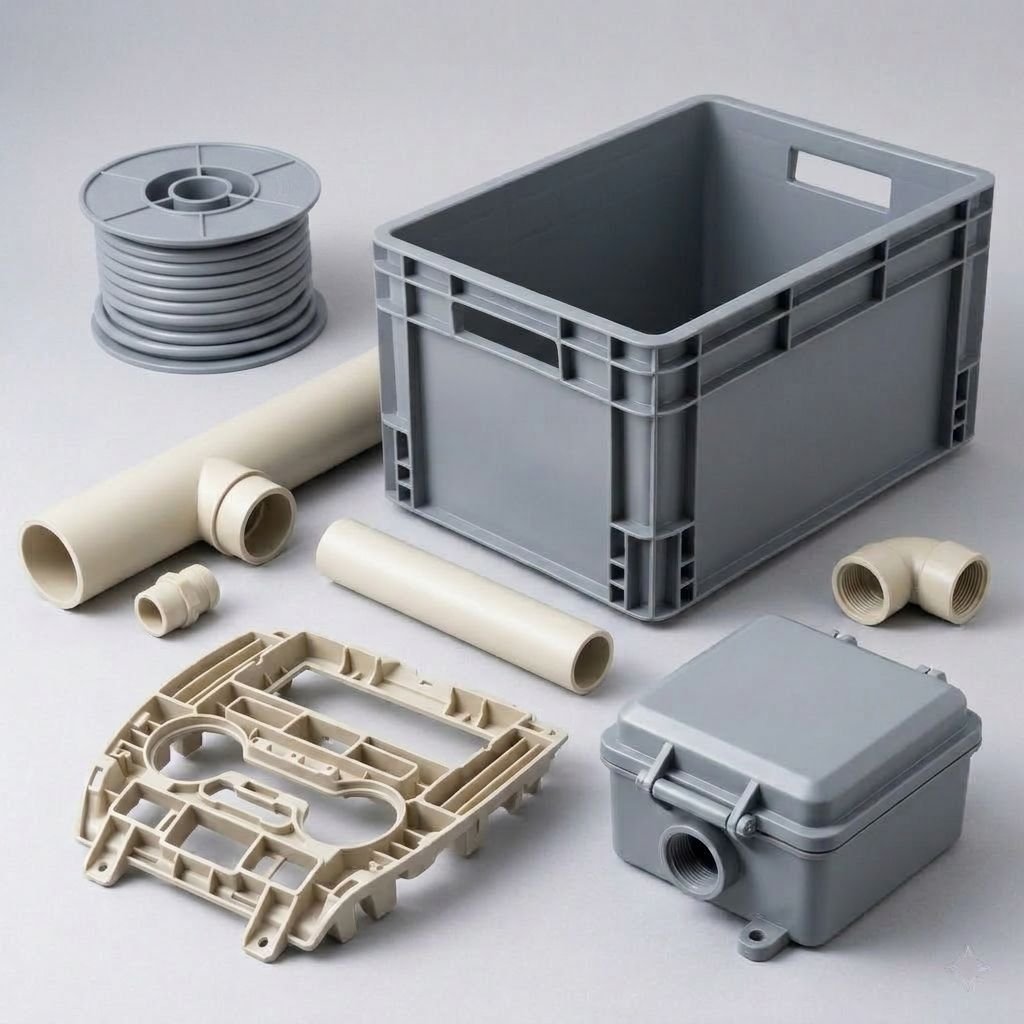
In industrial sectors, polypropylene is used for:
Chemical tanks
Tubes and pipes
Machine guards
Automotive interior components
Electrical insulating parts
Its balance of rigidity and impact resistance supports durable production parts.
Construction and Infrastructure Products
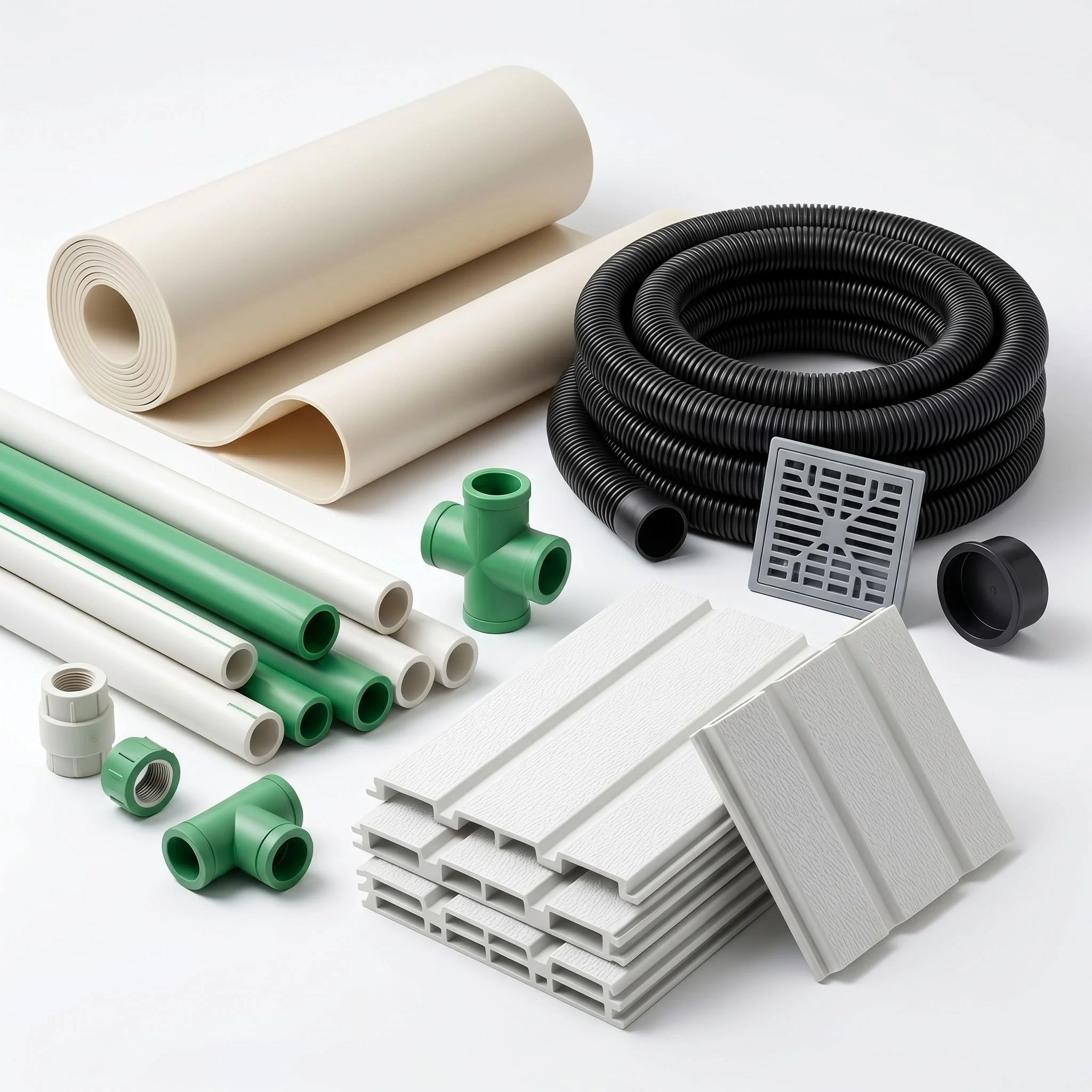
Polypropylene appears in:
Drainage systems
Plumbing components
Wall panels
Protective liners
Compared to HDPE, polypropylene offers higher heat resistance, making it suitable for hot water applications in some cases.
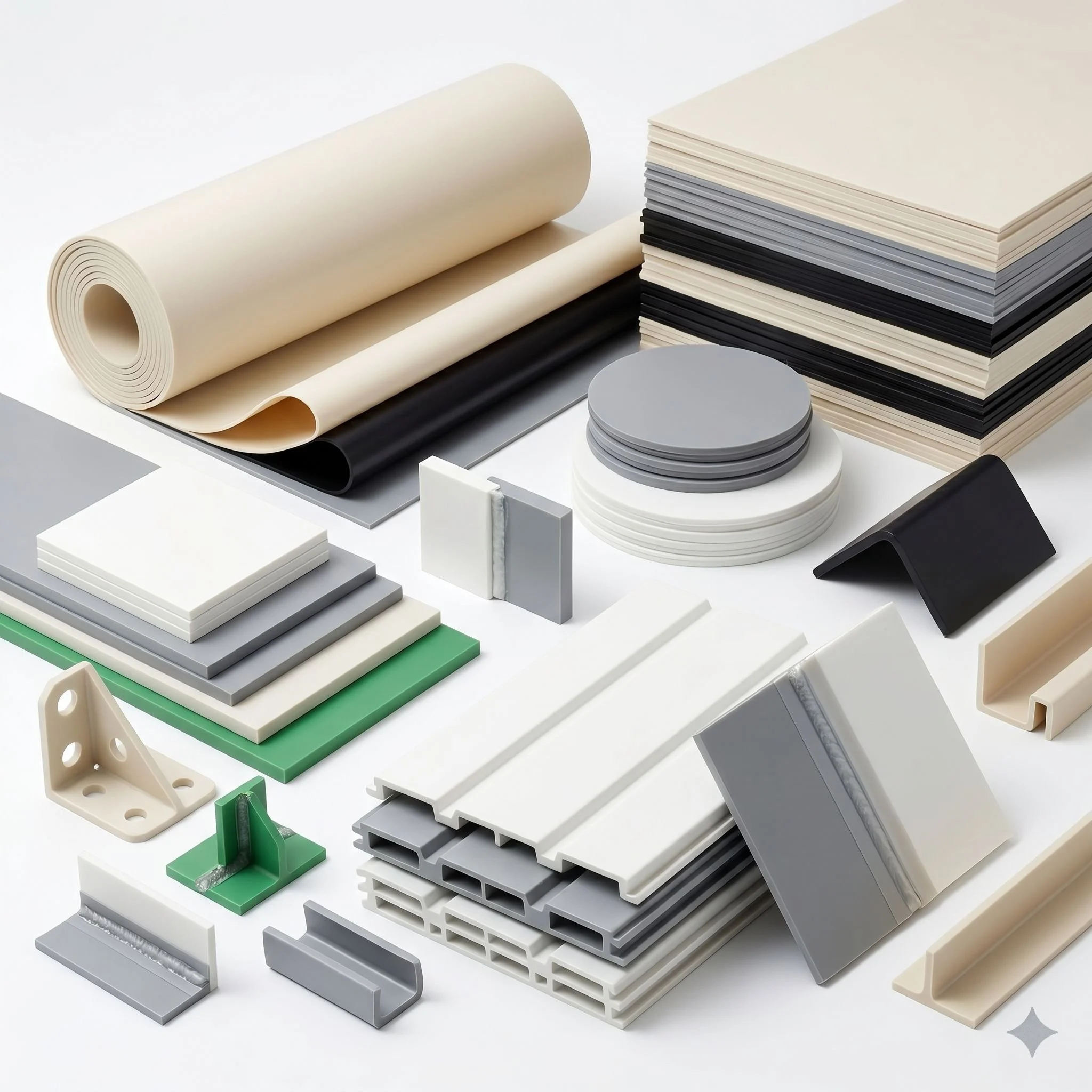
Polypropylene Sheets and Material Forms
Polypropylene is available in multiple material forms.
Polypropylene Sheets
Polypropylene sheets are used in fabrication of tanks, panels, and protective board systems. Sheets can be cut, welded, or formed into custom shapes.
Common colours include natural, white, black, and grey.

Polypropylene Rods and Machined Components
Polypropylene rod stock is machined into bushings, spacers, and custom industrial parts. CNC machining allows precise shaping for specific performance requirements.
Rod diameters vary depending on supplier capability.
Standard Shapes and Colour Options
Material forms include:
Sheet
Rod
Tube
Film
Injection molding pellets
Colour options range from natural translucent to grey, black, and custom pigments depending on application.
Meet the Team
-
Fabrication and Processing of Polypropylene
-
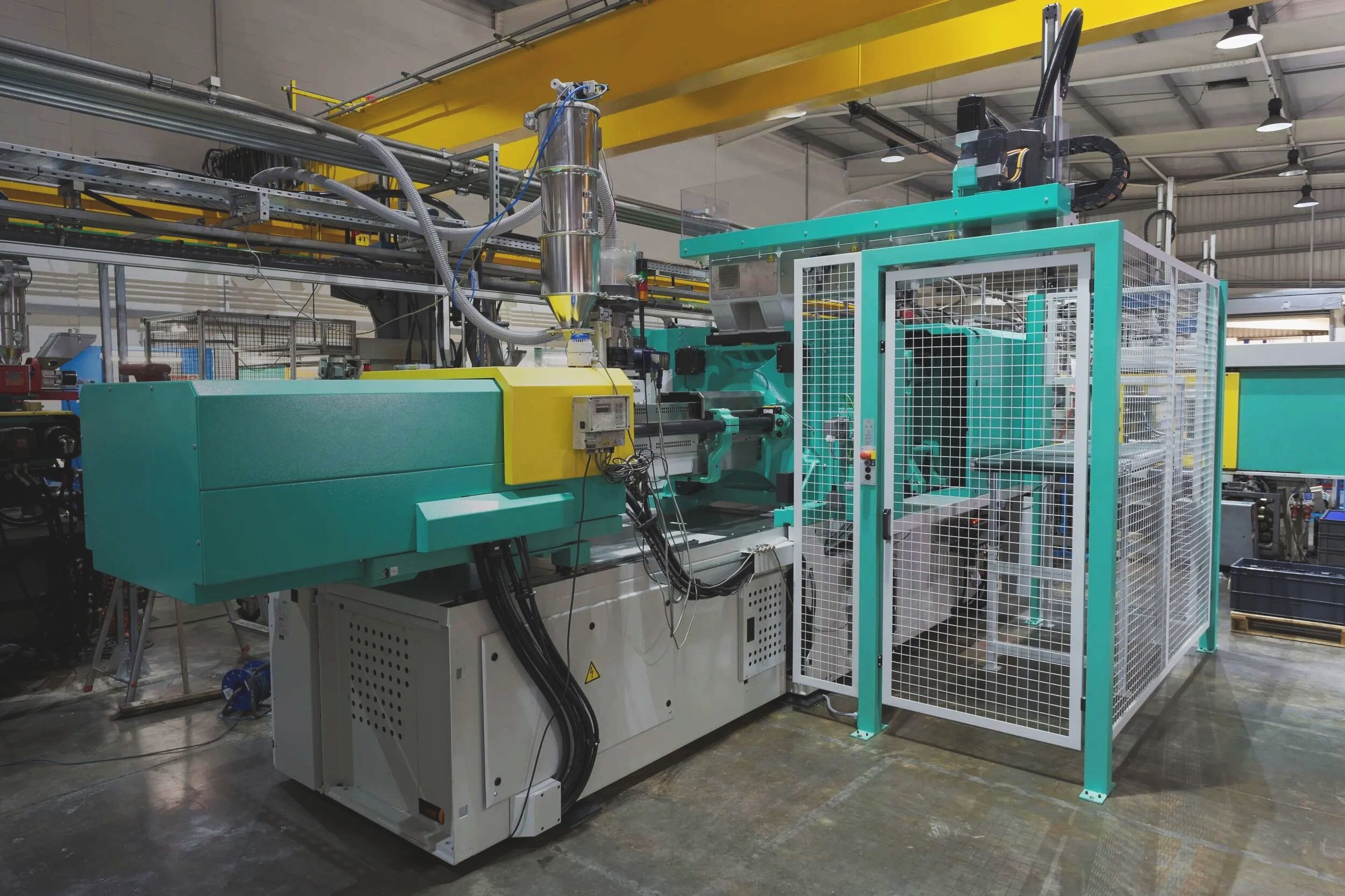
Plastic Fabrication and Machining
Polypropylene can be cut, drilled, and shaped using standard fabrication methods. Care must be taken due to its relatively low surface energy when bonding.
-
CNC Routing and Laser Cutting
CNC routing provides accurate cutting of sheet and board materials. Laser cutting is possible but requires controlled parameters due to melting behaviour.
-
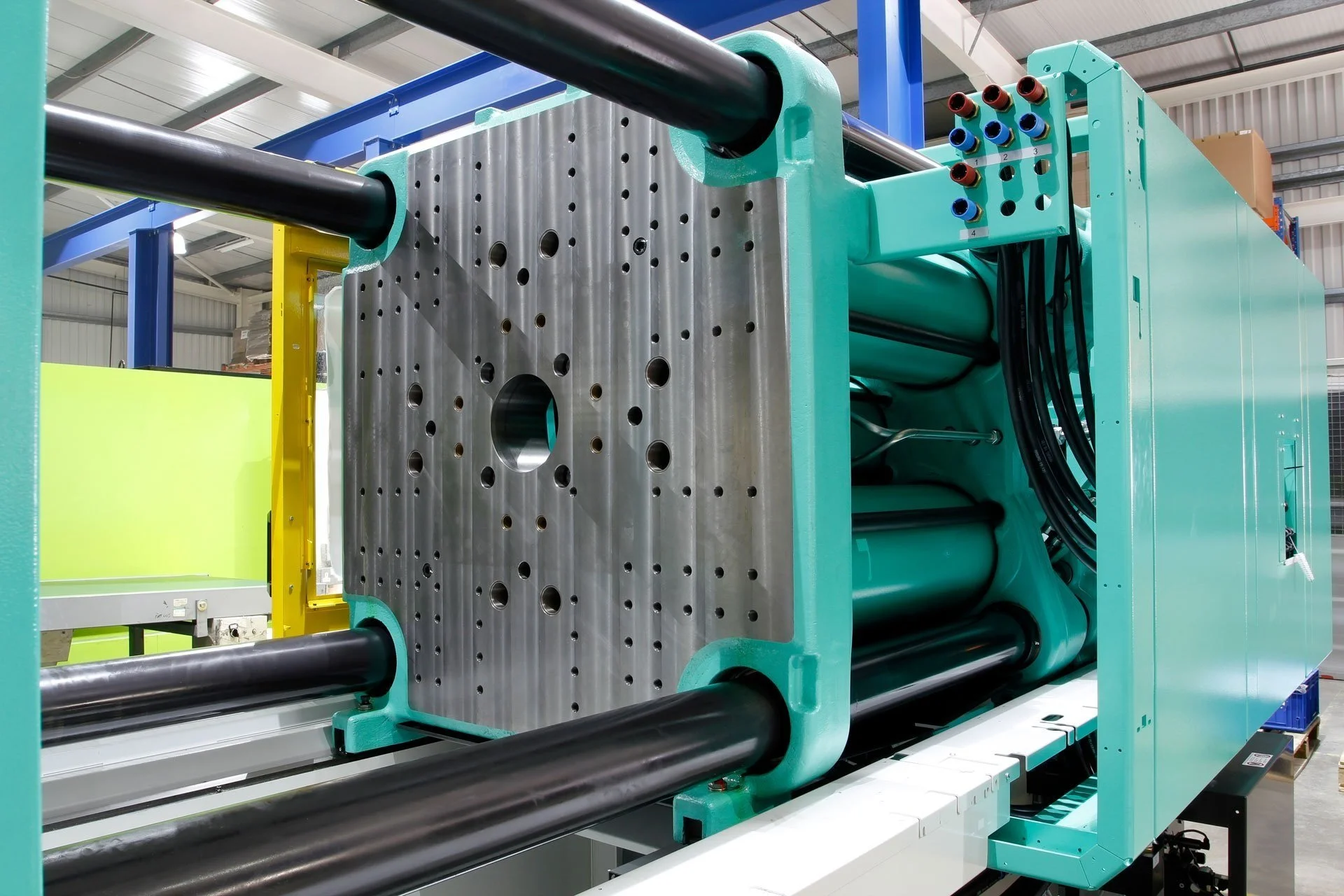
Vacuum Forming and Injection Moulding
Vacuum forming suits larger lightweight panels. Injection molding remains the dominant process for high volume production parts.
Typical melt temperatures range between 200-250°C depending on grade. Proper process control ensures dimensional stability and surface finish.

Cleaning, Maintenance and Handling of Polypropylene
Cleaning Polypropylene Surfaces
Use mild detergents and water for cleaning. Avoid strong oxidising chemicals unless compatibility is verified.
Long Term Material Maintenance
UV stabilised grades should be selected for outdoor exposure. Long term performance depends on grade, additives, and environmental conditions.

Sustainability and Environmental Impact of Polypropylene
Recyclable Thermoplastic Materials
Polypropylene carries recycling code 5. It can be mechanically recycled into new products, reducing raw material demand.
Recycling streams vary across Australia. Confirm local recycling availability before specifying.
Long Lasting and Resource Efficient Products
Durable polypropylene products reduce replacement frequency, lowering overall resource use.
At B&C Plastics, sustainability is approached through responsible material selection and transparent data, not marketing claims.

Technical Specifications and Material Data
Material Performance Specifications
Engineers evaluate:
Tensile strength
Impact resistance
Melt flow index
Heat deflection temperature
Chemical compatibility
Always request updated technical data sheets before final selection.
Certifications and Compliance Standards
For food, medical, or defence applications, compliance documentation is critical. This may include food contact certification, ISO management systems, and traceability records.
Frequently Asked Questions About Polypropylene

Quick FAQ Summary
-
Packaging film, caps, containers, automotive parts, tubes, and injection molded consumer goods are among the most common uses.
-
Yes. Indoor applications are common. Outdoor use requires UV stabilised grades to prevent degradation.
-
Natural, white, black, and grey are common. Forms include sheet, rod, film, pellets, and tubes.
3 Step Polypropylene Selection Process

Step 1: Define Performance Needs
Temperature, load, chemical exposure, compliance.

Step 2: Select the Grade
Homopolymer, copolymer, reinforced, or specialty compound.

Step 3: Confirm Processing Pathway
Injection molding, fabrication, extrusion, or film production.
Discover the Right Polypropylene Solution for Your Project
If you are evaluating polypropylene for new packaging, medical components, automotive parts, or industrial applications, clarity matters. Selecting the right grade and manufacturing partner reduces risk and improves long-term performance.
Request Technical Information or Datasheets
Contact us to access updated technical data sheets, melt flow data, and compliance documentation relevant to your project.

Speak With a Plastics Specialist
Our team at B&C Plastics can help you compare polypropylene with HDPE, PVC, POM, or PEEK and guide you toward the right material and injection molding solution for your application. Reach out today to discuss your project and ensure your manufacturing strategy is built on solid technical foundations.