

Quality Assurance and ISO Certification
Quality Assurance and ISO Certification are the structured systems and independently audited standards that ensure a plastics manufacturer consistently delivers safe, compliant, traceable and high performing products.
Engineering led partners build quality, compliance and risk reduction into every stage of design, DFM, tooling and production. Basic moulders inspect at the end and hope for the best. For procurement managers, engineering managers and sustainability leaders, Quality Assurance and ISO Certification are not marketing badges. They are your insurance policy.
At B&C Plastics in Queensland, our approach to Quality Assurance and ISO Certification underpins every project, from concept development to long term supply.

Combining full ISO certification with DISP accreditation, B&C Plastics provides high-quality, secure, and traceable plastic injection moulded components engineered for reliability and performance.

Quality Assurance is often confused with quality control. They are not the same.
Quality control checks finished parts. Quality assurance builds systems that prevent defects in the first place.
In injection moulding, this difference is significant. Once a tool is cut and production begins, mistakes are expensive. Engineering led quality systems reduce the likelihood of rework, scrap and downtime.
Our quality framework covers:
Design for manufacturability review before tooling
Controlled document management
Material traceability
Process parameter monitoring
Final inspection and verification
With annual production capacity exceeding 50 million moulded components, consistency is not optional. It is operationally critical.
What Quality Assurance Actually Means in Injection Moulding
Our ISO Certification Framework
B&C Plastics maintains a fully integrated Quality Assurance and ISO Certification system covering three internationally recognised standards:
ISO 9001 Quality Management Systems
ISO 14001 Environmental Management Systems
ISO 45001 Occupational Health and Safety Management Systems
These standards are developed by the International Organization for Standardization and are independently audited by accredited certification bodies. Certification is not self declared. It requires documented systems, internal audits, corrective action processes and ongoing external review.
Holding all three certifications together positions us among a small group of Australian manufacturers with a fully integrated management system across quality, environmental responsibility and workplace safety.
For regulated industries, this simplifies procurement. Your audit checklist becomes shorter when your supplier already operates under structured ISO governance.
DISP Certification and Security Alignment
In addition to ISO standards, we maintain Defence Industry Security Program certification.
DISP is administered by the Australian Government Department of Defence and establishes security requirements for organisations working within defence supply chains. It addresses governance, personnel security, physical security and information security.
For projects involving controlled information or sensitive intellectual property, DISP adds an additional layer of protection.
When clients ask whether ISO and defence security standards can operate together, the answer is yes. Our Quality Assurance and ISO Certification framework integrates with our security obligations, ensuring compliance is built in, not bolted on.
Engineering Led vs Order Taking Manufacturing

A common misconception is that ISO certification alone guarantees superior outcomes. It does not.
ISO provides a framework. Engineering capability determines how that framework is applied.
As an engineering led, end to end product development partner, we do more than mould parts. We:
Review CAD data for manufacturability
Identify stress concentrations before tooling investment
Optimise wall thickness and rib structure
Validate material suitability for UV, chemical or load exposure
Control tooling design and maintenance
Basic moulders manufacture what they are given. Engineering partners make your product better before production even starts.
This approach reduces total cost of ownership, particularly for volumes between 10,000 and 1 million parts annually.

Audit readiness is not something you prepare for the week before a client visit.
Under our Quality Assurance and ISO Certification system, documentation and traceability are embedded into daily operations. This includes:
Controlled revision history of drawings
Batch tracking of materials
Machine parameter recording
Non conformance reporting and corrective actions
Internal audit scheduling
For procurement managers in defence, mining, infrastructure or medical sectors, this reduces compliance friction.
It also supports ESG reporting, particularly where recycled material content must be verified and documented.
Audit Ready Manufacturing
Environmental management under ISO 14001 extends beyond waste reduction.
It requires structured identification of environmental aspects, objective setting, monitoring and continual improvement.
Within this framework, we support:
Responsible sourcing of recycled and virgin materials
Waste minimisation during production
Process optimisation to reduce energy consumption
Closed loop initiatives where feasible
For organisations working toward APCO targets or internal sustainability commitments, structured environmental management provides credible backing.
Circular claims without documentation create risk. Documented environmental management supports transparent reporting.
Circular Responsibility Within ISO Frameworks
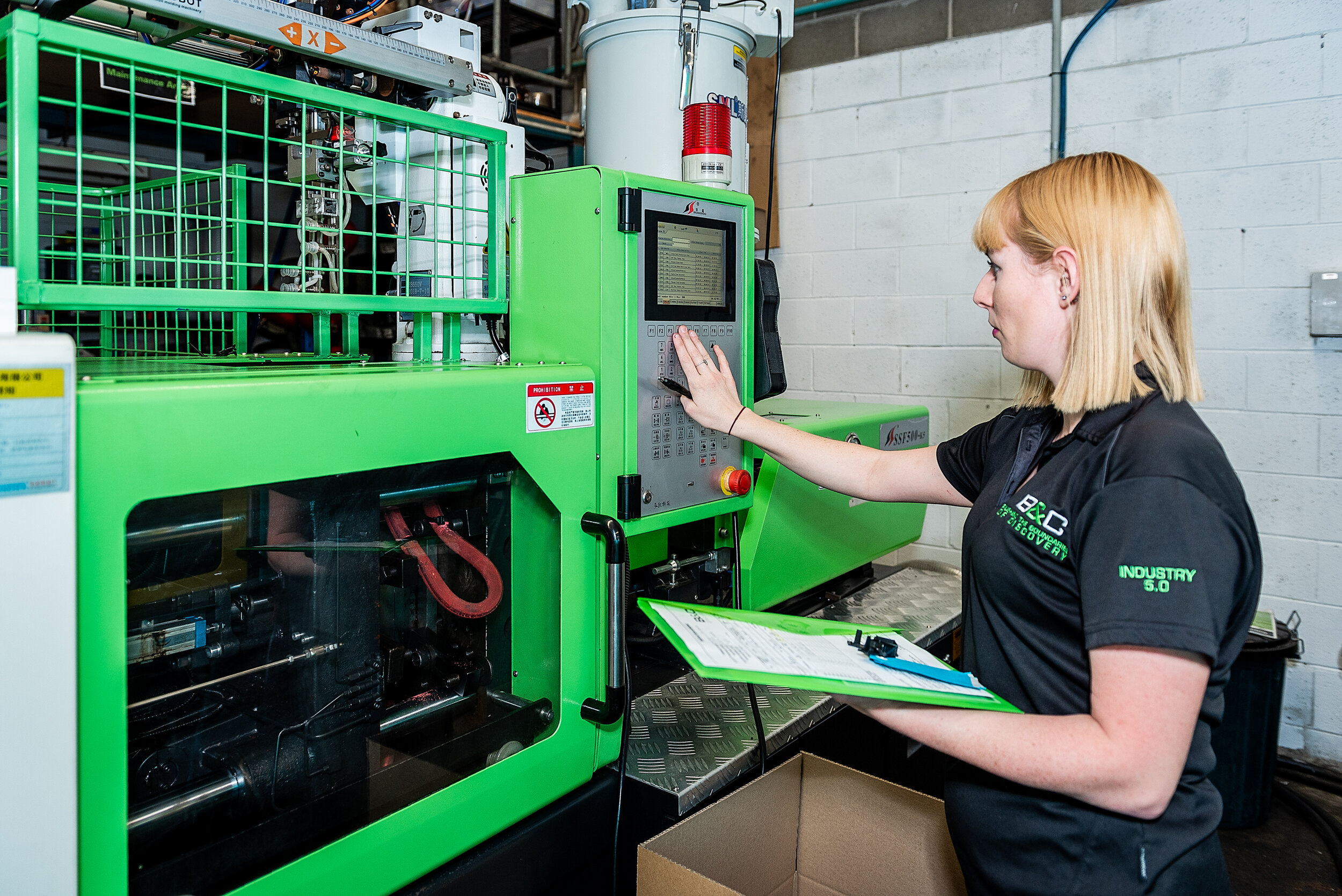
Quality is closely tied to production control.
Our average lead time for most projects is 2 to 3 weeks, depending on material availability and tooling status. That lead time is achievable because our processes are structured and repeatable.
When comparing Australian versus offshore manufacturing, hidden costs often include:
Rework due to inconsistent quality
Communication delays
Freight and shipping disruptions
Limited visibility of process control
Under a documented Quality Assurance and ISO Certification system, process repeatability improves forecast reliability.
For customers operating on forecast driven supply models, predictability is just as important as unit price.
Production Monitoring and Lead Times
Quality Assurance Across Key Industries
Different sectors apply Quality Assurance differently.

Defence
DISP aligned processes, secure documentation handling and ISO 9001 integration support compliance within sovereign supply chains.

Mining and Construction
Components exposed to UV, impact and chemical environments require validated material selection and dimensional accuracy.

Medical and Regulated Products
Traceability, material verification and documented production records are critical.

Medical and Regulated Products
Traceability, material verification and documented production records are critical.
The 3 Step Quality Assurance Process
To keep this practical, here is how our Quality Assurance and ISO Certification system applies to your project.

Step 1: Design and Risk Review
We assess CAD files, material requirements and compliance obligations before tooling is cut.

Step 2: Controlled Production
Machine parameters, materials and documentation are managed under ISO governed procedures.

Step 3: Verification and Continuous Improvement
Final inspections, audit reviews and corrective actions feed back into system improvements.
This three step structure reduces variability and supports long term supply reliability.

Transparency and Documentation Access
Credibility comes from openness.
We can provide:
ISO certification documentation
Evidence of external audit status
Quality management process overviews
Traceability data where contractually required
For organisations conducting supplier due diligence, clarity builds confidence.
We understand that for enterprise clients, credibility is evaluated long before the first purchase order is issued.
Experience and Track Record
Quality systems are only as strong as the team implementing them.
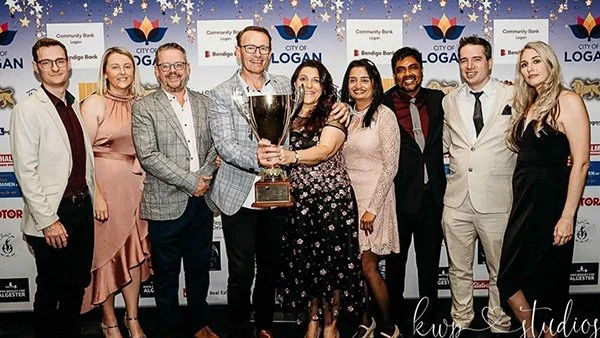
B&C Plastics has operated since 2006, delivering plastic components to recognised Australian and international brands including Virgin Australia, Telstra, Lendlease and Jetstar.
This experience includes:
Scaling production during high demand periods
Supporting medical and defence aligned initiatives
Managing tooling migrations from offshore suppliers
Implementing recycled content solutions within certified systems
Eighteen years of practical manufacturing experience informs how our Quality Assurance and ISO Certification processes are applied day to day.
There is a growing shift toward Australian manufacturing for risk management reasons.
Common drivers include:
Supply chain disruption
Intellectual property concerns
Compliance and audit pressure
Sustainability targets
Offshore price versus onshore peace of mind is not just a slogan. It reflects total risk exposure.
With local ISO certified operations, DISP security alignment and same time zone communication, response time improves and uncertainty decreases.
For procurement managers responsible for multi million dollar supply contracts, risk reduction often outweighs marginal price differences.
Australian Manufacturing and Risk Reduction
If you are still early in your search, ask these questions:
Are ISO certifications current and externally audited?
How is material traceability managed?
Is there documented design for manufacturability review?
How are non conformances handled?
Can the supplier demonstrate compliance history in your sector?
These questions separate engineering led partners from order taking moulders.
Quality Assurance and ISO Certification should be visible in documented systems, not just logos on a website.
How to Evaluate a Manufacturer’s Quality Claims
Commercial Clarity
We are transparent about fit.
Our sweet spot projects typically involve:
10,000 to 1 million parts annually
Engineering complexity beyond simple commodity parts
Medium to long term supply agreements
Compliance, sustainability or security requirements
If you are seeking purely the lowest unit cost for very high volume, low complexity parts, offshore manufacturing may be appropriate.
If you require compliance, documentation, engineering support and supply reliability, a structured Quality Assurance and ISO Certification system adds measurable value.
Built for Scrutiny
In regulated industries, you must assume your supplier will be scrutinised.
Auditors, regulators and internal governance teams will ask for documentation.
Our systems are designed with that scrutiny in mind. Not to pass an audit once, but to operate under continuous oversight.
Quality is not an event. It is a discipline.

Let’s Continue the Conversation
If you are evaluating suppliers and want to understand how our Quality Assurance and ISO Certification framework supports your project, we are happy to provide detail.
You can:
Request copies of our ISO certifications
Discuss DISP alignment for defence or secure projects
Review our documented quality processes
Arrange a facility visit in Meadowbrook, Queensland
Choosing a plastics manufacturing partner is a long term decision. If compliance, engineering depth and risk reduction matter to your organisation, contact B&C Plastics and see how a structured Quality Assurance and ISO Certification system supports reliable, Australian made outcomes.