
Recycled Plastic Building Materials


Recycled Plastic Construction Materials Engineered For Infrastructure Performance
High-density composite panels, bollards, and structural components with up to 80% post-consumer content - delivering corrosion resistance, UV stability, and multi-decade service life while meeting circular economy targets for Australian civil projects.
UV-stabilized HDPE composites for harsh Australian conditions
Engineered for extreme UV exposure, coastal salt environments, and temperature variations without degradation or maintenanceStructural validation for infrastructure loads
Test recycled plastic bollards, barriers, and decking systems against civil engineering specifications before project commitmentMarine-grade performance in splash zones
Corrosion-resistant panels for piers, boardwalks, and coastal structures where timber rots and steel corrodesComplete manufacturing capability with verified recycled content
Material traceability, performance documentation, and sustainability reporting for government procurement and ESG complianceAustralian-made for supply security
Local manufacturing eliminates international shipping delays and supports direct engineering collaboration during specification
Share your infrastructure application, environmental conditions, or sustainability requirements. We'll provide material data and assess suitability for your construction project.


Combining full ISO certification with DISP accreditation, B&C Plastics provides high-quality, secure, and traceable plastic injection moulded components engineered for reliability and performance.
Recycled Plastic Building Materials
Recycled plastic building materials are construction products manufactured from processed waste plastics that are transformed into durable panels, boards, barriers, and structural components for infrastructure, landscaping, and commercial projects.
At B&C Plastics, recycled plastic construction materials are developed through a circular manufacturing approach that turns plastic waste, packaging, bottles, cups, and post-consumer resources into high-performance infrastructure materials. Instead of treating waste as a disposal problem, circular plastics manufacturing treats it as a resource that can be reused again and again within a closed loop economy.
Across Australia and New Zealand, builders, civil contractors, and sustainability leaders are increasingly specifying recycled plastic composites as a practical alternative to timber, steel, and concrete. The reason is simple. When designed properly, recycled plastic composites deliver durability, low maintenance, corrosion resistance, and long service life while diverting significant volumes of plastic waste from landfill.
Recycled Plastic Building Products
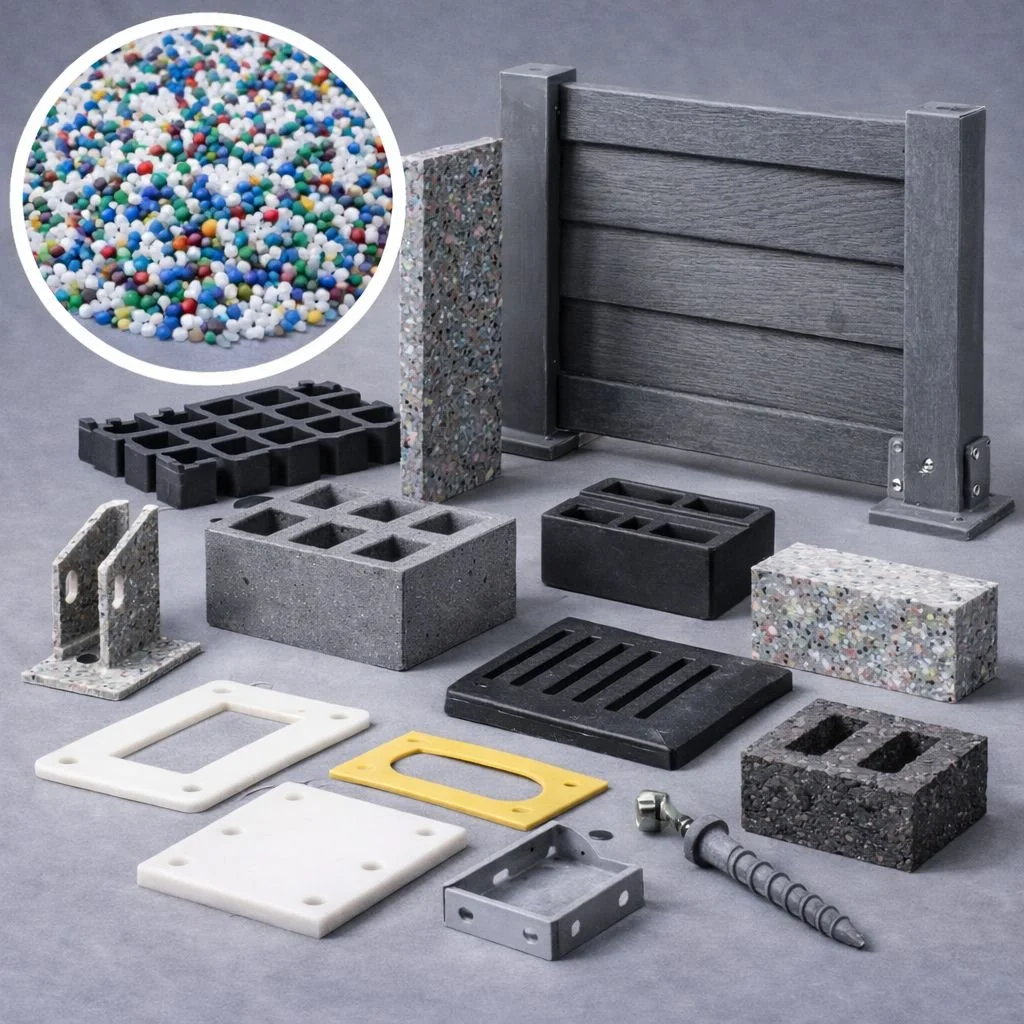
Recycled plastic building products are construction materials manufactured from post-consumer plastics such as packaging, bottles, and industrial waste streams. Through advanced recycling and composite manufacturing processes, these plastics are processed into panels, boards, decking systems, fencing components, bollards, and infrastructure elements used across construction and civil engineering.
Unlike traditional timber or steel materials, recycled plastic composites do not rot, rust, crack, or attract termites. These characteristics make them particularly useful for outdoor infrastructure such as boardwalks, bridges, fencing, and landscaping features.
Common recycled plastic construction products include:
Composite decking boards for outdoor walkways and platforms
Bollards and safety posts for roads and infrastructure protection
Garden edging and landscaping barriers
Hoarding panels and screening panels for construction sites
Furniture such as benches, seating, and outdoor chairs
Marine panels used in splash zones and coastal environments
These products are manufactured using recycled polymers such as HDPE and polypropylene combined with reinforcing materials to create structural composites capable of supporting demanding infrastructure applications.

Sustainable Materials for Modern Construction
Construction projects increasingly require sustainable materials that support circular economy goals and reduce environmental impact. Recycled plastic building materials achieve this by converting waste plastics into long-lasting construction components.
Instead of sending plastics to landfill or ocean environments, recycling facilities collect and process waste streams such as food packaging, drink cups, bottles, and industrial offcuts. These materials are shredded, cleaned, and reprocessed into raw polymer feedstock used to manufacture new construction products.
This process provides several sustainability benefits:
| Benefit | Impact |
|---|---|
| Waste diversion | Reduces plastic waste sent to landfill |
| Resource efficiency | Reuses existing plastics rather than producing new materials |
| Carbon reduction | Lower lifecycle carbon compared with virgin plastic production |
| Circular economy | Supports closed loop recycling systems |
Across Australia, circular construction materials are helping companies meet sustainability targets and reduce their environmental footprint.

Australian Made Solutions for Civil and Commercial Projects
Australian infrastructure projects operate in harsh environmental conditions including extreme UV exposure, coastal salt environments, and wide temperature variations. Locally manufactured recycled plastic products are engineered specifically for these conditions.
Manufacturing recycled plastic building materials in Australia also strengthens supply chain reliability. Local manufacturing avoids international shipping delays and allows engineers to work directly with manufacturers during product design and specification stages.
Australian made recycled plastic infrastructure products are commonly used in:
Civil infrastructure projects
Rail corridors and road safety installations
Mining and agricultural infrastructure
Coastal and marine environments
By manufacturing locally, Australian manufacturers can ensure products comply with local engineering standards and environmental requirements.
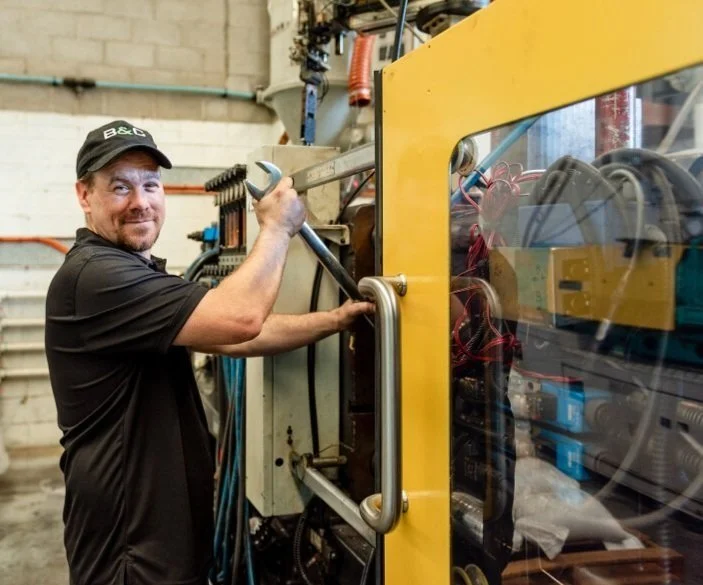
Circular Building Materials for Sustainable Construction
Circular building materials are materials designed to remain in continuous use through recycling, remanufacturing, and reuse. In a circular economy, products are not discarded after use. Instead, they become raw material for new manufacturing cycles.
Recycled plastic construction materials are one of the clearest examples of circular manufacturing in action.
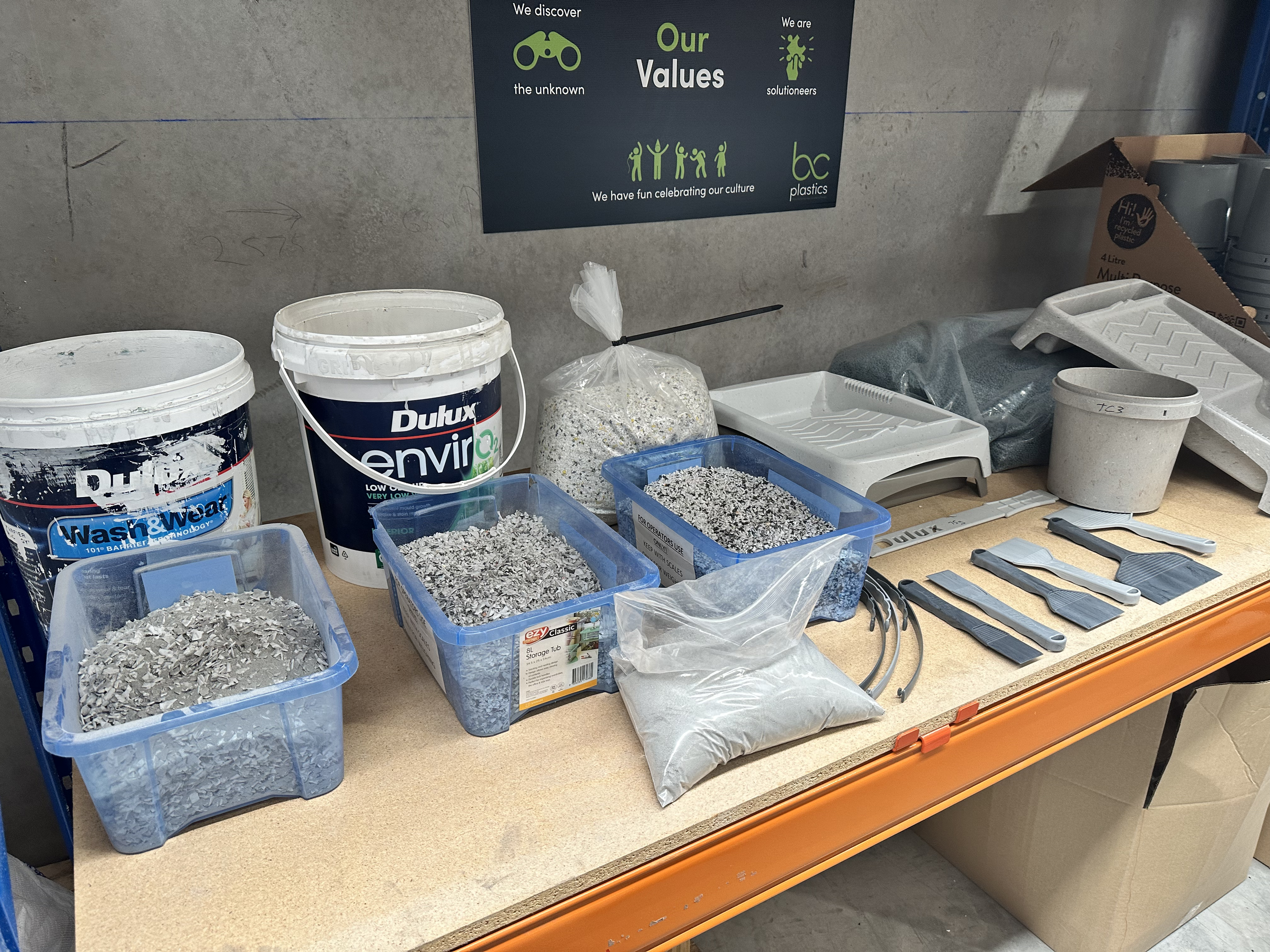
Turning Waste Plastics Into High Performance Materials
The circular plastics manufacturing process begins with waste collection. Waste plastics from packaging, bottles, industrial materials, and consumer products are collected through recycling programs.
These materials are then processed through several stages:
Sorting and cleaning to remove contaminants
Shredding and granulation into small polymer flakes
Melting and extrusion to produce new composite materials
Moulding or forming into boards, panels, and construction components
Through this process, plastics that might otherwise end up in landfill are converted into durable construction materials used for decking, fencing, infrastructure barriers, and landscaping products.
Some facilities across Australia and New Zealand process thousands of tonnes of plastic waste annually into circular construction materials.

Reducing Environmental Impact Through Material Reuse
Recycling plastic waste into construction materials helps reduce several environmental pressures.
First, it reduces the volume of plastics entering landfill or ocean environments. Second, it lowers the demand for virgin plastic production, which requires fossil fuel extraction and energy intensive manufacturing.
Third, circular plastics manufacturing helps extend the useful life of existing materials. When products reach the end of their service life, they can often be recycled again and reintroduced into the manufacturing process.
This circular loop approach supports sustainability goals for industries such as construction, infrastructure development, and landscaping.
Meet the Team
-
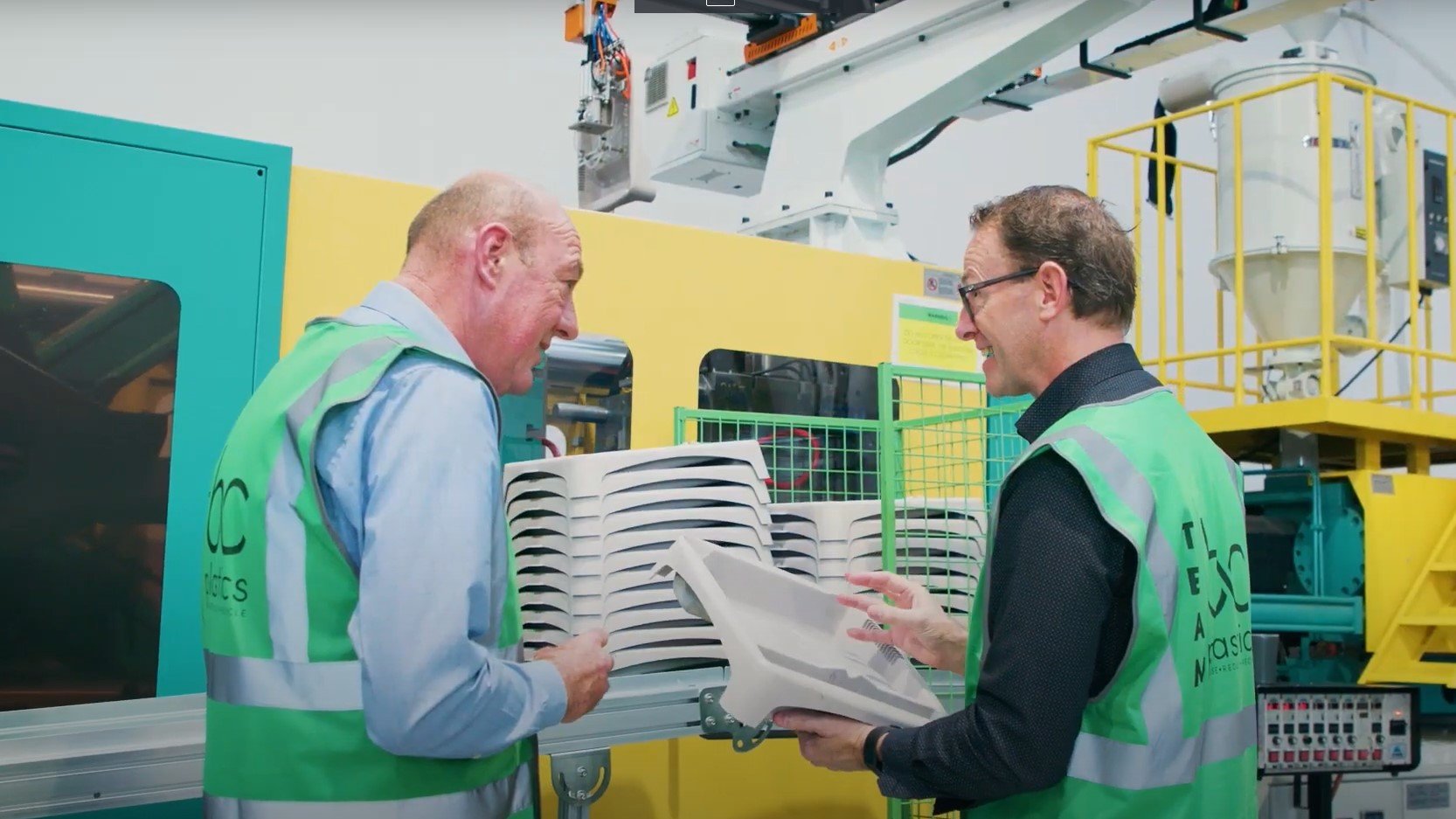
HDPE Sheets and Barrier Products
HDPE sheet materials are widely used in civil engineering and construction because of their strength, chemical resistance, and durability.
HDPE stands for high density polyethylene, a polymer commonly produced from recycled plastic waste. HDPE sheets can be manufactured in a wide range of thicknesses depending on the application.
Typical uses include:
● Construction hoarding panels
● Marine splash zone protection
● Industrial containment barriers
● Agricultural stockyard sheeting
HDPE plastic sheets are available in multiple colours and thickness ranges and can be cut or machined into custom panels for specific applications.
-
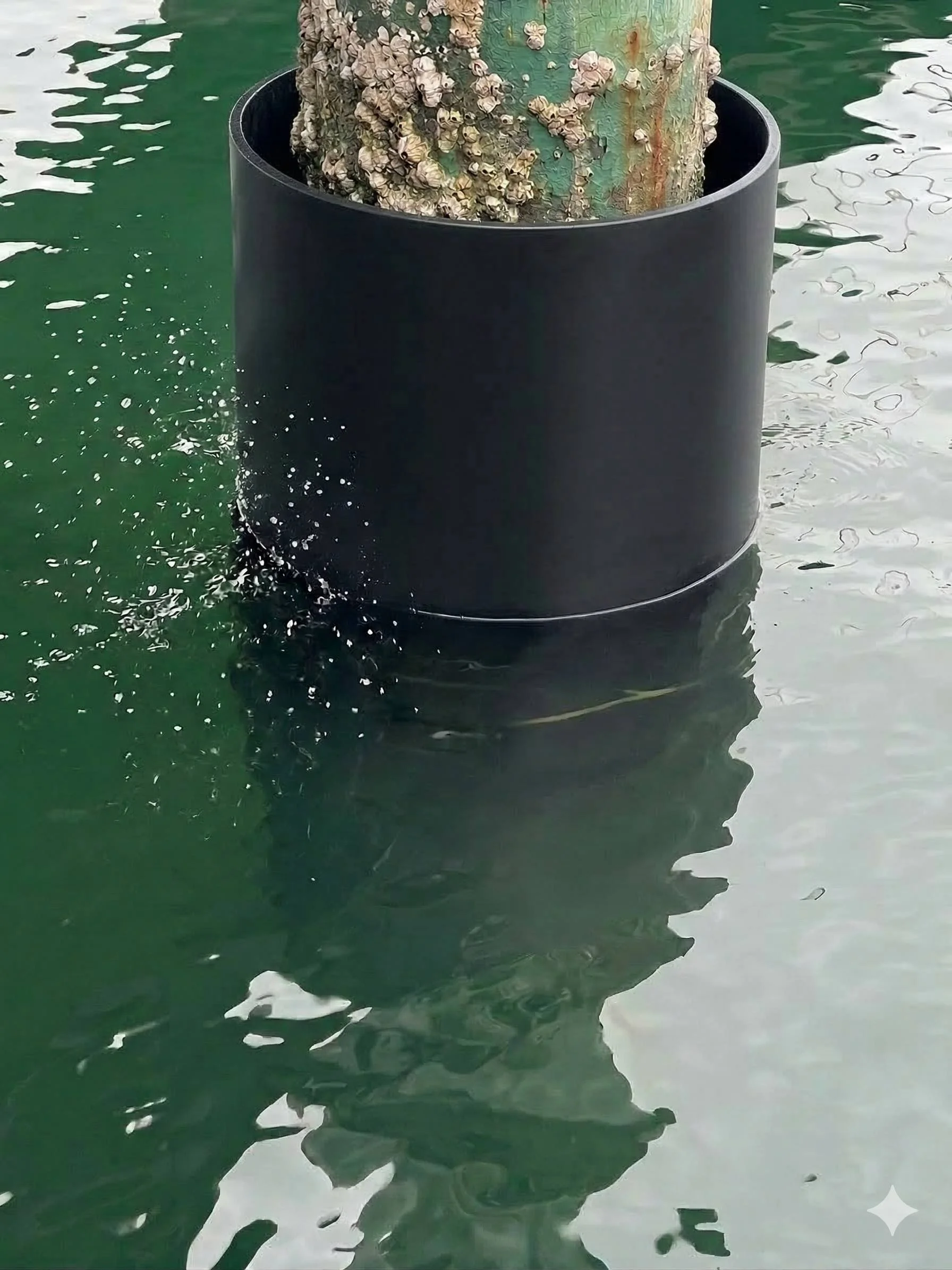
Marine and Splash Zone Protection Panels
Marine infrastructure often requires materials that can withstand continuous exposure to water, salt, and UV radiation.
Recycled plastic marine panels provide an effective solution for splash zones and coastal structures because they resist corrosion, moisture absorption, and biological growth.
These panels are used in:
● Piers and marina structures
● Coastal walkways and boardwalks
● Boat ramps and marine protection barriers
Because HDPE plastic does not rot or rust, it performs well in marine environments where timber and steel often degrade quickly.
-
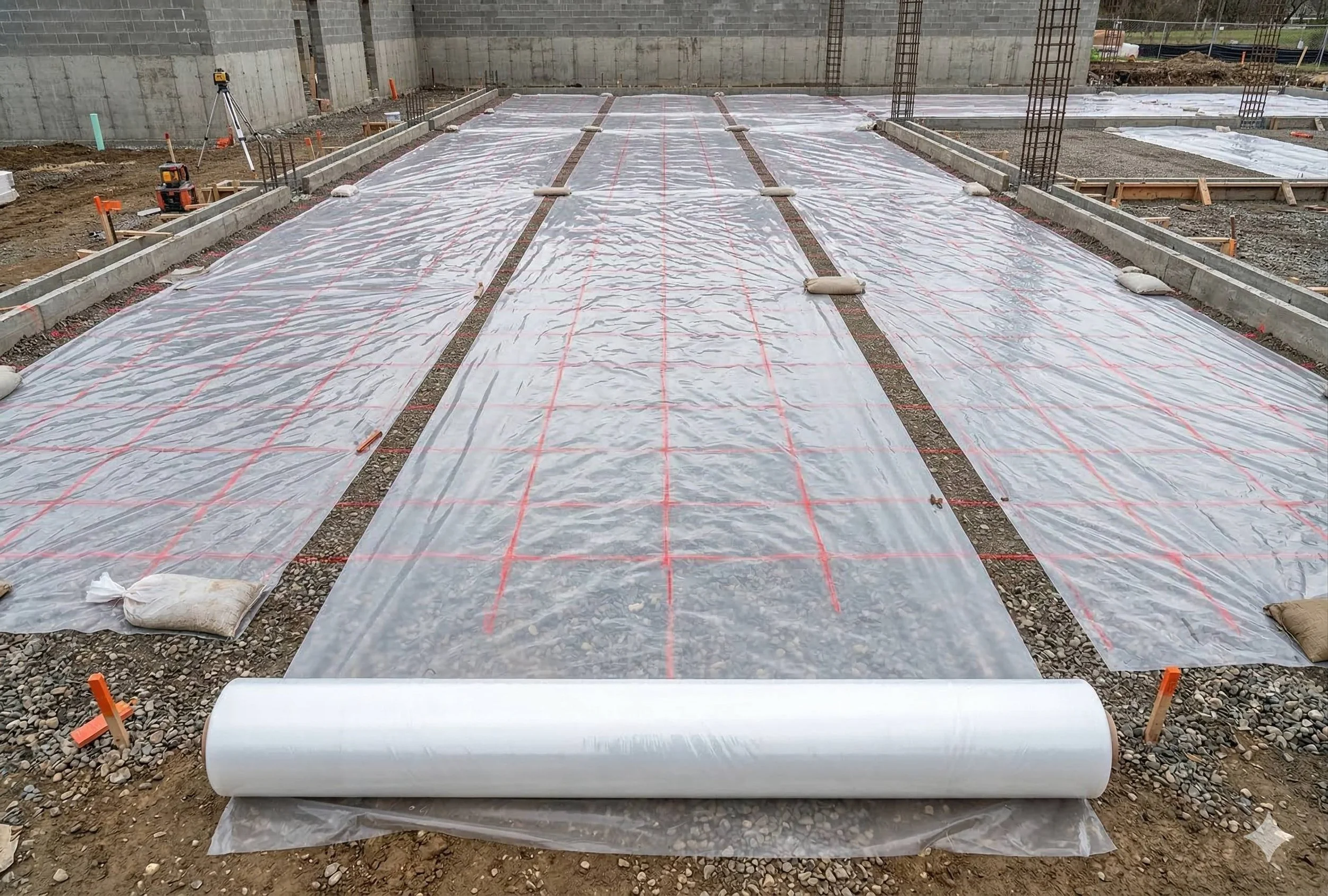
Poly Barriers and Stockyard Sheeting
Plastic sheet barriers are also widely used in agricultural and industrial applications.
Stockyard sheeting made from recycled HDPE can be used for:
● Livestock containment barriers
● Equipment protection panels
● Agricultural infrastructure
These barriers provide a durable alternative to timber panels and metal sheeting.
Recycled Plastic Products for Infrastructure Projects
Infrastructure projects often require materials capable of surviving decades of outdoor exposure while maintaining structural integrity.
Recycled plastic composites are increasingly used in infrastructure because they combine durability with environmental benefits.
Hoarding Panels and Site Barriers
Construction hoarding panels are used to create safety barriers around building sites. Recycled plastic panels provide a lightweight and durable alternative to traditional plywood hoarding.
Advantages include:
Weather resistance
Reusability across multiple projects
Resistance to moisture and rot
Because plastic panels do not absorb water, they maintain their structural performance even in wet environments.
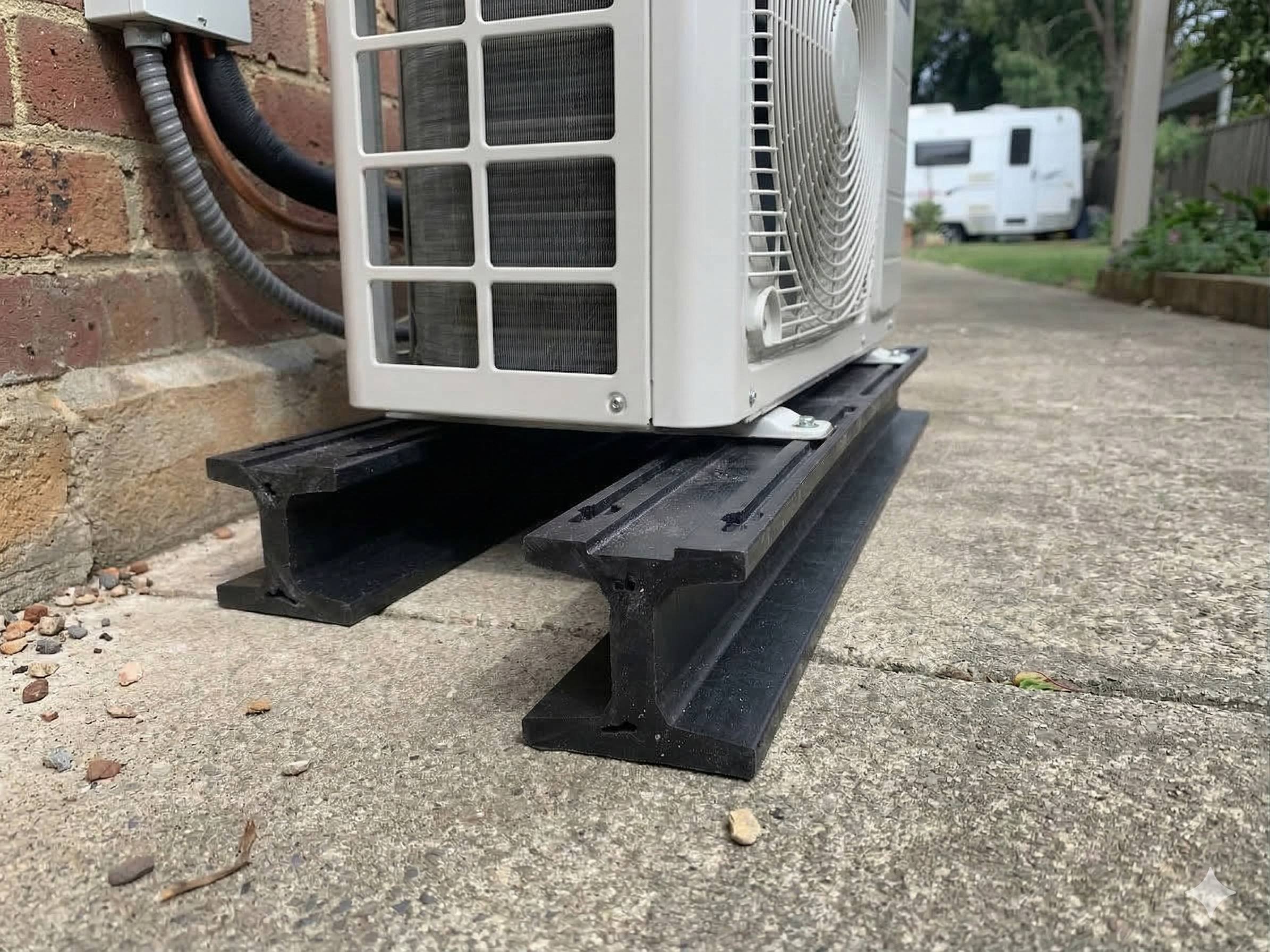
Air Conditioning Mounting Blocks
Recycled plastic mounting blocks are commonly used to support air conditioning systems and other mechanical equipment.
These blocks provide a stable base while preventing corrosion or water damage that may affect steel supports or timber platforms.
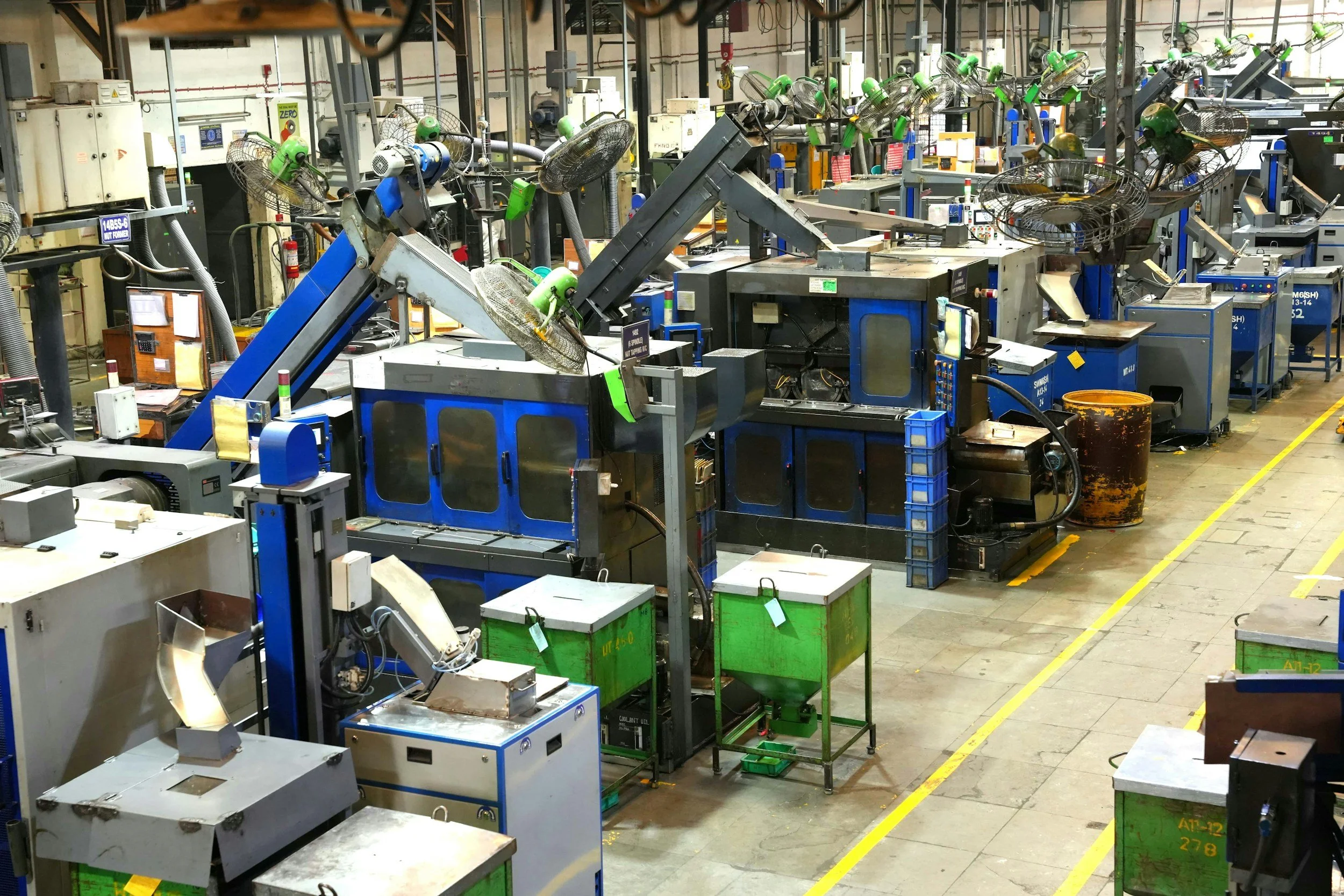
Structural and Protective Construction Components
Additional recycled plastic construction components include:
Bollards used for traffic and infrastructure protection
Fencing posts and screening barriers
Landscaping edging systems
Outdoor seating and benches for public spaces
These products combine recycled plastics with reinforcing composites to achieve the strength required for infrastructure applications.
Key Advantages of Recycled Plastic Building Materials
Recycled plastic construction materials offer several performance advantages compared with traditional materials such as timber or concrete.
UV Stabilised for Outdoor Durability
UV stabilisers can be added to plastic composites to prevent degradation caused by sunlight exposure. This allows recycled plastic products to maintain strength and colour stability over many years of outdoor use.
Corrosion and Moisture Resistance
Unlike steel, recycled plastic materials do not rust or corrode when exposed to moisture or chemicals. This makes them suitable for marine infrastructure, agricultural environments, and industrial facilities.
Long Lasting and Low Maintenance
One of the biggest advantages of recycled plastic building materials is their long service life.
Because they do not rot, warp, or attract termites, these materials typically require minimal maintenance compared with timber infrastructure components.

Applications of Recycled Plastic Products
Recycled plastic construction products are used across multiple industries and infrastructure sectors.
Construction and Civil Infrastructure
Civil engineers use recycled plastic composites for applications such as bridges, boardwalks, fencing, safety bollards, and roadside barriers.
These materials are also used for rail infrastructure, road safety installations, and pedestrian walkways.

Outdoor Facilities and Public Spaces
Local governments often use recycled plastic furniture and infrastructure components in parks and recreational areas.
Common examples include:
Outdoor benches and seating
Picnic tables and garden furniture
Boardwalk decking systems
Wayfinding signage and information boards
These installations provide long lasting public infrastructure while supporting sustainability goals.

Industrial and Commercial Installations
Recycled plastic panels and barrier systems are used in warehouses, industrial facilities, and agricultural operations.
Applications include equipment protection panels, stockyard barriers, and safety fencing around industrial machinery.
A Simple 3 Step Circular Manufacturing Process

Step 1 - Waste Collection
Plastic waste such as packaging, bottles, cups, and industrial offcuts is collected through recycling programs.

Step 2 - Material Processing
The plastics are cleaned, shredded, and processed into reusable polymer materials.

Step 3 - Product Manufacturing
The recycled polymers are moulded or extruded into boards, panels, decking, bollards, and construction components.
This process closes the loop by transforming plastic waste into durable building materials used in infrastructure projects.

Enquire About Recycled Plastic Building Products
Businesses exploring recycled plastic building materials often begin by evaluating the performance, durability, and sustainability benefits compared with traditional materials.
Request Product Information or Specifications
If you would like to review technical specifications, materials data, or available product ranges, our team can provide detailed information about recycled plastic construction products and their applications.
Speak With Our Construction Materials Specialists
If you are planning a construction, infrastructure, or landscaping project and want to explore recycled plastic solutions, contact the B&C Plastics team.
We can help you evaluate material options, discuss engineering requirements, and determine whether recycled plastic composites are the right fit for your project.