

Training and Career Development at B&C Plastics
Training and career development at B&C Plastics is a structured, hands-on pathway that builds technical capability, leadership skills, and long-term careers within Australian advanced manufacturing. As an engineering-led, end-to-end product development partner rather than a basic moulder, we invest in our people because complex, regulated and circular manufacturing demands more than machine operators. It demands skilled professionals who understand design, DFM, tooling, compliance and production from start to finish.
If you are exploring career opportunities in manufacturing, or if you are a procurement or engineering leader evaluating the strength of your supply chain partners, this page explains how we approach training and career development and why it directly impacts quality, compliance and reliability.

Combining full ISO certification with DISP accreditation, B&C Plastics provides high-quality, secure, and traceable plastic injection moulded components engineered for reliability and performance.

Why Training and Career Development Matter in Advanced Manufacturing
There is a counter narrative in Australia that manufacturing is low skill and repetitive. That view is outdated.
Modern injection moulding, CNC machining and toolmaking environments require:
Technical literacy
Quality system awareness
Safety discipline
Continuous improvement mindset
Training and career development are not HR add-ons. They are operational necessities.
For businesses operating under ISO 9001, ISO 14001 and ISO 45001 standards, documented competency and ongoing development are essential to maintaining certification. When defence-related work is involved under the Defence Industry Security Program, awareness of secure processes and confidentiality also becomes critical.
Strong training systems reduce operational risk. They improve consistency. They strengthen culture. And they support sovereign manufacturing capability in Australia.
What Training and Career Development Mean in Our Environment
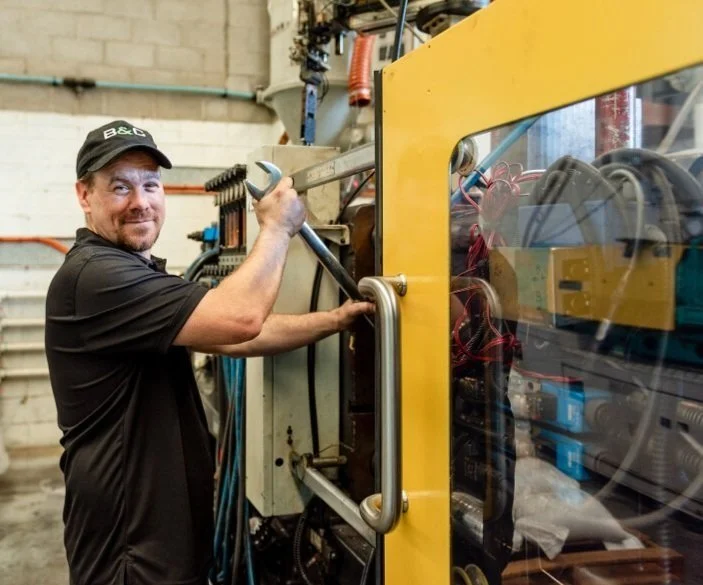
Training and career development at B&C Plastics is practical, structured and aligned with real production outcomes.
We focus on three layers:
Technical capability
Systems and compliance understanding
Leadership and accountability
This applies across production, toolmaking, industrial design, engineering and business services.
We are not a moulding-only workshop. We operate as an end-to-end product development partner. That means our people are exposed to design reviews, DFM conversations, tooling discussions and production planning. That broader exposure shapes stronger professionals.
Engineering-Led Learning, Not Task Repetition
Basic moulders often train people to run one machine, one way.
We do things differently.
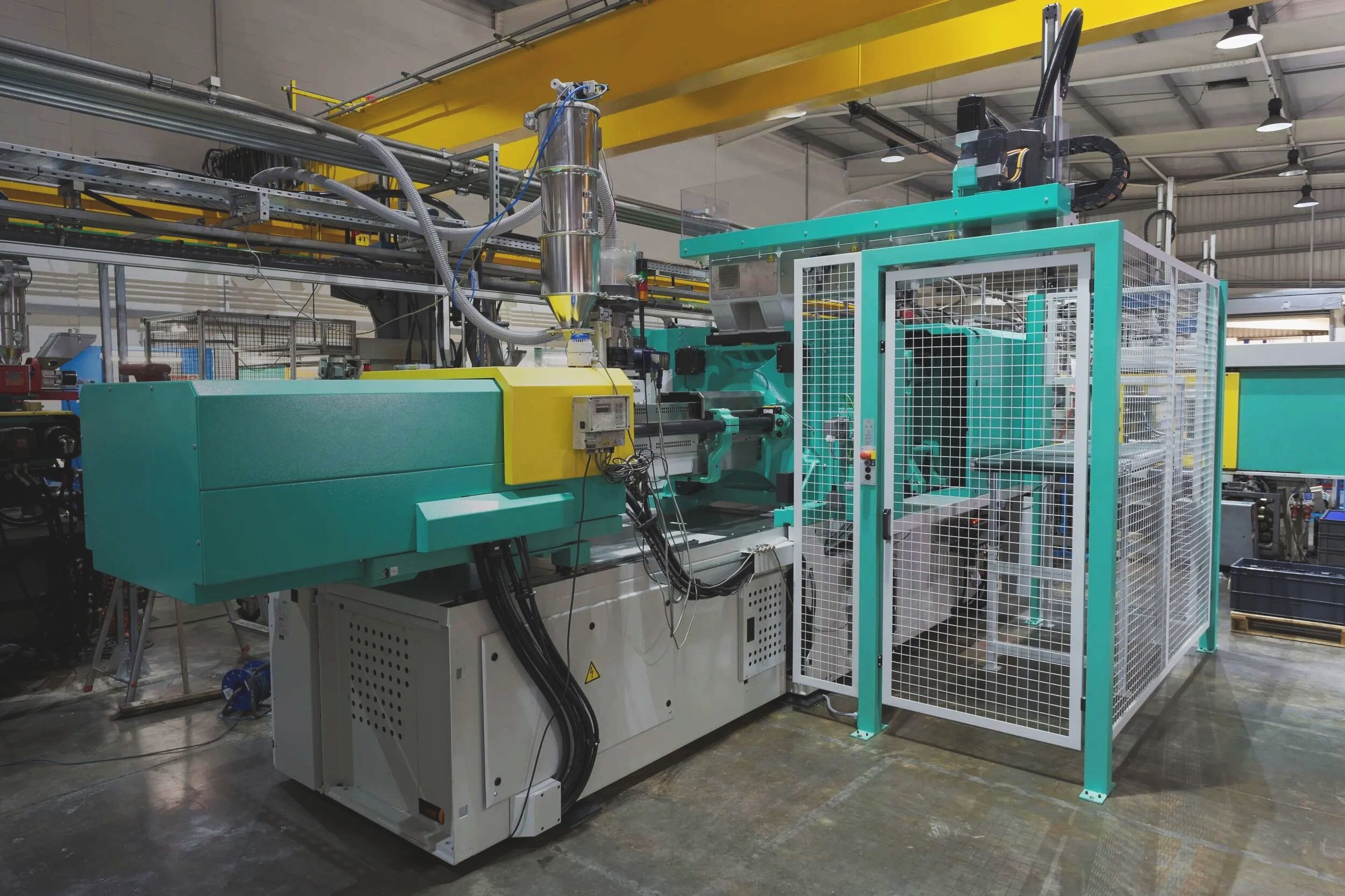
Our training and career development philosophy is built around engineering-first thinking. That means team members learn:
Why material selection affects performance
How design decisions influence mould complexity
How process parameters impact dimensional stability
How traceability supports ISO compliance
How circular manufacturing influences material flow
Understanding the “why” changes how people approach their work.
It creates problem solvers rather than button pushers.
Structured Pathways Across the Business
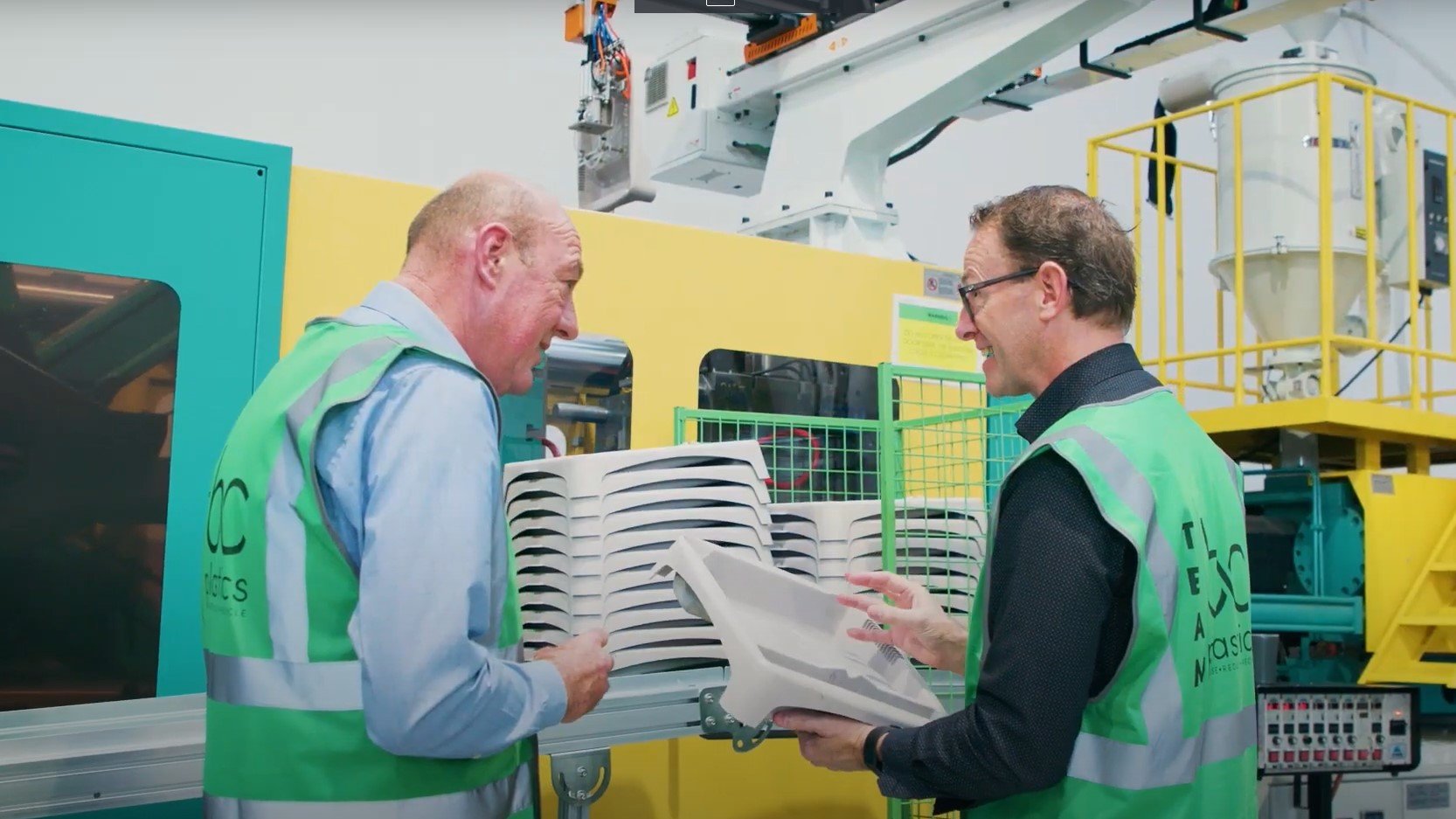
Career development does not happen by accident. It needs structure.
We provide progression opportunities across:
Injection moulding operations
Tool maintenance and toolmaking
CNC machining
Quality assurance
Project coordination
Industrial design support
Individuals may start in production support and move into supervisory roles. Others may transition into technical specialist roles. Some pursue formal qualifications alongside employment through nationally recognised training pathways.
Each pathway is discussed openly with supervisors and management. There is clarity about expectations and milestones.
3 Step Development Framework
Below is the simplified structure we follow internally.

Step 1
Foundation and Competency
Safety induction, machine familiarisation, supervised operation, understanding quality documentation.

Step 2
Technical Depth and Ownership
Independent machine setup, troubleshooting support, contribution to process optimisation, engagement in continuous improvement discussions.

Step 3
Leadership and Mentoring
Supervisory responsibilities, mentoring new team members, participation in cross-functional planning, involvement in client-facing project reviews.
This approach ensures training and career development are linked directly to responsibility and accountability.

Safety and Compliance as Core Competencies
In Australia, manufacturing workplaces are governed by Work Health and Safety legislation. Compliance is not optional.
Our training programs reinforce:
Hazard identification
Safe machine operation
Lockout procedures
Risk assessment participation
Incident reporting protocols
Because we operate under ISO 45001 occupational health and safety management systems, documentation and accountability are built into daily operations.
Training and career development include exposure to these systems early. This builds confidence and discipline.
ISO Systems and Quality Awareness
Quality is not something inspected at the end. It is built into the process.
Operating under ISO 9001 quality management standards means processes are documented, repeatable and monitored. Team members are trained to understand:
First article inspection
Dimensional verification
Process control parameters
Non-conformance management
Under ISO 14001, environmental management awareness also forms part of internal training. This includes waste management, material segregation and energy awareness.
For clients in defence and regulated sectors, competence in these systems reduces procurement risk.
Circular Manufacturing Skills
Sustainability is no longer a marketing line item. It is increasingly a compliance and brand requirement.
We have invested in recycled content capability and circular manufacturing processes. Training and career development therefore include:
Material identification and handling
Regrind management
Traceability documentation
Waste reduction practices
For organisations working toward APCO targets and ESG reporting requirements, understanding circular manufacturing is essential. Our team members are trained to work within these systems, not around them.

From Apprentice to Leader
Many manufacturing leaders in Australia started on the floor.
Training and career development are long-term commitments. We support:
Apprenticeships in relevant trades
Ongoing professional development
Cross-training between departments
Leadership skill development
Progression is based on performance, initiative and capability, not tenure alone.
We have seen individuals move from entry-level production roles into supervisory and specialist positions through structured development and mentorship.
That internal mobility strengthens culture and retention.
Why This Matters to Our Clients
If you are a procurement manager or engineering lead searching for an engineering-led plastics partner versus a basic moulder, workforce capability matters more than most realise.
Strong training and career development systems result in:
Fewer production errors
More consistent lead times
Faster troubleshooting
Stronger compliance performance
When we say we are not just a moulder, we mean it. We invest in people who understand the full product lifecycle.
For suppliers managing projects valued at over $1.2M annually, reliability is not negotiable. Workforce capability underpins that reliability.

Australian Manufacturing and Sovereign Capability
Global supply chain disruptions have highlighted the risks of over-reliance on offshore production.
Local training and career development strengthen sovereign capability. They ensure skills are retained within Australia.
When global freight delays extend lead times, local teams trained under structured systems can respond quickly.
This is part of the Australian-made advantage. Same time zone, same standards, same accountability.
A Realistic Perspective on Career Growth
Career growth is not automatic. It requires:
Consistency
Curiosity
Willingness to learn
Accountability
We are transparent about expectations. Advanced manufacturing environments are fast paced and quality driven.
Training and career development support individuals who want to grow. They are not shortcuts to rapid promotion. They are structured pathways to genuine competence.
Support Systems in Place
We provide:
Clear role descriptions
Regular performance discussions
Feedback loops
Access to supervisors and managers
Exposure to cross-functional teams
Our leadership team, including senior management, remains accessible. That matters in small-to-mid-sized Australian manufacturers where culture directly influences performance.
Career Development Beyond the Factory Floor
Not every pathway remains technical.
Training and career development can lead into:
Project management
Client liaison
Supply chain coordination
Sustainability coordination
Business services roles
Understanding manufacturing from the ground up makes these transitions more effective.
Transparency and Accuracy
Training and career development programs operate within Australian employment law and, where applicable, nationally recognised training frameworks.
Government incentives and funding arrangements for certain training programs may change over time. Individuals should verify eligibility and current funding details through official Australian Government or state authority websites before making decisions that affect their education or employment.
We commit to providing accurate information during recruitment discussions. We do not promise unrealistic timelines or outcomes.

Interested in Joining Our Team?
If you are exploring training and career development opportunities in advanced plastics manufacturing, we encourage you to contact us.
Tell us:
Your background
Your interests
The kind of career you want to build
If you are an industry partner, educator or parent seeking insight into modern manufacturing careers in Queensland, we are happy to provide clarity.
Strong teams build strong products. And strong products support strong Australian supply chains.
Training and career development are how that cycle continues.