
Water and Wastewater Components


Municipal Water Infrastructure Components Designed For Multi-Decade Service Life In Corrosive Environments
Precision-moulded wastewater treatment components, sewer system fittings, and stormwater infrastructure with validated chemical resistance and structural integrity - engineered for Australian utilities managing critical public health systems.
Material validation for wastewater treatment conditions
Test chemical resistance against sewage, treatment chemicals, and biological contamination before production commitmentEngineered for underground infrastructure demands
Design components to withstand soil pressure, groundwater exposure, and installation stresses in municipal networksEnd-to-end manufacturing capability
Product engineering, precision tooling, injection moulding, and compliance documentation for water and wastewater utilitiesProduction scalability for utility projects
From prototype validation to volume manufacturing supporting council infrastructure programs and treatment plant upgradesISO-certified quality systems with full traceability
Documented processes meeting environmental regulations and public utility procurement standards
Provide your application specifications, operating environment, and project requirements. We'll evaluate material suitability and manufacturing feasibility for your water infrastructure needs.


Combining full ISO certification with DISP accreditation, B&C Plastics provides high-quality, secure, and traceable plastic injection moulded components engineered for reliability and performance.
Water and Wastewater Components for Infrastructure and Utility Systems
Water and wastewater components are specialised plastic parts manufactured through injection moulding to support municipal water, sewage, stormwater, and wastewater management systems.
Public utilities, councils, and infrastructure developers cannot risk unreliable parts inside water treatment plants, sewer networks, or wastewater infrastructure. These systems protect public health, support environmental management, and ensure communities have access to safe drinking water and effective wastewater treatment.
Manufacturers such as B&C Plastics focus on engineering-led production of plastic components used across water management infrastructure, including wastewater treatment plants, pumping stations, stormwater systems, and municipal sewer networks. These components support critical processes such as filtration, sludge processing, biological treatment, sediment removal, and effluent discharge, helping utilities operate efficiently and safely.
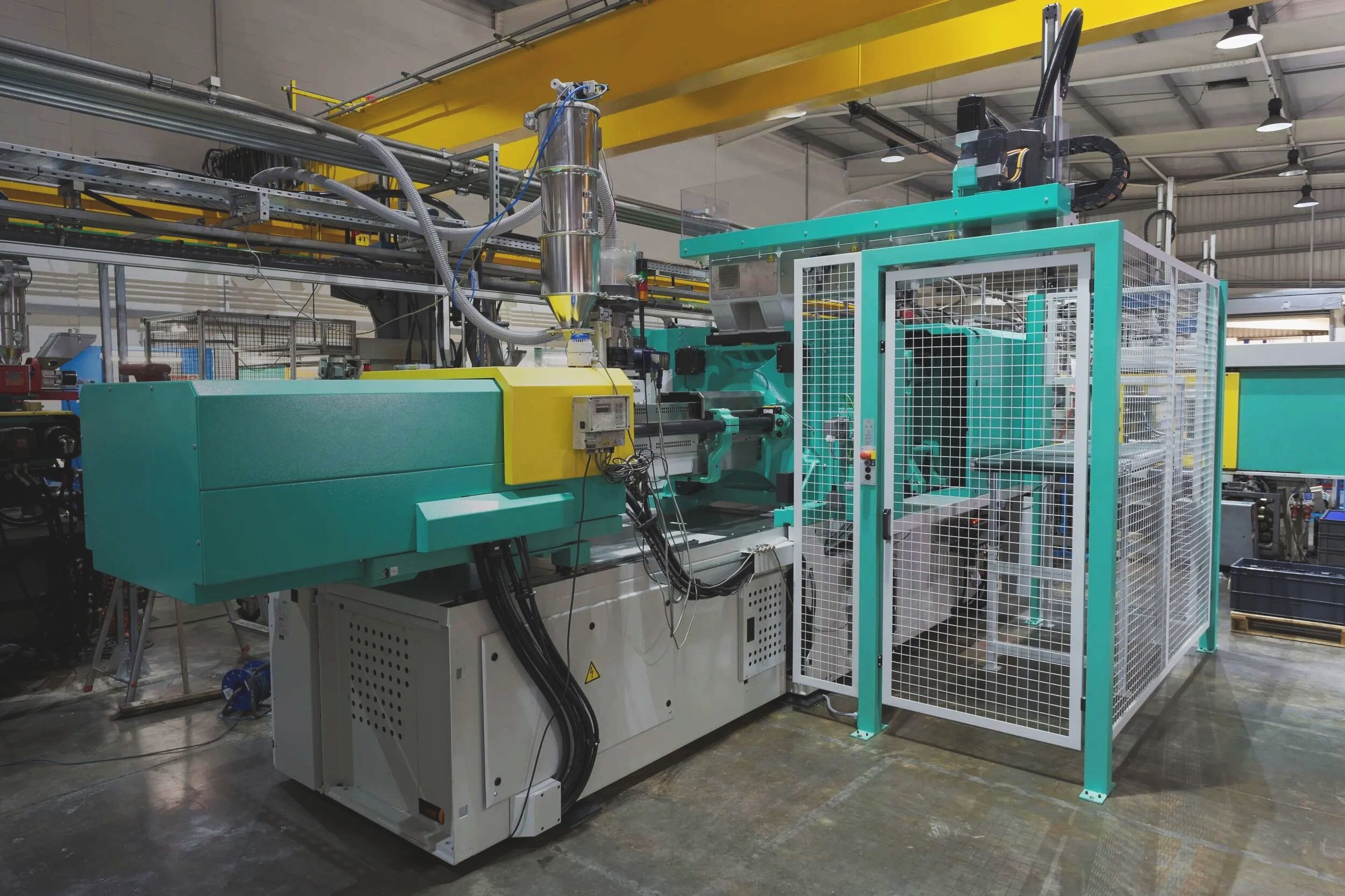
Injection Moulding Solutions for Water and Utility Systems
Injection moulding plays a central role in producing plastic components used across water infrastructure, wastewater treatment systems, and energy utilities. Modern water management networks rely on durable plastic parts that can handle chemical exposure, soil pressure, temperature fluctuations, and long operating lifespans.
Because injection moulding produces parts with consistent dimensions and high repeatability, it is widely used for infrastructure components that must perform reliably for decades.
Plastic components manufactured through injection moulding support stormwater runoff management, sewer networks, wastewater treatment plants, septic systems, and industrial water processing facilities.

Supporting Modern Water Infrastructure
Modern municipal water systems and wastewater treatment plants are complex networks of pipelines, tanks, filters, and treatment processes designed to manage water supply and sewage collection.
Across Australia, including Queensland metropolitan utilities and rural councils, infrastructure systems typically include:
Sewer collection networks transporting sewage and wastewater
Stormwater systems managing runoff and sediment removal
Wastewater treatment plants processing effluent and biosolids
Pumping stations transporting water through gravity and pressure systems
Plastic components used in these systems must withstand harsh operating conditions, including chemical exposure, high pressure, and biological contamination.
Injection moulded parts support many stages of the wastewater treatment process, including primary sediment removal, secondary biological treatment, and advanced filtration technologies used to remove nitrogen, organic matter, and suspended solids.
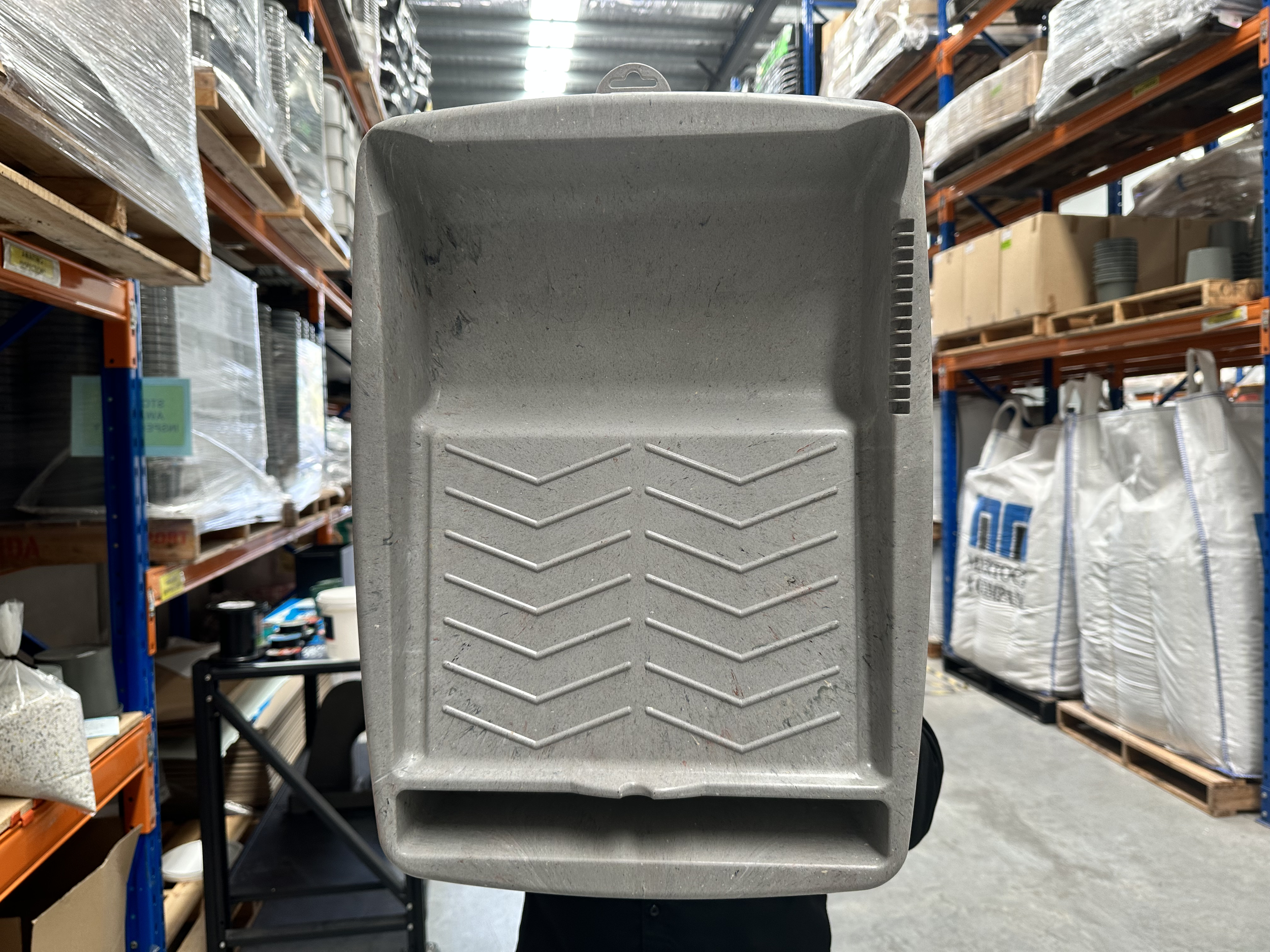
Reliable Manufacturing for Utility Applications
Water infrastructure operates continuously and failures can impact public health, environmental quality, and local communities. This is why utilities prioritise durable materials that resist corrosion, chemical exposure, and long-term wear.
Plastic injection moulded components offer several advantages for utility applications:
| Requirement | Why Plastics Work Well |
|---|---|
| Corrosion resistance | No rust in wet environments |
| Chemical tolerance | Handles sewage and treatment chemicals |
| Lightweight construction | Easier installation in infrastructure projects |
| Long service life | Reduced maintenance over time |
These characteristics make injection moulded plastics ideal for wastewater treatment plants, sewer systems, septic tanks, and stormwater infrastructure.
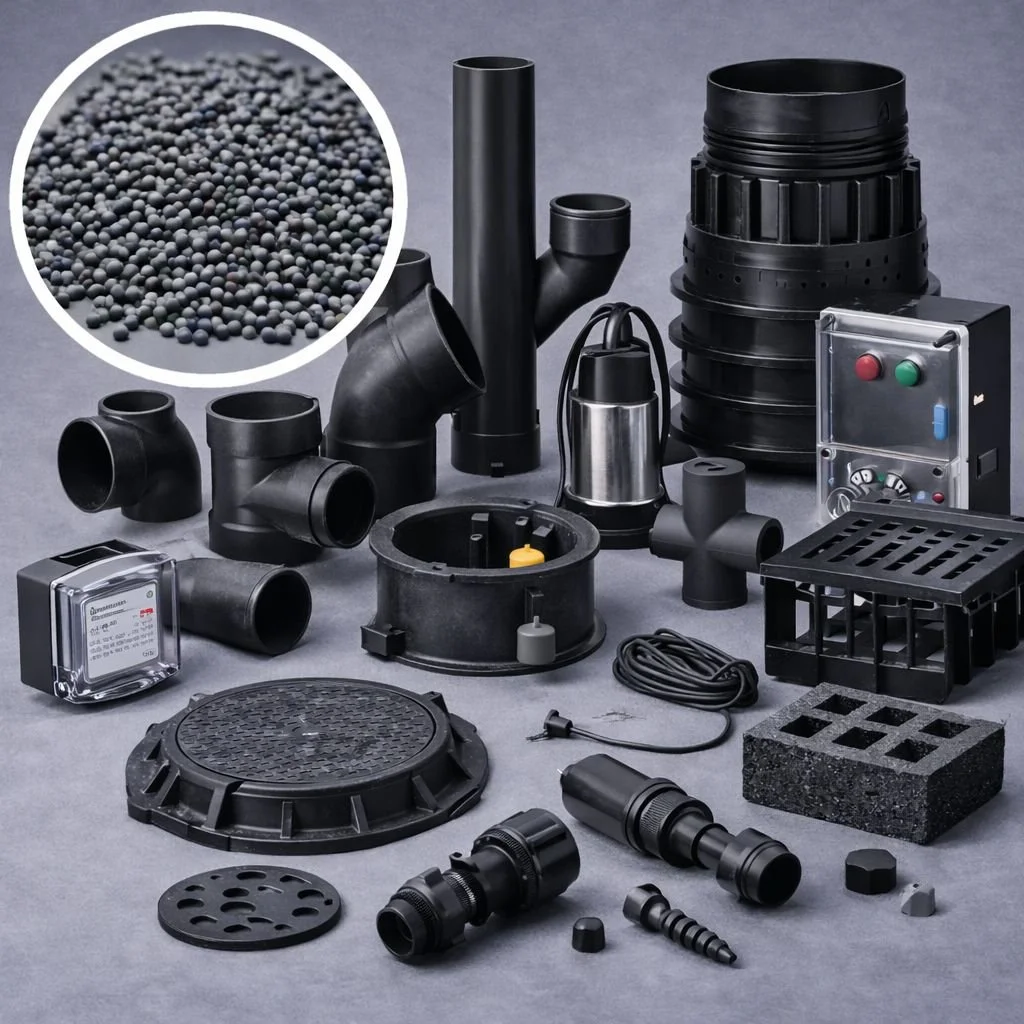
Water Management Components Produced with Injection Moulding
Injection moulding enables manufacturers to produce a wide range of plastic parts used in water management and wastewater infrastructure.
These components are commonly used in municipal sewer networks, wastewater treatment plants, septic systems, and stormwater collection infrastructure.
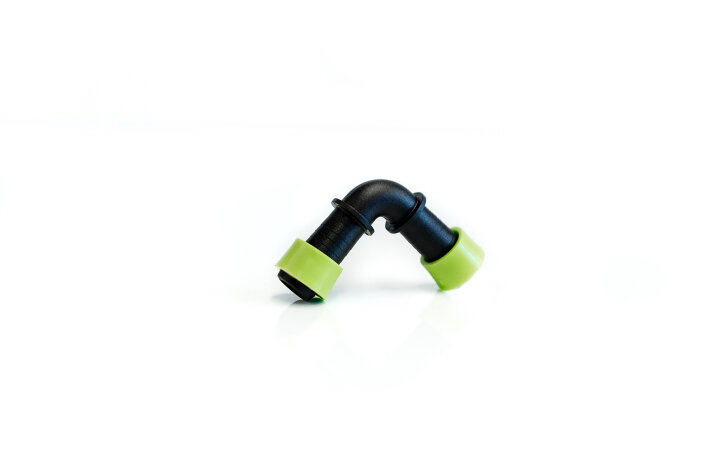
Pipes, Fittings, and Technical Chambers
Water transport infrastructure relies on durable plastic components that allow utilities to move water, sewage, and treated effluent through complex pipeline systems.
Injection moulded plastic components commonly used in water infrastructure include:
Pipe fittings used in sewer and wastewater transport systems
Technical chambers used in stormwater and sewer networks
Inspection ports used in sewerage infrastructure
Tank components used in wastewater treatment plants
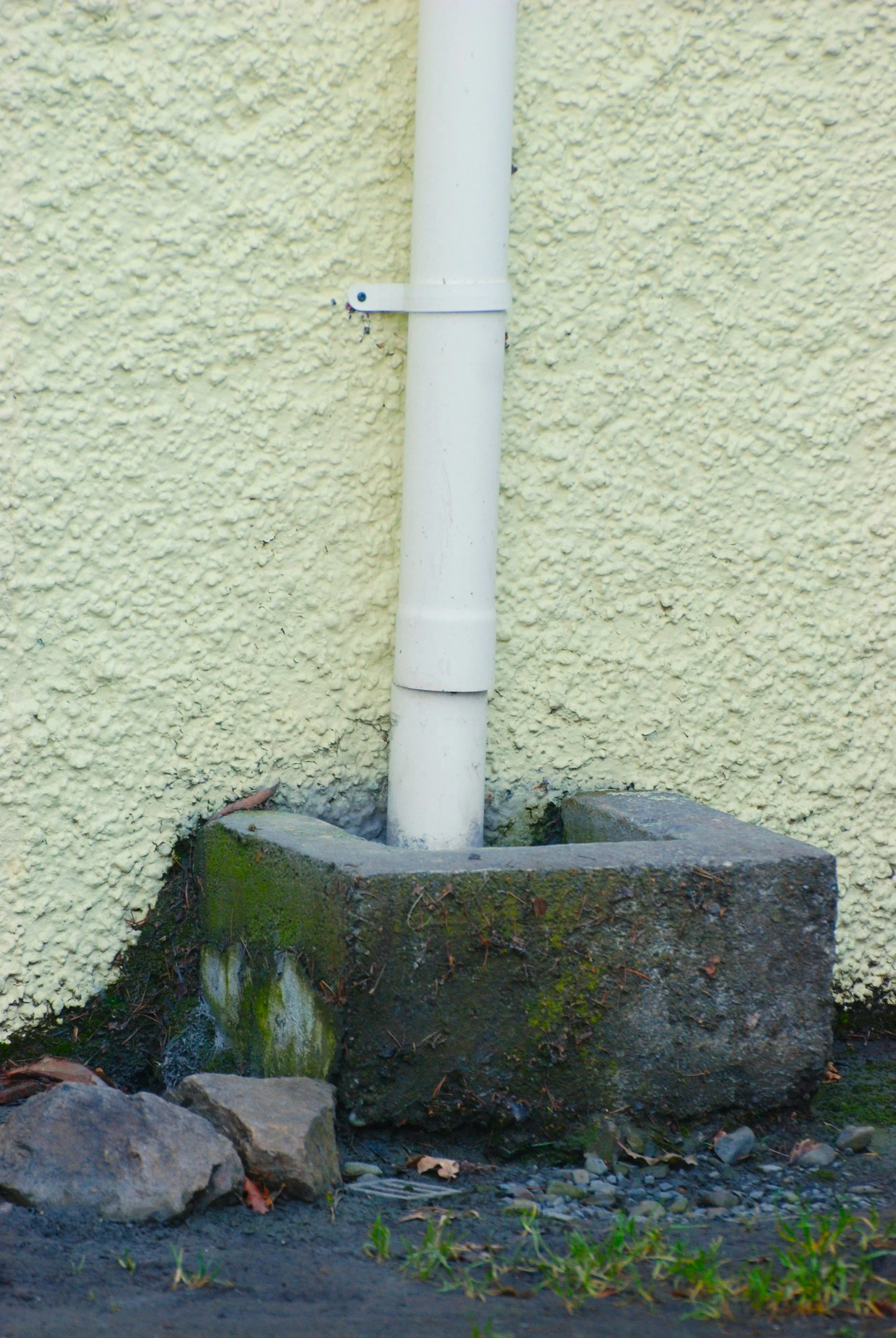
Many of these components operate underground, buried in soil or integrated into concrete infrastructure. This means materials must resist soil pressure, groundwater exposure, and chemical reactions from sewage and wastewater treatment processes.
Plastic components perform well in these environments because they resist corrosion and maintain structural integrity over time.
Pumping Station and Infrastructure Components
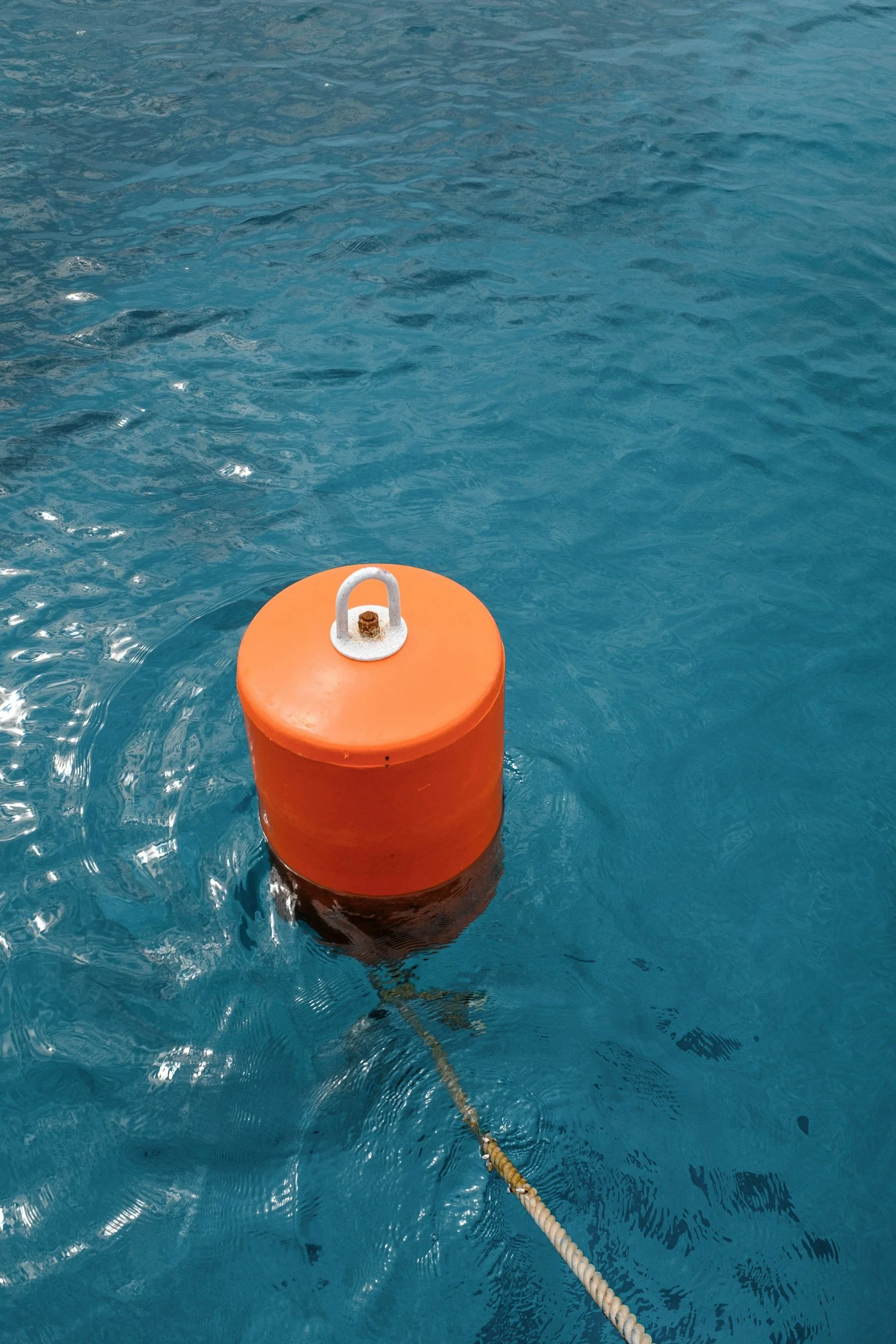
Water and wastewater pumping stations are used to move sewage, stormwater runoff, and treated water between locations when gravity transport is not possible.
Injection moulded plastic components used in pumping stations include:
Pump housings
Valve components
Pipe connectors
Filter housings
These parts support sewage transport, sludge management, and wastewater flow control inside municipal and industrial water management systems.
Protective Housings and Utility Enclosures
Utility infrastructure often requires protective housings that shield electrical controls and monitoring equipment from moisture, chemicals, and environmental contamination.
Injection moulded enclosures protect components used in:
Wastewater treatment plants
Stormwater monitoring systems
Pumping station controls
Water quality monitoring equipment
These housings protect critical information and monitoring technologies used by utilities to manage water treatment processes and ensure compliance with environmental regulations.
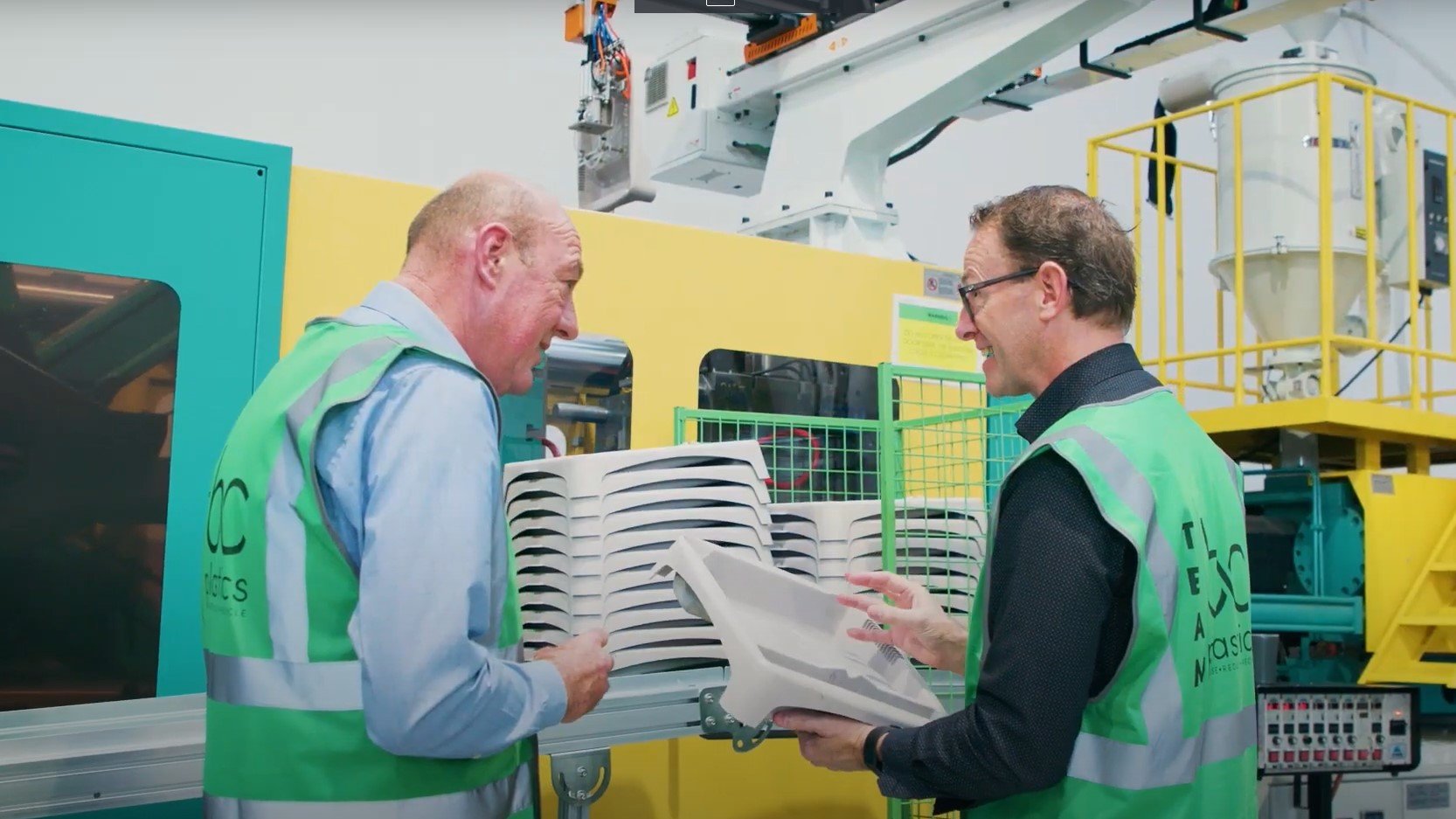
Meet the Team
-
Benefits of Plastic Injection Moulding for Water and Energy Applications
Plastic injection moulding has become a preferred manufacturing method for components used in water management infrastructure.
Compared with traditional materials such as steel or concrete, injection moulded plastics provide several performance advantages.
-
Corrosion Resistant Materials for Long Term Use
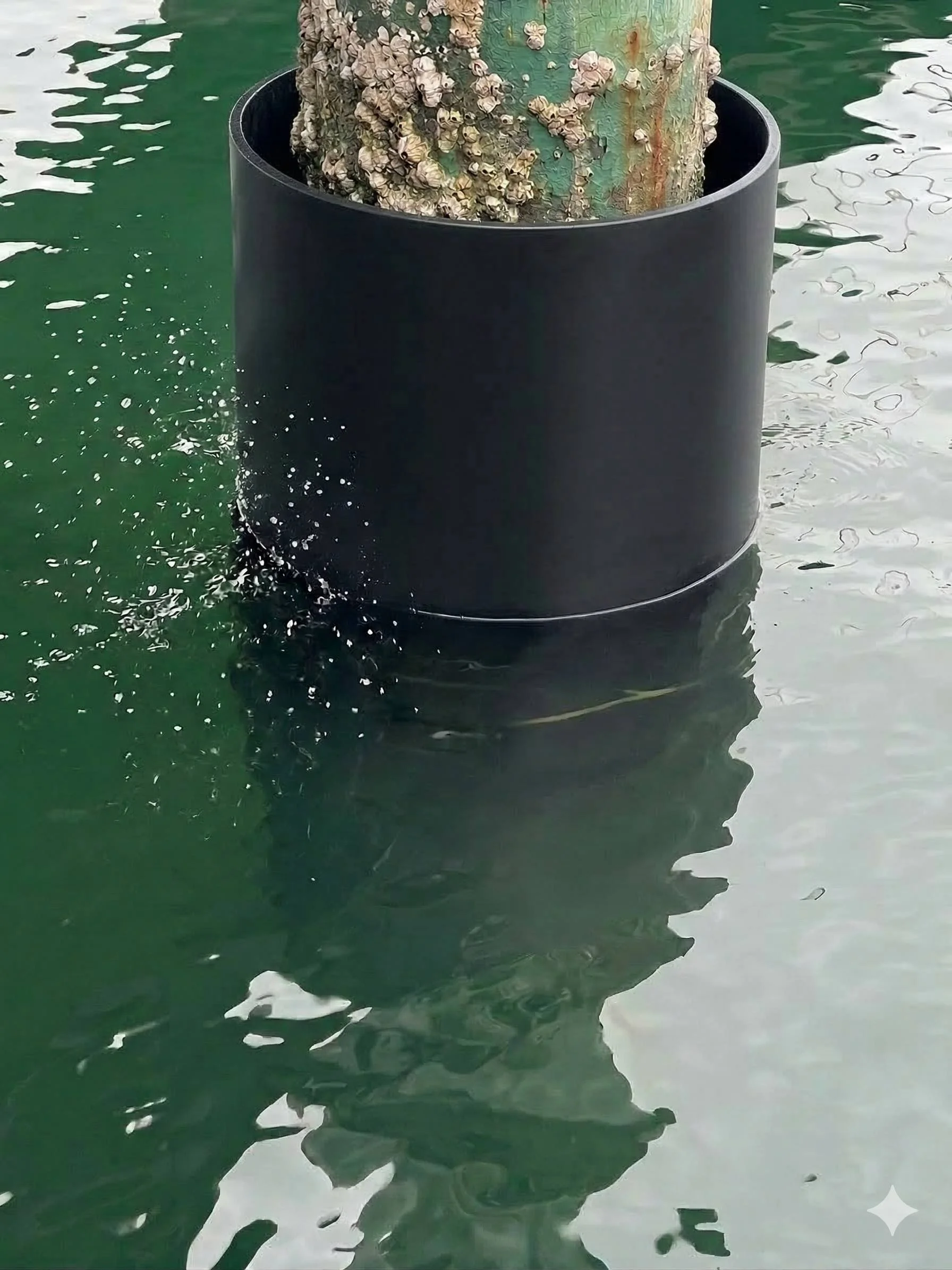
Water infrastructure environments expose materials to chemicals, biological contamination, and constant moisture. Components used inside sewer systems, wastewater treatment plants, and septic tanks must withstand long-term exposure to corrosive environments.
Injection moulded plastics resist corrosion and chemical degradation. This makes them suitable for systems handling sewage, sludge, effluent discharge, and wastewater treatment chemicals.
Plastic materials are also resistant to biological contamination associated with organic waste processing and biological wastewater treatment systems.
-
Lightweight Components for Easier Installation
Infrastructure construction often involves installing components in remote or confined environments such as underground sewer systems or wastewater treatment plants.
Plastic components offer a significant advantage because they are lightweight compared with metal alternatives.
This simplifies:
● Transportation to construction sites
● Installation within confined infrastructure spaces
● Maintenance and replacement operations
Lightweight materials can also reduce installation costs and improve safety during infrastructure projects.
-

Efficient Production for Large Infrastructure Projects
Injection moulding enables manufacturers to produce large volumes of identical components with consistent quality.
This scalability is important for infrastructure projects that require thousands of components such as pipe fittings, filter housings, and utility enclosures.
The injection moulding process also ensures dimensional accuracy, which is essential for parts that must integrate into complex water management systems.
Injection Moulding in the Energy and Utilities Sector
Plastic injection moulded components are widely used in energy utilities, electrical infrastructure, and pipeline systems.
These components support power generation facilities, renewable energy installations, and industrial utility networks.
Electrical Infrastructure Components
Plastic moulded components are widely used in electrical infrastructure because plastics provide insulation and corrosion resistance.
Common applications include:
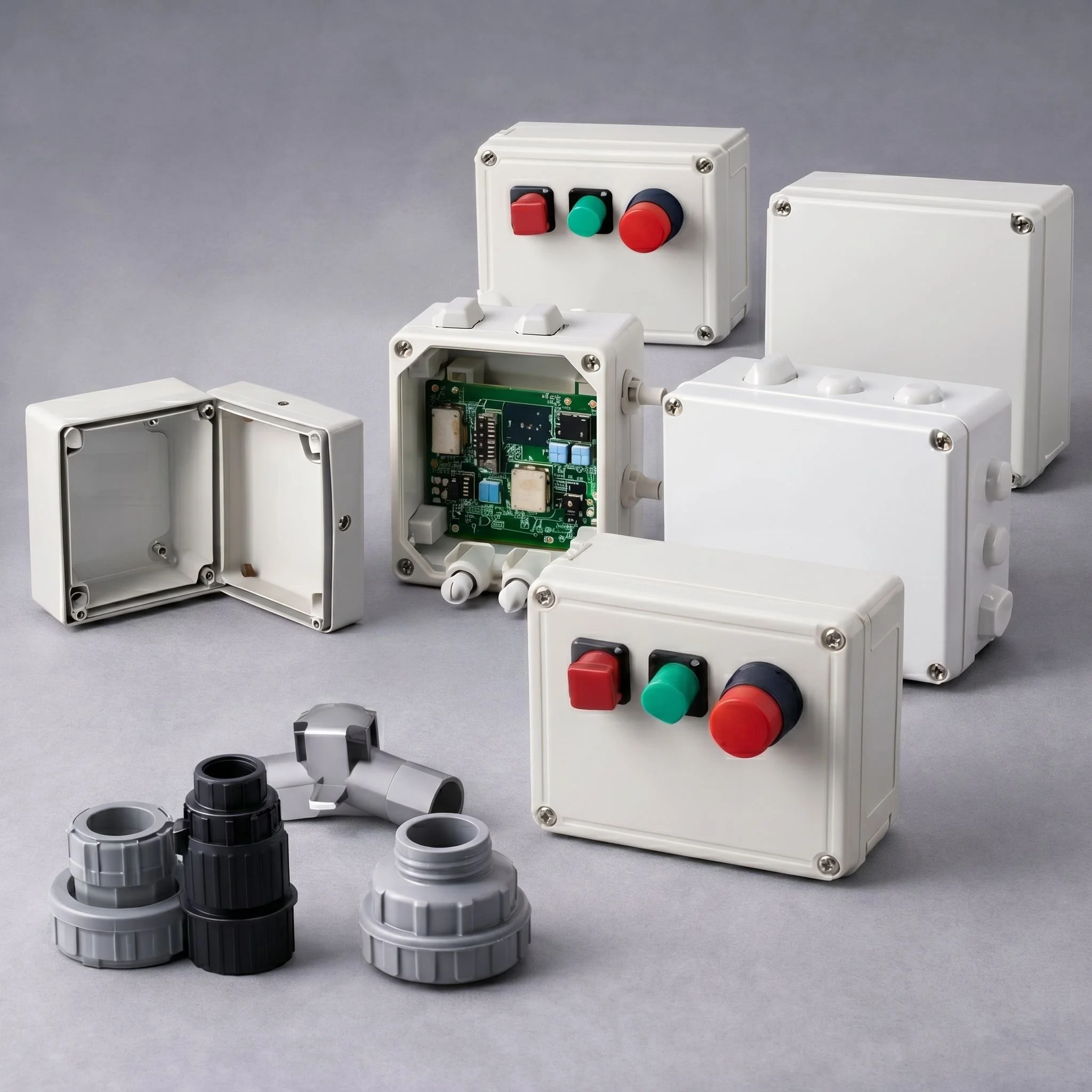
Electrical enclosures
Junction boxes
Cable protection housings
These components protect electrical systems used in water treatment plants, wastewater pumping stations, and industrial utilities.
Natural Gas and Pipeline Systems
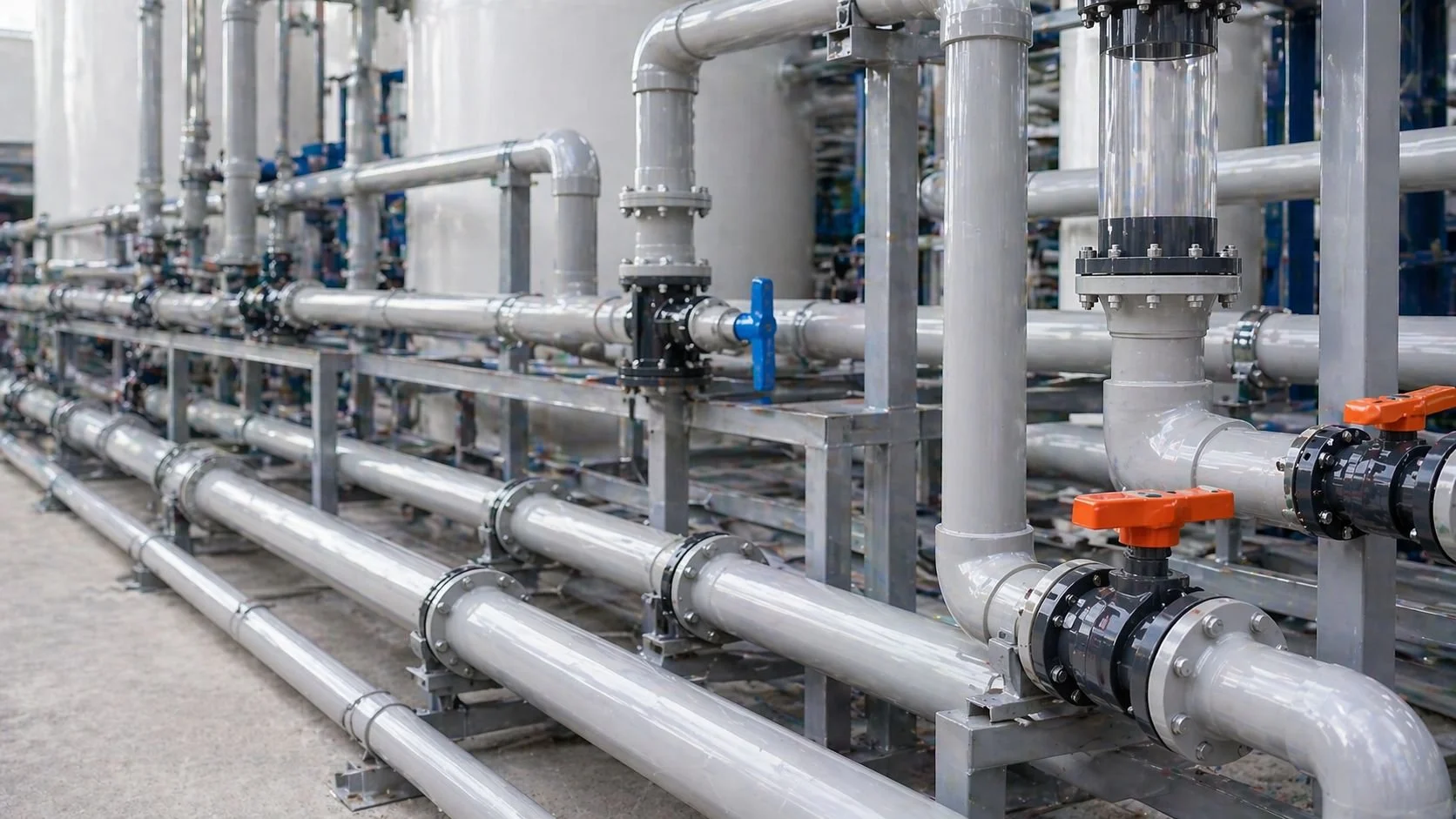
Plastic components are also used in natural gas distribution networks and pipeline infrastructure.
Injection moulded parts support:
Pipeline connectors
Valve housings
Protective equipment enclosures
These systems often operate in challenging environments where components must resist chemical exposure and mechanical stress.
Renewable Energy Systems
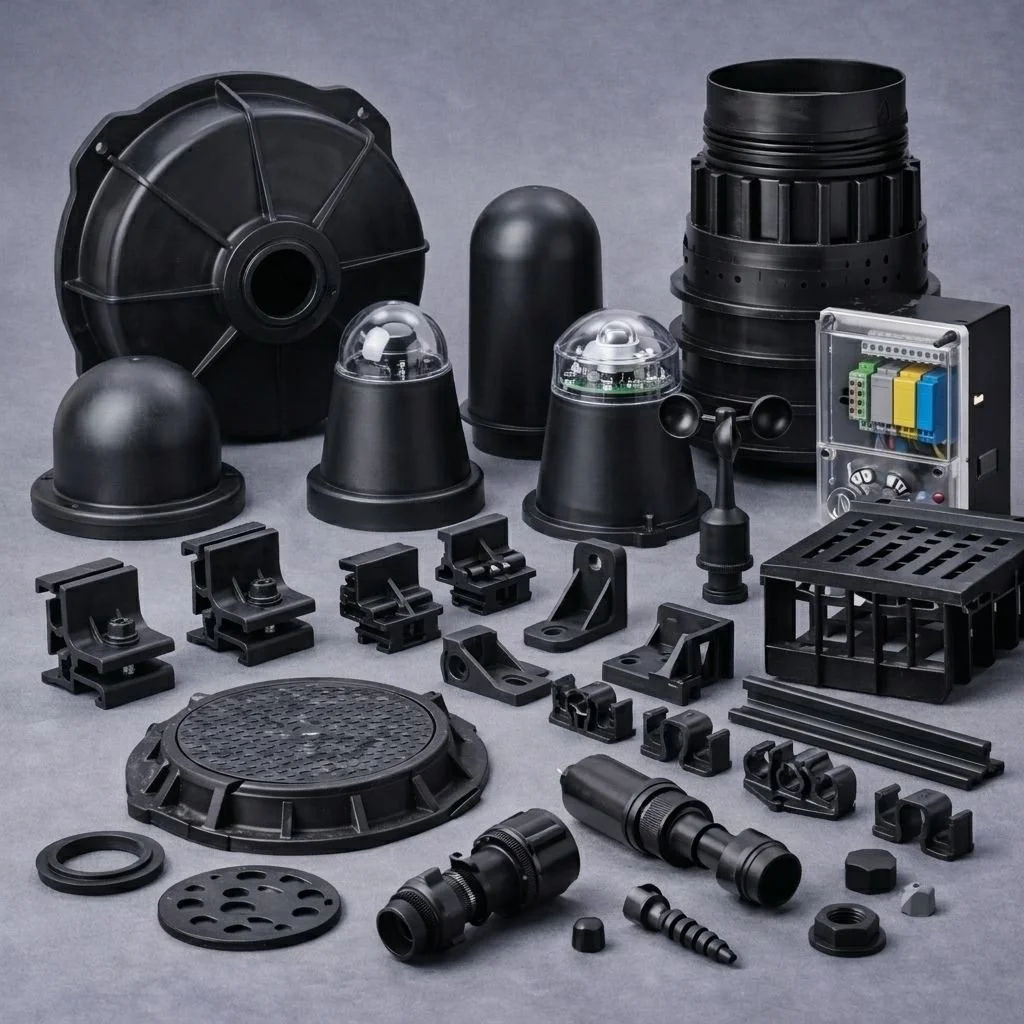
Renewable energy infrastructure also uses injection moulded plastics for protective housings and structural components.
Examples include:
Solar panel mounting components
Wind turbine internal housings
Sensor protection enclosures
These applications require materials capable of withstanding environmental exposure including heat, UV radiation, moisture, and chemical contamination.
Water Treatment Systems in Injection Moulding Operations
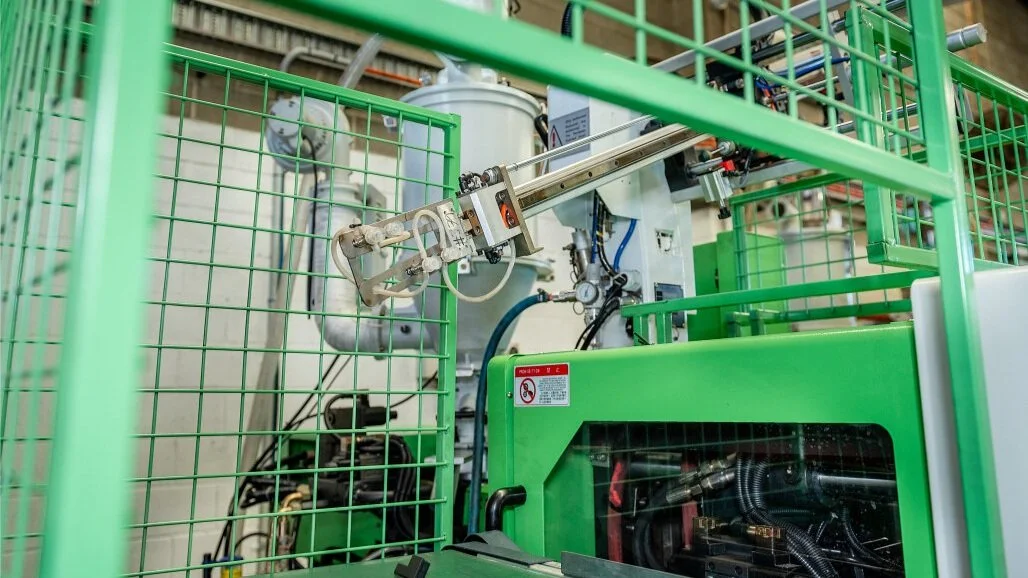
Water plays an essential role in the injection moulding manufacturing process itself.
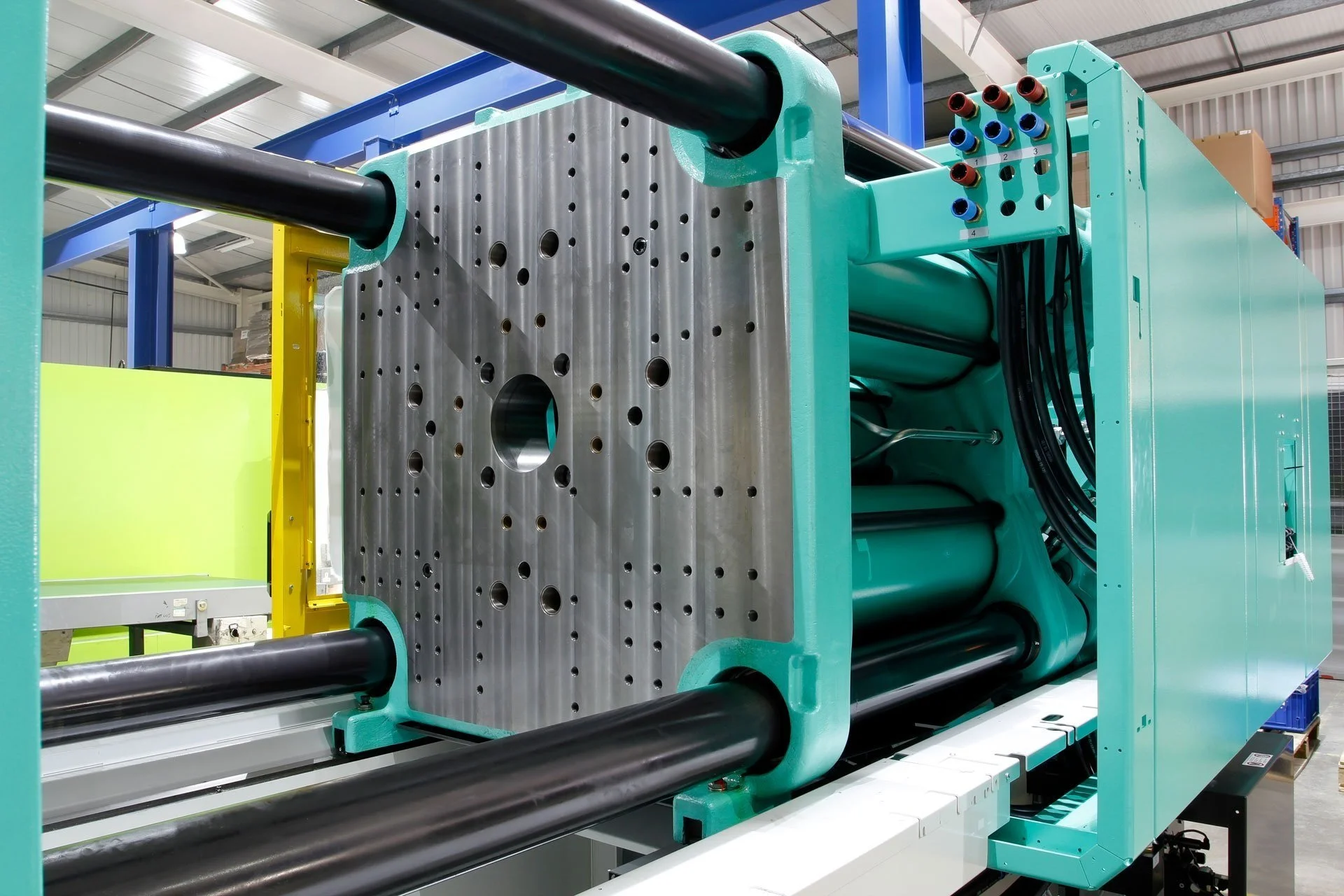
Injection moulding machines rely on water-based cooling systems to control temperatures and maintain efficient production cycles.
Cooling Systems in Injection Moulding Machines
Water cooling systems regulate mould temperature during the injection moulding process.
Without effective cooling, moulds can overheat and production quality can suffer.
Cooling systems circulate water through mould channels to remove heat generated during plastic injection and solidification.
This ensures stable production cycles and consistent part quality.
Maintaining Water Quality in Manufacturing Systems
Maintaining clean water within cooling systems is essential to prevent operational problems.
Manufacturers monitor water quality to avoid contamination that could affect cooling efficiency.
Water treatment technologies used in manufacturing cooling systems may include:
Filtration systems removing sediment and particles
Chemical treatment to prevent corrosion
Disinfection to prevent biological growth
Proper water management helps maintain reliable manufacturing performance.

Common Water Related Challenges in Injection Moulding
Water systems used in manufacturing environments can encounter several challenges if they are not properly maintained.
Scaling and Mineral Build Up
Mineral deposits can accumulate inside cooling channels and pipes.
Scaling reduces heat transfer efficiency and may lead to overheating of mould components.

Corrosion and Equipment Wear
Poor water quality can accelerate corrosion in cooling system infrastructure.
This can damage mould components and reduce equipment lifespan.

Microbial Growth and System Contamination
Microorganisms can grow in stagnant water systems.
These microbes can form biofilms that reduce cooling efficiency and create hygiene risks.
Water Treatment Solutions for Injection Moulding Systems
Manufacturers use specialised technologies to manage water quality in injection moulding cooling systems.
Filtration and Chemical Treatment
Water treatment systems may include filtration units, chemical inhibitors, and disinfection processes.
These systems remove sediment, prevent corrosion, and eliminate microbial contamination.
Monitoring and Process Control Systems
Modern manufacturing facilities also use monitoring technologies to track water quality.
Sensors detect changes in temperature, chemical composition, and flow rate, allowing operators to maintain stable operating conditions.
Best Practices for Managing Water Systems in Injection Moulding
Effective water management improves both production reliability and product quality.
Regular Maintenance and System Monitoring
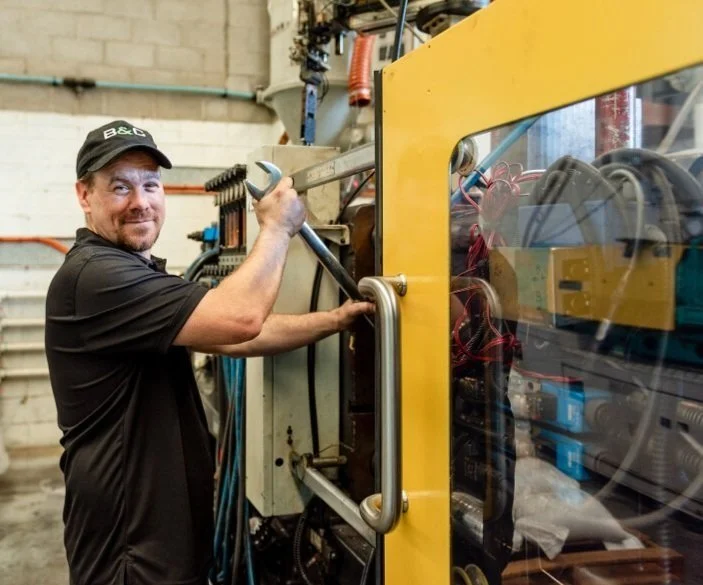
Routine inspections help detect issues such as sediment accumulation, corrosion, or biological growth before they become serious problems.
Preventative maintenance ensures cooling systems operate efficiently.
Optimising Cooling Efficiency
Proper water management improves mould cooling performance, which shortens production cycle times and increases manufacturing efficiency.
Advanced Manufacturing for Water Management Products
Modern injection moulding technologies enable manufacturers to produce complex components used in water infrastructure and wastewater management systems.
High Capacity Machines for Large Components
Large injection moulding machines can produce infrastructure components such as large tanks, pump housings, and technical chambers used in wastewater treatment plants and stormwater systems.
These machines allow manufacturers to produce large components while maintaining precise dimensional accuracy.
Digital Manufacturing and Process Monitoring
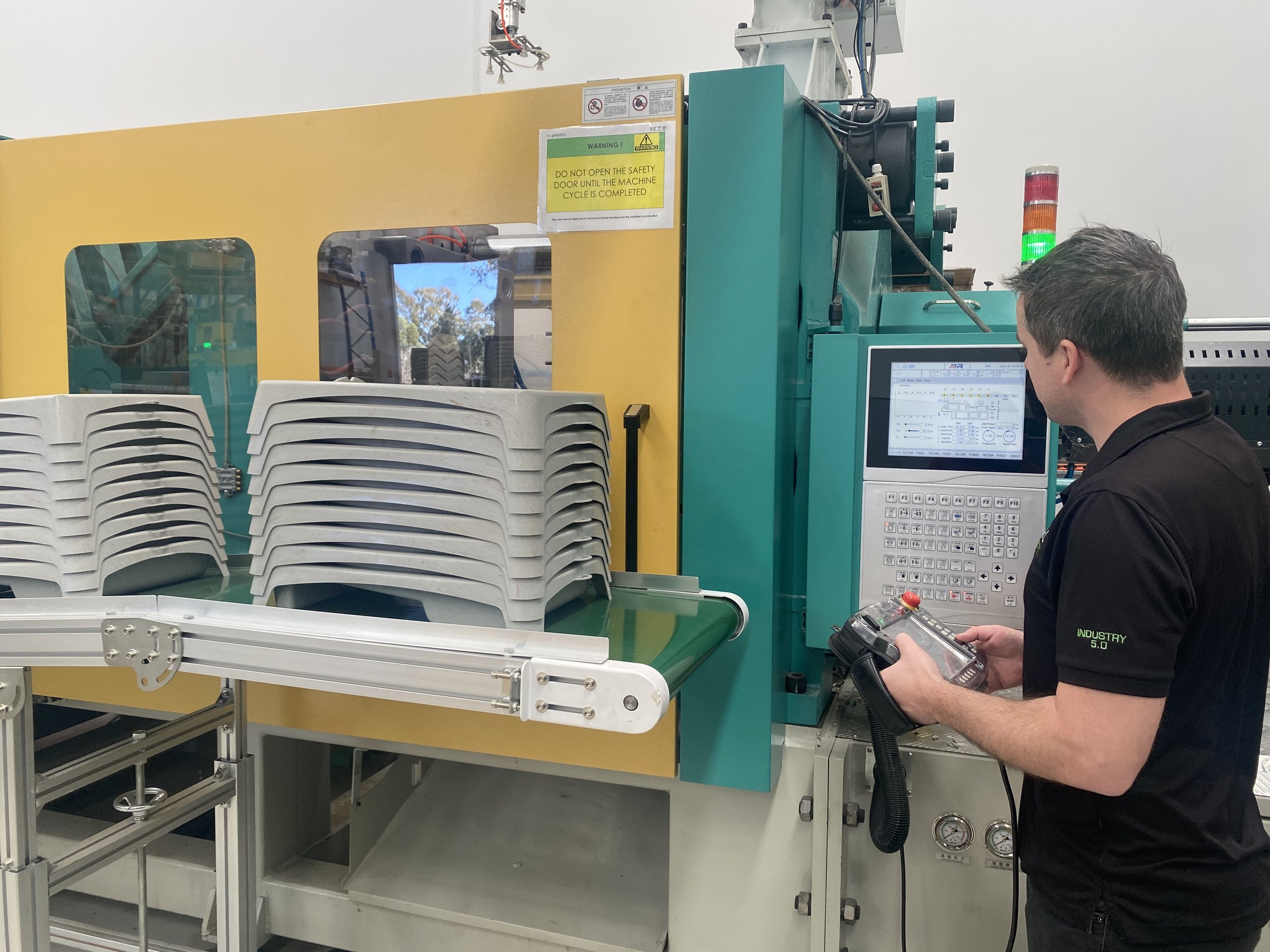
Advanced manufacturing technologies monitor production data in real time.
These systems track temperature, pressure, and material flow during injection moulding cycles, ensuring consistent part quality.
Applications of Injection Moulded Plastics in Public Utilities
Injection moulded plastics are widely used across public infrastructure systems responsible for water supply and wastewater treatment.
Municipal Water Systems
City water networks rely on plastic components used in pipes, fittings, valves, and control systems that distribute clean water to households and businesses.
Wastewater Treatment Facilities
Wastewater treatment plants rely on specialised components used in filtration systems, sludge processing equipment, and effluent treatment processes.
These plants process sewage and wastewater through several treatment stages before treated water is discharged safely into the environment.
Industrial Water Processing
Industrial facilities also operate water treatment systems used to manage wastewater produced during manufacturing.
These systems remove contaminants and treat industrial effluent before discharge or reuse.

Sourcing Injection Moulded Components for Utility Projects
Infrastructure developers and utilities often require specialised components designed specifically for their systems.
Custom Design and Engineering Support
Manufacturers can collaborate with engineers to design custom plastic parts used in water infrastructure projects.
Engineering support ensures components meet system requirements including pressure tolerance, chemical resistance, and durability.
Scalable Production for Infrastructure Projects
Injection moulding enables scalable production, allowing manufacturers to produce thousands or millions of identical parts for infrastructure projects.
This ensures reliable supply for utilities operating large water management networks.

Start Your Water Infrastructure Injection Moulding Project
Modern water infrastructure relies on durable components designed to perform reliably within complex water treatment, sewage management, and wastewater systems.
Request a Quote for Utility Components
If you are planning a project involving water management infrastructure, wastewater treatment plants, or utility systems, the team at B&C Plastics can review your design requirements and provide manufacturing guidance.
Speak With an Injection Moulding Specialist
For technical advice on designing and producing plastic components used in water infrastructure, sewer systems, and wastewater treatment facilities, contact the B&C Plastics team to discuss your project requirements and manufacturing options.